The economic package received partial support amid criticism over debt, cuts, and tax projections
Nuevo
Agregar La Derecha Diario en
Compartir:
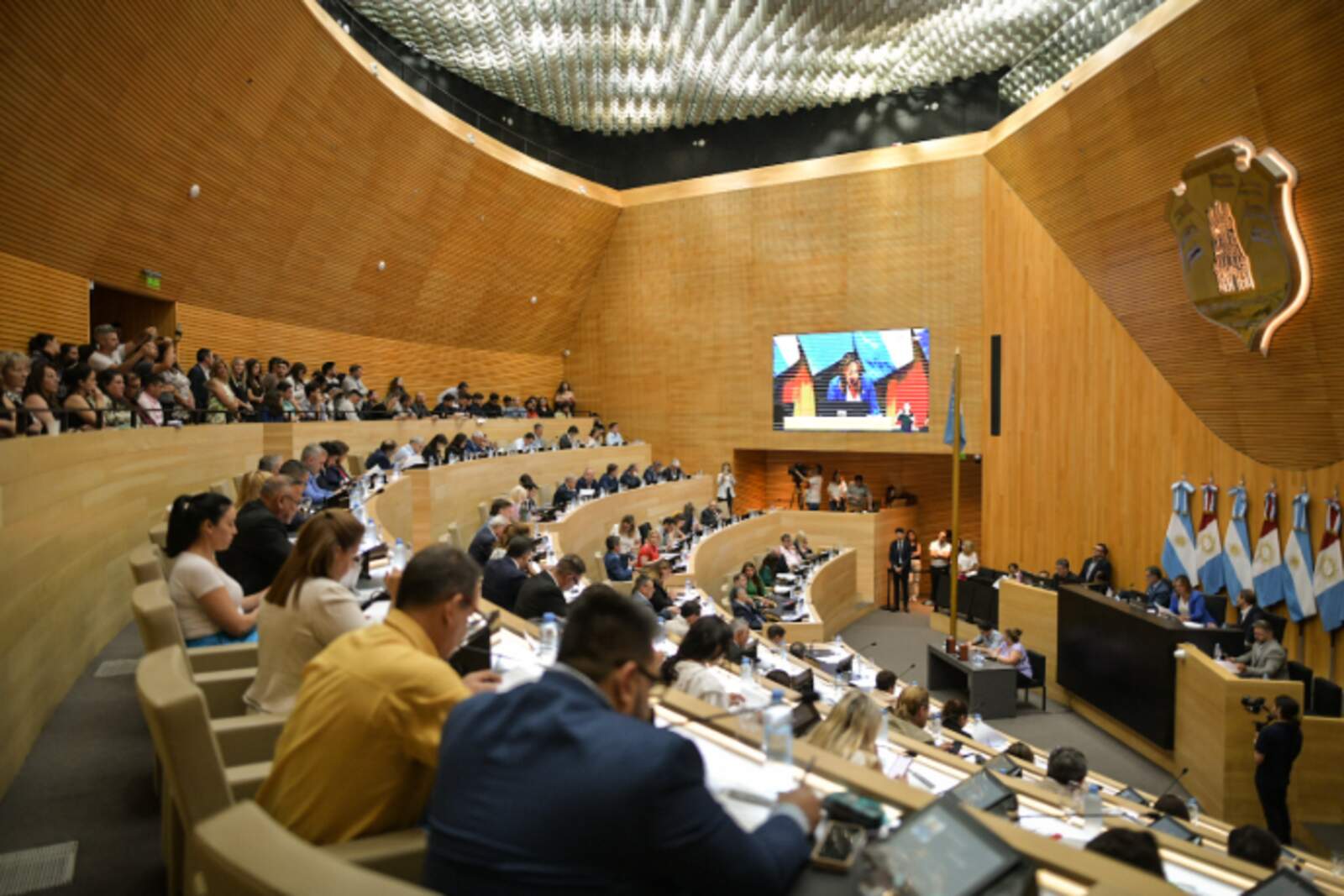
The provincial Legislature moved forward with the initial approval of the 2026 Budget after an extensive session marked by disagreements among the blocs. The proceedings brought together objections related to future indebtedness and the reduction of allocations considered strategic by some legislators. Even so, the ruling party gathered the necessary votes to unblock the process and send the bill to the next stage.
Part of the UCR and PRO supported the bill in general, although they made it clear that they would maintain differences on sensitive articles that raised doubts within their own groups. The economic package incorporated changes to the Tax Code and the Tax Law that raised concerns in sectors that warned of an uncertain fiscal outlook. The debate exposed a fragmented legislative map, with seats shifting positions during the course of the session.
The votes provided by allied blocs made it possible to secure the initial half-approval despite the intense reproaches that arose during the discussion. The most critical interventions focused on indebtedness and the real scope of the announced tax reduction, which was presented as substantial and on a massive scale. Opposition voices insisted that cuts in key areas would constrain the implementation of public policies during the coming year.
La votación final arrojó un resultado ajustado de 36 a 34
Tensions within the opposition
The UCR went through another night of internal divisions that once again became evident, with legislators who supported the bill in general to prevent the Executive from governing without a budgetary framework. In the corridors, it was mentioned that the bloc debated for days without reaching a common position, which led to split votes both in general and in particular. Some representatives pointed out inconsistencies in the tax reduction claimed by the ruling party and questioned the accuracy of the fiscal projections.
Other radical sectors stated that supporting the bill in general and rejecting it in particular offered a point of balance in response to requests from mayors seeking to guarantee public works in their localities. The observations focused on social spending, the level of indebtedness, and the planned increase for Urban Property Tax, which they considered excessive. There were also references to internal debates aimed at differentiating the party from a more cohesive ruling party.
Meanwhile, some legislators emphasized that there was no risk of leaving the provincial interior without a budget even with a negative vote. That position was put forward by leaders who decided to reject the bill at all stages and who stressed the need to demand greater accuracy before authorizing expenditures and debts. There were also interventions that included formal farewells to legislators who assumed new roles in the provincial Executive.
Las bancas más críticas cuestionaron la previsión de endeudamiento
Harsher criticism of the bill
Minority blocs expressed their rejection, arguing lack of transparency and the existence of mechanisms that, according to them, increase the Executive's discretion. Leaders from different groups argued that the property revaluation had inconsistencies and that the budget structure replied to an adjustment in sensitive areas. The most critical seats also questioned the debt forecast and warned about the possibility of taking legal action on articles related to its authorization.
Liberal and left-wing sectors insisted that the budget reorganization favors increased allocations for state agencies while health, education, and security grow below expectations. Opposition legislators questioned whether this distribution contradicts the commitments made during the campaign regarding reducing the size of the State. They also pointed out that, in their view, granting powers to legislate taxes exceeds the limits that the Legislature should set.
The final vote resulted in a narrow margin of 36 to 34, with support that allowed the ruling party to prevail both in general and in particular. The 2026 Budget, together with the associated tax regulations, will now move on to the public hearing scheduled for Tuesday, December 9. That meeting anticipates a new scenario of intense debate, with social and technical representatives able to express observations before the second reading.