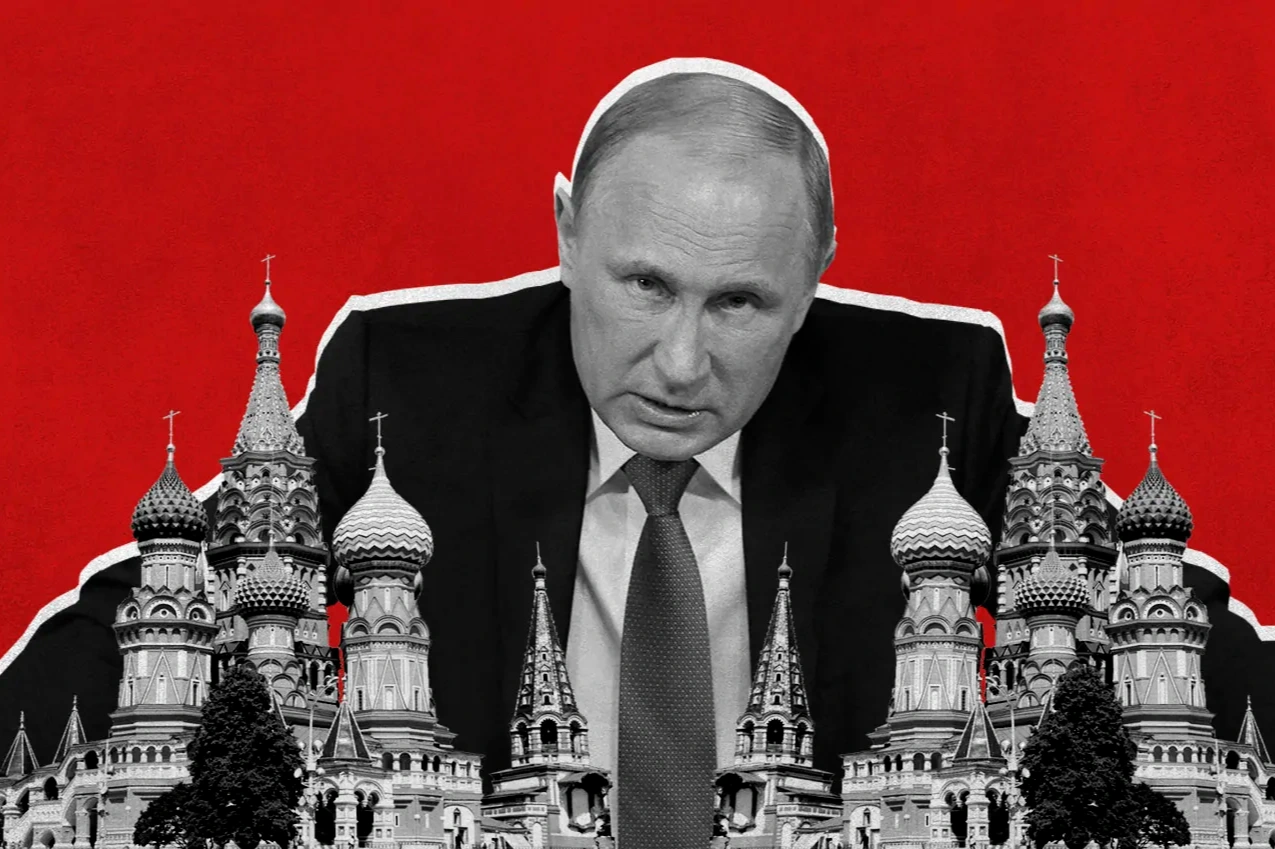
The total number of soldiers who have been killed, wounded, or gone missing on both sides is estimated to be 1.8 million
Compartir:
This Tuesday marks four years since the beginning of the large-scale invasion of Ukraine by Russia, a conflict that transformed the European geopolitical landscape and caused devastating consequences both on the battlefield and among the civilian population.
The offensive launched on February 24, 2022 marked the beginning of the largest armed confrontation in Europe since World War II and triggered a crisis that still, for the moment, remains unsolved, despite numerous attempts by the president of the United States, Joe Biden, to achieve peace.
As it enters its fifth year, the war remains active and shows no clear signs of an imminent outcome. The conflict not only altered the security balance established after the Cold War, but also caused an enormous human, material, and social cost that continues to accumulate.
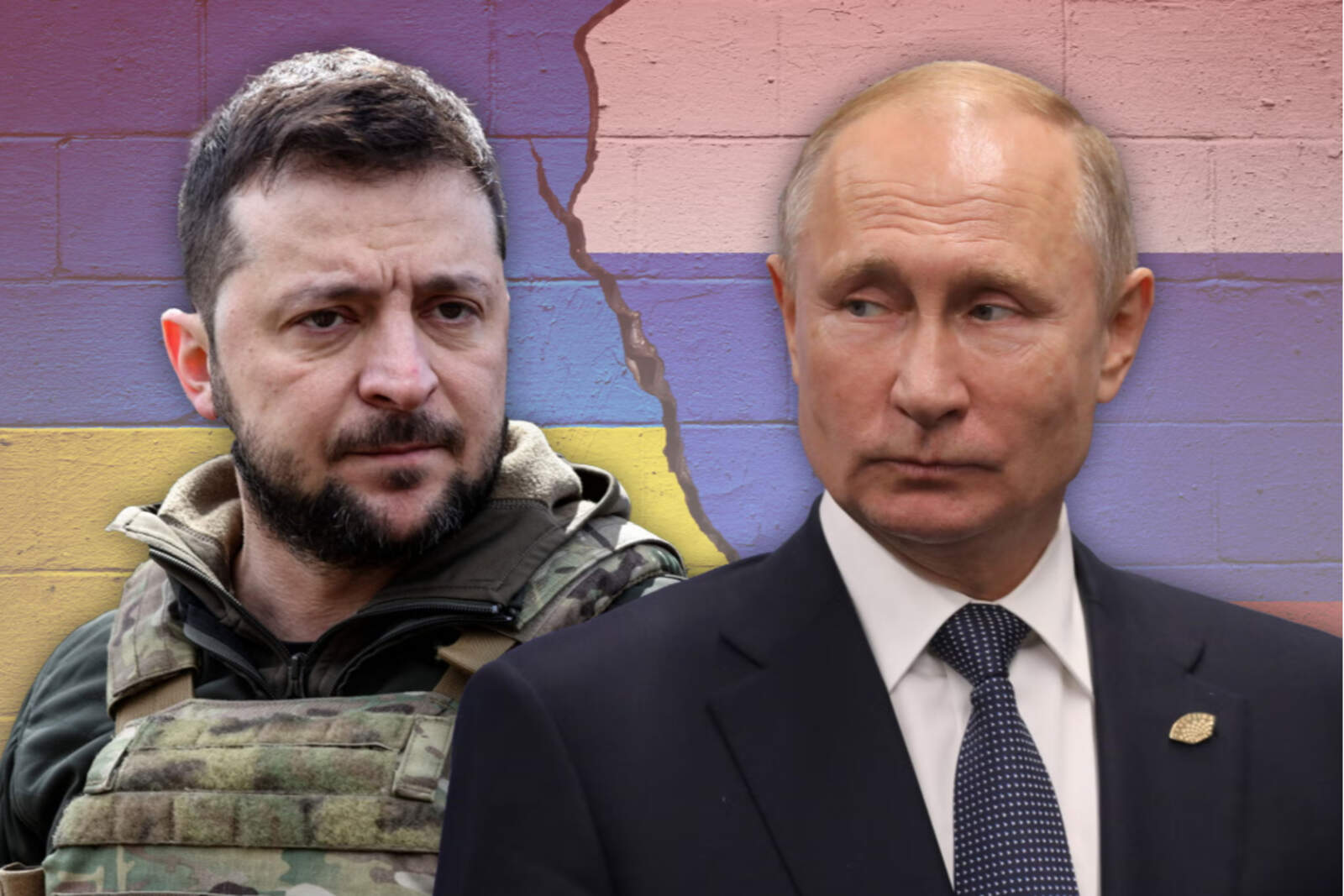
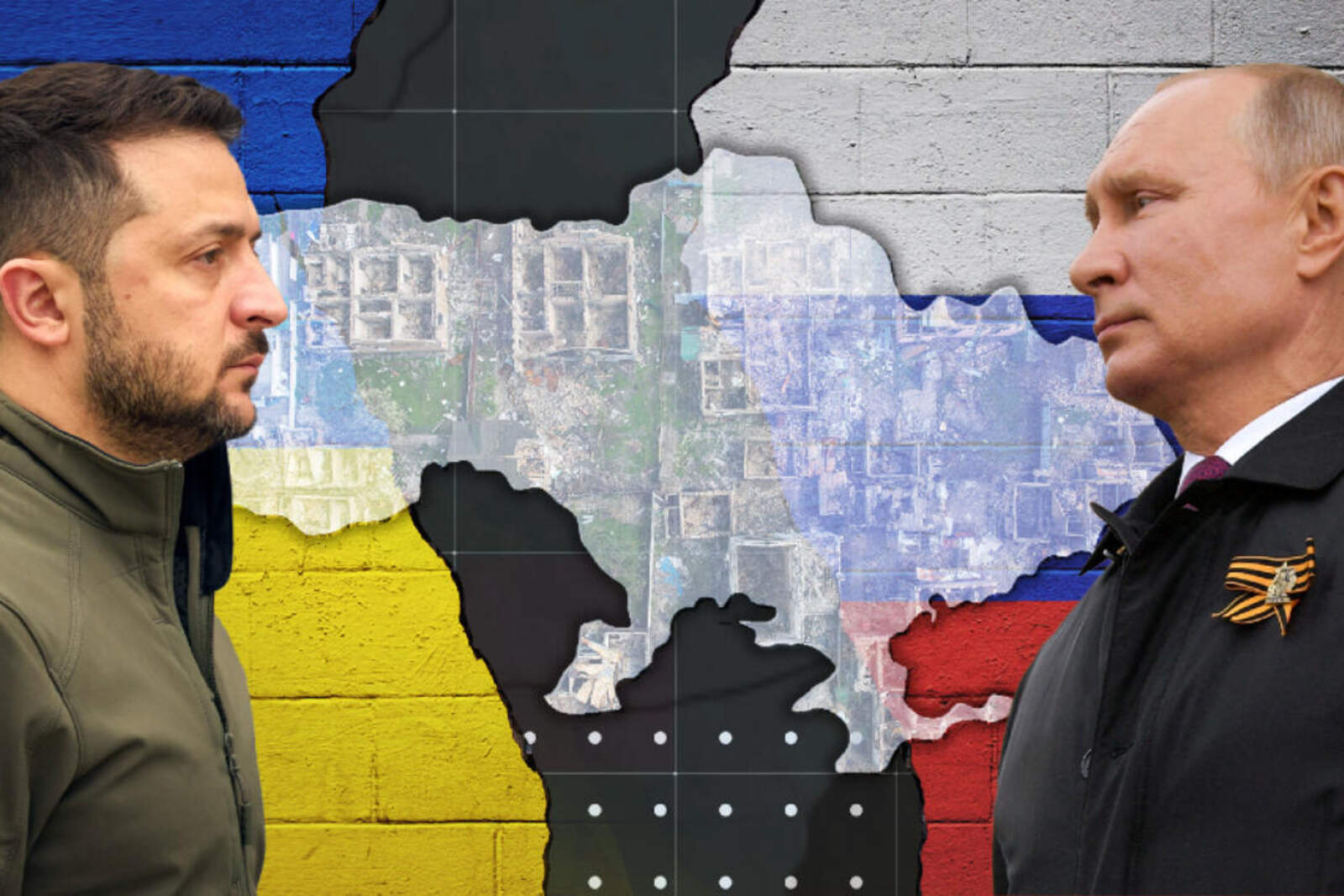
Volodímir Zelenski y Vladimir Putin.
In this context, the United States intervened as a mediator in negotiations between Moscow and Kyiv, within the framework of a diplomatic campaign driven by President Biden's administration for a year.
However, the attempts to reach an agreement face persistent obstacles. The differences over the fate of the Ukrainian territories occupied by Russia and the future security guarantees for Ukraine have prevented concrete progress in the talks.
The consequences of the war in Ukraine
Meanwhile, the human impact of the conflict continues to be devastating. It is estimated that the total number of soldiers killed, wounded, or missing on both sides reaches 1.8 million, according to a recent report by the Center for Strategic and International Studies. This level of losses represents one of the highest military costs recorded in a contemporary conflict.
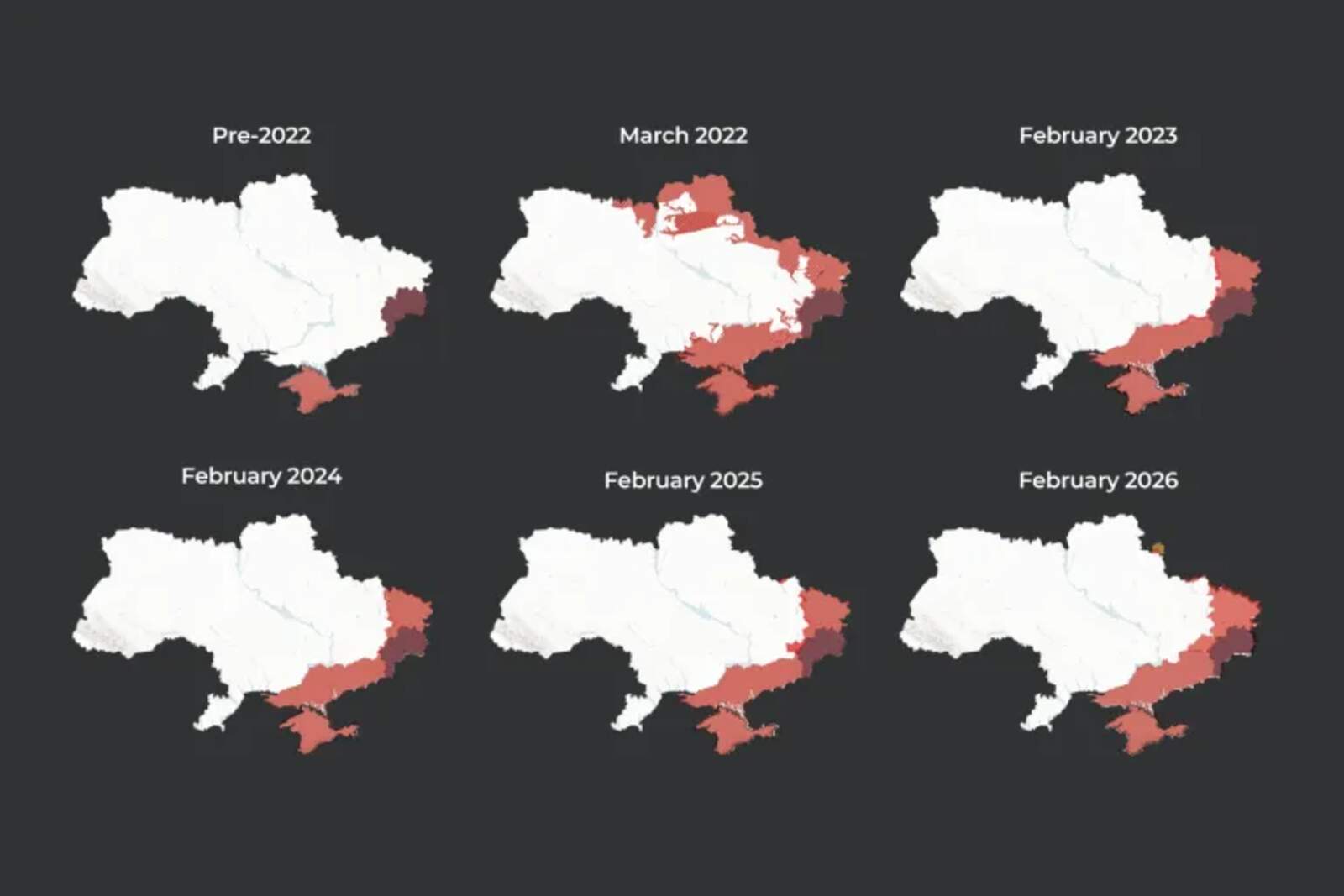
El territorio capturado por Rusia.
According to that analysis, Russia has suffered approximately 1.2 million casualties between February 2022 and December 2025, including up to 325,000 soldiers killed. This figure constitutes the highest number of military casualties for a major power in any war since the end of World War II.
Meanwhile, Ukraine has also faced significant losses. Estimates indicate that Ukrainian military casualties stand between 500,000 and 600,000 personnel, including up to 140,000 dead. However, both Moscow and Kyiv conceal the official data on their losses, which makes independent verification of the figures difficult.
On the territorial front, Russia keeps control of 19.4% of Ukrainian territory, according to assessments by the Institute for the Study of War. Nevertheless, during the last year, Russian territorial gains have been minimal. Moscow's forces only managed to expand their control by an additional 0.79%, which reflects the prolonged and attritional nature of the confrontation.
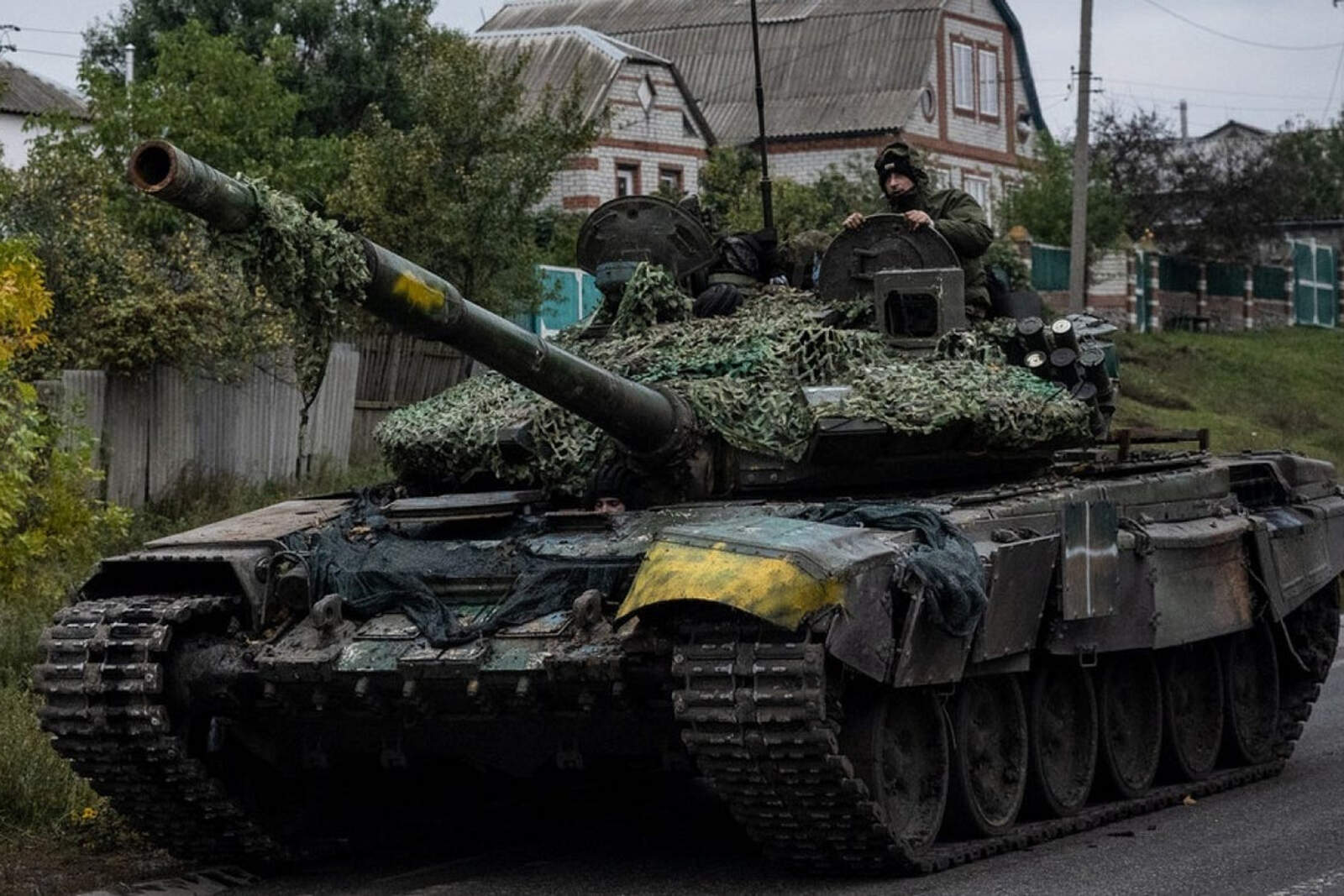
Un tanque ucraniano.
The civilian population
Meanwhile, Russian airstrikes caused destruction to critical infrastructure, leading to prolonged interruptions in the supply of electricity and water.
Currently, it is estimated that 5.9 million Ukrainians have left their country. Of these, approximately 5.3 million found refuge in different European nations, according to data published by the United Nations office in Ukraine. In turn, another 3.7 million people were displaced internally, moving to different regions within Ukrainian territory itself.
Before the beginning of the war, Ukraine had a population of more than 40 million inhabitants, which puts into perspective the massive scope of the humanitarian crisis caused by the conflict.
Four years after the beginning of the invasion, the war, with no end in sight, continues to leave deep scars in the region, with a high number of victims, vast areas under military occupation, and millions of people affected by forced displacement.