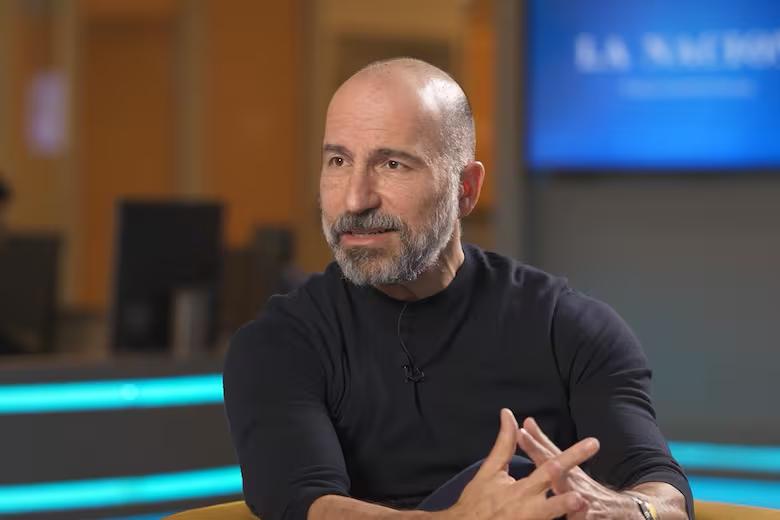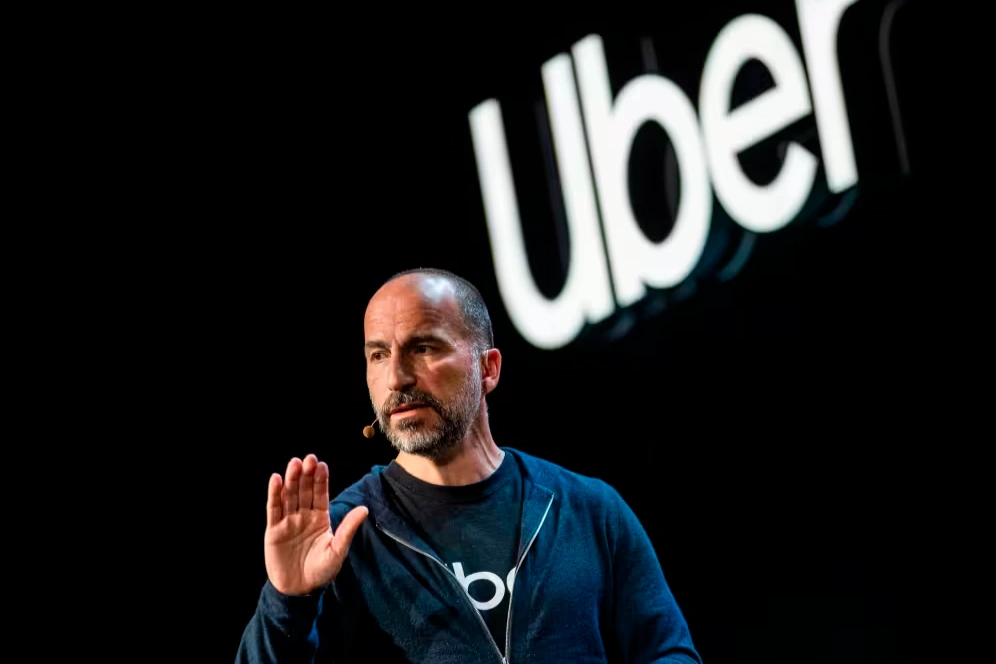

In a context of structural transformation of the Argentine economy, marked by pro-market reforms and a decisive opening to the world, the arrival of foreign investment is beginning to consolidate as one of the main indicators of the new direction. In this scenario, Uber's decision to invest $500 million in the country appears as a strong sign of the impact that Javier Milei's government policies are generating at the international level. The announcement was made by Dara Khosrowshahi, the company's global CEO, who also did not hesitate to express her support for the local economic direction: “I think that the changes being promoted by the Milei government are spectacular,” he said, highlighting the reform process that, although “not without risk”, aim to open up the Argentine economy to the world,
a key condition for attracting capital.From a global perspective, Argentina ceased to be a peripheral market to become a strategic player. Khosrowshahi stressed that the country is now one of the five most important mobility markets in the world for the company, ranking in the top 5 in terms of number of trips and top 10 in spending in dollars, despite only ranking 32nd or 33rd in world population. “She performs above her weight... she is a true champion,” she compared, referring to the
Argentine national team.
The magnitude of Uber's impact on the local economy is also significant: more than one million people generated income through the platform and more than 20 million Argentines use the service, consolidating it as a central player in the
mobility and flexible employment ecosystem.The landing of new investments includes the relaunch of Uber Eats, with the objective of replicating the leadership that the company already has in mobility. “Just as we are the number one player in mobility... our goal is also to be the number one in delivery,” said the executive, who is committed to turning the platform into a daily service that simplifies the lives of users
.Far from being an isolated decision, the bet responds to a change in the business climate. “Today we are seeing... particularly with labor reform, that an environment is created in which we can invest more aggressively,” Khosrowshahi explained. In this regard, he valued the reduction of regulations and greater predictability as factors that allow global companies to “double or triple their success
in Argentina.”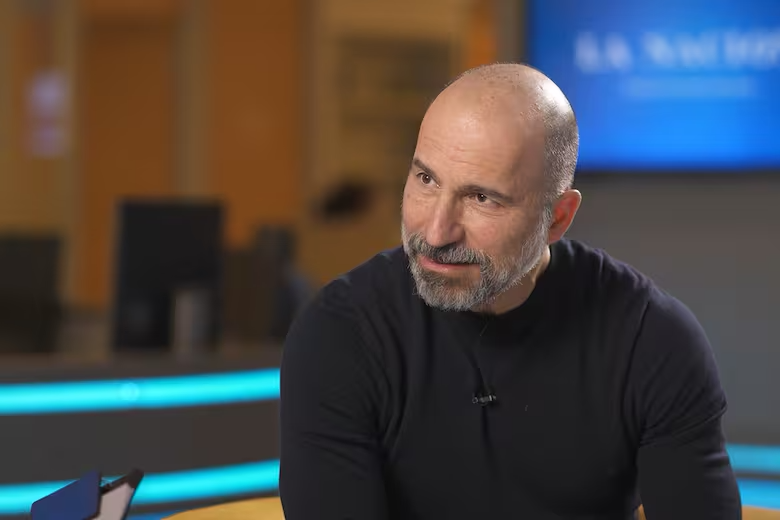
The CEO also highlighted concrete operational improvements that strengthen the company's ecosystem: the incorporation of taxis, which already represent almost a third of trips in Buenos Aires, agreements with airlines and airports, and an increasingly integrated service. All this, framed in an optimistic vision: “It's a country that has a lot of success ahead of it and we want to be part of that success