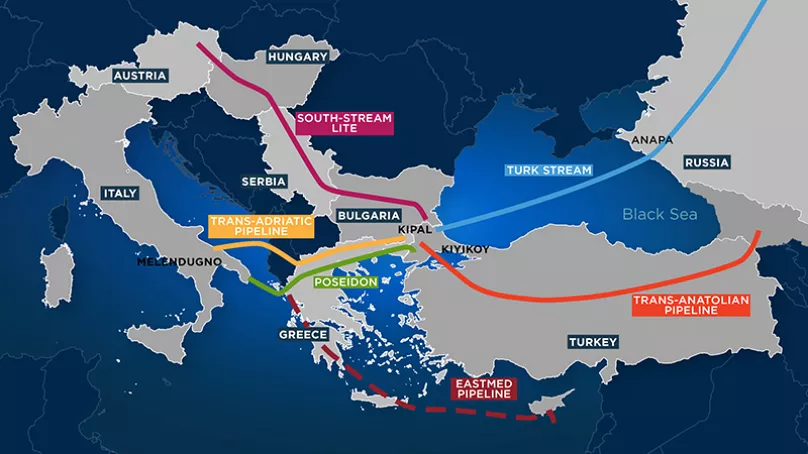

An attempt to sabotage a key energy infrastructure in Central Europe set off political and security alarms a few days before the elections in Hungary. The discovery of high-power explosives in Serbia, near a strategic gas pipeline, raised concern both for their regional implications and for their possible impact on the Hungarian
electoral scene.The incident took place near the town of Kanjiza, near the border with Hungary, on a stretch linked to the TurkStream system, which transports Russian gas to Europe. The Hungarian Prime Minister, Viktor Orbán, reported that he was notified of the discovery by the Serbian president, Aleksandar Vucic, who explained that the authorities found an explosive device of “devastating power” together with the equipment necessary for its detonation
.Although so far, no perpetrators have been identified or images of the device have been released, the episode caused a rapid reaction in both countries. Orbán convened a national defense council to assess the situation and warned that there are signs of a possible act of sabotage in preparation. In parallel, Serbia and Hungary reinforced security around the gas pipeline to prevent new incidents
.
The context in which this finding occurs is particularly delicate. Hungary will hold national elections on April 12, in which Orbán seeks to extend his stay in power after more than 16 years of government. However, his leadership faces a growing challenge from the opposition led by Peter Magyar, intensifying the political burden of the episode
.Opposition groups raised doubts about the nature of the incident. Some voices suggested that the event could be used for electoral purposes to reinforce the government's security discourse. A former Hungarian intelligence official, quoted by international agencies, even mentioned the possibility of a “false flag” operation, although without providing conclusive evidence