The Ministry of Commerce noted that the researchers concluded in their “final determination” that the Chinese industry in the sector was harmed by dumped imports. The authorities maintain that the measures seek to restore conditions of “fair competition” in the domestic market
China announced the imposition of anti-dumping tariffs of up to 30.1% on imports of halogenated butyl rubber from Canada, Japan and India, after concluding an investigation initiated in 2024 into alleged dumping practices, the Chinese Ministry of Commerce reported on Friday.
The measure will take effect on March 14 and will remain in effect for five years. According to the ministry, the investigation determined that imports at allegedly low prices caused “material damage” to the domestic industry, also establishing a causal link between the dumping and the injury
suffered by Chinese producers.
According to the final resolution, imports from Canada will be subject to an anti-dumping duty of 13.8%. In the case of Japan, most companies will face a tax of 30.1%, while the company Japan Butyl will have a lower rate
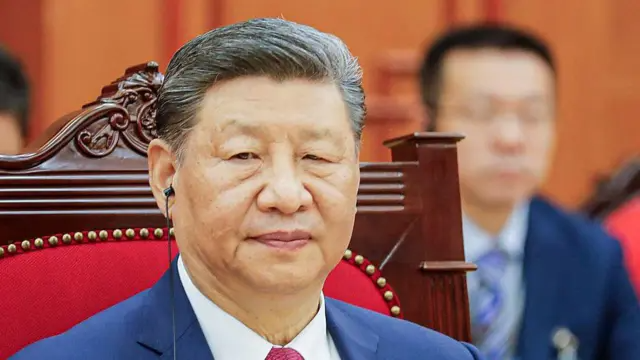
of 15%. The communist regime of Xi Jinping accuses Japan, India and Canada of engaging in dumping
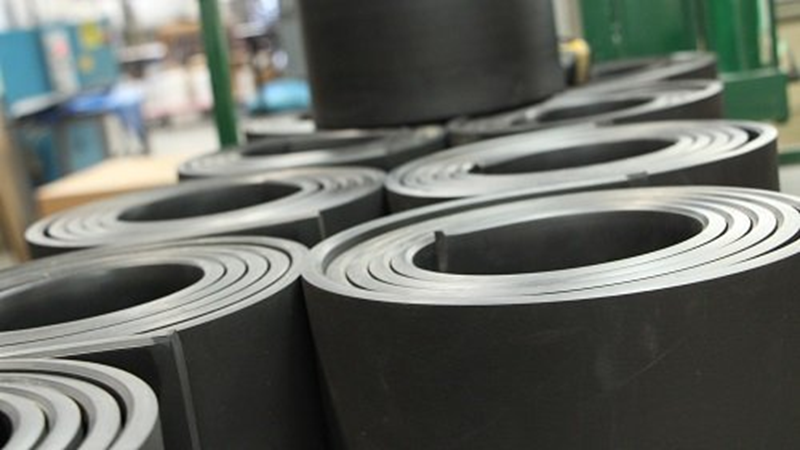
Halogenated butyl rubber is a key input for several industries, especially for the manufacture of inner liners for tires, hoses and other industrial rubber products. It is also used in some pharmaceutical products because of its resistance to air and chemical substances
.
However, the decision could generate questions and trade tensions. Some analysts have pointed out that China's use of anti-dumping tariffs reflects a growing trend towards protectionism in international trade, especially in sectors considered strategic for the
domestic industry. Halogenated butyl rubber is an essential component for tire production and the pharmaceutical industry
It has also been argued that the measure is contradictory in a context in which several trading partners have accused China of distorting global markets through state subsidies and aggressive industrial policies in sectors such as steel, solar panels and electric
vehicles.
The new tariffs could affect trade relations with countries such as Canada and Japan, in addition to generating disputes within the framework of the World Trade Organization (WTO). There is also concern about the impact that these measures may have on global supply chains, given that halogenated butyl rubber is an important component for the automotive industry and
other manufacturing sectors.
In this context, Beijing's decision adds to a series of trade measures adopted by different economies in recent years, reflecting a global environment increasingly marked by trade and political disputes aimed at protecting domestic industries.
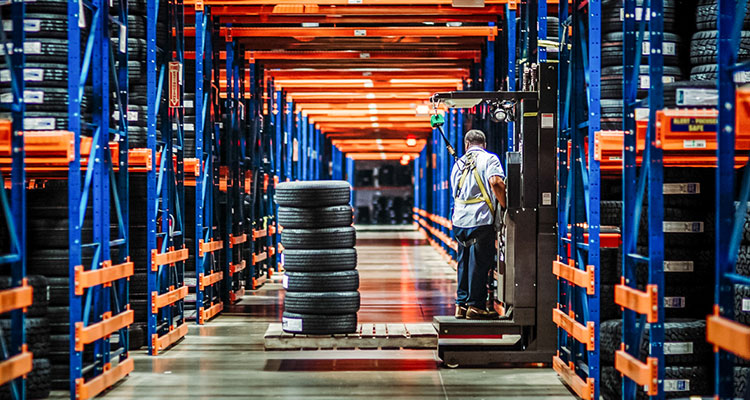
Supply chains could be at risk with recent measures taken by Xi Jinping