The exchange of accusations has deepened the diplomatic crisis between the two countries, which were already going through a period of tense relations. Some sectors of the Israeli government have even considered the possibility of completely breaking diplomatic ties with Turkey, which would mark an unprecedented deterioration in
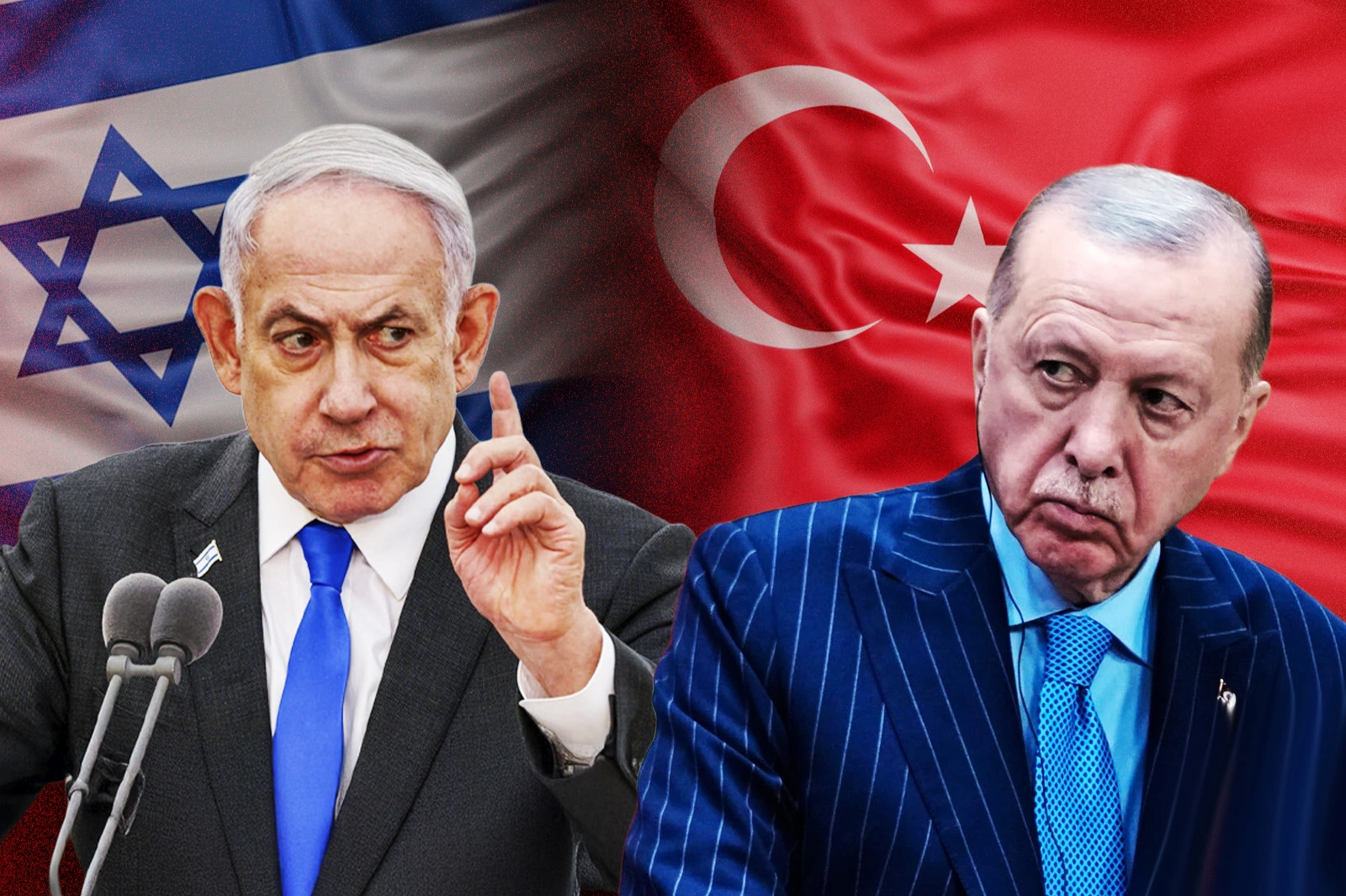
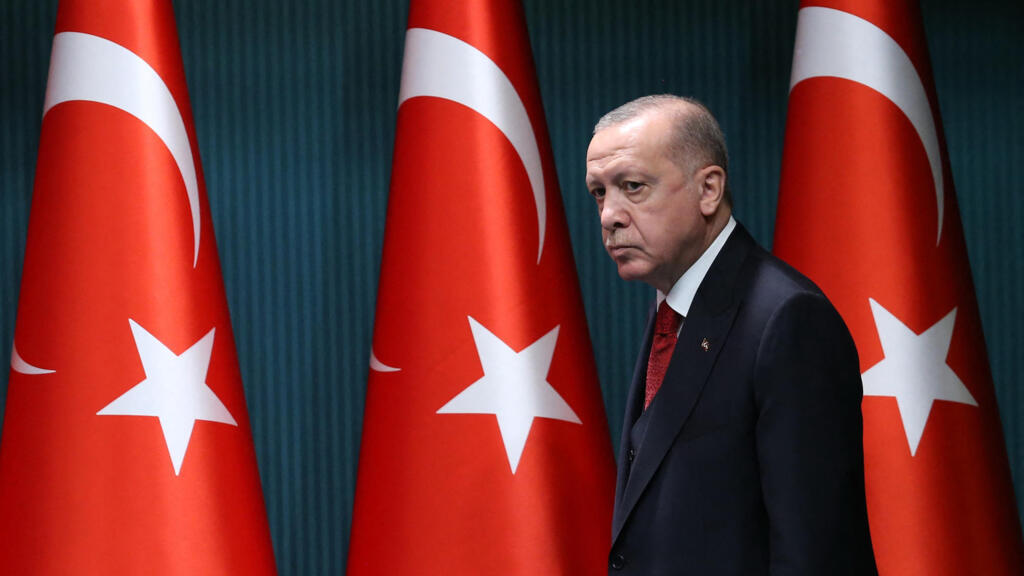
Last Sunday, the President of Turkey, Recep Tayyip Erdogan, launched a direct threat of military intervention against Israel, intensifying tension in the Middle East and generating strong international criticism because of the confrontational tone of his statements. The president assured that Ankara could act “as it did in Libya and Nagorno-Karabakh”, referring to past military operations, which has been interpreted as an alarming
sign of escalation.
Erdogan's statements come in a context of growing regional instability, aggravated by the collapse of talks between the United States and Iran. The Turkish leader suggested that his country could have considered more immediate military action if such negotiations had not been ongoing, thus linking his rhetoric to the evolution of the diplomatic crisis. In addition, he accused Israel of committing “atrocities” inLebanonand Palestine, using extremely harsh language when describing the Israeli State as a “network of genocide
”.
These statements have been widely questioned by analysts and international leaders, who consider that Erdogan's speech lacks balance and contributes to exacerbating an already volatile scenario. The use of very serious accusations without a clear diplomatic framework has been seen as a political maneuver that prioritizes confrontation over the search
for solutions. The President of Turkey issued very harsh threats against Israel and assured that it could intervene in the Middle East conflict
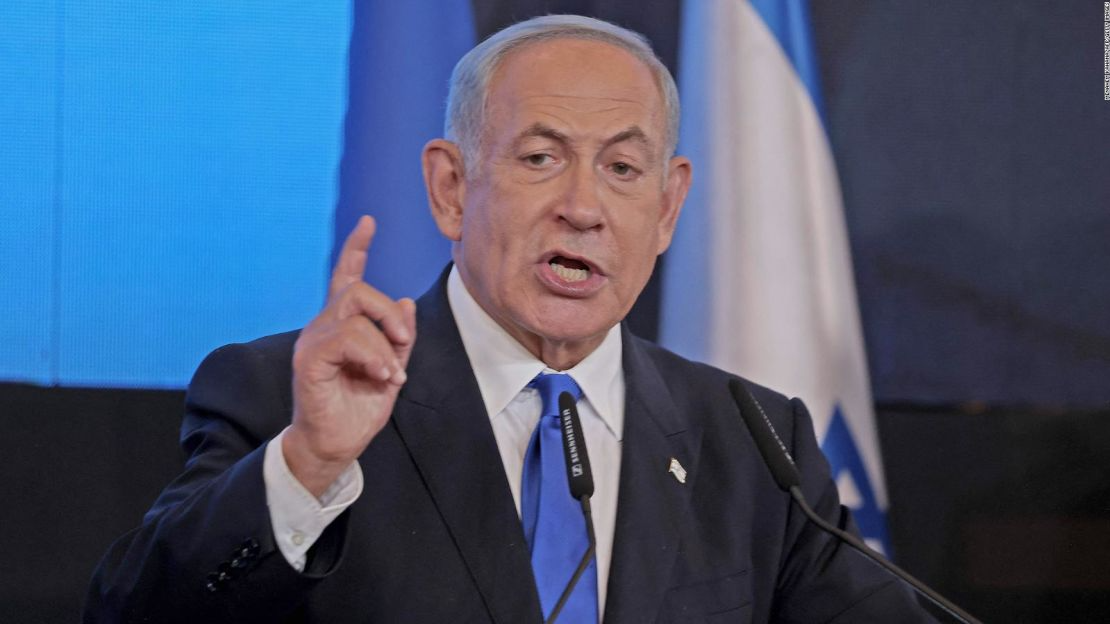
Israel's reaction was immediate. Prime Minister Benjamin Netanyahuresponded harshly, accusing Erdogan of hypocrisy and questioning his human rights record, particularly in relation to the Kurdish population. Other Israeli officials were even more forceful, calling the Turkish president a leader with expansionist ambitions and criticizing his rhetoric as provocative and irresponsible
the bilateral relationship.
Beyond the conflict with Israel, Erdogan's statements have rekindled concerns within NATO, an alliance of which Turkey is a part. In recent years, Ankara has shown an increasingly independent foreign policy, sometimes in open contradiction with its Western allies. Its ties with Russia, its diverging positions on Iran and its support for certain regional actors have generated constant friction within
the block. Benjamin Netanyahu immediately responded, assuring that the Erdogan regime has no respect for human rights.
In this context, the threat of unilateral military action against Israel reinforces the perception that Turkey is moving away from NATO's strategic consensus. Analysts warn that such positions not only weaken the internal cohesion of the alliance, but also complicate international coordination in the face of crises in the
Middle East.
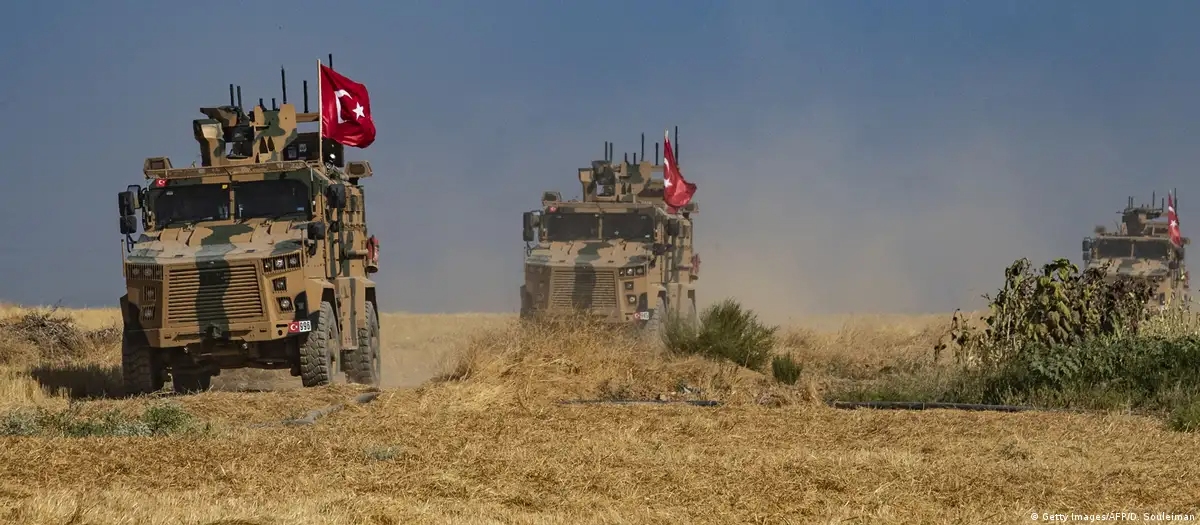
Another aspect that has generated concern is Erdogan's reference to past interventions as a model to follow. The operations in Libya and Nagorno-Karabakh have been the subject of international controversy, and their mention as valid precedents for future military actions has been interpreted as a sign that Ankara could once again resort to the use of force as a main foreign policy
tool.
Overall, the verbal escalation promoted by Erdogan has been harshly criticized for its destabilizing potential. Far from contributing to the reduction of tensions, his statements seem to deepen divisions and hinder ongoing diplomatic efforts. For many observers, the Turkish president's approach reflects a risky strategy that could further isolate his country on the international stage and aggravate the already complex situation in the
region. Erdogan used the precedent of Turkish intervention in Libya to threaten Israel