The controversy over the final of the African Cup of Nations continues to add chapters. More than two months before the final match in Rabat, both Senegal, which won 1-0 on the court, and Morocco, which allegedly won the administrative victory” inappearance”, they claim to be champions. In this regard, in the last few hours, the French portal Le Monde released unpublished reports on the development of the duel
.
The controversies in the previous
one
According to the research, one of the most sensitive issues was the logistics of the Senegalese delegation. The equipment was reportedly moved to accommodations that did not meet the expected standards, causing discomfort and suspicion
of unequal treatment.
Added to this was the decision to place Senegal in the same training complex as Morocco. This coincidence raised alarms about the confidentiality of the tactical preparation and raised questions about the neutrality of the organization
. Senegal accuses Morocco of possible espionage
Along the same lines, aspects such as security deficiencies, uneven ticket distribution and even cases of food poisoning affecting three Senegalese soccer players were also revealed
.
The appointment of the referee and his version of the “abandonment”
On the
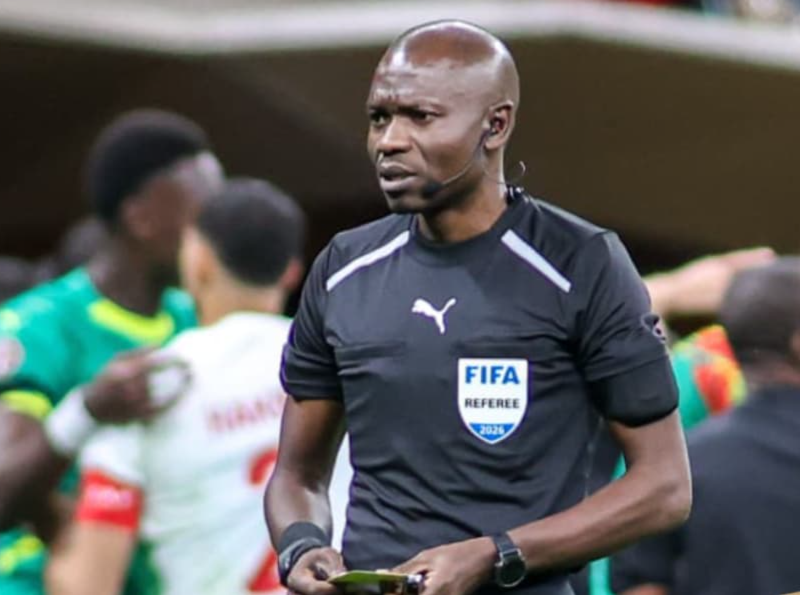
other hand, the appointment of referee Ngambo Ndala generated controversy even before the match. Senegal had requested his challenge because of a conflicting background. Even the disciplinary report of the African Football Confederation (CAF) acknowledged that the previous context “was not reassuring” and that no measures were implemented to
prevent an escalation of tensions.
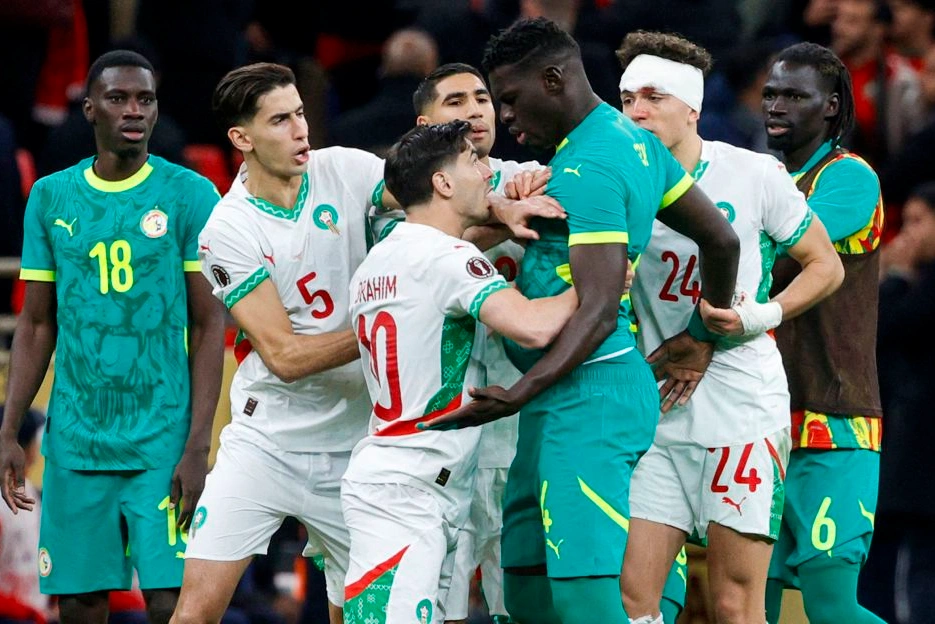
During the game, those doubts deepened. The Le Monde investigation points to controversial arbitration decisions, such as the cancellation of a goal against Senegal and the collection of a penalty in favor of Morocco. The breaking point came when Senegalese soccer players temporarily left the field in protest
. The Congolese Ngambo Ndala was the referee of the controversial final
One of the strongest information in the report shows that the Congolese referee mentions that "in the 97th minute, there was a temporary interruption of the game”. In addition, it specifies that the game was temporarily stopped and that it resumed only after approximately 12 minutes of pause. This precision is key, since it states that it was a temporary suspension of the meeting, without a definitive interruption or formal abandonment
.
According to the report, the referee would have received "institutional instructions" not to apply disciplinary sanctions at that time, in order to prevent the game from overflowing, which increased suspicions of manipulation.
The origin of the controversy and the contradictions of the CAF The
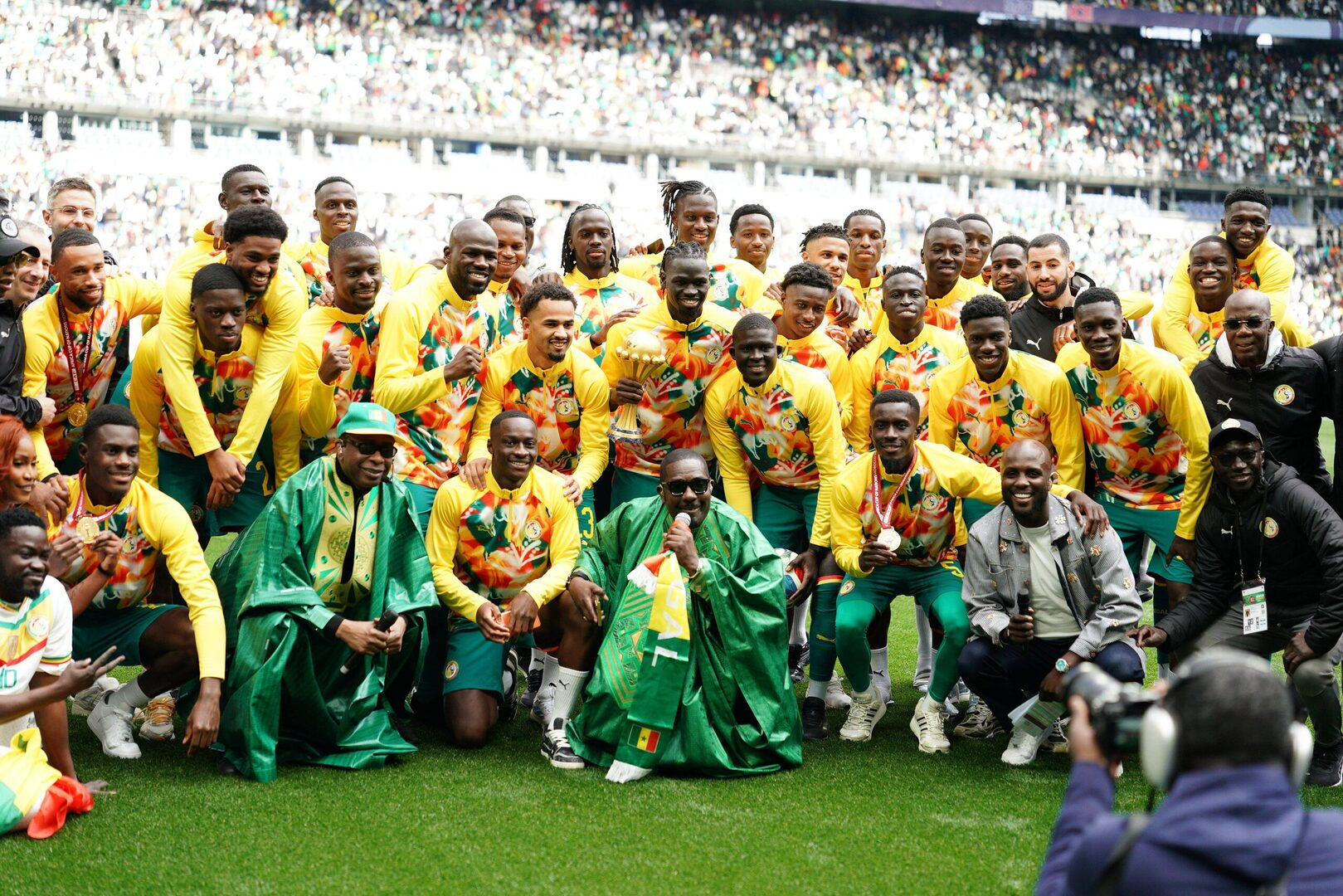
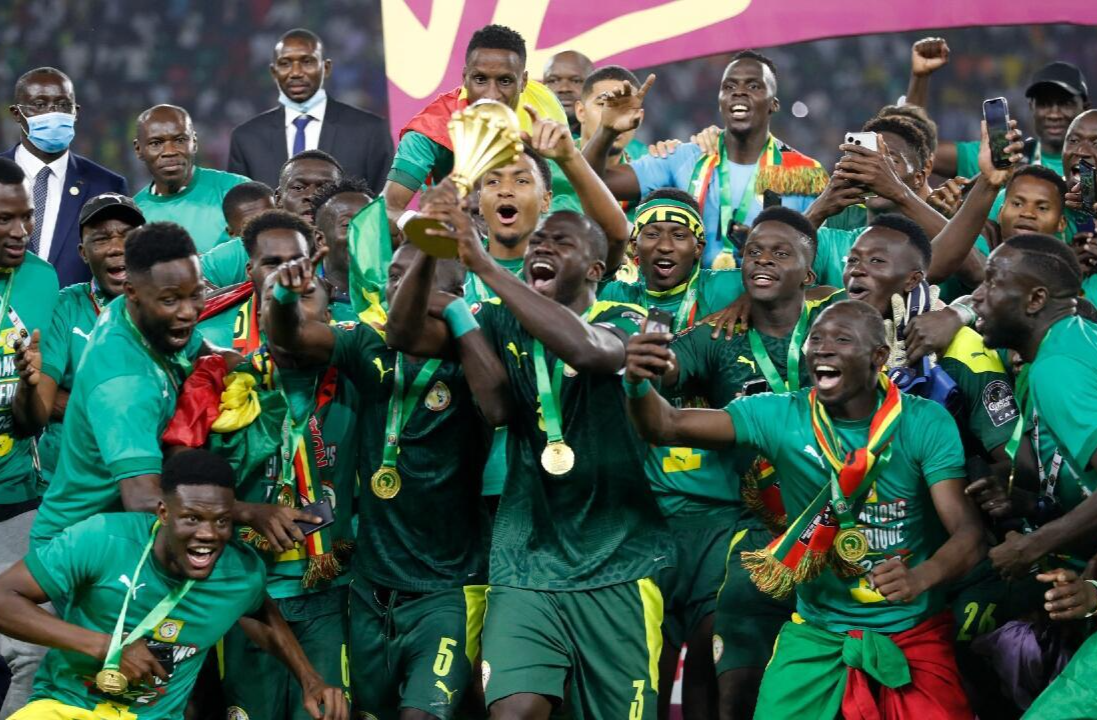
episode that triggered the conflict occurred in the final minutes of the final, when a penalty sanctioned in favor of Morocco generated a protest from the Senegalese squad and their subsequent momentary withdrawal from the field. After a few minutes, the match resumed, the penalty was saved, and Senegal ended up winning the scoreboard later, thus giving it the continental title
.
However, two months after the final, a CAF ruling reversed the sporting result that had favored Senegal in the extension and gave up the match 3-0, making Morocco champion. According to the resolution, Senegal violated articles 82 and 84 of the regulations, labeling the episode as "administrative inappearance
”. CAF gave up the final against Senegal due to “administrative inappearance”
The decision also exposed strong contradictions within the body: in the first instance, the disciplinary committee had validated Senegal's court victory, albeit with economic and sporting sanctions. The CAF even transferred the champion prize, 10 million dollars, to the Senegalese team before
reversing its position.
The change in judgment sparked a major crisis. From Senegal, they reported having been victims of "the most flagrant administrative robbery" in their history, while the case escalated
to legal proceedings.
After confirming the decision, the Senegalese Football Federation confirmed that it will appeal the sanction to the Court of Arbitration for Sport (TAS), in Lausanne, with the aim of reversing the decision and restoring the result obtained on the court.