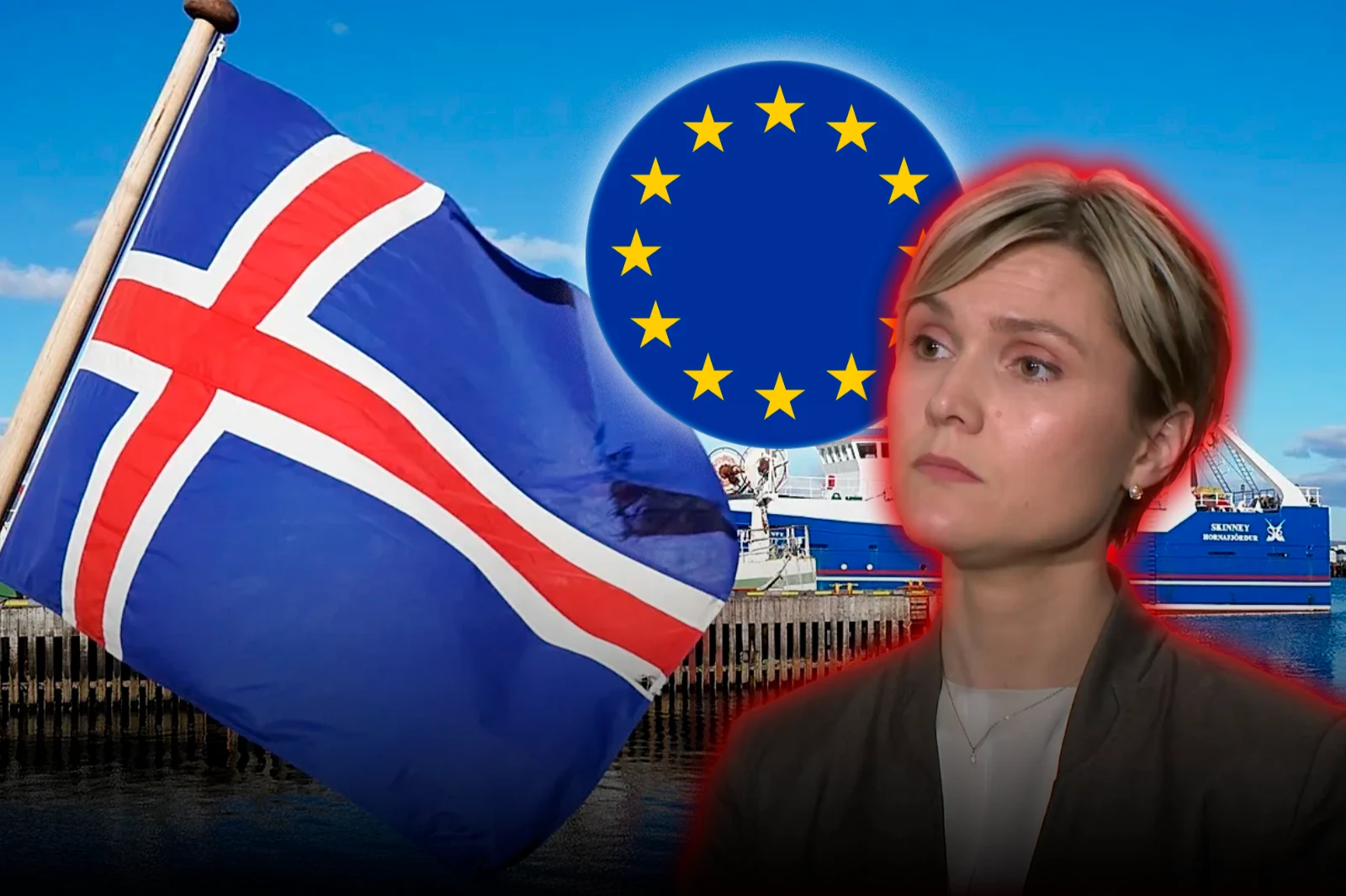











The opposition rejects that interpretation and argues that Brussels cannot solve Iceland's internal problems. For those against accession, economic difficulties must be addressed by Icelandic politicians themselves and not through a transfer of powers to the EU.
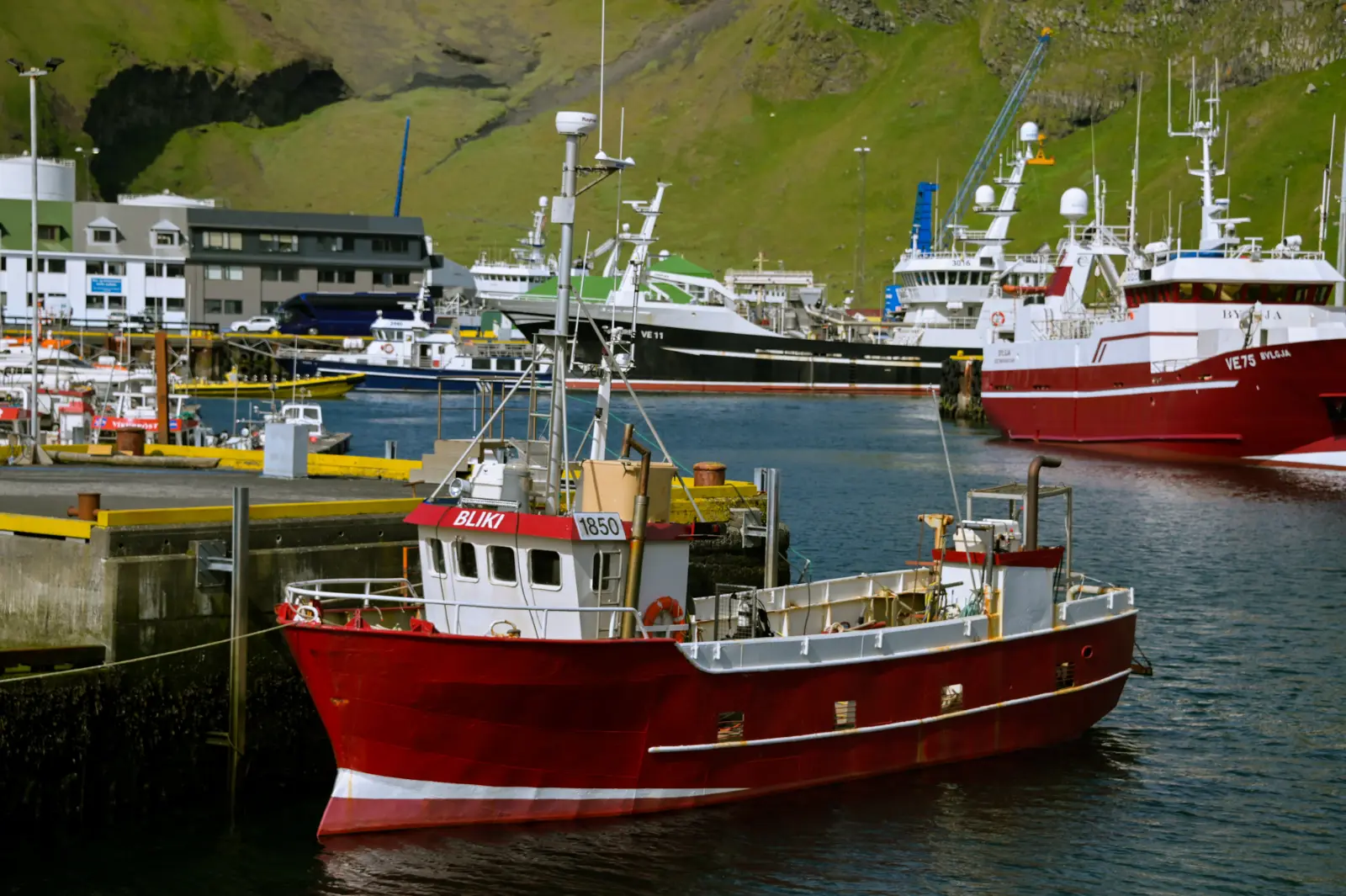
Fishing constitutes another major point of conflict. European regulations establish criteria for distributing fishing quotas, while advocates of remaining outside the bloc fear losing control over national waters. Those supporting negotiations believe that Iceland could maintain a favorable position since other EU countries have hardly fished in its waters for decades.
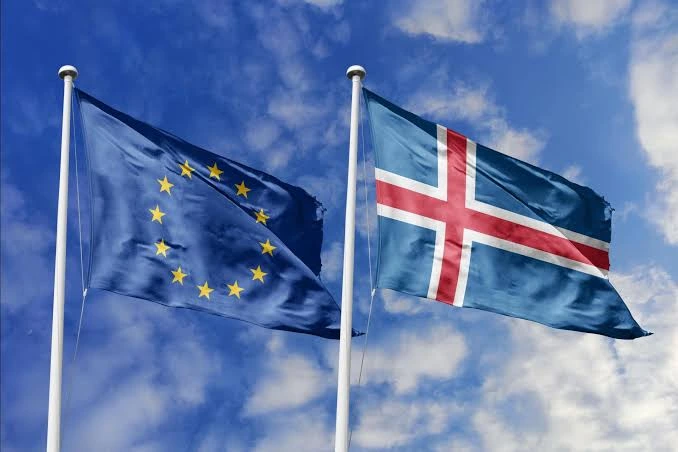
The referendum, moreover, will not directly decide on accession to the European Union. A 'yes' victory would only authorize the government to reopen negotiations with Brussels. Subsequently, likely several years later, Icelanders would have to vote again to decide whether to accept becoming actual members of the bloc.
According to a document from the Ministry of Foreign Affairs, talks could begin towards the end of 2026 and last between 18 and 24 months if citizens support their reopening. The timeline will also be conditioned by the upcoming general elections, which must be held no later than November 2028.
Polling stations will open at 9 a.m. and close at 10 p.m. across the country, which has a population of around 400,000 inhabitants. The result will determine whether Iceland takes a new step towards European integration or maintains, for now, its traditional distance from the bloc.