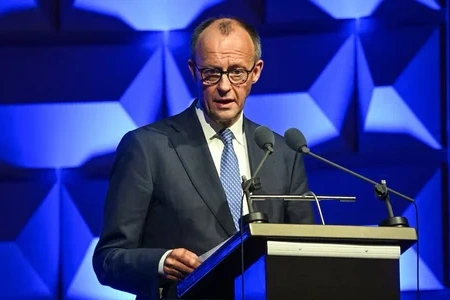
German Chancellor Friedrich Merz said on Monday that Ukraine could be forced to accept the loss of part of its territory as part of a possible peace agreement with Russia, in statements that revive the debate on the conditions for ending the conflict and the European future of Kiev
.
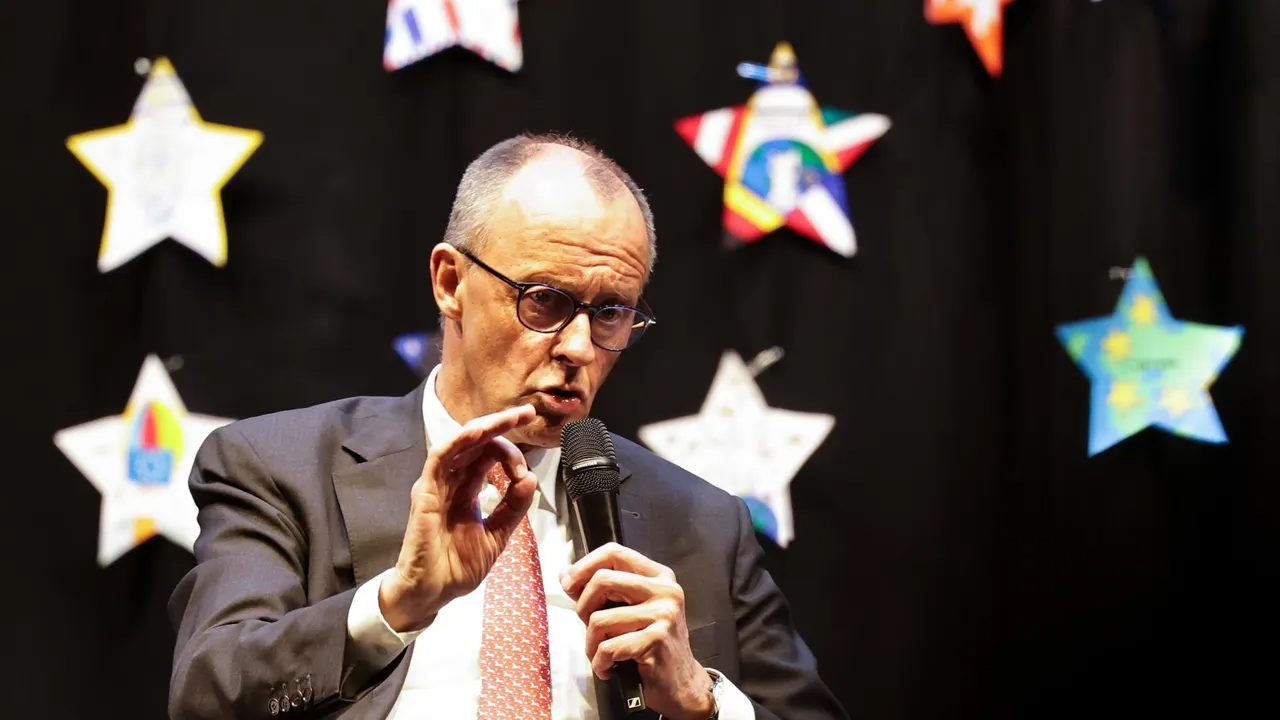
During a meeting with students in the town of Marsberg, in the state of North Rhine-Westphalia, Merz noted that, over time, it will be necessary to reach a ceasefire and then a peace treaty between the two nations.
“Let's hope that at some point there will be a peace agreement with Russia. Then, possibly, part of the territory of Ukraine will no longer be Ukrainian,” said the foreign minister, implicitly recognizing the complexity of the current scenario on the ground
.
Russia currently controls about 20% of Ukrainian territory and has made the cession of more areas, especially in the Donetsk region, a condition for an agreement. Faced with this, Ukraine has repeatedly rejected any surrender of territories under its control and has defended the idea of a ceasefire based on current front lines
. The German chancellor assured that Ukraine will have to make territorial cessions if it wishes to join the European Union
Merz stressed that any decision of this magnitude should have democratic support within Ukraine. In that regard, he stated that President Volodymyr Zelenski would have to submit a possible territorial cession to a referendum. However, he added that in order to achieve citizen support, it would be key to offer a clear counterpart: firm progress towards membership of the European Union
.
“If Zelensky wants to get a majority for such a decision, he must be able to tell his people: 'I have opened the way to Europe for you, '” Merz explained. In this way, the German chancellor proposed a direct relationship between possible territorial concessions and the European integration of Ukraine, in what many analysts interpret as a pragmatic approach to unlocking a conflict that has been going on for more than two years.
However, Merz was also cautious about membership times. Although Ukraine obtained the status of a candidate country for the European Union in 2022, the foreign minister ruled out that it could become a full member in the short term. He considered a possible incorporation in 2027 or even in 2028 “unrealistic”, pointing out that Kiev must still meet strict requirements in terms of the rule of law, the fight against corruption and institutional stability, in addition to resolving the armed conflict
in its territory.
As an alternative, he proposed intermediate measures that would progressively bring Ukraine closer to the community block, such as granting it observer roles in different European institutions. These initiatives, he said, have significant support among European leaders, who seek to maintain political commitment to Kiev without generating unfeasible expectations in the short term
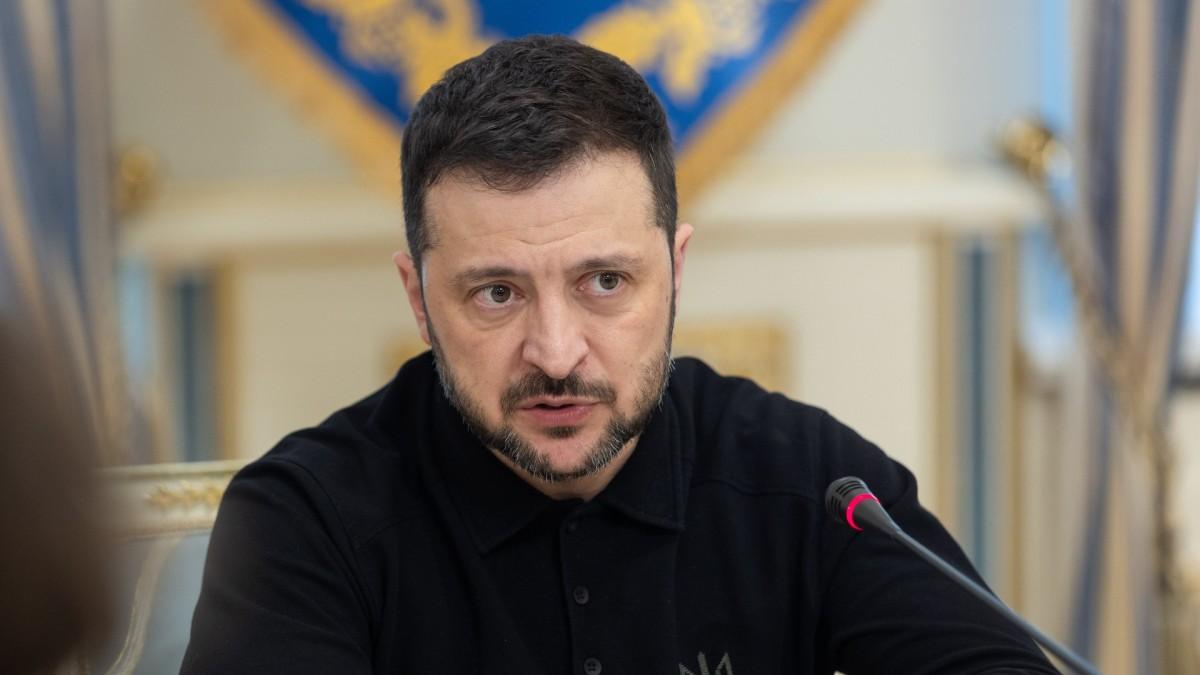
. In response to Merz's statements, Zelesnki assured that Ukraine is not willing to give up territories
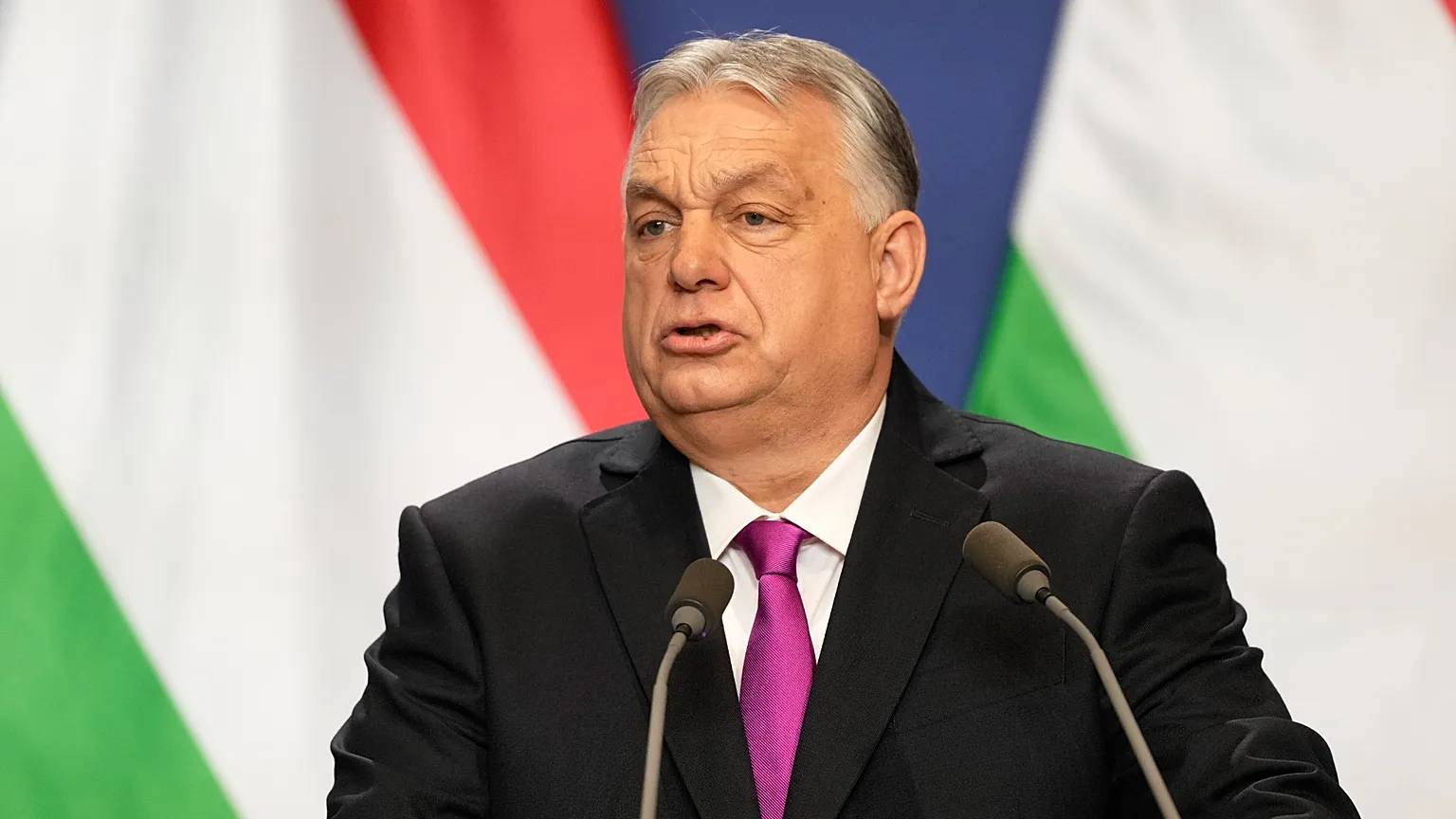
The political context within the European Union has also influenced the debate. For months, Ukraine's accession process was blocked by then-Hungarian Prime MinisterViktor Orban, who was opposed to moving forward in negotiations
.
For his part, Zelenski has reiterated that Ukraine is not willing to give up territories under its control and has insisted that any such decision should be taken directly by the Ukrainian people. The president also warned that the conflict transcends the borders of his country. “Russia wants our territory to be able to advance over others,” he said in a recent message, stressing the impact that a possible agreement would have on regional security
.
In parallel, Ukraine has asked its European partners to define a clear and concrete road map for their accession, rejecting proposals for partial integration. Although the European Union recently approved an important financial assistance package to sustain the country until 2027, internal divisions persist over the speed and conditions of
the enlargement process. For many years, Orbán stopped the process of integrating Ukraine into the European Union