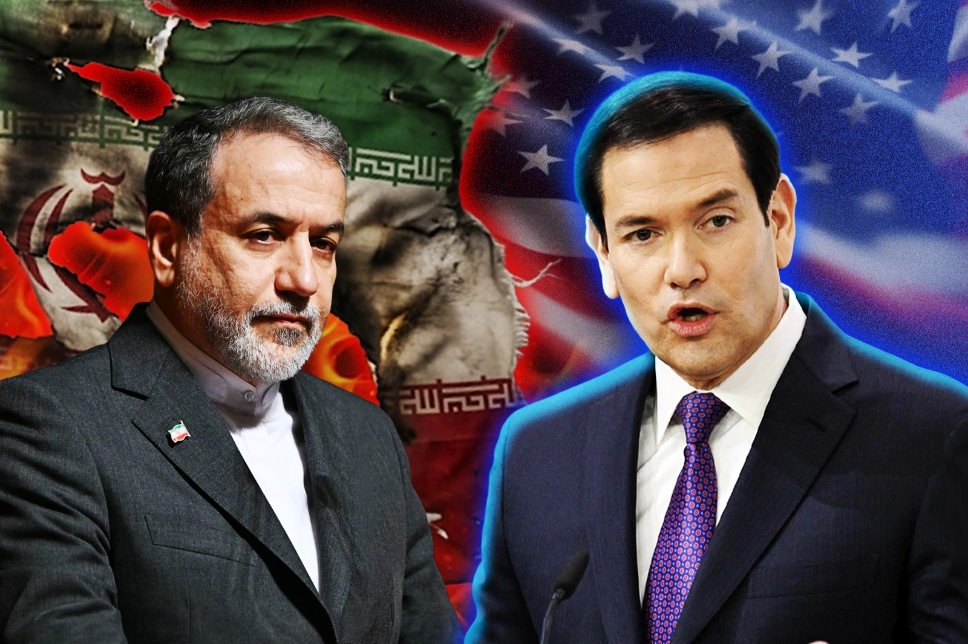

The Secretary of State of the United States, Marco Rubio, rejected on Monday the proposal submitted by Iran to reopen the Strait of Hormuz, considering that it does not imply a genuine opening but an attempt to impose political and economic control over one of the most strategic shipping routes in the world. The decision deepens the diplomatic blockade between the two countries in the midst of a conflict that has been going on since the end of February
.During a television interview, Rubio questioned the terms proposed by Tehran, which he explained contemplate allowing maritime transit only under Iranian authorization, with mandatory coordination and possible tariffs. “That's not opening the strait,” said the official, who warned that accepting these conditions would amount to legitimizing a system in which Iran decides who can travel internationally. For Washington, this approach reinforces concern that the Iranian regime seeks to use its geographical position as a tool of
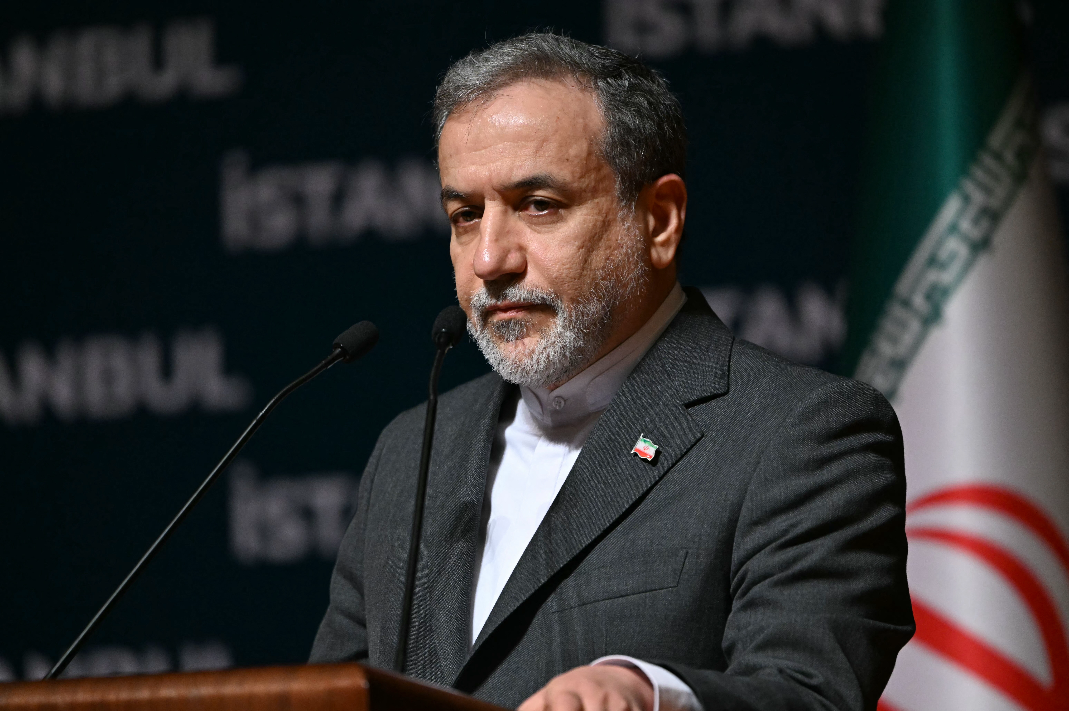
global pressure.The proposal was transmitted by Iranian Foreign Minister Abbas Araqchi through mediators in Pakistan. According to diplomatic sources, it included the reopening of the strait and a possible end to hostilities, but without addressing the Iranian nuclear program, considered the central point of the conflict by the United States. In exchange, Tehran demanded the lifting of the naval blockade imposed by Washington
on its ports.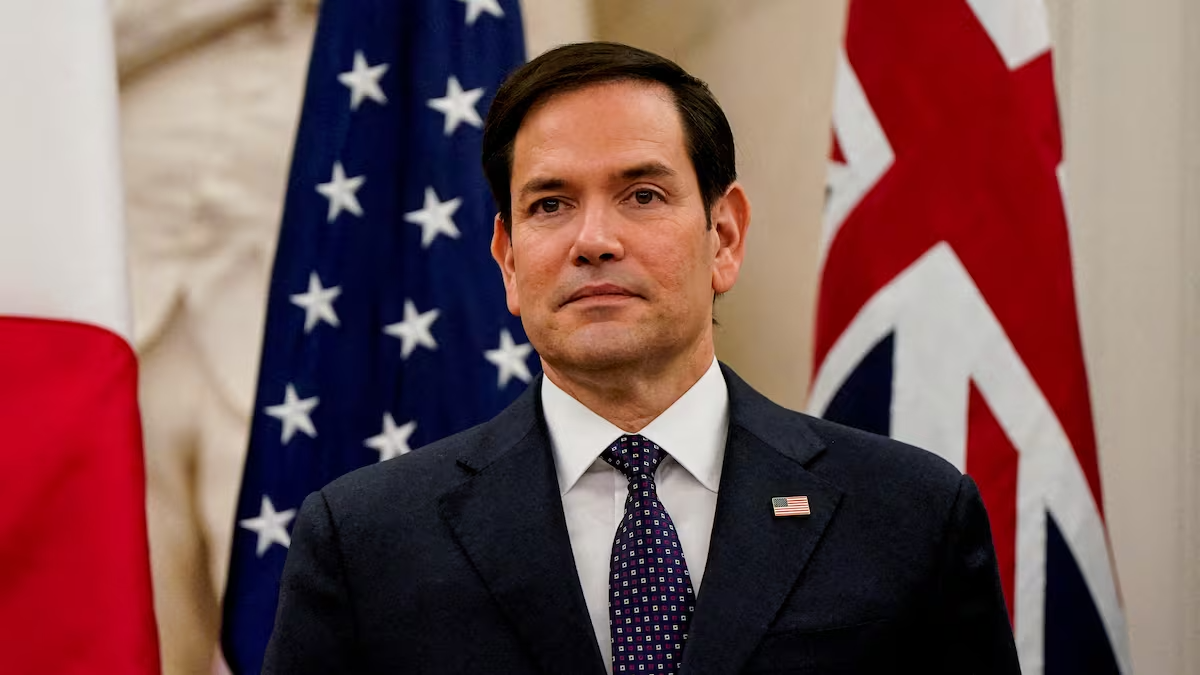
Since the administration of President Donald Trump, the proposal was discarded even before entering into formal negotiation. Rubio stressed that any lasting agreement must include verifiable guarantees that Iran will not develop nuclear weapons. “We cannot allow them to get away with it,” he said, accusing Tehran of using negotiations as a strategy to buy time without giving up
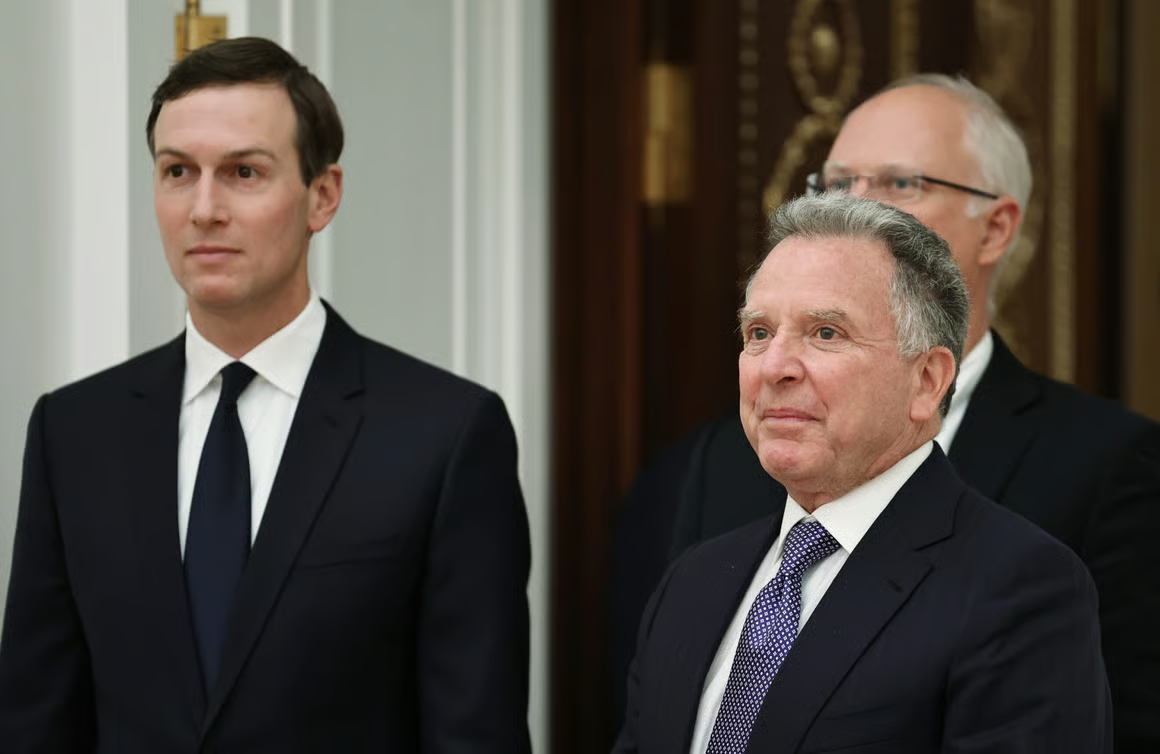
its strategic objectives.In this context, Trump decided to cancel the trip of his envoys, Steve Witkoff and Jared Kushner, to Islamabad, where a new round of talks was scheduled. Although the president later mentioned the existence of a “better” proposal by Iran, he reiterated that any definitive agreement must contemplate the complete dismantling of the Iranian nuclear program, a condition that the Iranian government
has repeatedly rejected.Meanwhile, Araqchi left Pakistan and continued his diplomatic agenda in Oman before traveling to St. Petersburg, where he held meetings with President Vladimir Putin. This approach reflects the support that Iran receives from Russia and China, countries that have criticized U.S. sanctions and seek to counteract Washington's influence in the