The secretary general of the alliance, Mark Rutte, has indicated that the organization could play a role in the region if its members manage to agree on a joint mission. However, the absence of a clear agreement at present limits the block's ability to respond effectively to the crisis, leaving the United States practically alone in implementing the blockade.
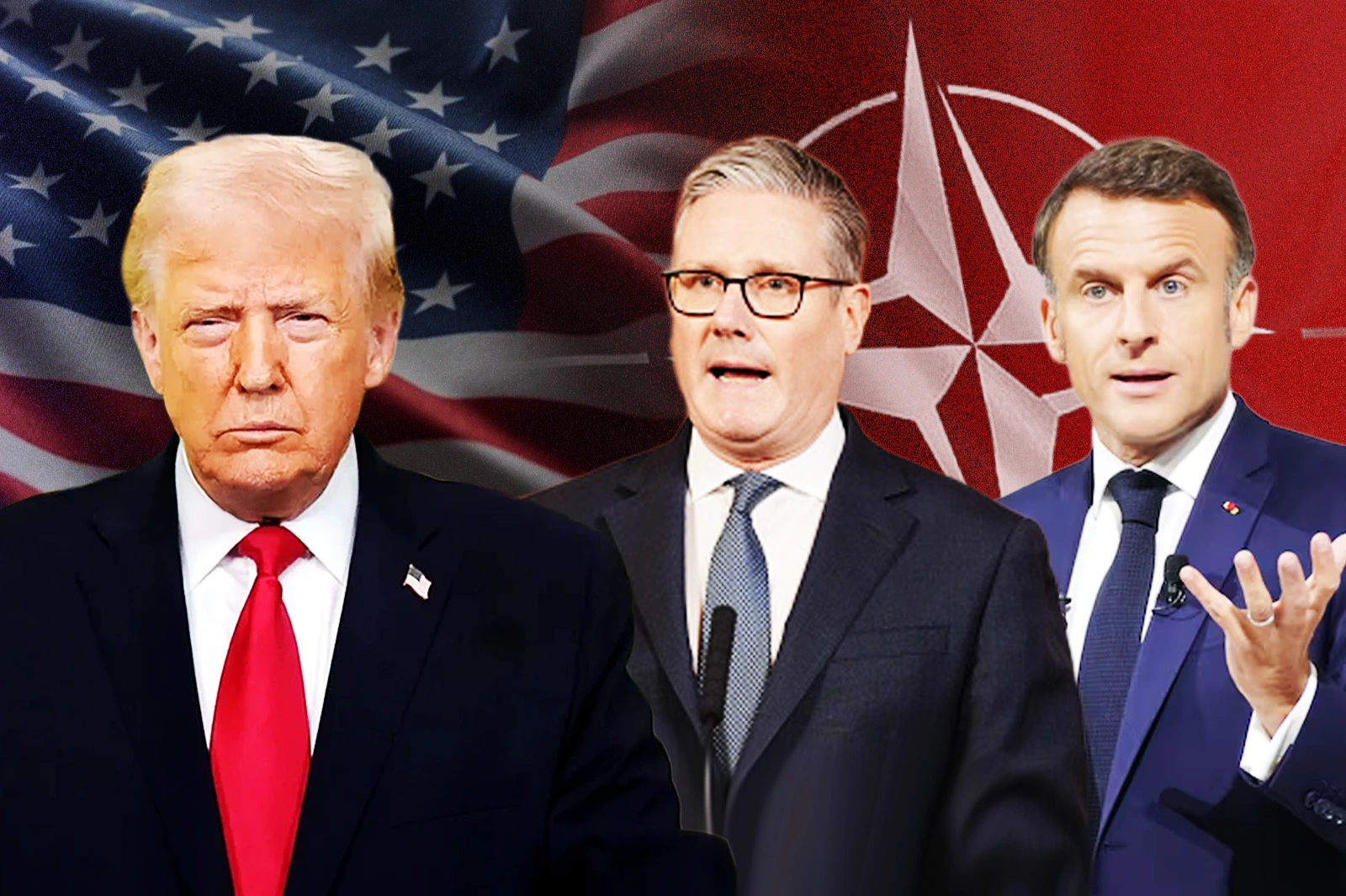
NATO allies have decided not to get involved in U.S. President Donald Trump's plan to impose a naval blockade on Iranian ports, marking a new and significant fracture within the Atlantic alliance in the midst of the conflict with Iran. The refusal of key countries such as the United Kingdom and France to participate in the operation has generated tensions with Washington and has called into question the bloc's joint capacity to respond to strategic threats.
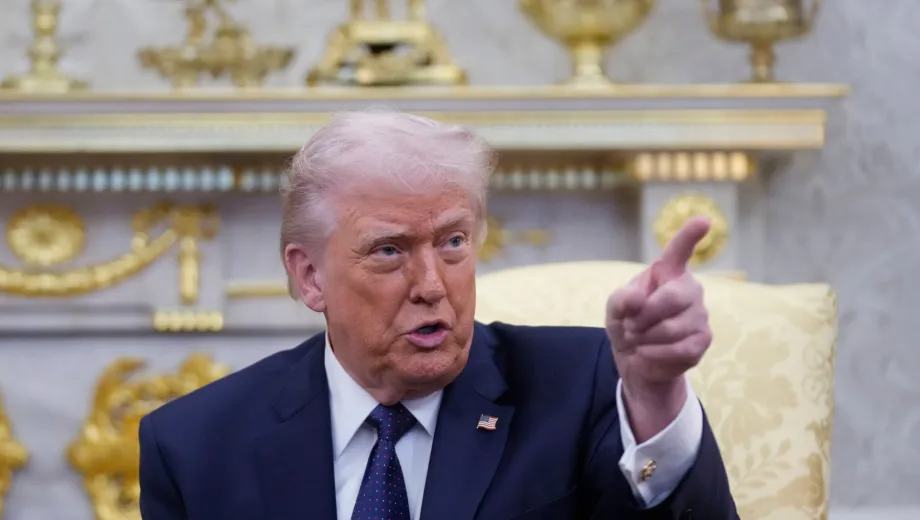
The measure promoted by Trump seeks to prevent the transit of vessels to and from Iran, in an attempt to weaken its influence in the Strait of Hormuz, a crucial maritime route through which about 20% of the world's oil circulates. The US president has warned that any Iranian ship that defies the blockade will be eliminated by military forces, underlining the firmness of his strategy to contain Tehran and guarantee security in a key region for the global economy
.
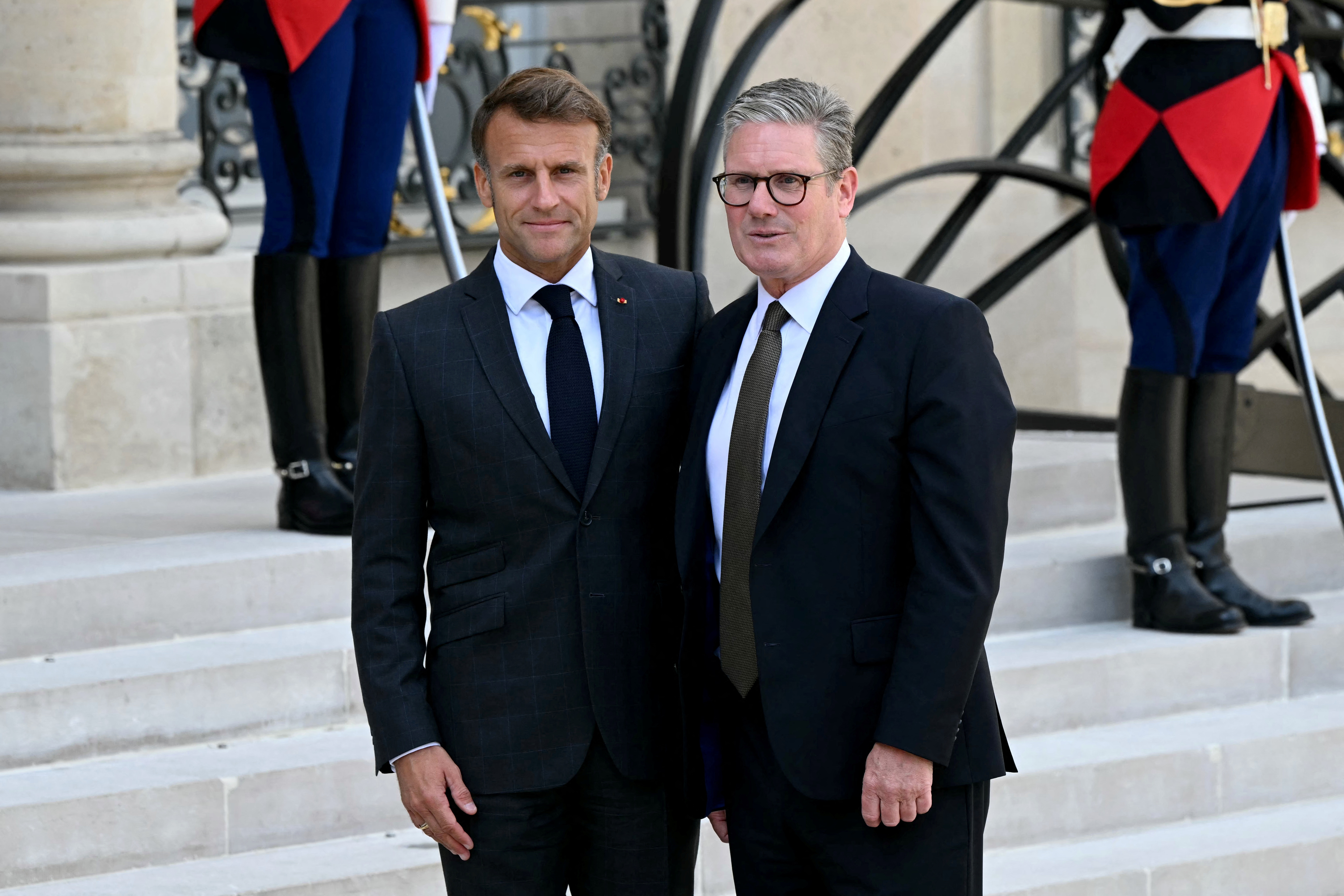
However, European leaders have opted for a more cautious stance. British Prime Minister Keir Starmer made it clear that his government will not support the blockade, despite recognizing considerable pressure to do so. Along the same lines, French President Emmanuel Macron announced the organization of an alternative initiative that contemplates a multinational mission to protect navigation, but only once hostilities cease
. President Donald Trump assured that any vessel that attempts to break the naval blockade against Iran would be destroyed
This response has been perceived by many as insufficient in the face of the seriousness of the current situation. While the United States takes the lead with concrete actions aimed at curbing the Iranian advance, several allies seem reluctant to commit at the most critical moment, prioritizing future diplomatic solutions rather than immediate measures. This lack of alignment reinforces the image of a fragmented NATO with difficulties in acting in a coordinated manner
From Washington's perspective, the operation not only responds to national interests, but also to the need to protect international trade and prevent Iran from consolidating its control over the strait. In that sense, Trump's decision can be interpreted as an attempt to exercise firm leadership in defense of global stability, in the face of what he considers to be a direct threat to strategic balance
. The governments of France and the United Kingdom categorically rejected the possibility of establishing a blockade on Iranian ports to ensure free navigation
On the contrary, the European position has been the subject of strong criticism because of its reactive nature. The proposal to intervene only after the end of the conflict could allow Iran to strengthen its position in the region, hampering future actions to restore free navigation. In addition, the lack of immediate support for the blockade could send signs of weakness to other international actors.
In this context, the divergence between the United States and its European allies not only complicates the management of the current crisis, but also raises questions about the future of NATO as a cohesive alliance. While Washington is moving forward with a clear and decisive strategy, Europe seems to choose prudence, even at the risk of losing influence in an increasingly volatile geopolitical scenario