The Nordic country is in the eye of the storm after a funding plan has been discovered in Chile for indigenous communities, affecting the salmon farming industry.
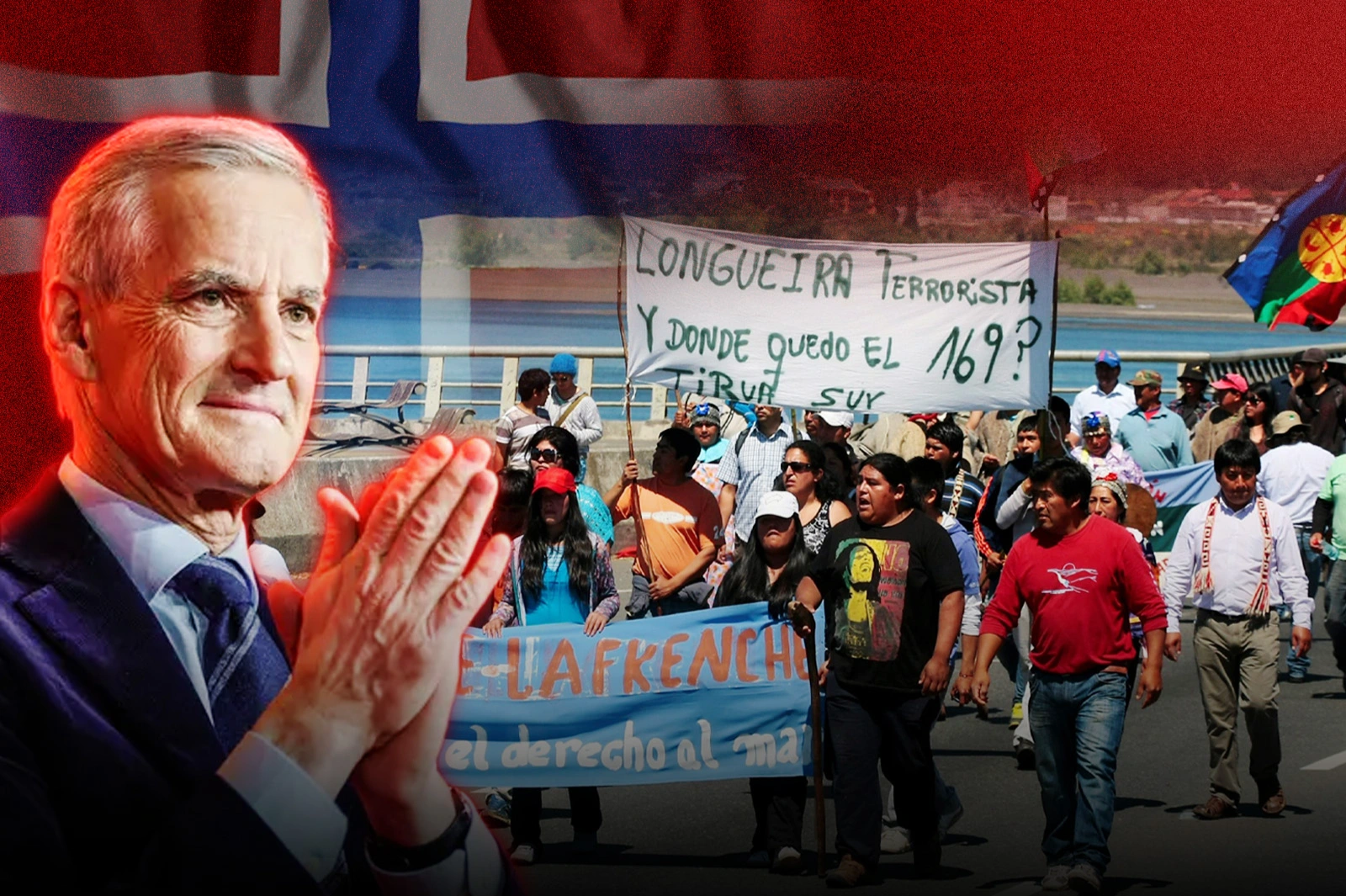
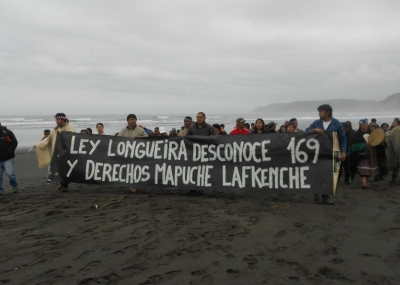
A major controversy over foreign funding for indigenous communities in southern Chile escalated strongly in Congress after a report revealed the transfer of more than 500 million dollars from Norway to Lafkenche organizations, through the NGO “Norwegian People's Aid”. The focus of the controversy was the use of these resources, which would have served to promote requests for Indigenous Peoples' Marine Coastal Spaces (ECMPO), a figure contemplated in the “Lafkenche Law” (Law 20,249
).
The focus of the debate focused on the practical consequences of this mechanism. While an ECMPO request was pending, other concessions were suspended in the area, including those related to the salmon industry. This effect generated immense concern in a sector considered strategic for the Chilean economy, especially since the country competes directly with Norway as one of the main producers of salmon globally
.
In this context, questions were raised about the indirect impact of foreign funding. Several actors argued that, although the resources were channeled through a non-governmental organization, their use has helped to slow down the development of local productive projects, potentially favoring an international competitor. These criticisms not only pointed to the origin of the funds, but also to the lack of stricter control mechanisms over international contributions in
sensitive areas. Norway transferred more than 500 million dollars through an NGO to indigenous communities in Chile to discourage the salmon farming industry
The political reaction was immediate. Deputy Alejandro Bernales, in his capacity as president of the Fisheries Commission, announced the summons of authorities with the objective of clarifying the destination of the resources and determining if
there were irregularities.
He warned that, if the funds were found to be misused, legal liability could result. From the opposition, parliamentarians from sectors such as the UDI and RN described the situation as an “unacceptable interference” and raised the need to review, and even repeal, the
“Lafkenche Law”.
The debate also reopened the discussion on the balance between economic development and indigenous rights. While critics argue that the regulations have led to prolonged investment blockades, since the now former Boric government, they defended their relevance for the protection of marine ecosystems and ancestral territories. Along these lines, communist deputy Nathalie Castillo stressed the importance of safeguarding these spaces and questioned attempts to retreat in environmental matters
. The former communist government of Boric defended indigenous communities and stressed that funding is vital for their livelihood.
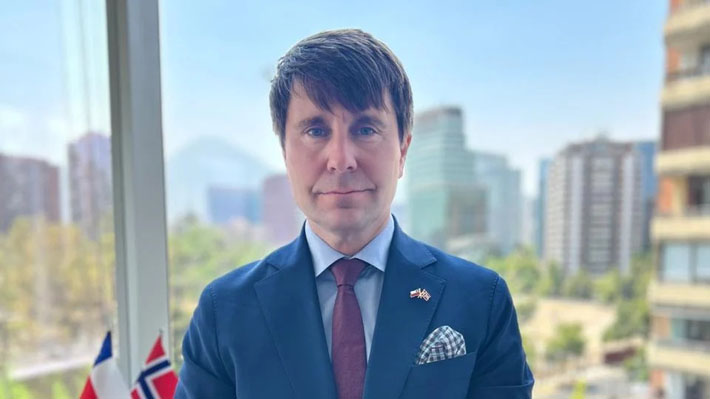
Amid the controversy, Norway's ambassador to Chile, Per Anders Nilsen, ruled out any kind of state interference. He explained that the project had been developed between 2004 and 2014, and that it did not represent his country's current politics
.
He also emphasized that in Norway, civil society organizations could access public funding for international initiatives with autonomy from the government, and that regulatory decisions belonged exclusively to Chile.
Despite these clarifications, the discussion did not dissipate. Doubts still persist about transparency in the use of funds and about the concrete effects that this type of financing could have on strategic economic sectors. At the same time, there was a strong need to strengthen oversight mechanisms over NGOs that receive contributions from abroad
.
The case revealed a strong underlying tension between regulatory sovereignty, international cooperation and productive development. While the Kast Executiveand Congress evaluated possible measures, the controversy continued to fuel a wider debate on how to reconcile the protection of indigenous rights and the environment with the need to maintain clear rules for investment and competition
in global markets. The Norwegian ambassador to Chile denied any kind of state participation in funding the Lafkenches