The US rejected the UN declaration on migration and accused the organization of promoting massive migratory flows towards the West.
Nuevo
Agregar La Derecha Diario en
Compartir:
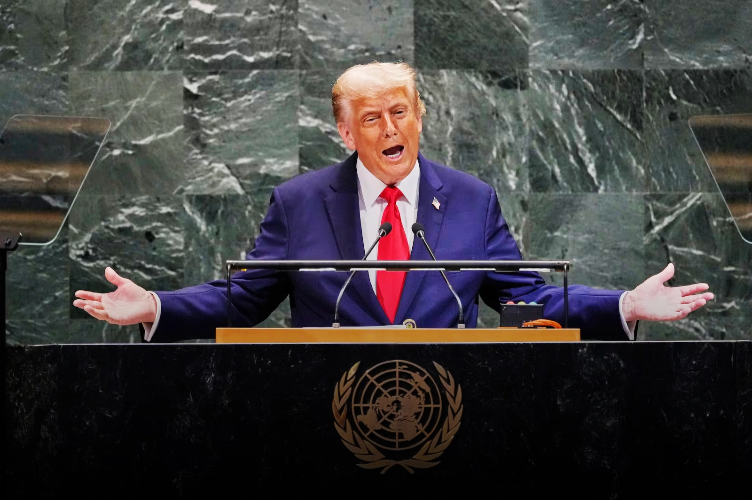
The United States government announced this Monday that it will not support the declaration of ''progress'' from the International Migration Review Forum of the United Nations, in a decision that reinforces the immigration policy promoted by the administration of President Donald Trump.
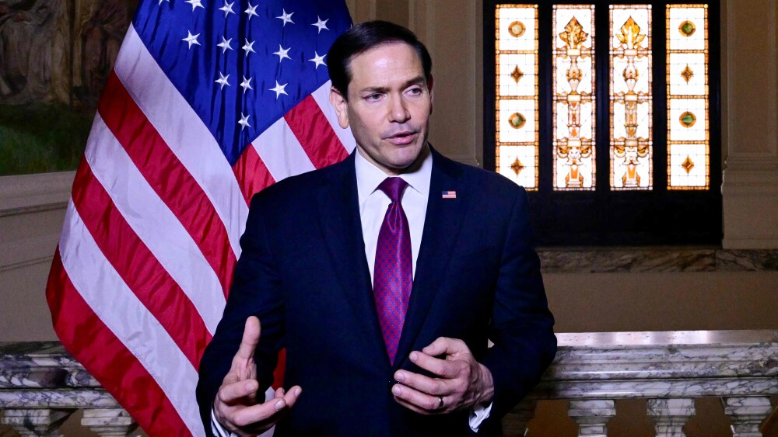
The State Department confirmed that the United States did not participate in the second edition of the forum, held from May 5 to 8 at the UN headquarters in New York, and will not support the final document expected within the review process of the Global Compact for ''Safe, Orderly and Regular Migration''.
According to Washington, the mechanism promoted by the United Nations has ceased to be a technical cooperation space and has become a platform that favors mass migration policies towards the West.
The International Migration Review Forum is the main UN space to evaluate the implementation of the disastrous Global Compact on Migration, adopted in 2018 as a non-binding framework for international cooperation.
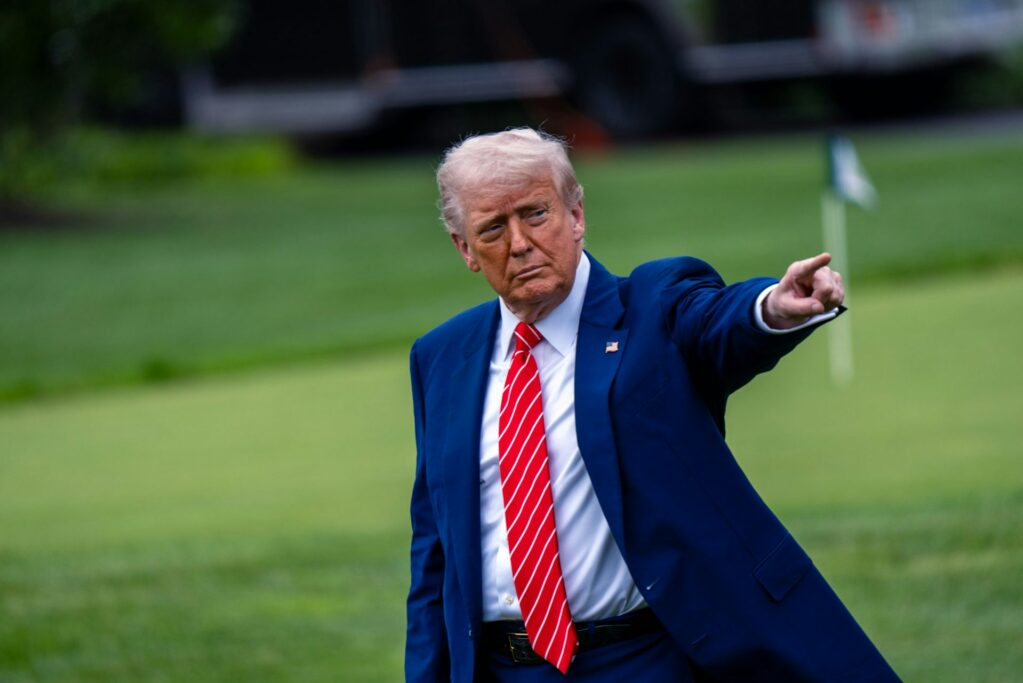
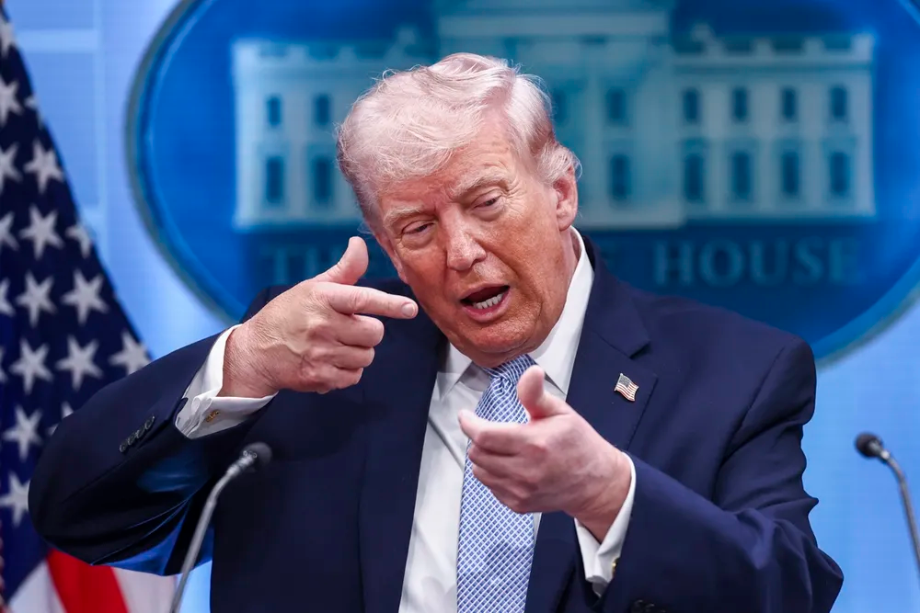
The Donald Trump administration stated that it will not support the United Nations' statements related to the migration pact.
The International Organization for Migration and other UN agencies maintain that the goal of the compact is to ''improve the global management of migration flows, promote cooperation among countries, and ensure safer conditions for migrants.'' However, the Trump administration argues that this approach does not reflect the real problems faced by receiving countries.
The United States had already distanced itself from the process during Trump's first term, when in 2017 it withdrew from the negotiations of the migration compact. Now, the government reaffirms that position and states that it will not participate in any international mechanism that it considers limits national sovereignty regarding border control.
In its statement, the State Department accused UN agencies of promoting policies that facilitate irregular migration to the United States and other Western countries. The government claimed that these organizations have driven massive migration flows and have even contributed to the redistribution of public resources towards migrants in irregular situations.
The State Department accused the United Nations of promoting mass and irregular migration to the United States and other Western countries.
The Trump administration also criticized the language used by the United Nations, especially the idea of ''safe, orderly, and regular'' migration. For the U.S. government, that formulation does not reflect the reality of recent migration flows, which it considers disordered and harmful to the security and stability of receiving countries.
According to the State Department, recent experience in the United States shows that mass migration has generated pressure on the labor market, the housing system, and public services, in addition to increasing challenges regarding border security. The statement asserts that these costs have primarily fallen on American workers, who face greater competition for jobs and resources.
One of the central points of the U.S. position is the defense of national sovereignty in making migration decisions. The government stated that it will not accept any international process that imposes ''guidelines, standards, or commitments'' that limit the ability of the United States to define its own migration policy. In this regard, the administration insists that border control is an exclusive competence of the State and should not be conditioned by multilateral agreements.
According to the Trump administration, irregular immigration in the United States has had consequences on the labor market and public services.
The State Department also reiterated the White House's stance of prioritizing ''remigration,'' a concept used by the Trump administration to describe policies aimed at reducing the presence of irregular migrants in the country. This view contrasts with the United Nations' approach, which promotes international cooperation and shared regulation of migration flows.
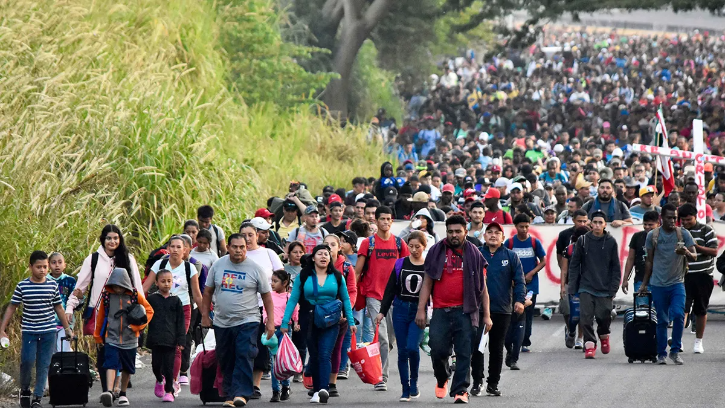
From Washington's perspective, the participation of UN agencies in global migration management has contributed to creating incentives for irregular migration. The government argues that these institutions have promoted migration routes through regions like Central America to the southern border of the United States, which would have increased pressure on the U.S. migration system.
The statement also expanded criticisms towards the role of non-governmental organizations funded by the UN, which it accuses of facilitating the transit of migrants to U.S. and European territory. According to the administration, these practices have had negative consequences for the social and economic stability of receiving countries.
The republican government has also launched strong criticisms against various NGOs funded by the UN that support illegal immigration in the United States.
For its part, the United Nations and the International Organization for Migration defend the migration compact as a voluntary and non-binding cooperation framework. Both organizations point out that the goal is to help States manage migration better, while recognizing their sovereign right to define their own policies.
Despite these clarifications, the Trump administration believes that even non-binding frameworks can exert political pressure on national governments and condition their decisions regarding migration.