The media also reported that Russian authorities are evaluating even more controversial measures: sending students with low academic performance or with pending subjects to the forefront. According to this version, these students would be pressured to join as drone operators, under the threat of being expelled from the education system if they refuse, which would mean permanently losing the possibility of
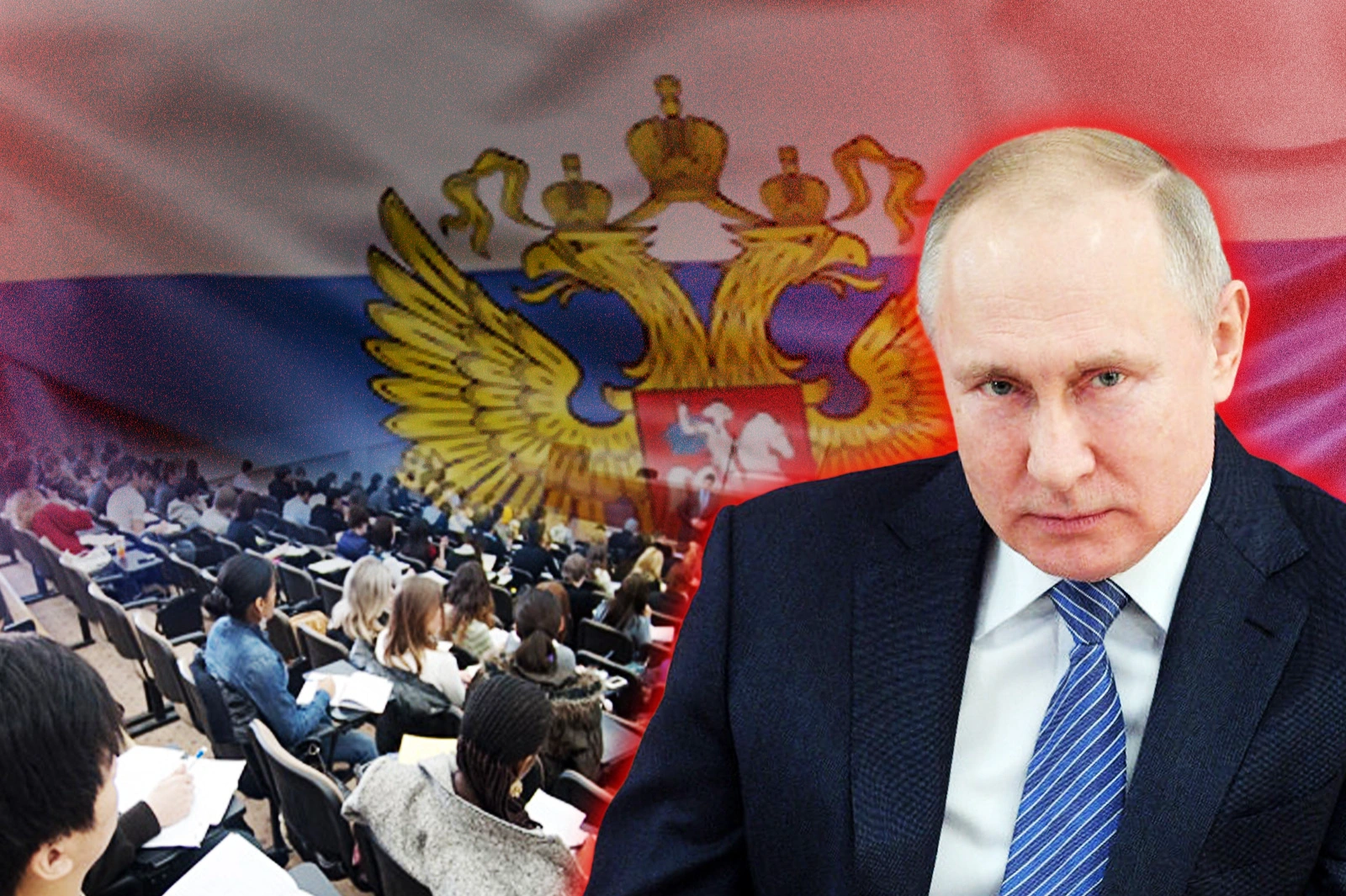
Universities and educational centers in Russia are being singled out for their increasing participation in military recruitment campaigns aimed at students, in the context of the war against Ukraine. Several independent media reports and testimonies collected within the academic environment point to an organized system that combines economic incentives, institutional pressure and, in some cases,
misleading information.
According to data published on university portals and Telegram channels, representatives of the Ministry of Defense and recruitment offices have intensified their presence in educational institutions. There, they promote contracts to be integrated into drone units, offering conditions that include payments of up to 5 million rubles (around 50,000 euros), free enrollment after the service and the promise of performing tasks away from the
combat front.
However, independent organizations warn that these offers do not always reflect reality. The Echo portal reported that at least 70 institutions in 23 regions, including the Crimean Peninsula, are involved in these processes, with a strong concentration in Moscow and St. Petersburg
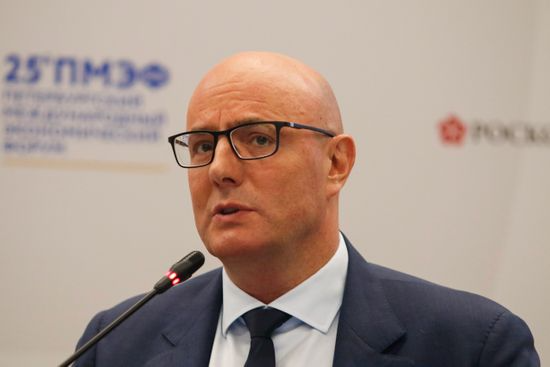
. Through different channels, Russia is calling on students to join different branches of the armed forces for the war against Ukraine A university employee, who spoke on condition of anonymity, said that academic authorities were summoned to meetings with Deputy Prime Minister Dmitry Chernyshenko.
At those meetings, according to his testimony, universities were instructed to facilitate the recruitment of students. Strategies vary between institutions: some organize talks with veterans of the so-called “special military operation”, while others choose to send emails directly to students
.
Numerous media outlets maintain that the reach of these campaigns has been progressively expanded. What began with technical students was later extended to young people at risk of expulsion and finally to the student population in general. In parallel, some regions would have established specific guidelines for coordinating recruitment efforts.
continuing their studies. Several sources said that Russian Defense Ministry authorities have summoned academic institutions to carry out recruitment processes
According to the testimonies collected, universities would have received recruitment fees ranging from 0.5% to 2% of the total number of students. Failure to meet these objectives could have consequences for academic authorities, including the dismissal of rectors or vice-rectors. The employee who spoke on condition of anonymity indicated that, at his institution, the increase in students at risk of expulsion coincided with the offer to choose between signing a military contract or fulfilling compulsory service
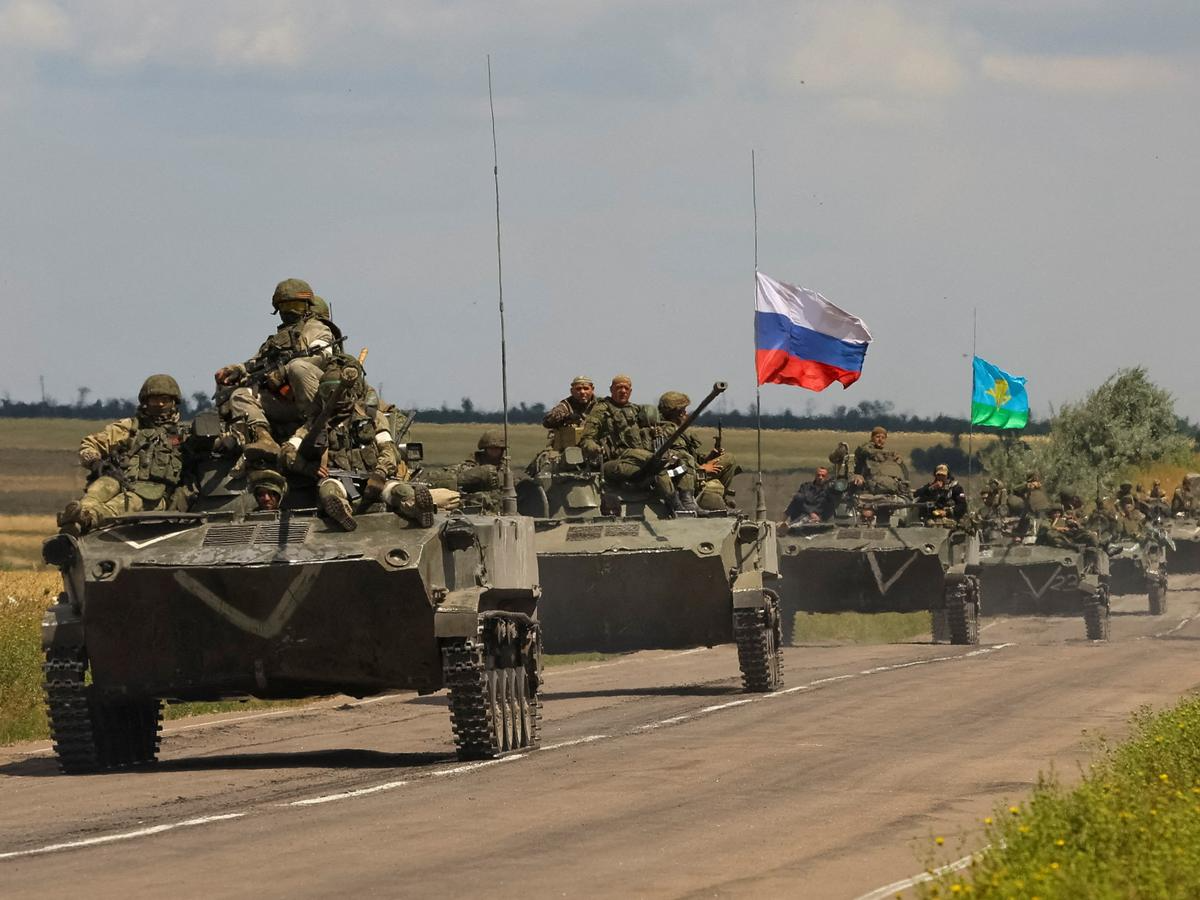
Some students who signed contracts under the promise of working in technical facilities were later sent to the front line as drone operators. Other soldiers would have been transferred to high-risk tasks, such as demining
.
Taken together, the reports describe a system that combines economic incentives, institutional pressure and lack of transparency. The involvement of the university environment and the possible use of vulnerable students raise questions about the role of education in times of conflict and about the ethical limits of recruitment
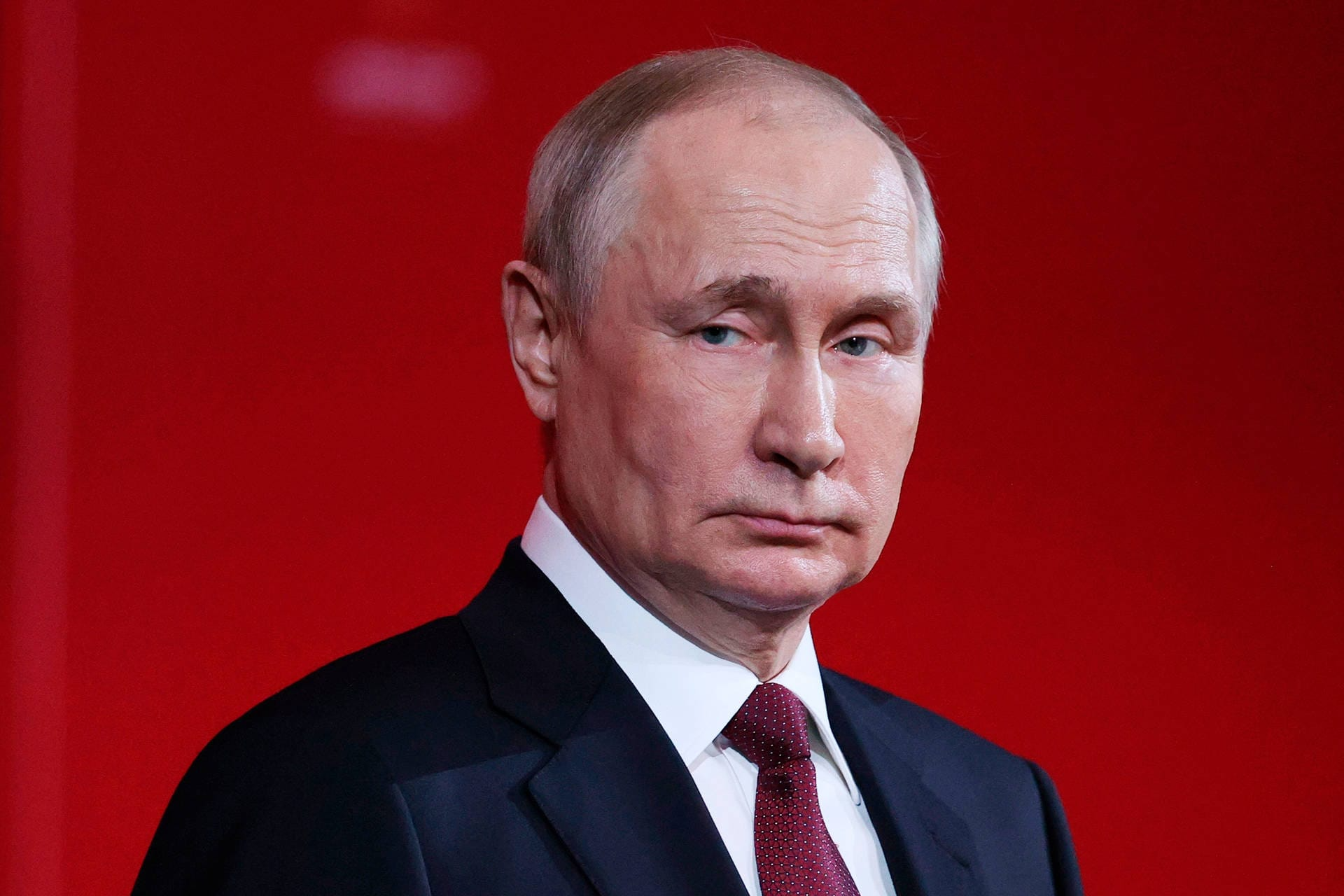
in Russia. Vladimir Putin has decreed the mobilization of different age groups to take part in the armed conflict