The rapprochement between Moscow and Beijing comes as both countries openly criticize the military actions of the United States and its allies in the Middle East, particularly in relation to Iran. China has called the maritime blockade in the Strait of Hormuz a “dangerous and irresponsible” act, while Russia accuses Washington of destabilizing
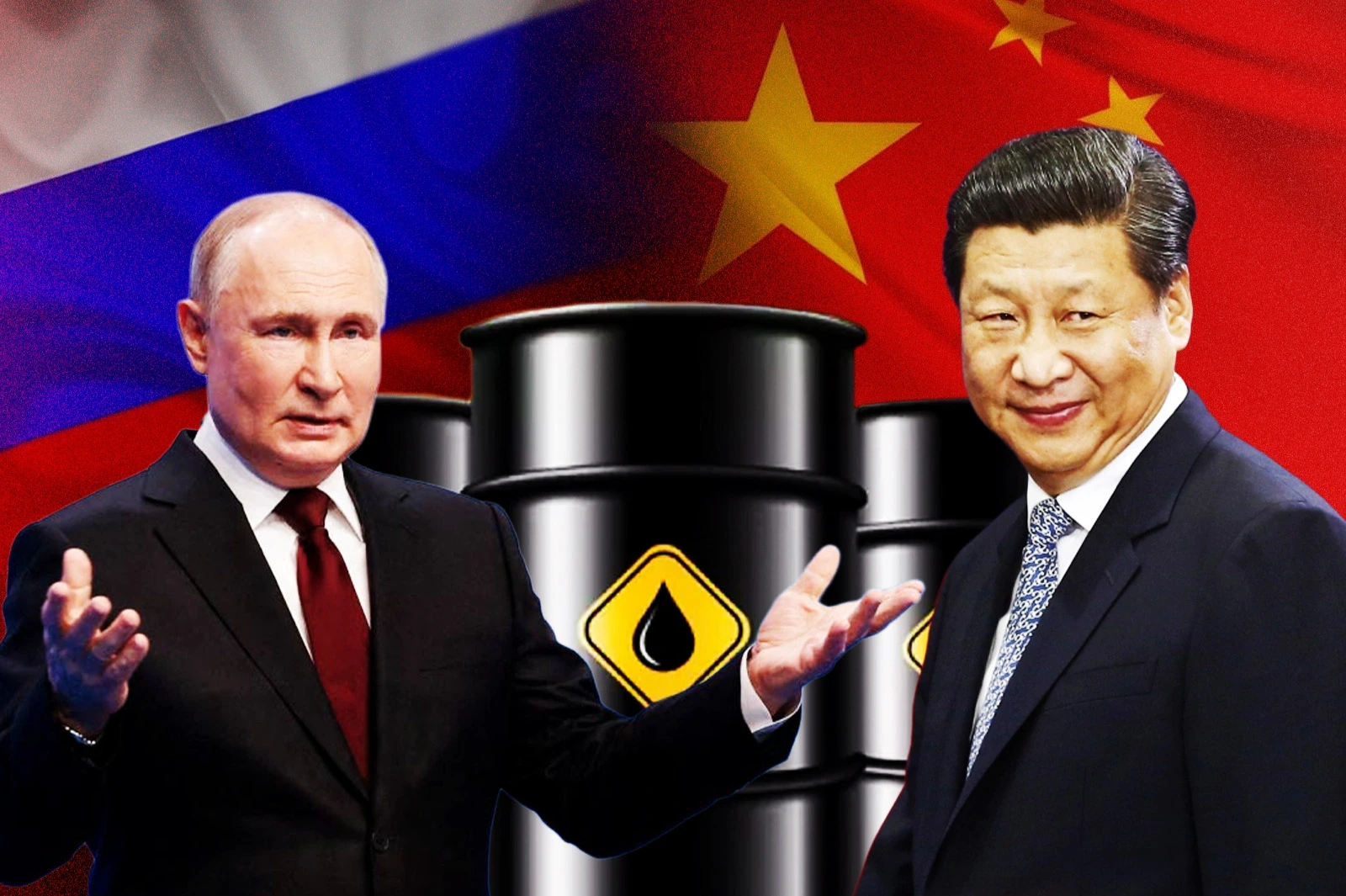
Russia intensified its energy and political rapprochement with China amid growing global tensions, offering to increase the supply of oil and gas to the Asian giant in the face of possible interruptions resulting from the conflict in the Middle East.
According to statements collected by Russian agencies, Moscow is in a position to compensate for any energy deficit faced by China, as well as other countries interested in maintaining “egalitarian and mutually beneficial” relations. The supply comes in a context of increasing volatility in energy markets, driven by the war in the Middle East and tensions between
global powers.
The strengthening of ties between Russia and China comes after the definitive break between Moscow and Europe, following the invasion of Ukraine in 2022. Since then, the Kremlin has reoriented its hydrocarbon exports to Asia. Currently, China and India absorb up to 90% of Russian crude oil, consolidating themselves as Moscow's main energy partners
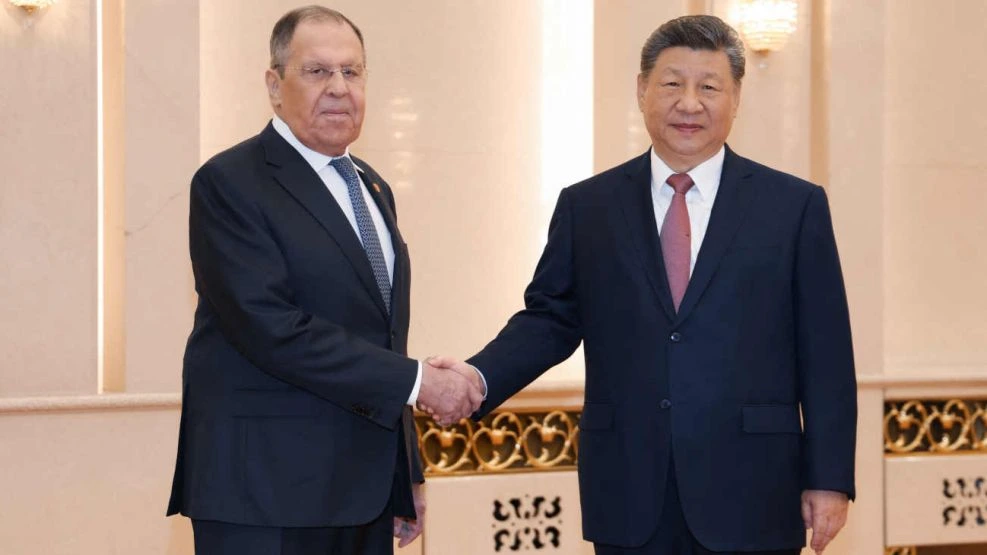
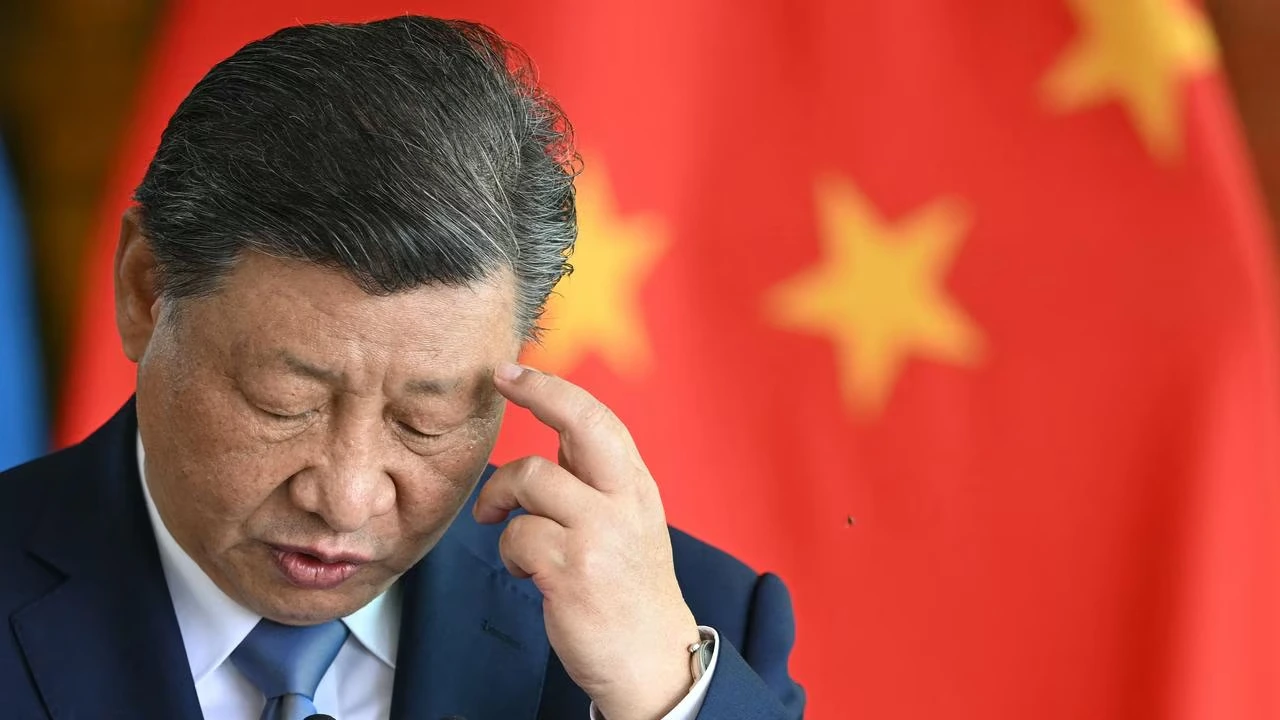
. The Russian Foreign Minister held a meeting with Chinese President Xi Jinping
During the meeting in Beijing, Xi said that the bilateral relationship is “unbreakable” and stressed the need to deepen strategic cooperation. Both countries reaffirmed their commitment to defending common interests in the face of what they consider to be external pressures, in particular from the United States
.
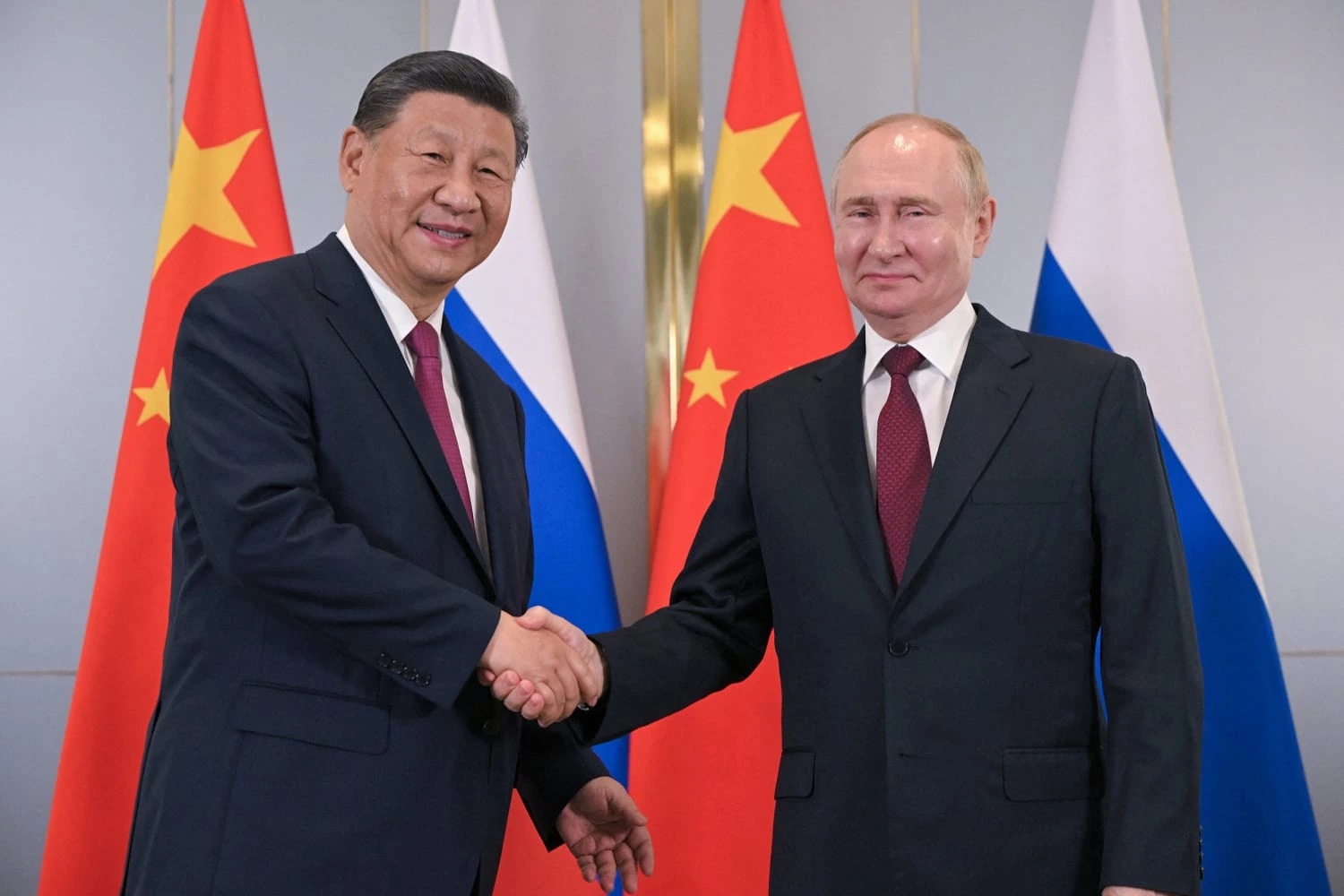
In parallel, the Kremlin confirmed that President Vladimir Putinwill visit China in the coming months, possibly during the week of May 18, although official dates have not yet been announced. The visit would coincide with a key moment on the international agenda, as US President Donald Trump is also scheduled to meet with Xi in Beijing on May 14 and 15
global energy markets. Putin will visit Xi Jinping during the month of May to expand economic and trade cooperation between the two countries
However, the conflict has also generated economic benefits for Moscow. Rising oil and gas prices have boosted Russian export revenues, partly offsetting the loss of the European market. However, analysts warn that this dependence on Asia could limit Russia's long-term trading capacity, forcing it to offer significant discounts to its
main buyers.
For its part, China faces a more complex scenario. Although it has large strategic reserves and a diversified energy matrix, its economy is still dependent on hydrocarbon imports, especially from the Middle East. Recent data shows a year-on-year drop in Chinese oil and gas imports in March, reflecting the initial impact of supply interruptions
.
Despite its relative resilience, experts point out that a prolonged conflict could affect Chinese economic growth and increase its energy vulnerability. In this context, the Russian offer represents an immediate solution, but it also reinforces a relationship that could involve long-term geopolitical risks
. China has growing concerns about energy supply due to the situation in the Middle East.