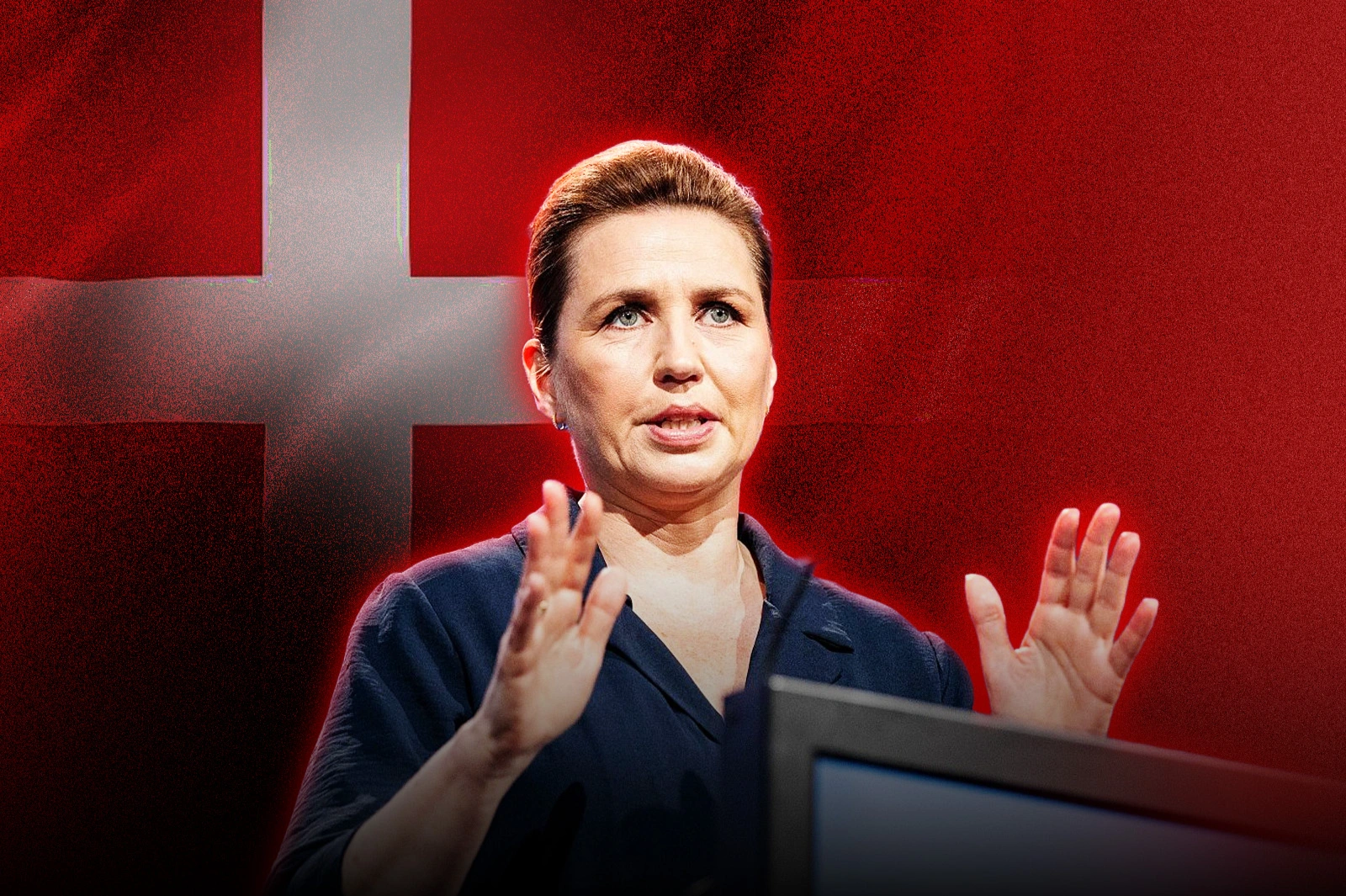
The Prime Minister of Denmark, Mette Frederiksen, suffered a severe electoral setback on Tuesday after her party, the Social Democrats, headed for its worst result in more than a century, in elections dominated by concerns about the cost of living and immigration.
According to projections based on the full vote count, Social Democrats would win 38 seats in the Parliament (Folketing), a significant drop from the 50 won in the previous elections. Despite the setback, the left-wing block would have 84 seats compared to 77 for the right-wing parties, leaving open the possibility that Frederiksen will remain in power, although its continuity will depend on complex negotiations to
form a government.
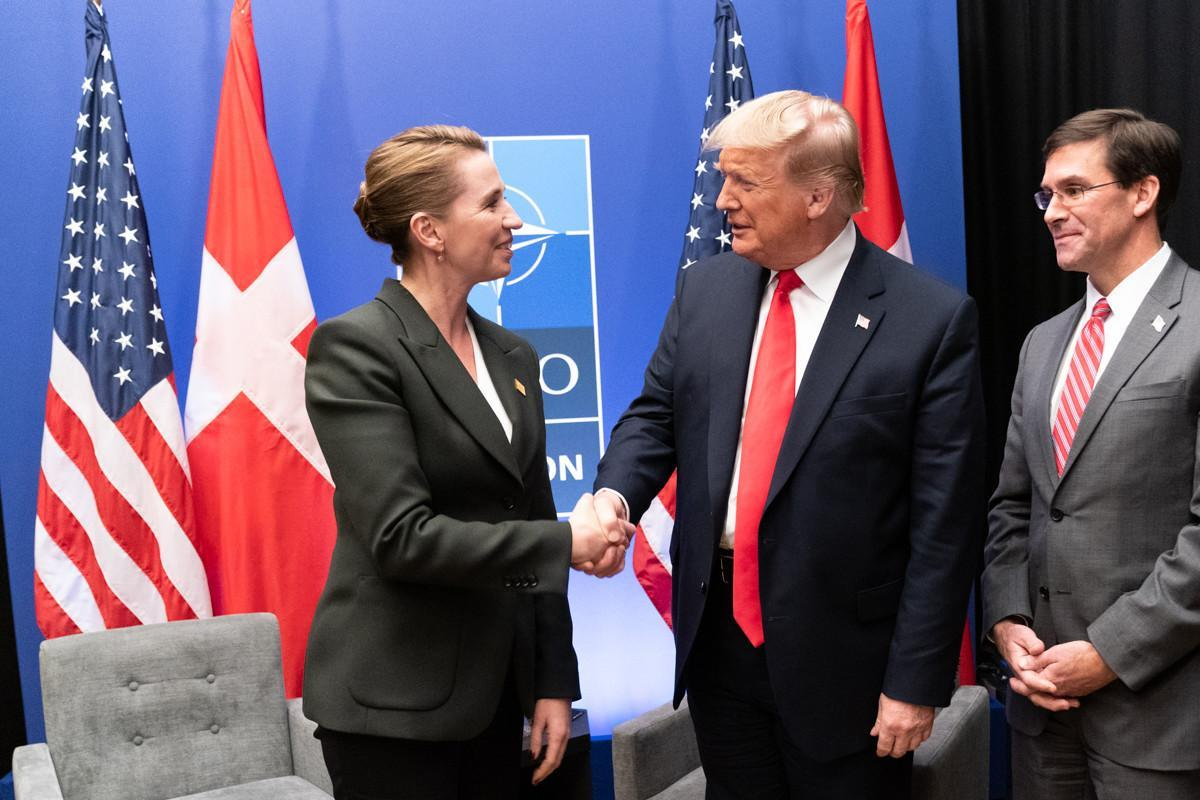
During the campaign, Frederiksen, 48, focused his message on his experience and leadership in international politics, especially in managing the relationship with the President of the United States, Donald Trump, and on the European response to the war in Ukraine. However, these issues were overshadowed by domestic concerns, in particular the impact of inflation and the rising cost of living on
Danish households. Frederiksen maintains a cordial relationship with the US administration of Donald Trump
Analysts agree that the president was trapped under pressure from different sectors of the electorate. On the one hand, left-wing voters criticized the tightening of migration policies under their government, considered to be among the strictest in Europe. On the other hand, right-wing sectors questioned their economic management and their credibility in that area
.
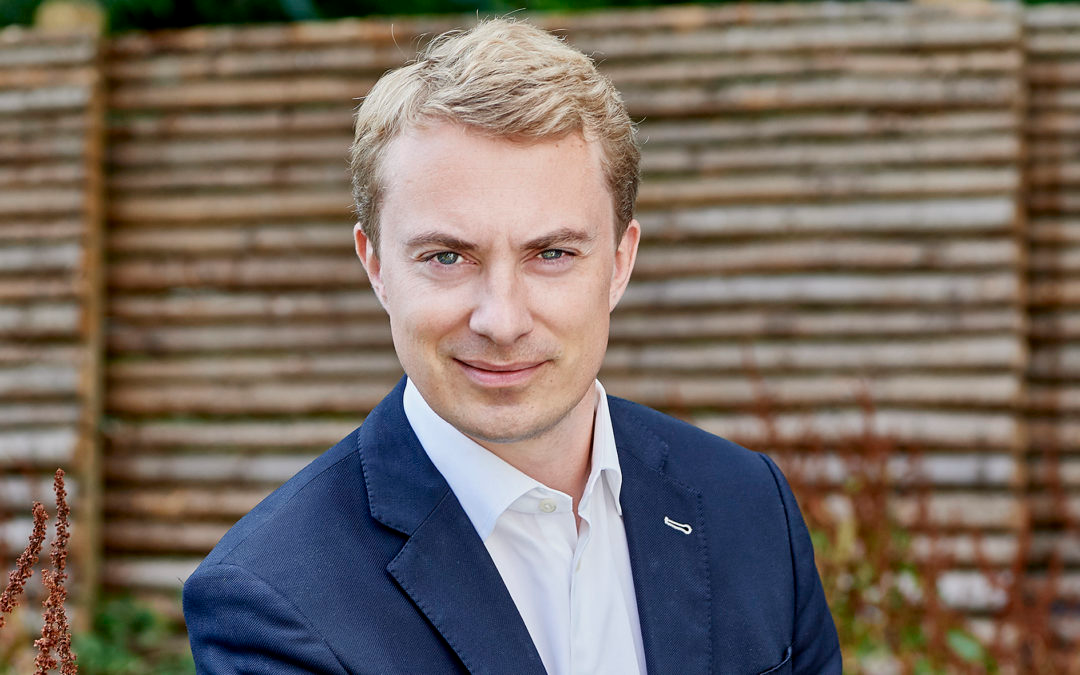
The discontent was reflected in the advance of opposition forces, especially the Danish People's Party, led by Morten Messerschmidt, which achieved strong growth to reach 9.1% of the votes. The formation capitalized on social unrest with proposals such as drastically restricting immigration and eliminating fuel taxes to
alleviate economic pressure.
In this fragmented scenario, the Moderates party, led by Lars Lokke Rasmussen, could play a key role in shaping the next government. Rasmussen noted that there is no clear majority either to the left or to the right, which anticipates protracted negotiations. In addition, he asked Frederiksen to abandon his wealth tax proposal, a measure that sought to finance educational reforms and reinforce his
progressive profile.
The difficulties in forming a coalition were accentuated by the position of the leader of the Liberal Party and Minister of Defense, Troels Lund Poulsen, who ruled out the possibility of continuing to govern with Frederiksen. This refusal further complicates the Prime Minister's political landscape
. The right-wing party, led by Morten Messerschmidt, achieved significant growth in the parliamentary elections
At the international level, Frederiksen is recognized for his firm stance on Greenland and for having promoted increased defense spending after the Russian invasion of Ukraine. However, his leadership style, considered by some to be confrontational, and the wear and tear after several years in power have fueled the desire for change among voters
.
The results were also closely followed in Greenland, an autonomous territory of the Kingdom of Denmark, where there is interest in taking advantage of the new political context to re-negotiate its relationship with Copenhagen, especially given the growing strategic interest of the United States in the Arctic.
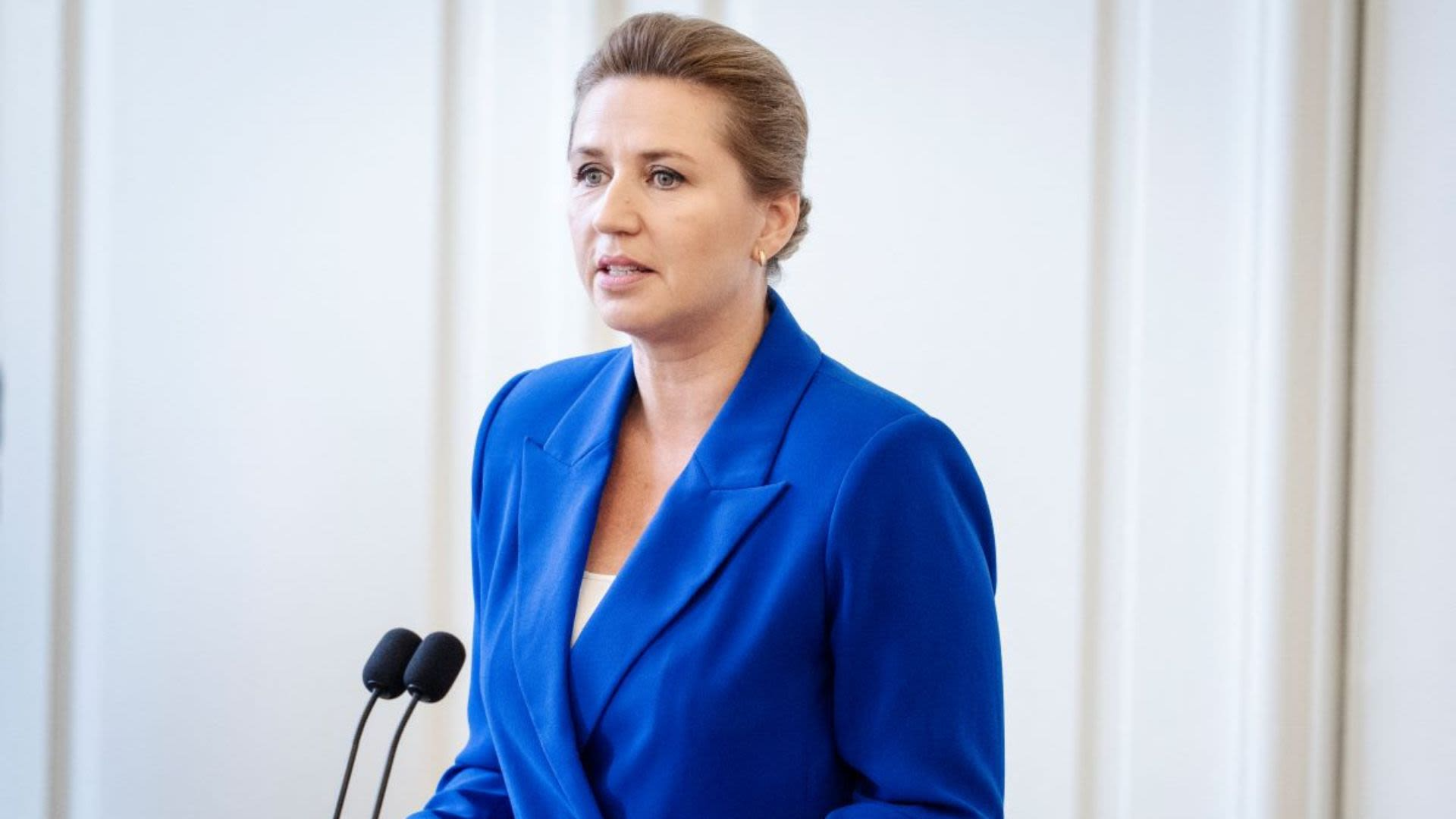
Despite the electoral setback, Frederiksen is not left out of the race for a third term. However, the weakening of his party and the fragmentation of Parliament pose an uncertain scenario that could result in weeks of intense negotiations. The outcome will define not only the Prime Minister's political future, but also Denmark's direction in a context marked by economic challenges and
geopolitical tensions. Frederiksen made an increase in the defense budget and still has a chance of running for a third term