The Knight of the Seven Kingdoms, the new spin-off of the Game of Thrones universe, has become one of the major television phenomena of the year and has once again demonstrated something that much of Hollywood seems to have forgotten: the audience does not reject fantasy, epic tales, or medieval worlds; they reject having stories ruined by contemporary agendas forcefully inserted.
According to reports from Warner Bros. Discovery, the series averaged over 36 million global viewers per episode on HBO Max, a figure that places it among the biggest recent successes of the platform. In the United States, HBO had already celebrated an average of nearly 13 million viewers per episode, solidifying the production as one of the most successful bets in the universe created by George R. R. Martin.
The series averaged 36 million viewers.
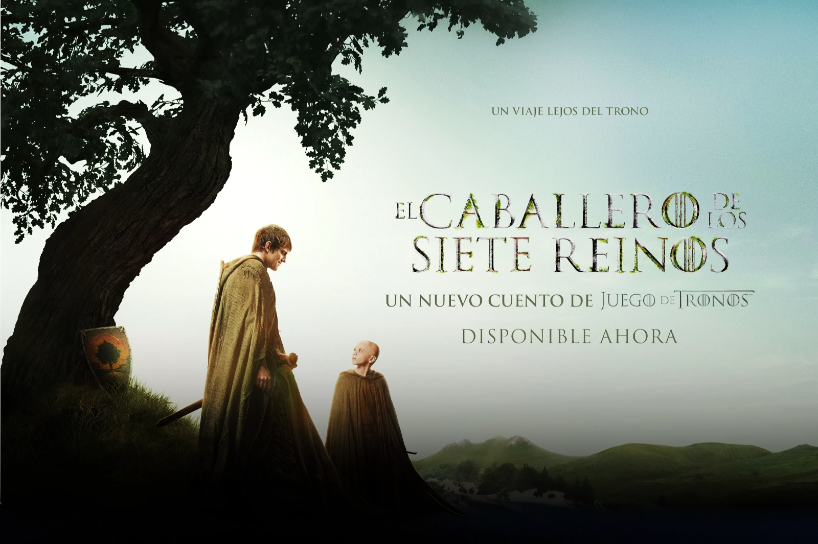
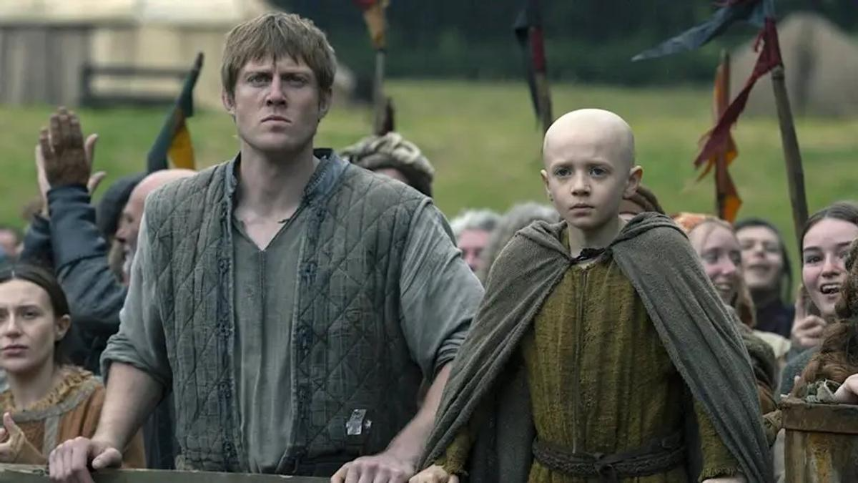
The key to the phenomenon does not seem to lie in grand visual spectacle or a shower of dragons, but in a much simpler decision: to respect the original material, maintain the medieval tone, and tell a story recognizable to fans. The series follows Ser Duncan the Tall and Egg in a more austere, more human, and more classic adventure story, far from the excess of political calculation that ended up wearing down part of the franchise.
Unlike many recent productions, obsessed with rewriting fictional worlds to adapt them to current ideological slogans, The Knight of the Seven Kingdoms opts for a narrative anchored in the internal logic of Westeros. There are knights, hierarchies, poverty, honor, violence, tournaments, lineages, and social inequality, but everything is integrated into the universe of the work, not as a pamphlet imported from a sociology department.
The formula for success seems to be the non-inclusion of forced agendas.
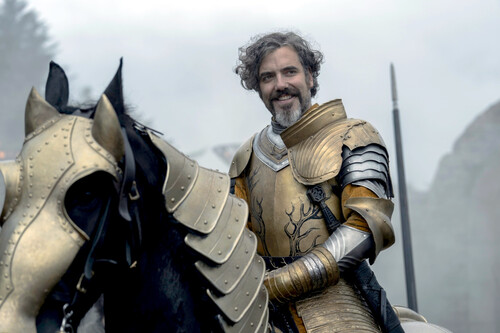
The production even incorporated historical consulting to recreate the medieval atmosphere more accurately. The central tournament of the series is inspired by Saint-Inglevert, a real event from 1390 in which European knights participated in jousts for several weeks. This rigor helps to build a more believable fiction, where brutality, diplomacy, and chivalric prestige weigh more than any artificial nod to the current cultural debate.
The series was well-received because it returned to a basic formula, but one that is becoming increasingly rare in the entertainment industry: good characters, respect for the work, solid setting, and a story that does not treat the viewer like a student to be indoctrinated between scenes.