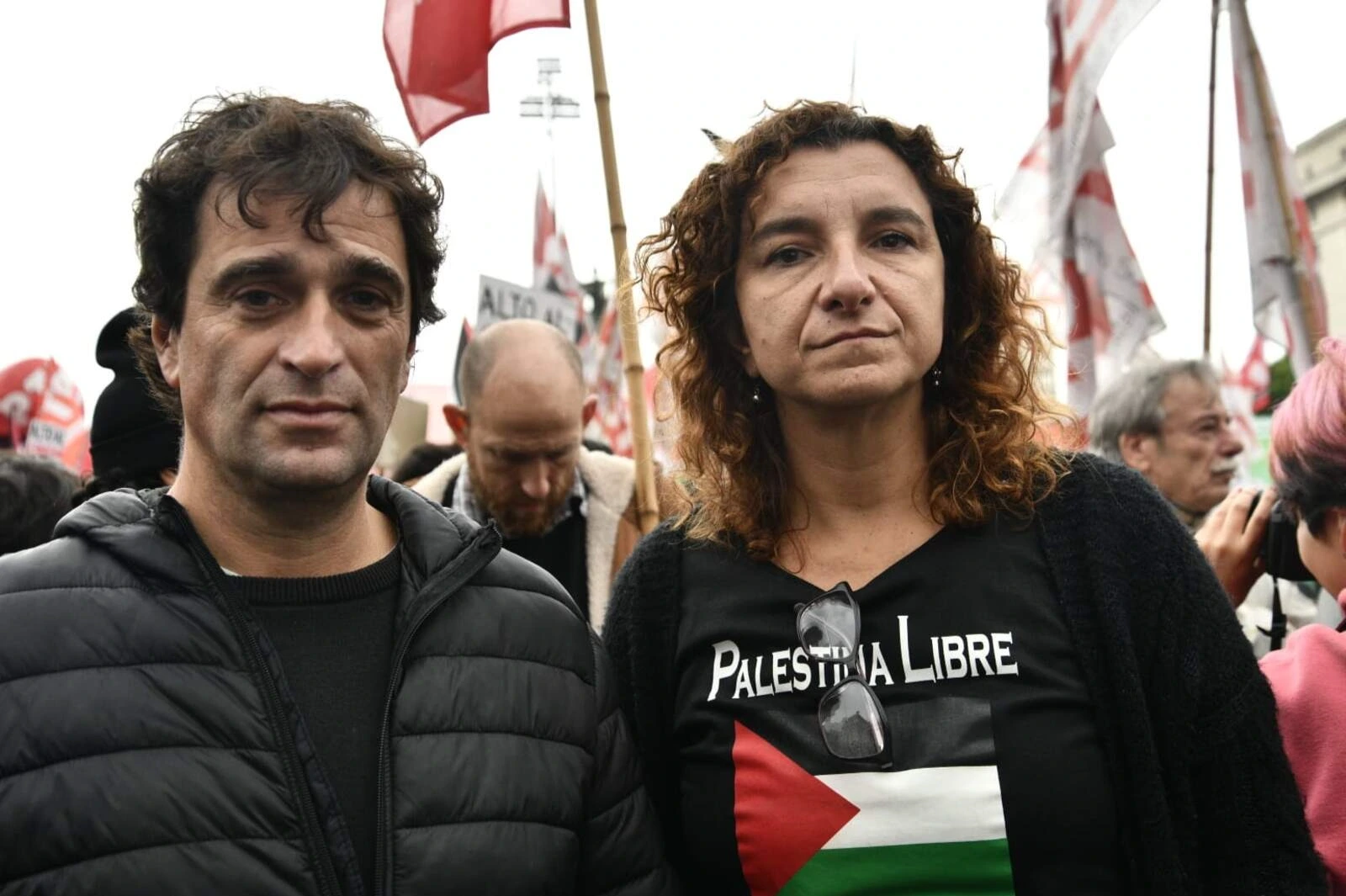
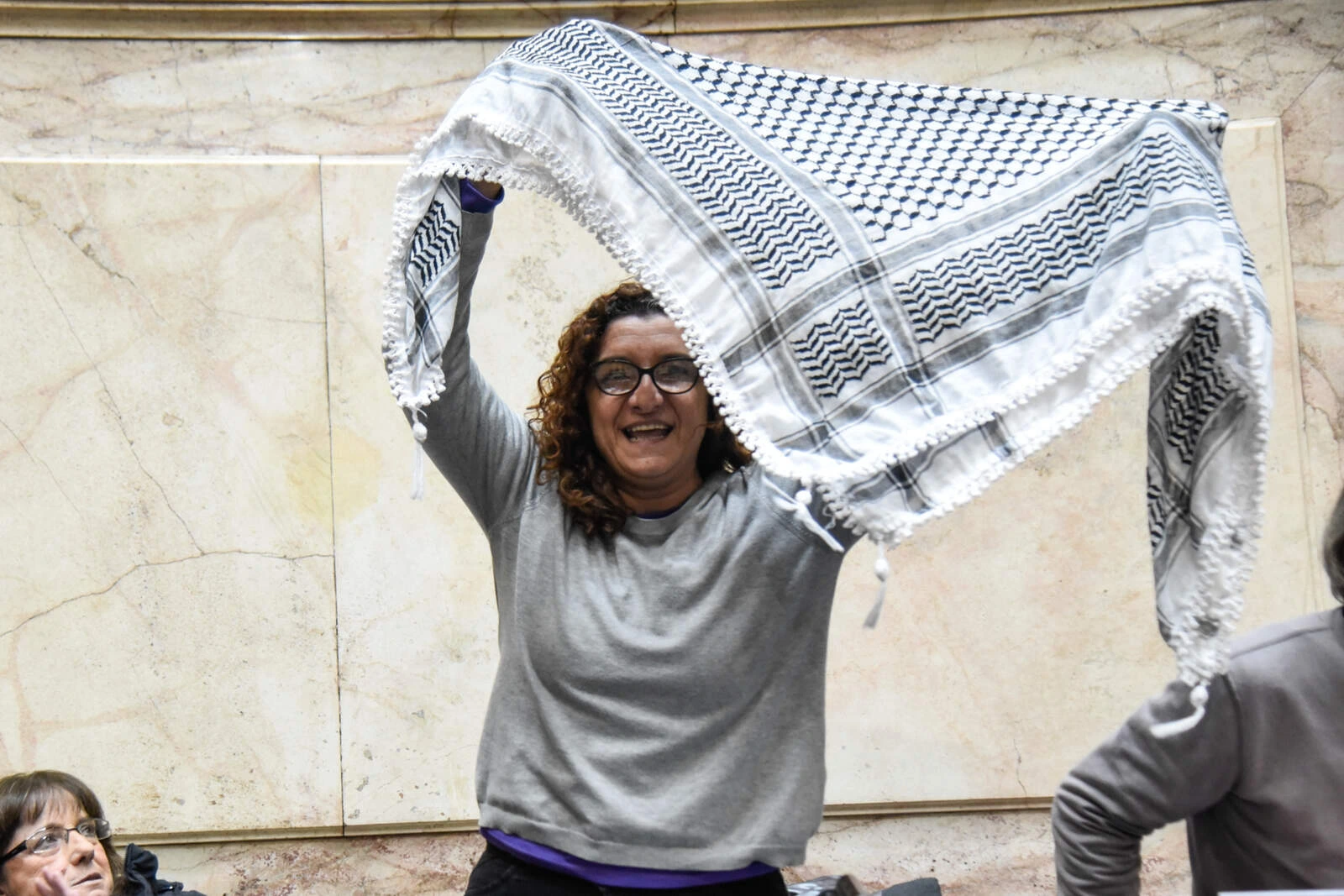
In his resolution, Rafecas argued that the messages would “encourage or incite persecution or hatred against the Jewish community”, also highlighting the amplifying effect of social networks. According to the magistrate, the massive nature of the channel used enhances the damaging capacity of such speeches, regardless of the alleged intention of the person broadcasting them.
The decision of the highest court, signed by Horacio Rosatti, Carlos Rosenkrantz and Ricardo Lorenzetti, did not go into the substance of the matter, but it proved decisive: it rejected the appeal filed by the deputy's defense because it had been filed after the deadline.
The communist Vanina Biasi has lectured in Iraq against the State of Israel. The case originated from a complaint filed by federal prosecutor Carlos Stornelli, with the participation of the DAIA as the plaintiff.
The investigation focused on eight publications made between November 2023 and January 2024 from Biasi's verified account on the social network X, where the legislator disseminated messages that Justice considered to be anti-Semitic in content
.
Among the expressions analyzed are statements in which he equated the State of Israel with Nazism and described Zionism as genocidal. For federal judge Daniel Rafecas, these publications could not be interpreted as simple political critiques, but rather constituted a discourse that exceeds the limits of freedom of expression by directly impacting
The prosecution was later confirmed by the Buenos Aires Federal Chamber and, later, the Criminal Cassation Chamber also rejected the defense's arguments. In this context, Biasi tried to reach the Supreme Court with an extraordinary remedy in which he denounced an alleged violation of freedom of expression and accused the Judiciary of acting as a mechanism of political discipline
. Anti-Semitic, Communist, Feminist and Pro-Abortion.
However, the highest court dismissed that argument as extemporaneous, effectively rescinding the last available avenue of appeal. In this way, the case, which had already been brought to trial at the end of 2025, will be able to move towards oral and public debate.
The trial will be conducted by federal judge Marcelo Martínez de Giorgi, who must evaluate the evidence collected during the investigation and determine if the legislator's statements constituted a crime or if they are protected by freedom of expression.