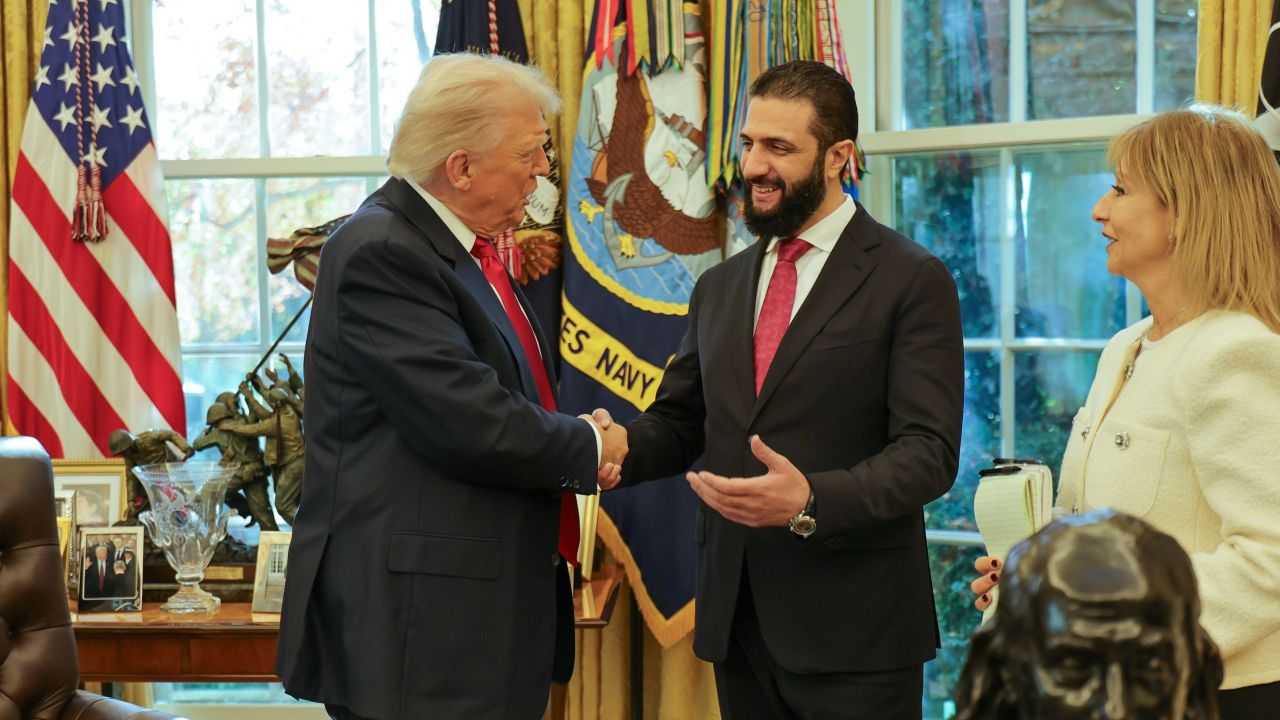
The Syrian president also highlighted his intention to strengthen ties with other countries in the region, such as Lebanon, Iraq, Turkey and Saudi Arabia, as well as with Western powers, including the United States, the United Kingdom, France and Germany. As he explained, Syria seeks to develop a network of strategic relations that will allow it to guarantee long-term stability and cooperation.
Despite its willingness to stay out of the conflict, Syria has taken preventive measures in the face of the deterioration of the situation. In recent weeks, the government has deployed thousands of soldiers on its borders with Lebanon and Iraq, with the objective of strengthening security and preventing possible infiltrations or attacks resulting from the expansion of the conflict
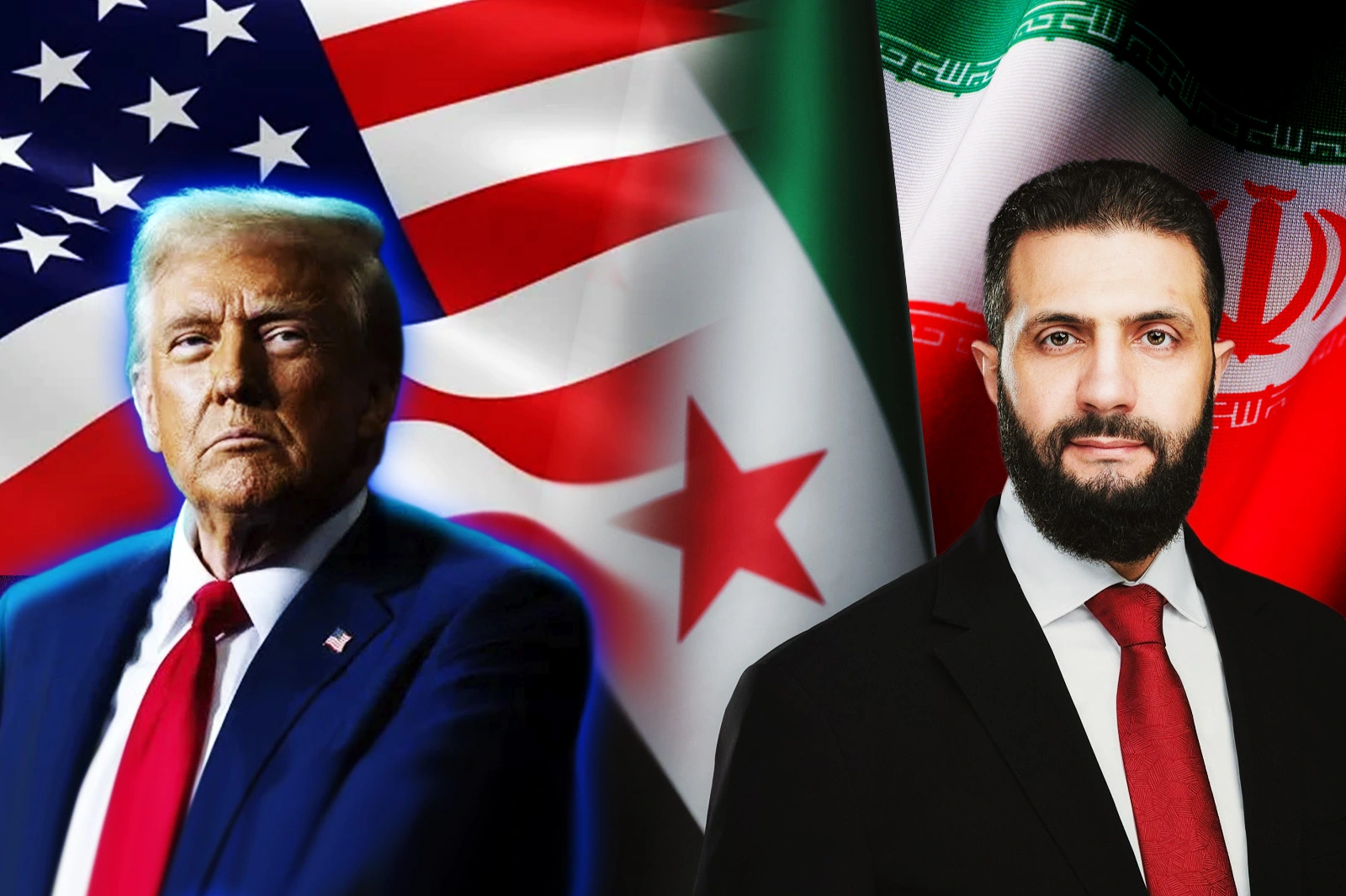
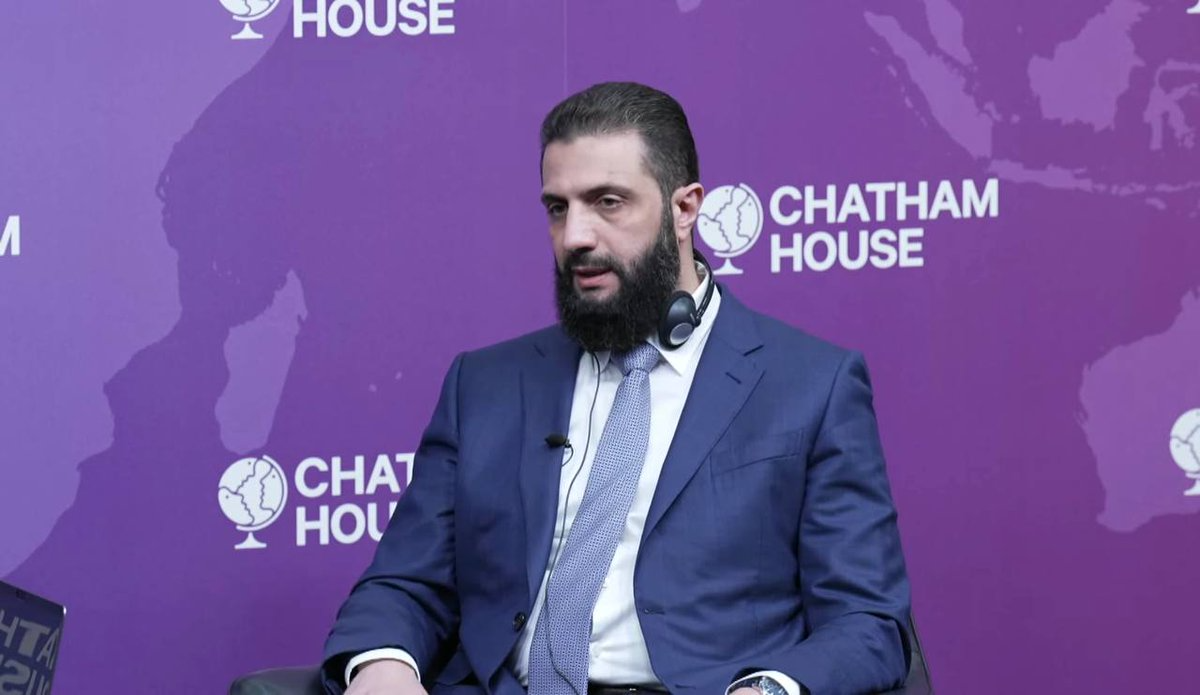
The President of Syria, Ahmed al-Sharaa, assured this Tuesday that his country will stay out of the regional conflict between the United States and Israel and Iran, in the midst of a growing escalation that has already had repercussions in several Middle Eastern countries. The statements were made during an intervention at the “Chatham House” conference in London.
“As long as Syria is not attacked anywhere, we will remain out of any conflict,” said the president, making it clear that his government seeks to avoid new military involvement after years of internal war. However, he warned that the regional context is highly volatile and that current decisions respond more to impulses than to strategic calculations
.
The conflict, which has raged over the past month, has caused thousands of victims, damage to key infrastructure and a significant impact on international energy markets. The air offensive launched by the United States and Israel against strategic military objectives in Iran at the end of February has been one of the main triggers of the escalation, in an attempt to contain the destabilizing policies of the Iranian regime in the region
.
Tehran, for its part, has responded with terrorist attacks using drones and missiles aimed at Israel and other countries in the region, including Jordan, Iraq and some Gulf States that host US military installations. These actions have broadened the scope of the conflict and raised international concern about the risk of a larger-scale regional war
. The Syrian president assured that as long as his country is not attacked, Damascus will remain out of any war event
In this scenario, Syria has opted for a neutral stance. Al-Sharaa confirmed that Damascus has not maintained official relations with Iran since the start of the war, a significant sign of distancing itself from a traditional ally. Analysts interpret this position as an attempt by the Syrian government to avoid retaliation and to re-position itself diplomatically in an
. Al-Sharaa seeks to establish strategic relations with prosperous countries in the region and with Western powers
The Syrian Ministry of Defense indicated that these movements respond to the need to “protect and control borders” in the midst of an uncertain regional context. The presence of armed groups in neighboring countries, many of them aligned withIran, increases the risk that violence will spread to Syrian territory
.
“We've had enough war. We have paid a very high price and we are not prepared to live another similar experience,” said al-Sharaa, referring to the protracted internal conflict that affected the country for more than a decade
.
The president's statements reflect Damascus' strategy to avoid any provocation that could drag the country into a new confrontation. However, the president himself acknowledged that there is a possibility that Syria will be the target of attacks in the midst of the escalation, which would require a response
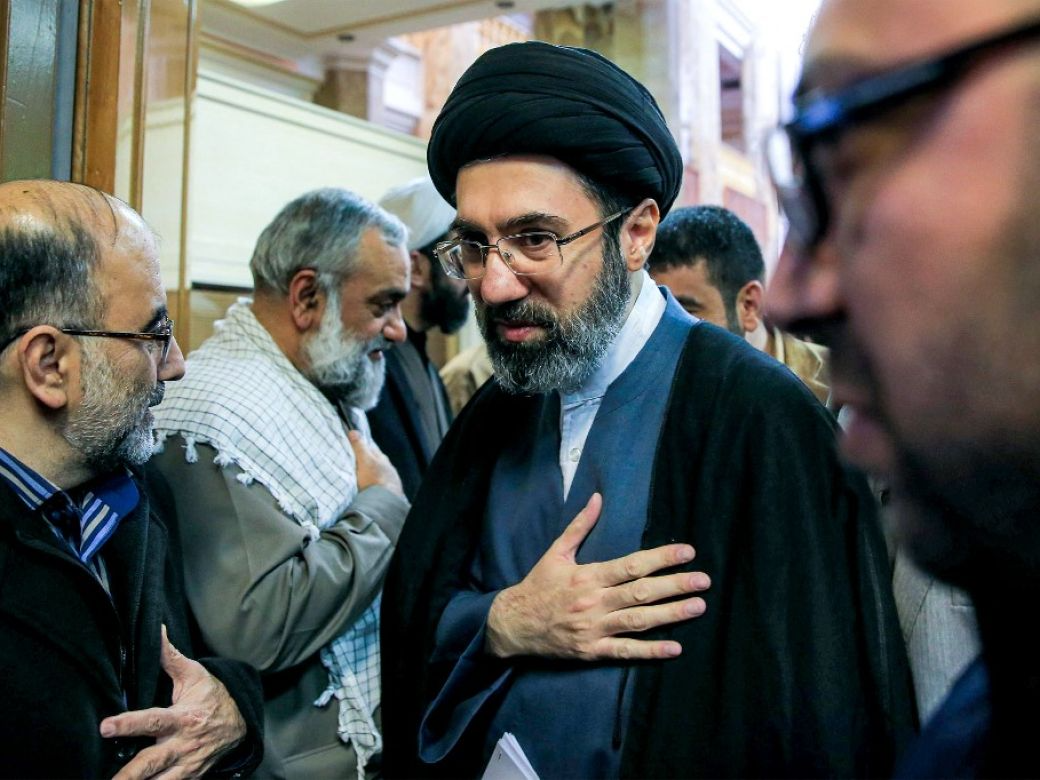
. The new Syrian administration does not maintain contact with the Mojtaba Khamenei regime