
Discover a possible 3,800-year-old tavern in Iraq: a tablet reveals ancient beer trade

Discover a possible 3,800-year-old tavern in Iraq: a tablet reveals ancient beer trade

Archaeologists from the University of Catania found a cuneiform tablet that records a loan of barley and beer. The discovery was made in a building that may have functioned as a tavern

Share:

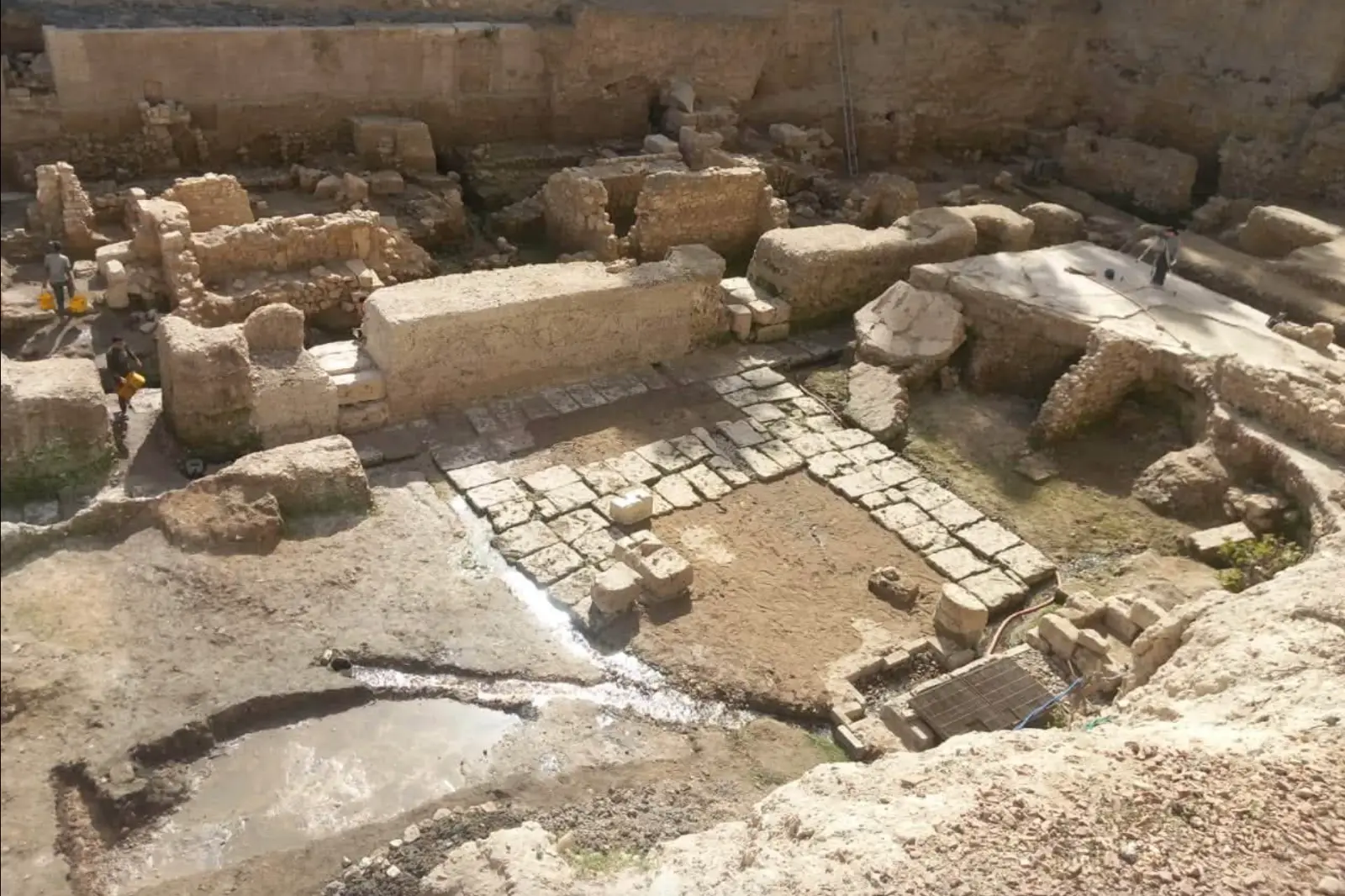
Archaeologists led by Nicola Laneri from the University of Catania continue excavating at Tell Muhammad, a site located near the Tigris River in central Iraq. The work focuses on a building approximately 3,800 years old that may have served as a meeting and consumption place, a possible ancient tavern.

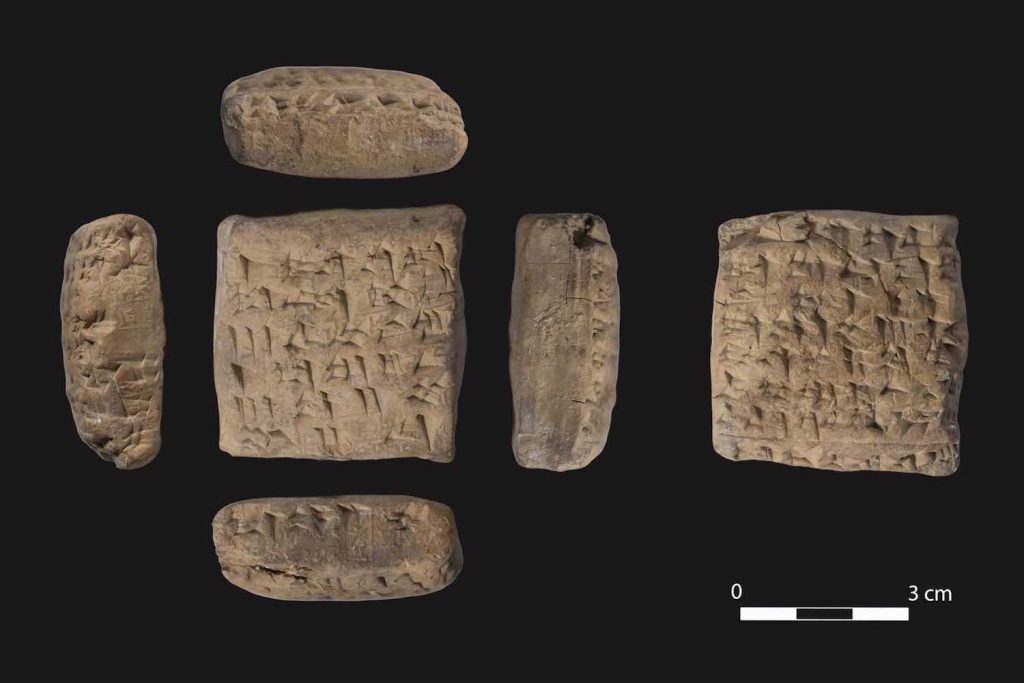
In one of the rooms of the building, a cuneiform tablet was found that records an agreement to borrow barley and beer. The contract was signed in the presence of two witnesses. This finding provides concrete evidence of the economic and social activity that took place in that space.

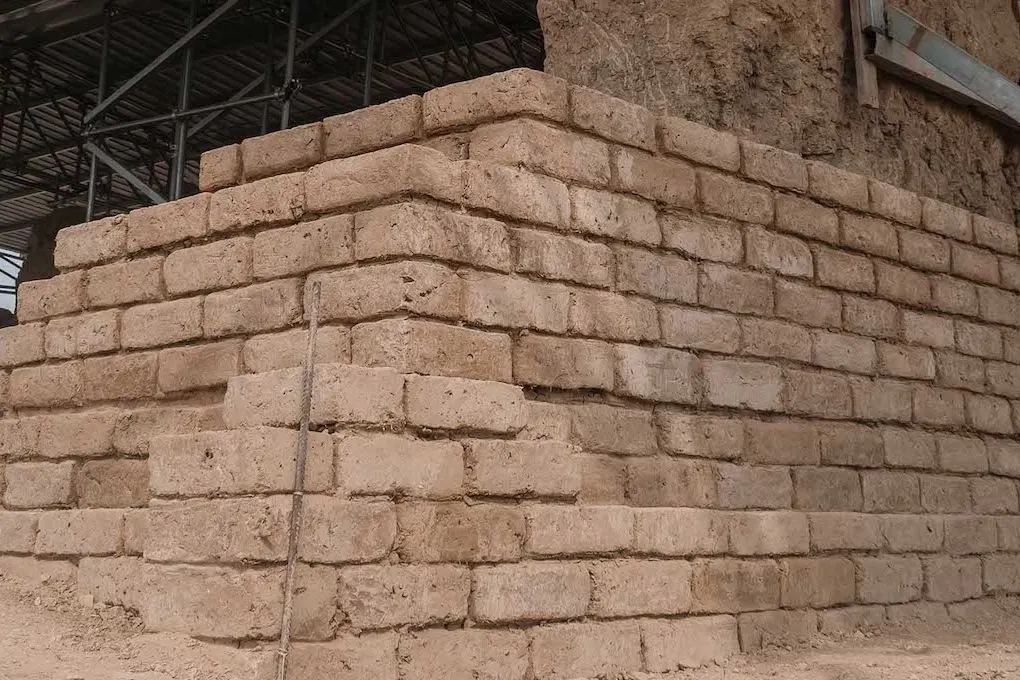
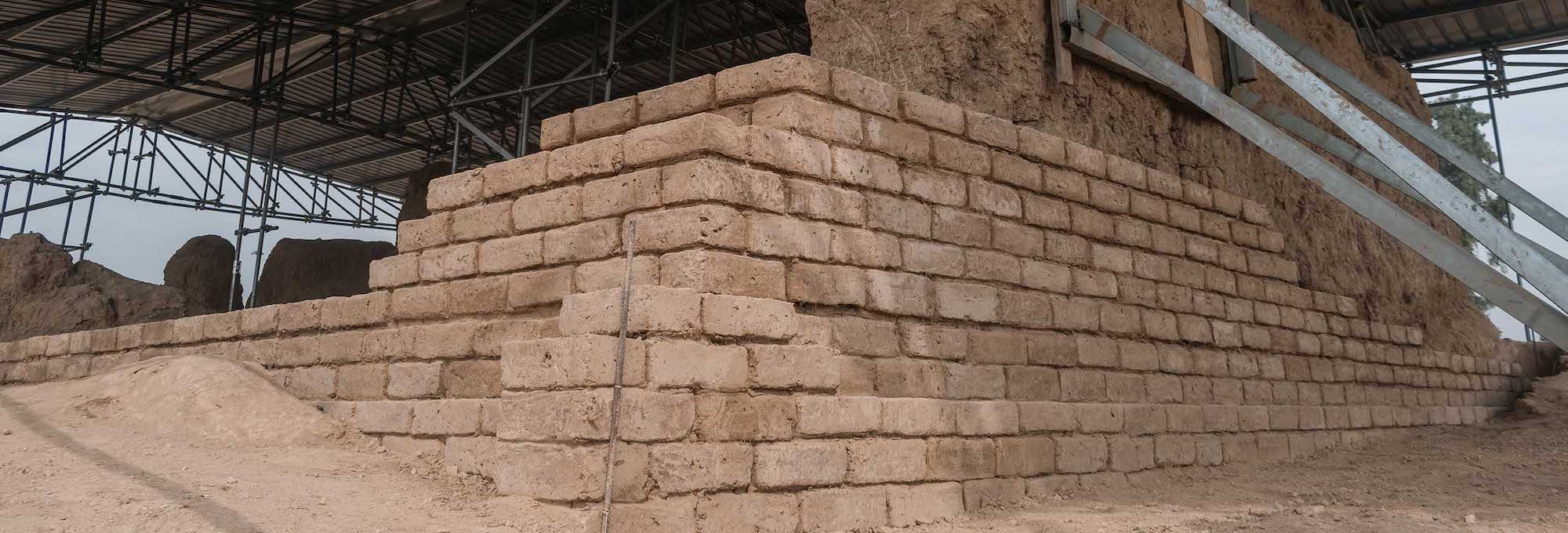
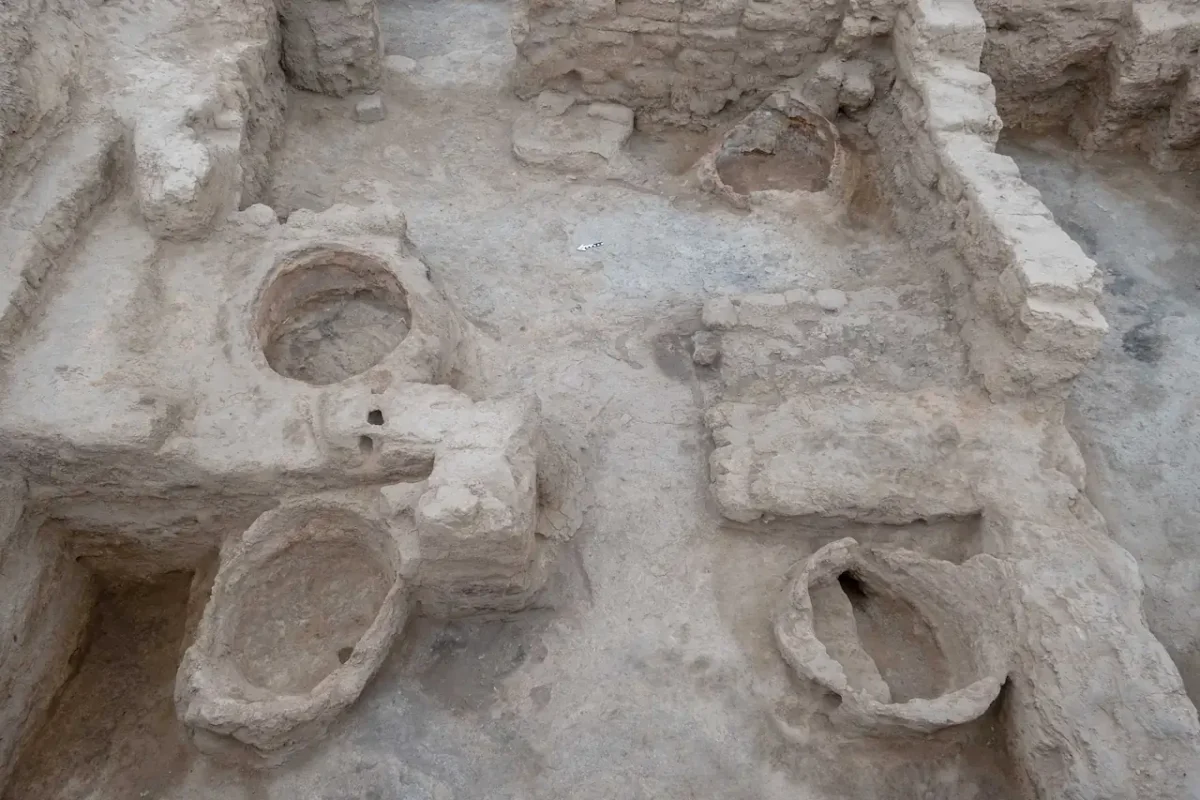
The same room preserves a semicircular adobe counter facing the street and an adobe basin. Researchers believe that this basin may have been used for brewing beer or baking bread. The arrangement of these elements reinforces the hypothesis that the place had a public or commercial use related to consumption.

At the edge of the room, archaeologists identified a section of the city's outer wall, about five meters thick. So far, more than ninety meters of this wall and a small secondary door have been uncovered.
Discover a possible 3,800-year-old tavern in Iraq: a tablet reveals ancient beer trade

Hydraulic Infrastructure and Urban Protection

The excavations also revealed a piping system built with reed mats and clay. This conduit carried water to a large cistern located within the defensive wall. The presence of this infrastructure demonstrates a degree of urban planning and control of water resources in the area.

Tell Muhammad is located in a strategic area next to the Tigris. The building under investigation is part of a larger complex that allows for the reconstruction of aspects of daily life and the organization of the city nearly four millennia ago. The combination of the contractual tablet, the counter, and the basin suggests that the space was not solely residential.
Discover a possible 3,800-year-old tavern in Iraq: a tablet reveals ancient beer trade

The team continues to work at the site to clarify the function of each environment and the relationship of the building with the rest of the urban layout. The remains of the thick wall and the secondary door provide information about the city's defenses and how access from the outside was organized.

The cuneiform documentation found inside the possible consumption venue constitutes direct evidence of transactions involving products such as barley and beer, central elements in the diet and economy of the time. The fact that the agreement was formalized in the presence of witnesses indicates that it was a regulated operation.

Discover a possible 3,800-year-old tavern in Iraq: a tablet reveals ancient beer trade

Continuity of Work

Laneri and his team continue excavating with the aim of better understanding the occupational sequence of the building and its link to the perimeter wall. Each new section of the wall and each internal structure helps to reconstruct the urban landscape of Tell Muhammad in the second millennium BCE.

This finding adds to other research in Iraq that seeks to recover information about ancient cities in the region. In this case, the combination of adobe architecture, hydraulic infrastructure, and a written document offers a particularly rich overview of a possible space for sociability and small-scale commerce.

Ongoing work will allow for a more precise determination of whether the building effectively functioned as a tavern or as another type of establishment related to the production and exchange of food and beverages. For now, the recovered elements strongly point in that direction.