Coordinated evacuations and personalized assistance
The
United States not only evacuated its staff, but actively assisted trapped citizens
.
Constant guidance, telephone support and logistics solutions adapted to each case were provided.
In critical situations, officials accompanied key decisions that allowed families to leave at-risk areas.
Innovation in the midst of a crisis
Faced with the threat to embassies, the State Department implemented unprecedented solutions
.
Travel documents were issued in alternative safe locations and protected meeting points were established to assist evacuees.
Operational flexibility was key to sustaining the operation.
An operation that is still under way
.
Although the most intense phase has passed, the United States continues to coordinate departures from areas where there are no commercial flights available
.
It also maintains efforts to protect its diplomatic personnel in countries still under threat.
Global leadership in the midst of conflict
The operation not only reflected logistical capacity
.
It showed the role of the United States as a guarantor of security for its citizens anywhere in the world, even in war scenarios.
A clear message in the face of regional instability
While the Iranian regime expanded the conflict with indiscriminate attacks, the United States responded with organization, efficiency and focus on
protecting lives.
The result was overwhelming: tens of thousands of people brought to safety in record time.
In the midst of an unprecedented escalation driven by the Iranian regime, the United States executed one of the largest and most complex evacuation operations in recent history.
Under constant missile and drone attacks, the State Department managed to evacuate more than 50,000 U.S. citizens and nearly 4,000 diplomats and their families, demonstrating operational capacity, coordination and leadership in the midst of a crisis.
A quick response to Iranian aggression The
conflict intensified following attacks by the United States and Israel against strategic objectives in Iran. Tehran's response was immediate and disproportionate, extending the conflict
to multiple countries.
In just 24 hours, Iran launched attacks against nine countries. In the first week, 15 nations were already affected.
Faced with this scenario, Washington activated all of its emergency protocols.
Marco Rubio, key to political and diplomatic coordination
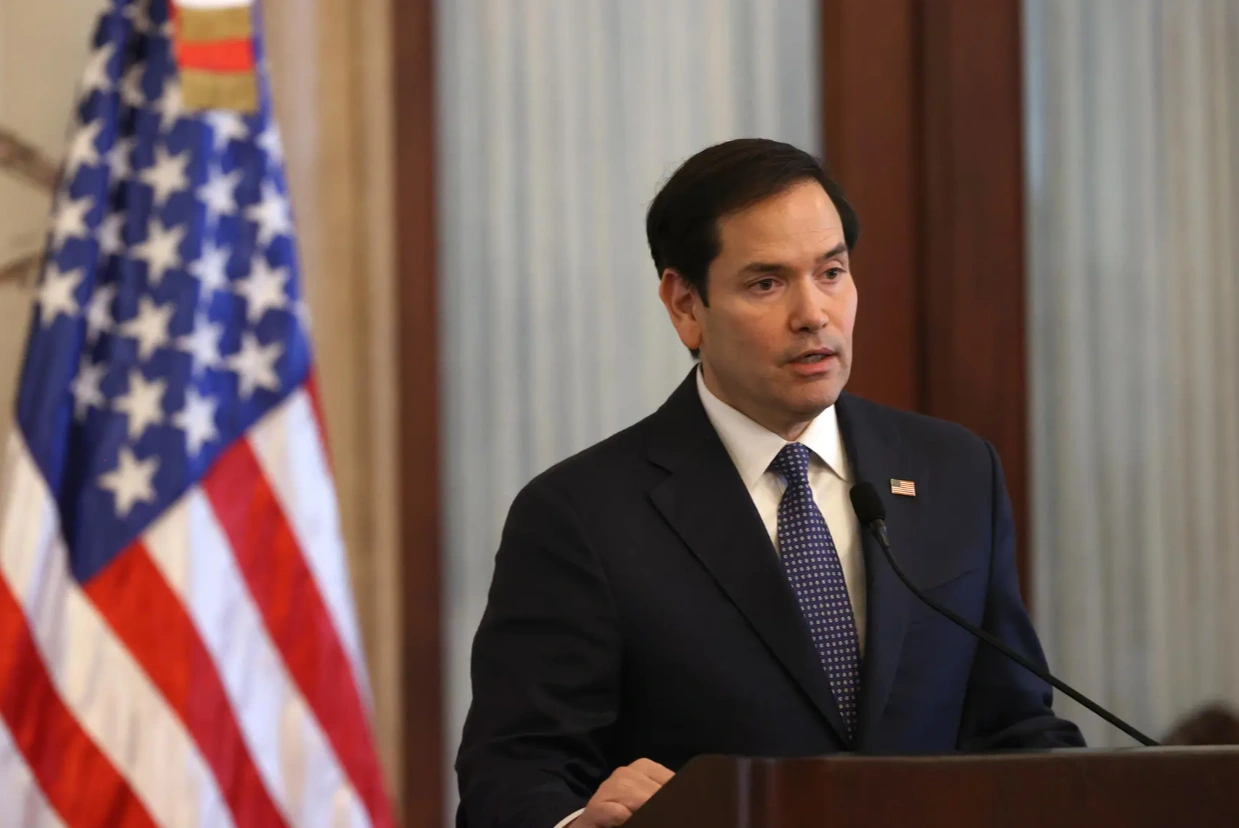
A central actor in this operation was Marco Rubio, who played a key role in the political and diplomatic articulation of the operation. From Washington, he promoted coordination between the State Department, Congress and strategic allies in the region, guaranteeing institutional support and accelerating decision-making in a context of
maximum urgency.
His intervention was decisive in sustaining the deployment and ensuring that the United States could respond quickly and effectively to the crisis.
Protecting lives under extreme conditions
The operation took place in a highly dangerous context.
With airspace restricted and under constant threat, the United States organized:
More than 60 evacuation flights
Ground convoys to safe areas
Coordination with regional allies
Even seats were provided on official flights to evacuate civilians in
the early days of the conflict.
Iran attacked with an unprecedented scale
.
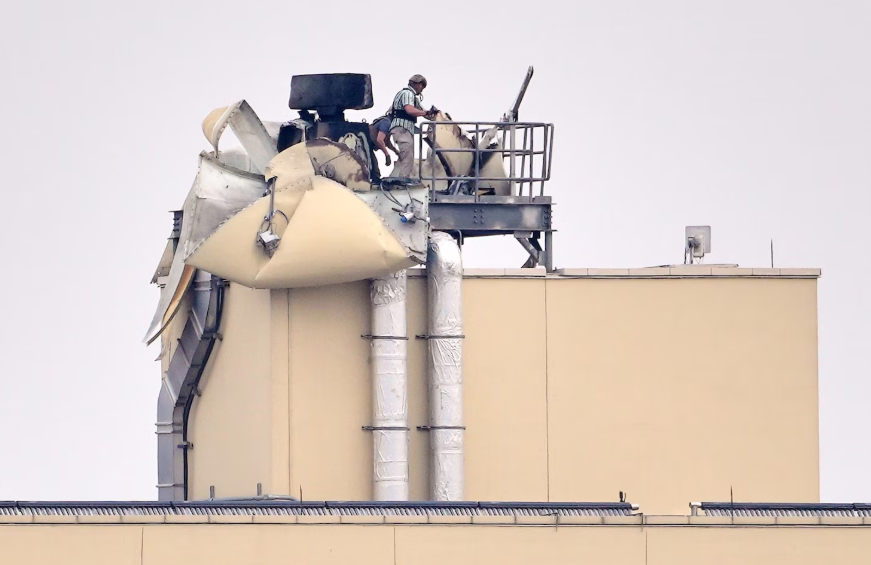
One of the hardest hit foci was the United Arab Emirates
.
There, the defenses intercepted hundreds of attacks: