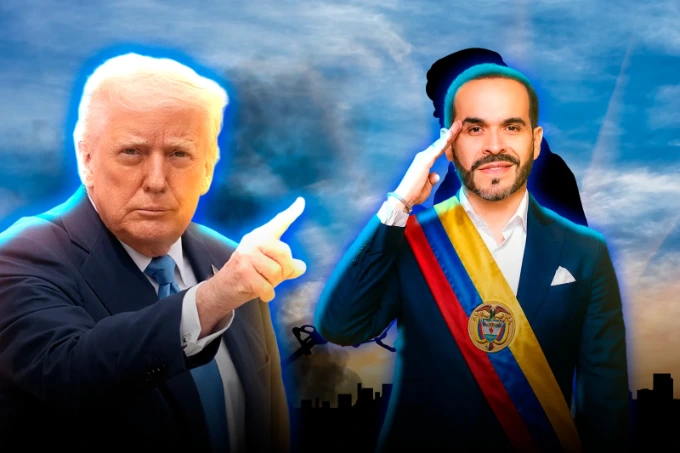
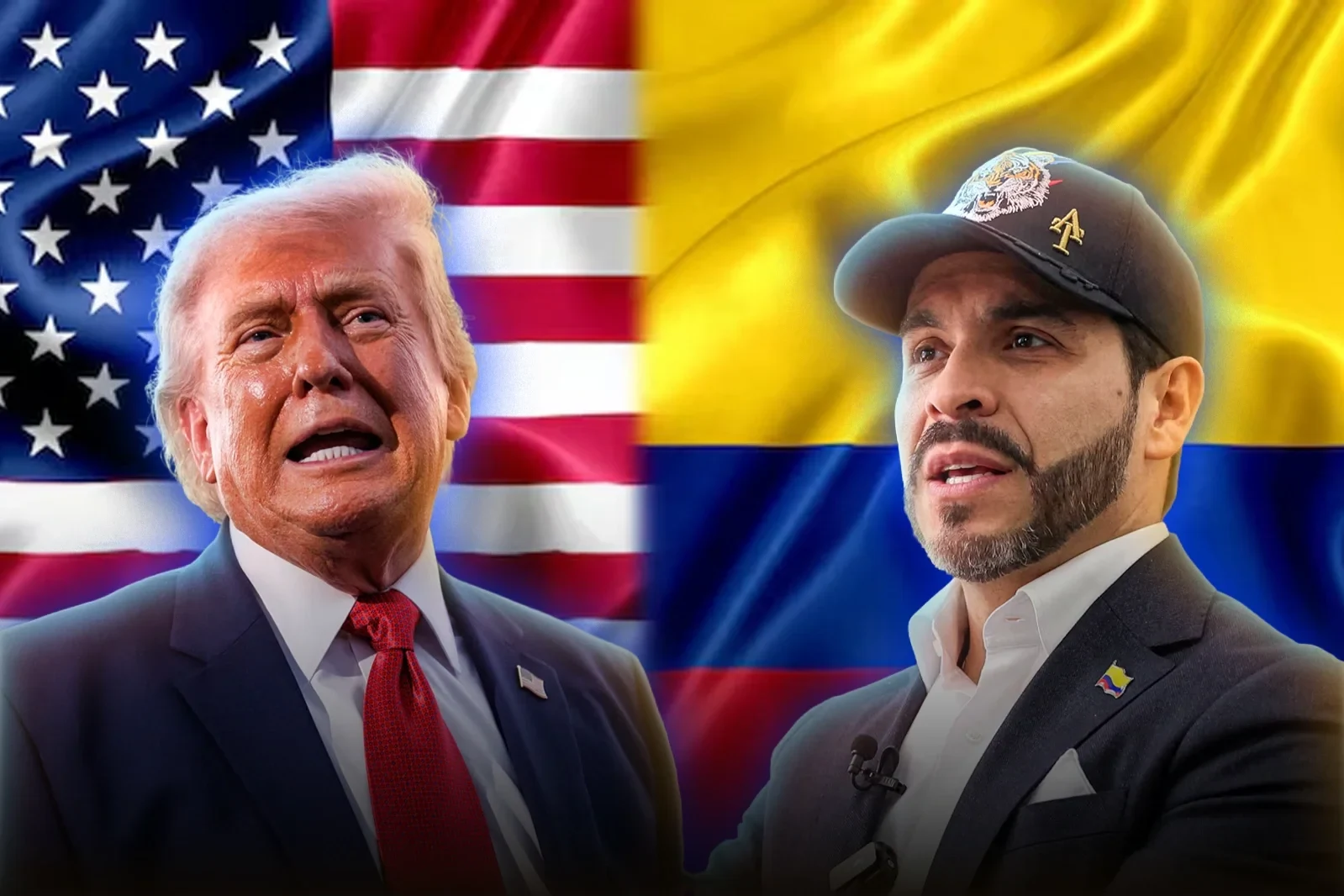
Just hours after the inauguration of Abelardo De La Espriella, the Donald Trump administration gave one of the first signals of support to the new Colombian government: The United States plans to allocate US$1 billion in security assistance to back the right-wing government in its offensive against drug trafficking and criminal organizations.
The announcement was made by the U.S. Department of State, which presented the package as one of the foundations of the new bilateral phase after four years of strong confrontations between Washington and the leftist government of Gustavo Petro.
Donald Trump had previously supported the election of the right-wing candidate.
The U.S. administration defined the initiative as a "cornerstone of this renewed alliance" and noted that it will work alongside the U.S. Congress to finalize the US$1 billion package aimed at achieving shared objectives between both countries.
The announcement represents a strong international backing for De La Espriella on his first day as president and comes immediately after the Colombian president promised to end the negotiation policy with criminal organizations.
During his inaugural speech, De La Espriella announced that Colombia will join the Shield of the Americas, the international cooperation initiative promoted by Trump and leaders like Javier Milei to combat drug trafficking and organized crime. He also ordered the Armed Forces to confront criminal structures head-on and stated that "the option of dialogue is completely exhausted".
The magnitude of the new U.S. package recalls the large cooperation programs implemented during the Colombia Plan. In July 2000, during the administrations of Andrés Pastrana and Bill Clinton, the United States approved an initial package of approximately US$1.3 billion, mainly aimed at strengthening the fight against drug trafficking. The strategy would later be deepened during the presidency of Álvaro Uribe, when military cooperation with Washington became one of the pillars of the offensive against guerrillas and cartels.
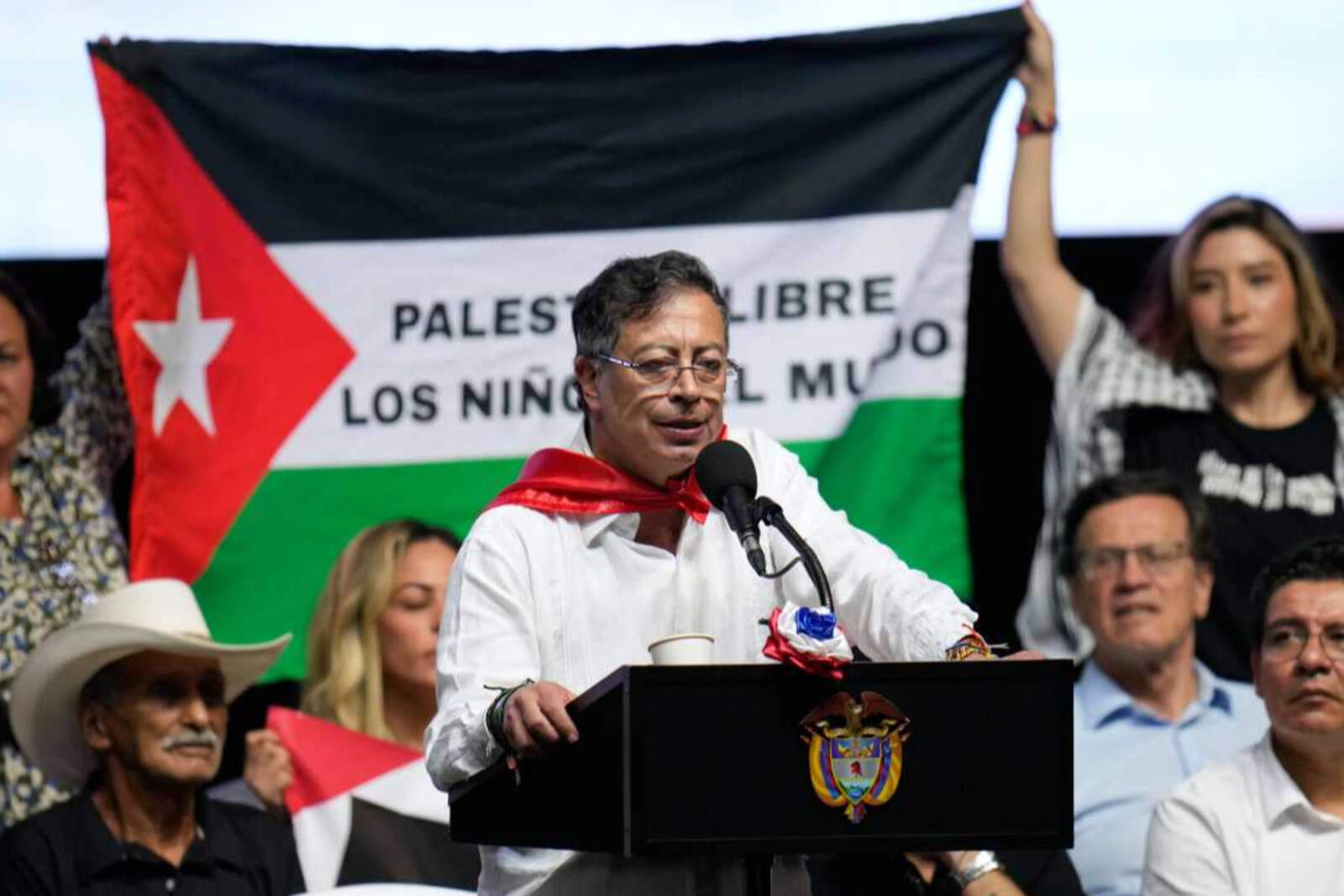
The understanding contrasts with the relationship maintained by Petro and Trump. In recent years, the former Colombian president was involved in repeated confrontations with Washington over issues related to drug trafficking, U.S. foreign policy, and his refusal to cooperate in operations against criminal organizations.
Gustavo Petro, former president of Colombia
With De La Espriella, Washington now seeks to revitalize bilateral cooperation in both security and economic matters, as explained by the Department of State. For the moment, however, there is no official announcement of a concrete reduction in tariffs for Colombian exports.
The shift began even before the inauguration. Trump had publicly supported De La Espriella during the presidential campaign and the new president made the rapprochement with the United States one of the main points of his foreign policy.
Thus, just as the new government begins, Colombia repositions itself as one of the main strategic allies of the United States in Latin America, while De La Espriella receives US$1 billion in support for one of the central priorities of his administration: the frontline fight against narcoterrorism.