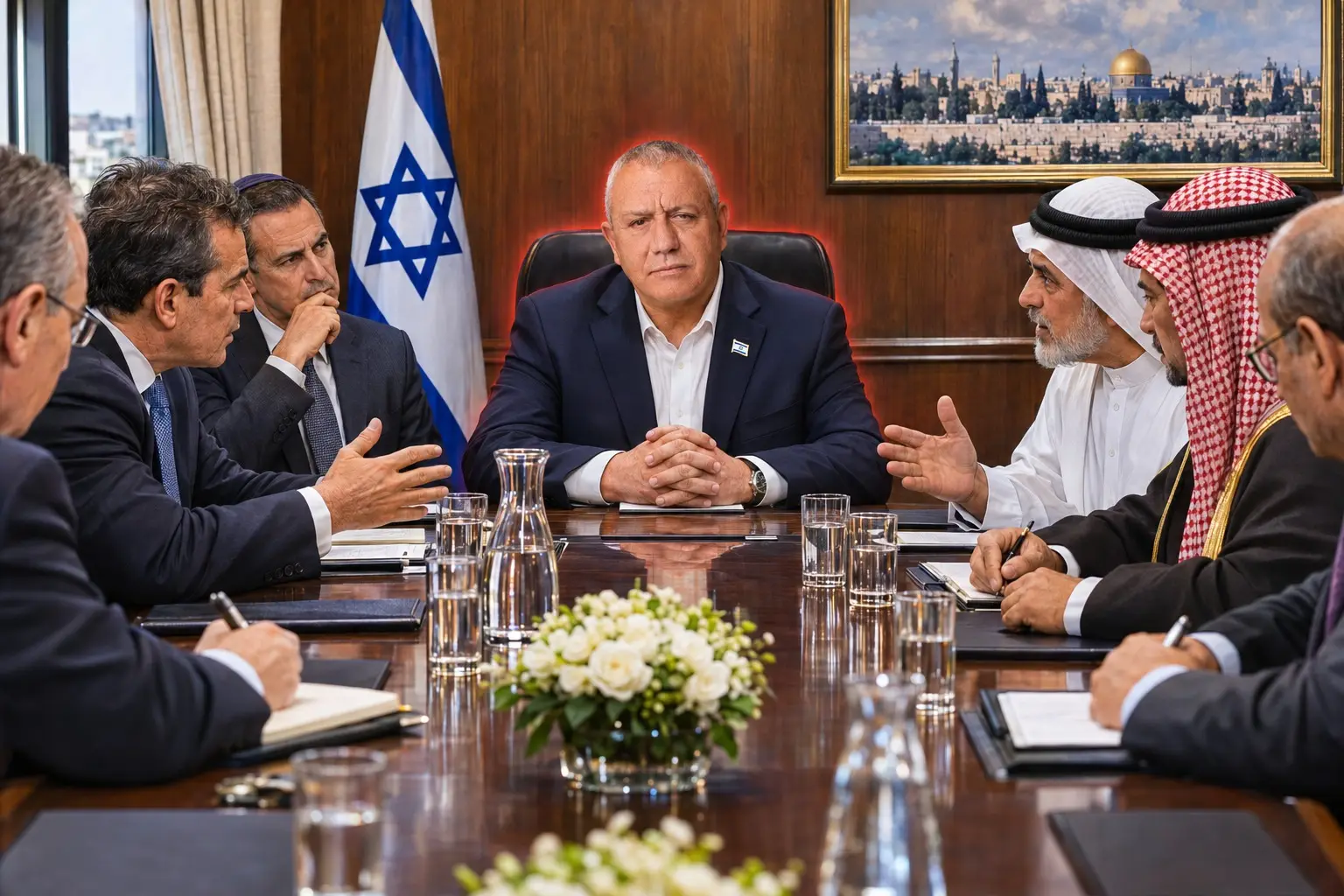
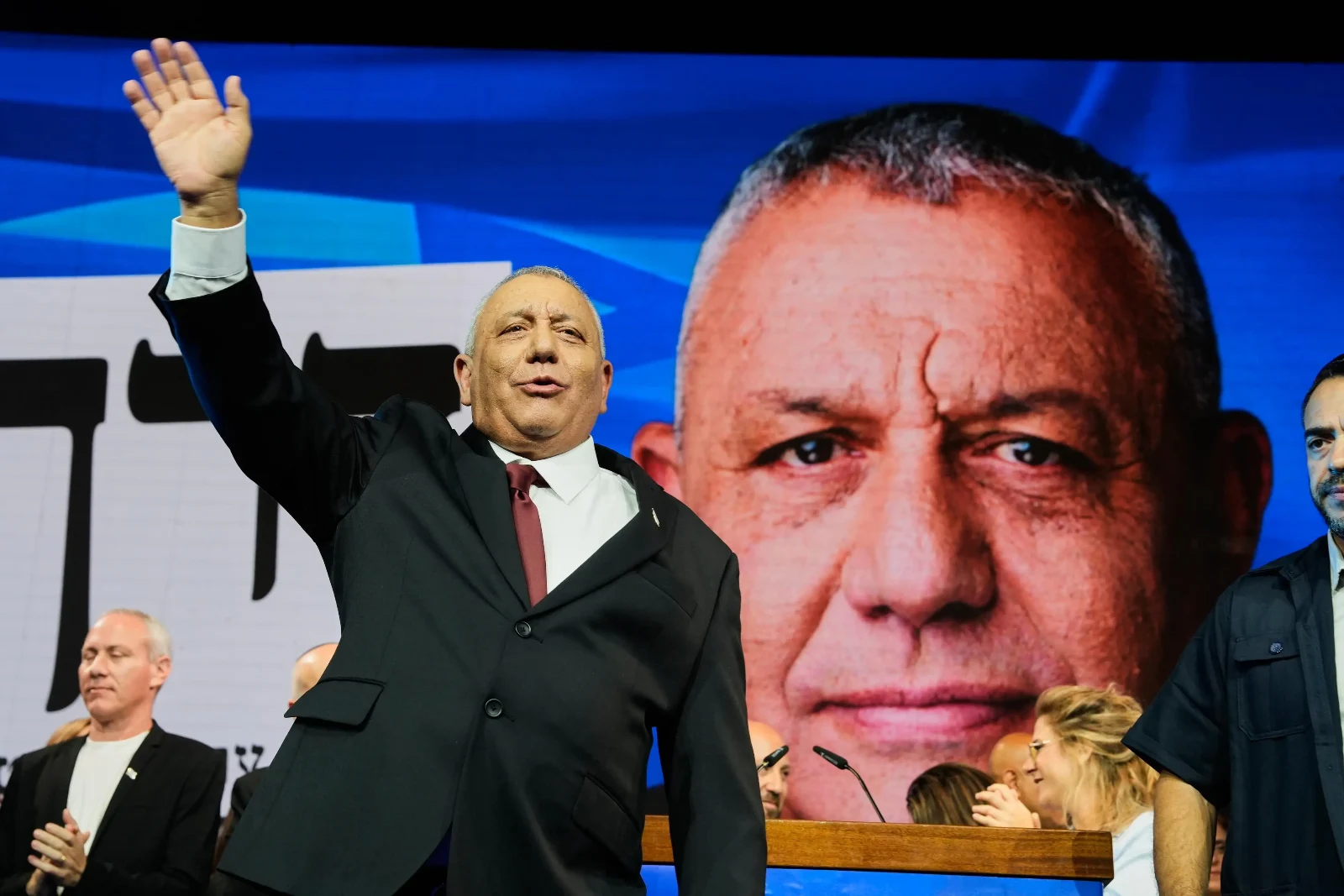
Gadi Eisenkot, leader of the right-wing party Yashar! and opponent of Prime Minister Benjamin Netanyahu, is negotiating with the left and Arab parties to try to form a new government in Israel
After consultations held by President Isaac Herzog with the various parliamentary groups, the former Chief of Staff gathered 67 recommendations to receive the mandate to form the next Executive, compared to the 46 obtained by the current Prime Minister
The support of the Arab parties was decisive in reaching that number. Before the Yashar! delegation presented itself on Thursday afternoon at the President's Residence, the Joint List announced that it would recommend Eisenkot. Thus, it joined Ra'am, The Democrats, Together, Yisrael Beytenu, and the opposition leader's own party
Gadi Eisenkot.
Negotiations in Israel
The consultation process began on Wednesday afternoon with recommendations from Religious Zionism, which backed Netanyahu. Subsequently, Zehut and Shas joined, while Otzma Yehudit and Likud did the same on Thursday. The United Torah Judaism party decided not to recommend either of the two candidates
Representatives of Likud, which has the largest individual representation in the Knesset, appeared after Yashar!, concluding the presidential consultation procedure
Unlike previous elections, Herzog decided to start with the smaller groups and progressively advance according to their parliamentary representation
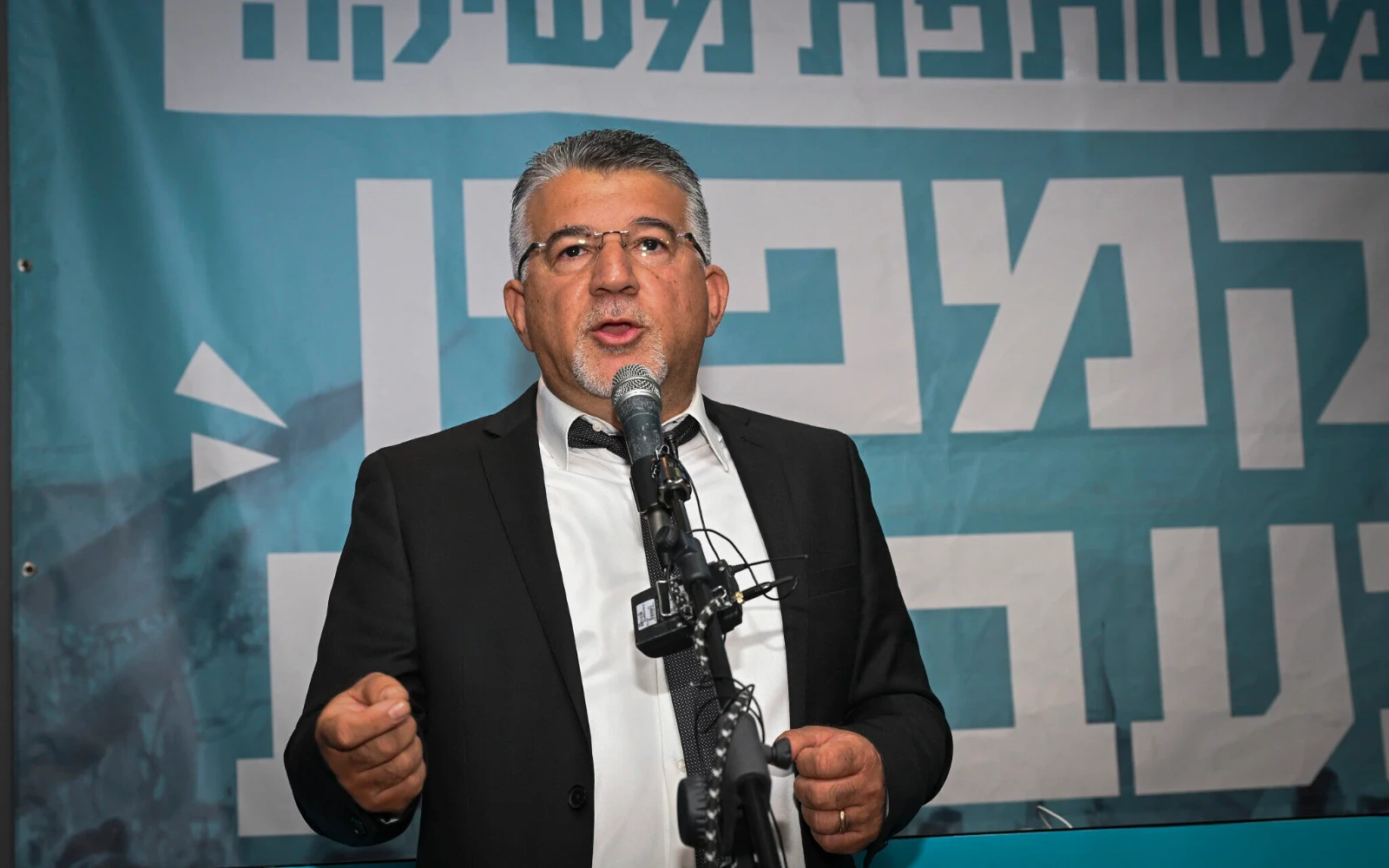
Joint List Leader.
Arab parties do not commit to defend Israel
However, the concerning position of the Arab parties also raised questions about the political and security conditions that could accompany a potential alliance with Eisenkot
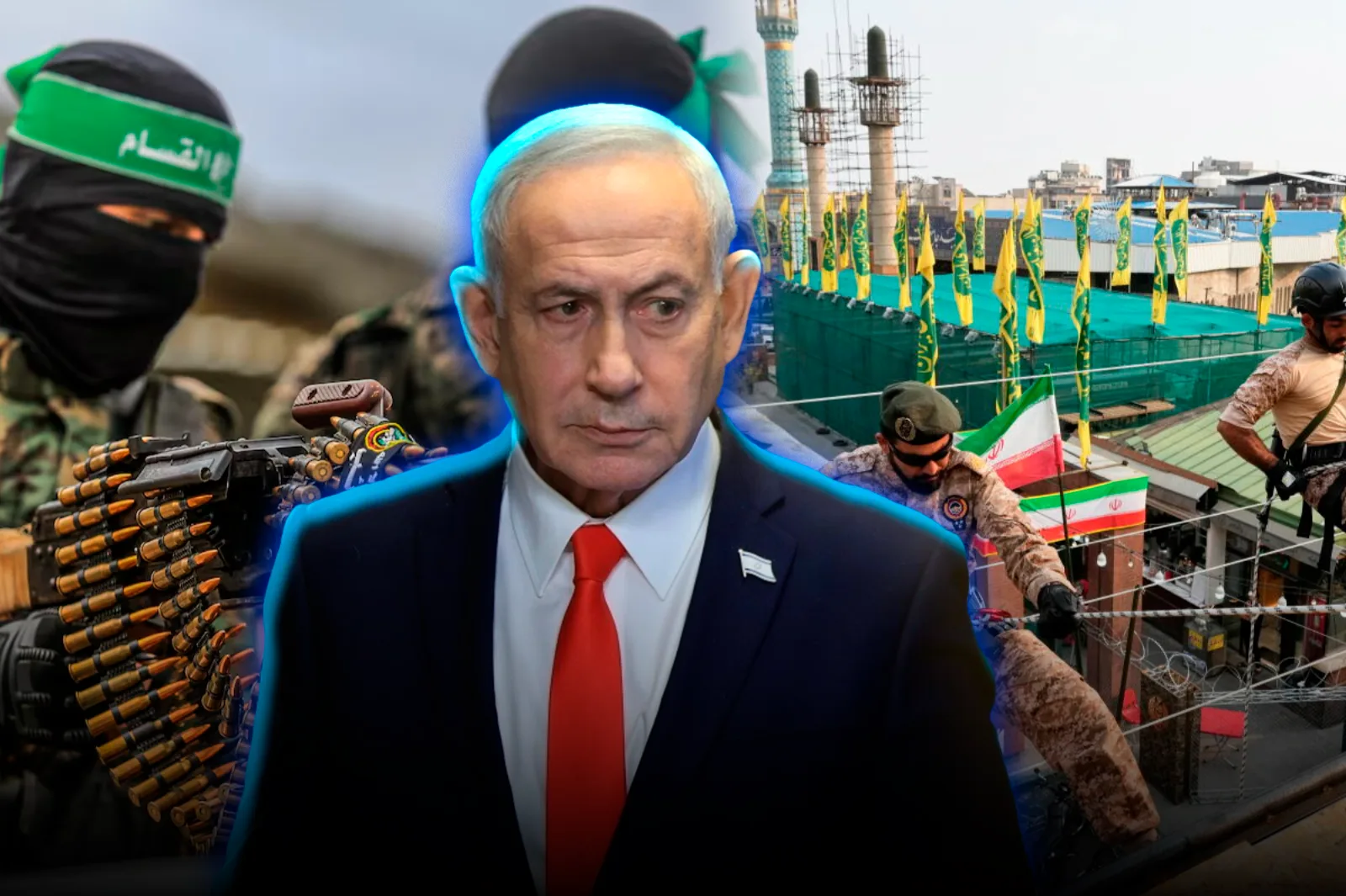
During the meeting with the Joint List, Herzog explicitly asked whether the group would maintain its support for Israel in the event of a major war against Iran or Hamas. "If there is a major security campaign, will you stop providing your support?", the Israeli president inquired
The head of the Joint List, Yousef Jabareen, avoided committing in advance and stated that the group would make a strategic decision based on the circumstances
"We will make decisions that serve our strategy to promote the values we believe in, and we aspire for the path to be one of peace", he responded, without clearly expressing his commitment to the country he seeks to govern
The position of the Arab parties represents one of the central points of the negotiations, due to the differences they maintain with some sectors of the opposition on security issues and the composition of a potential coalition
Among the issues that need to be resolved are the conditions demanded by the partners to support a new Executive, such as the recognition of Israel as a Jewish and democratic state and the designation of Hamas as a terrorist organization
Once Herzog formalizes the mandate, Eisenkot will have 28 days to try to gather the necessary support and present a coalition, with the possibility of requesting a two-week extension