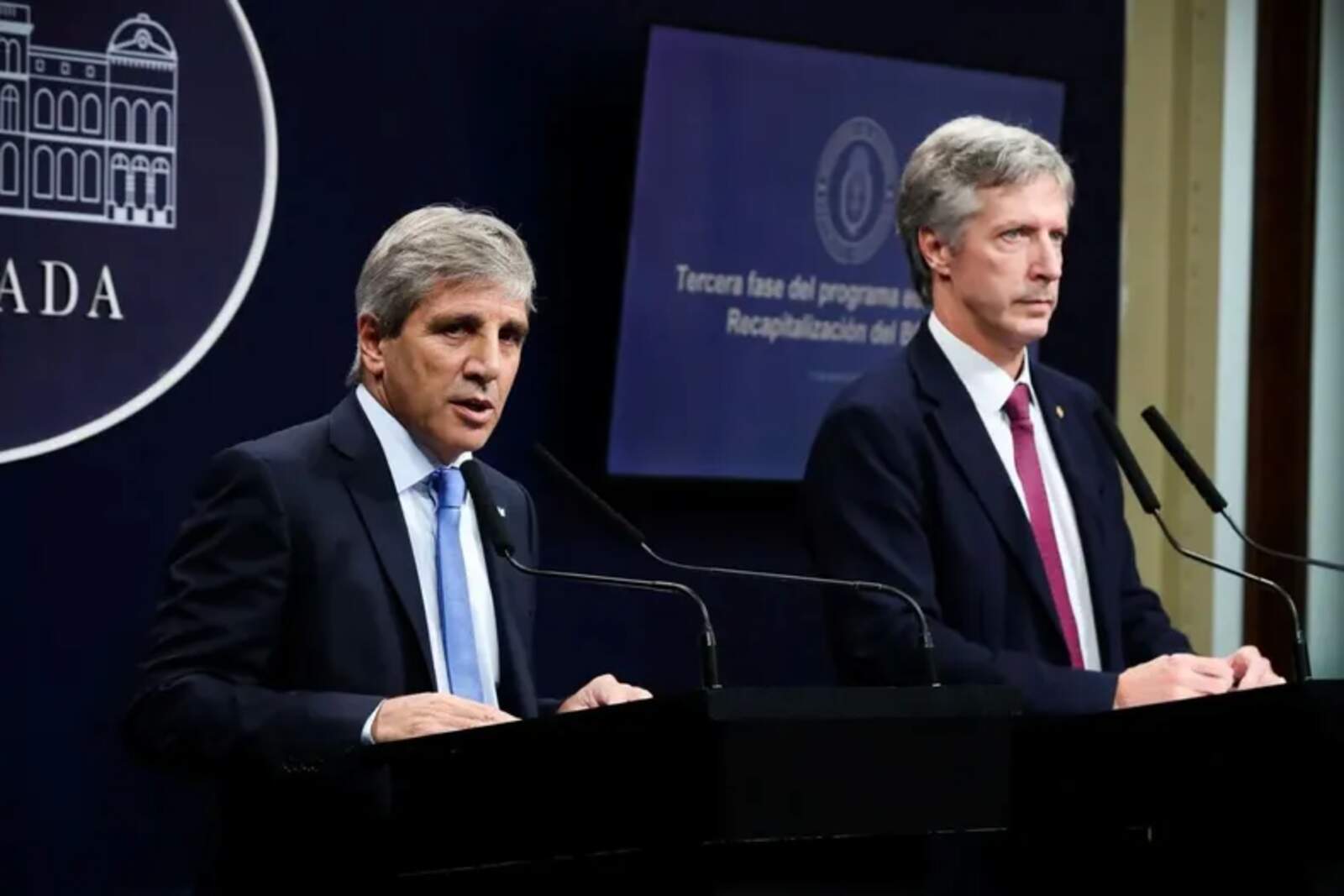

Amid a week marked by exchange rate tension, the band system implemented by Javier Milei's government proved its effectiveness, and those who bet against the model in search of an uncontrolled devaluation saw their expectations frustrated and, in many cases, lost a lot of money.
The combination of interventions by the Central Bank (BCRA), support from the United States Treasury, and the political backing represented by the meeting between Milei and Donald Trump in New York caused a major shift in the market, with the wholesale dollar, which days earlier was at the top of the band, falling this Tuesday to $1,369 for sale.
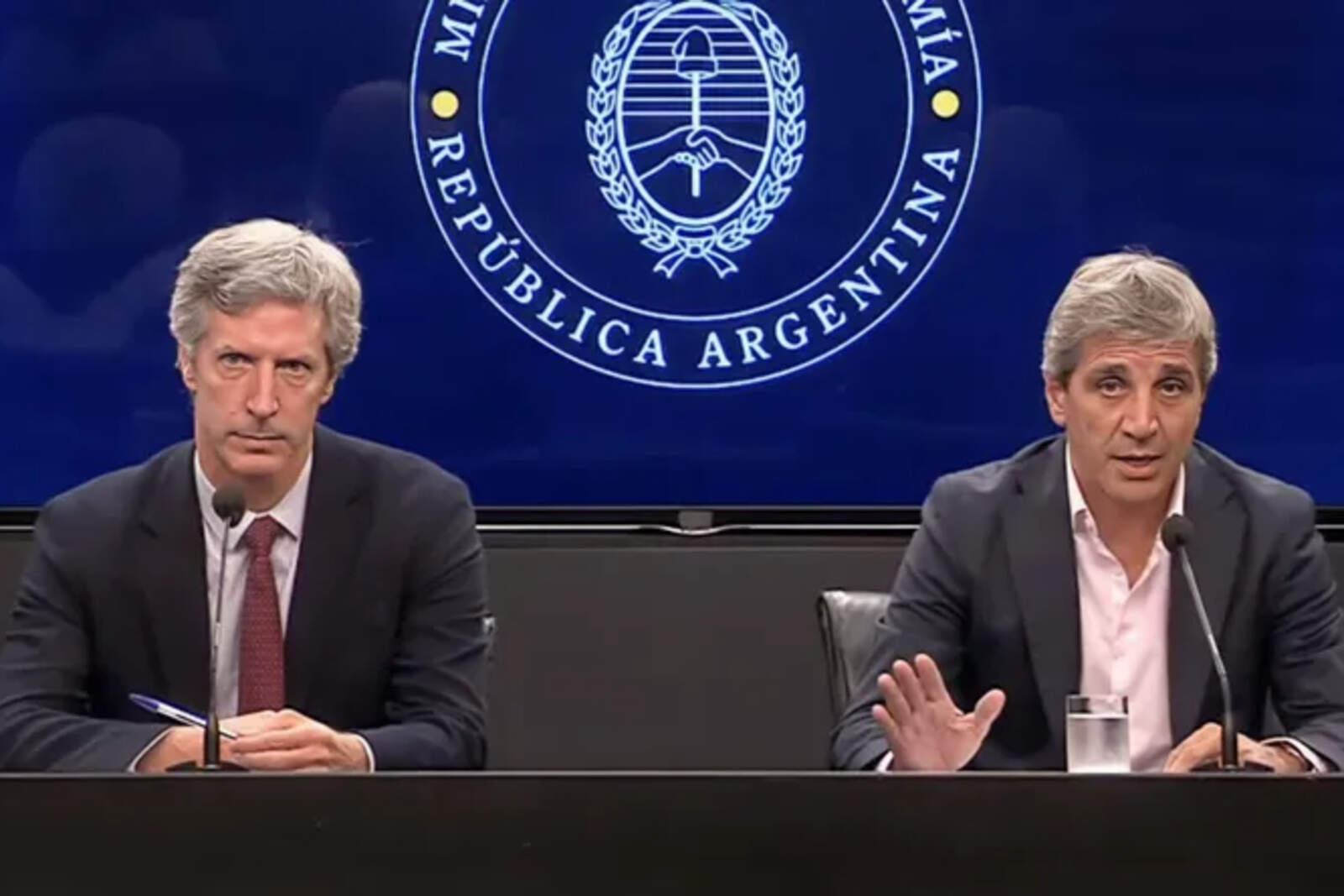
Between September 17 and 19, the BCRA intervened forcefully to sustain the top of the exchange rate band, selling a total of USD 1.11 billion. All these operations were carried out around $1,474.50 per dollar, a value that today is 105 pesos more expensive than the current rate, which allowed a large amount of pesos to be withdrawn from the economy and, at the same time, demonstrated the strength of the official scheme.
Milei's government's strategy paid off when, on September 22, the United States Treasury announced that it was willing to provide support to Argentina with multiple tools: loans, currency swaps, and even direct purchases.