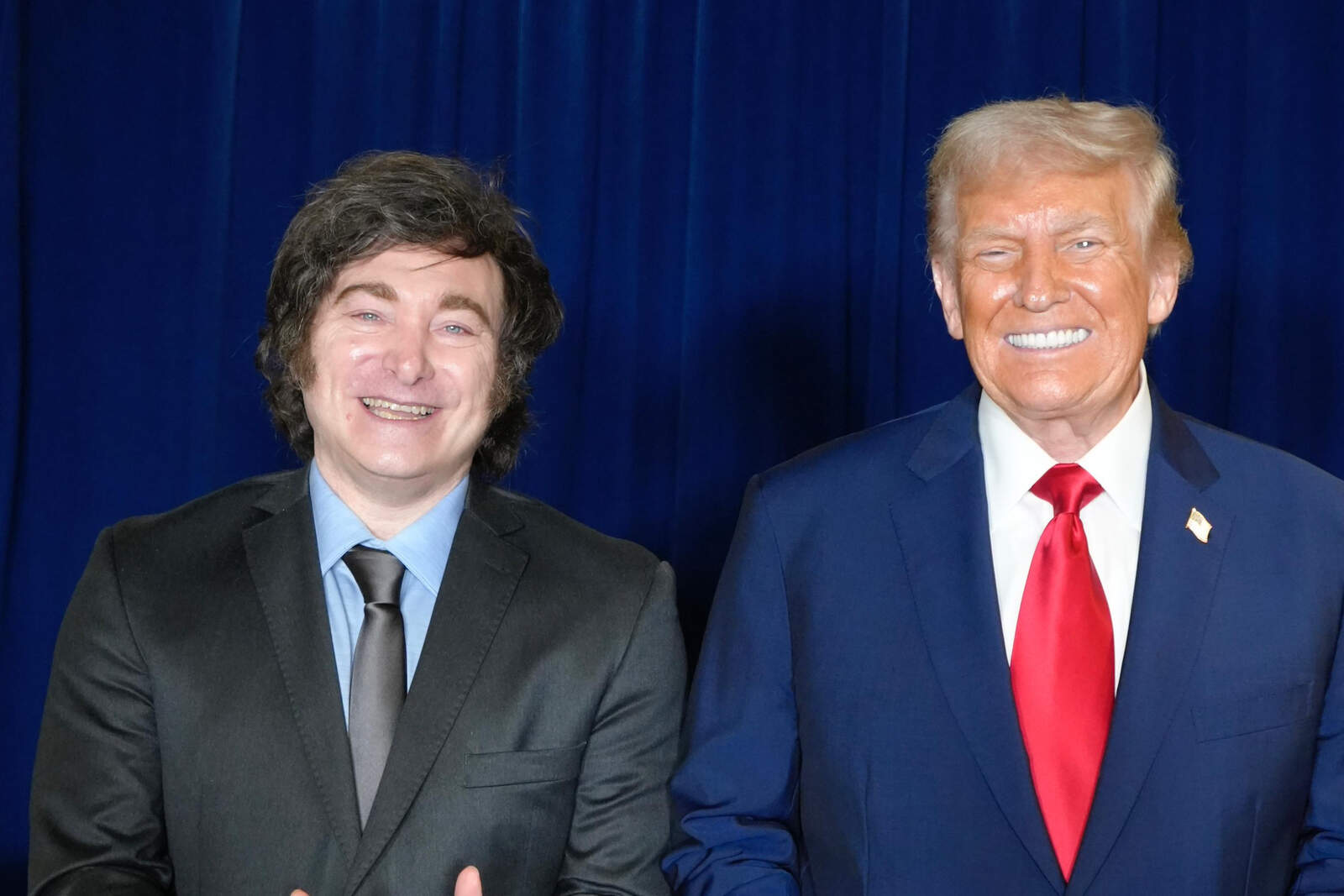

The meeting between Argentine President Javier Milei and his U.S. counterpart Donald Trump at the UN headquarters focused on the implementation of a loan aimed at covering Argentina's debt commitments over the next fifteen months. The meeting strengthens the strategic alliance between both governments and marks a shift in Argentina's foreign policy, which seeks to distance itself from Chinese financing and consolidate ties with Washington.
The bilateral dialogue lasted about twenty minutes in New York and centered on the financial assistance that the United States will make available to the Argentine administration. The goal is to ensure compliance with debt maturities and, at the same time, strengthen the Central Bank's reserves. The main tool will be the Currency Stabilization Fund, designed to prevent market volatility from affecting the ongoing economic program.
The political support was reflected in previous messages from Trump on his social network Truth. "The highly respected president of Argentina has proven to be a truly fantastic and powerful leader for the great Argentine people, moving forward at record speed in all areas", stated the U.S. president. In that vein, he added: "He inherited a 'total disaster' with horrible inflation caused by the previous radical left-wing president (very similar to the corrupt Joe Biden, the WORST president in the history of our nation), but he has restored stability to the Argentine economy and has elevated it to a new level of prominence and respect".
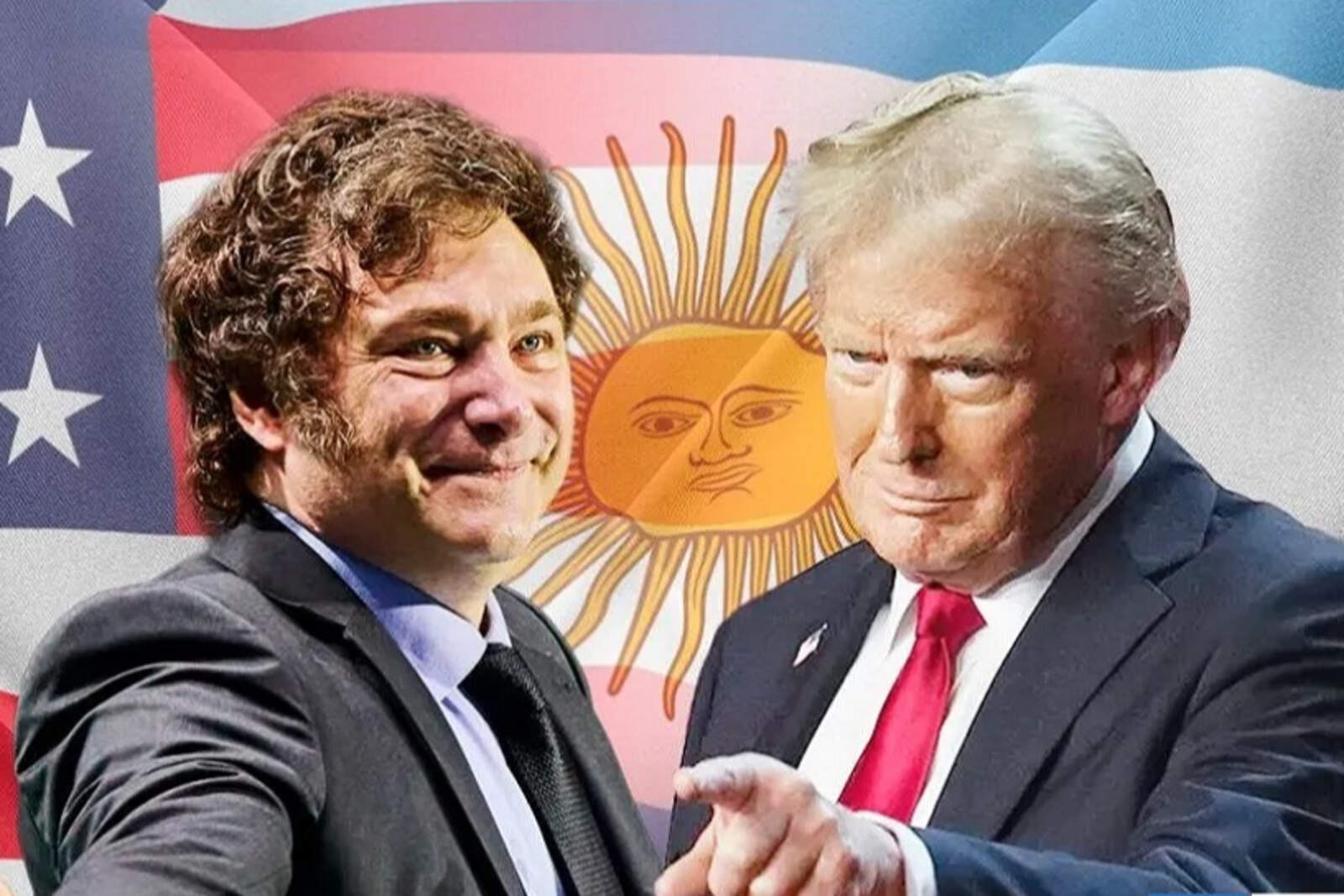
Trump also expressed explicit support for the reelection of Milei: "Argentina: Javier Milei is a very good friend, fighter, and WINNER, and he has my total and absolute support for his reelection as president. He will never let you down!". This way, the personal and political relationship between both leaders is projected as a pillar of bilateral cooperation in the coming years.
The economic context explains the need for this agreement. Between October 2025 and June 2026, Argentina faces debt maturities totaling nearly 28 billion dollars. Of that amount, more than 7.5 billion correspond to multilateral organizations —including the IMF—, around 10.7 billion to bonds and notes, and 3 billion to the BOPREAL scheme. The magnitude of these commitments makes the traditional assistance framework of the International Monetary Fund insufficient.
The scheme agreed with the United States provides that disbursements will be implemented under a swap format: dollars will be transferred to the Central Bank, while Argentina will deposit pesos in a U.S. Treasury account in New York. This mechanism allows the Government to dispense with Congressional approval, which is controlled by the opposition, and guarantees immediate liquidity to sustain international reserves.