Argentine companies move forward with DFC and Eximbank loans after years without U.S. financing in the country
Compartir:
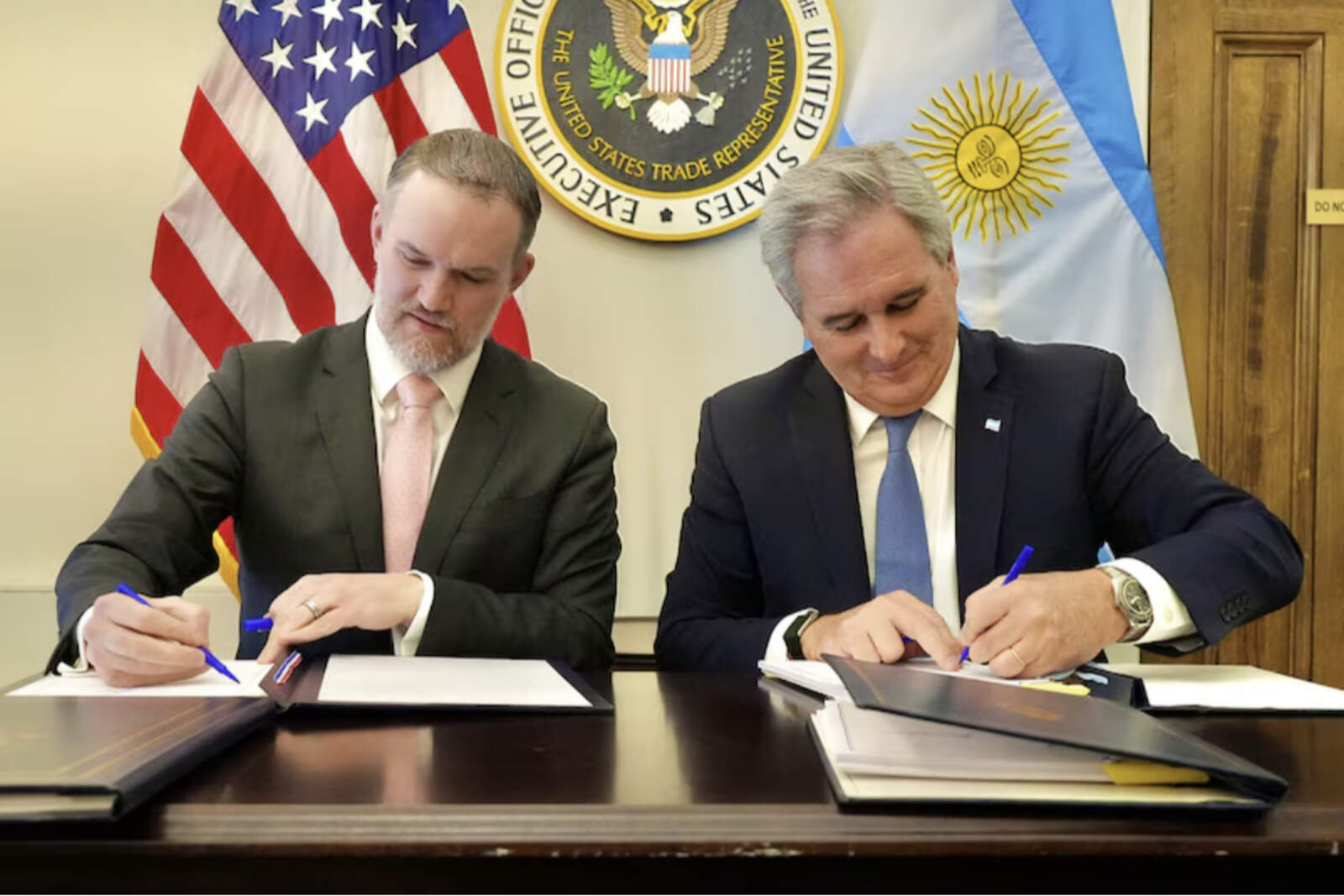
Less than a week after the signing of the trade agreement between Argentina and the United States, the first concrete movements in terms of international financing have already begun to be recorded.
The new bilateral framework expanded tariff exemptions and mutual tax benefits. However, it also enabled greater possibilities of access to lines of credit granted by U.S. government agencies.
Among them are the U.S. International Development Finance Corporation (DFC) and the Export-Import Bank of the United States (Eximbank). These constitute two key instruments of Donald Trump's administration to support investments in strategic sectors.
Estados Unidos vuelve a financiar proyectos en la Argentina a través de la DFC y el Eximbank luego de años sin operar en el país
According to market sources, there are already at least two Argentine companies with advanced evaluation processes. Both companies are going through due diligence stages and have received in-person visits from representatives of the U.S. agencies at their plants. One belongs to the agricultural sector and the other to the industrial sector.
The amounts under analysis are significant and, according to sources familiar with the negotiations, they could even exceed USD 50 million.
Metalfor set the path
The most emblematic case is Metalfor, a company from Córdoba that manufactures agricultural machinery and obtained USD 50 million in financing from DFC. It was the first loan approved by the agency after more than six years without operations in Argentina. It should be noted that it was one of the few global disbursements authorized in 2025.
The line was granted for a term of eight years, with a two-year grace period. The sector emphasizes that this is not an isolated event. "There are at least two other companies that are going through the same process with DFC, even with higher amounts," business sources indicated.
The reactivation of these lines means that companies with real production and assets once again have access to financing backed by the U.S. government. This phenomenon had been practically closed for several years due to the instability and protectionism of our country.
Metalfor es una empresa de maquinaria agrícola de última tecnología
Strategic interest and critical minerals
The United States has already committed more than USD 30 billion globally to projects linked to critical minerals and rare earths. Eximbank concentrates more than USD 26 billion in loans and other instruments, while DFC keeps close to USD 1.94 billion in strategic investments related to these sectors.
In that context, Argentina is once again appearing on Washington's radar of interest. This is especially true for its areas linked to industrial production, infrastructure, and access to strategic resources.
Senior business sources explained that, if the requirements are met, both DFC and Eximbank will consider supporting investments in critical sectors. The arrival would take place in collaboration with U.S. private partners and in accordance with current legislation.
Background and changing scenario
Before its creation in 2019, DFC's predecessor, the Overseas Private InvestmentCorporation (OPIC), had financed projects in the country, mainly in renewable energies. The commitment had been made in the Ullum solar complex in San Juan and in wind farms under the RenovAr program.
However, after the agency's shift in focus toward projects with greater strategic impact, Argentina was left outside its orbit for several years. The recent shift in the bilateral relationship reopened that door.
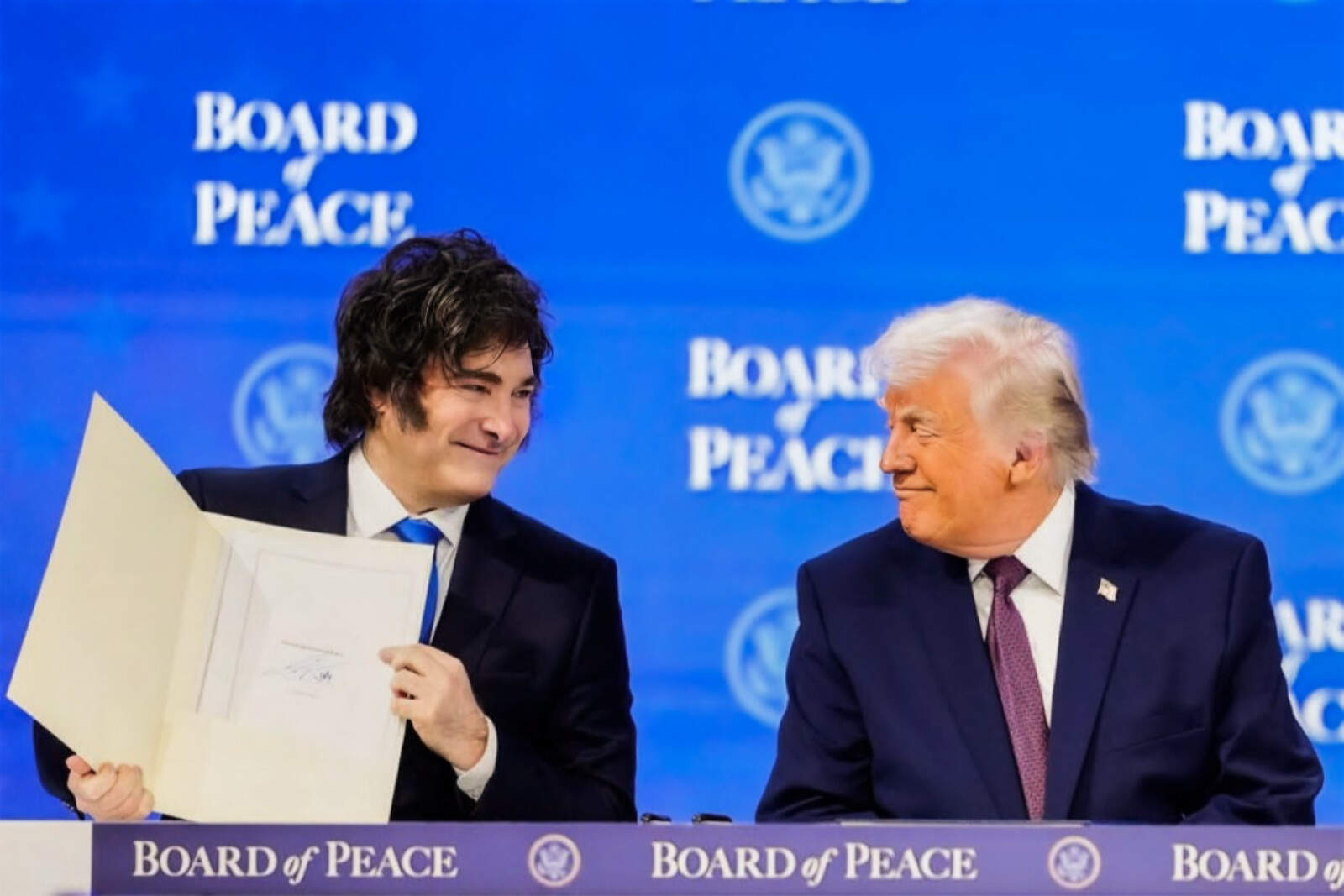
Javier Milei firmó el ingreso de Argentina como miembro fundador del Board of Peace
DFC was created as a result of the merger between OPIC and USAID's Development Credit Authority, with the objective of mobilizing private financing in emerging markets and strengthening strategic supply chains.
The agency emphasizes that it invests in sectors such as critical minerals, modern infrastructure, and advanced technology. Its objective is to combine economic development with the strategic interests of the United States.
Although not all of the agency's budget will have Argentina as an immediate destination, the private sector stresses that the country has once again become part of the U.S. financing map. The first loans have already begun to materialize.