The largest aircraft carrier in the world reinforces the U.S. military presence in the face of Iran
Compartir:
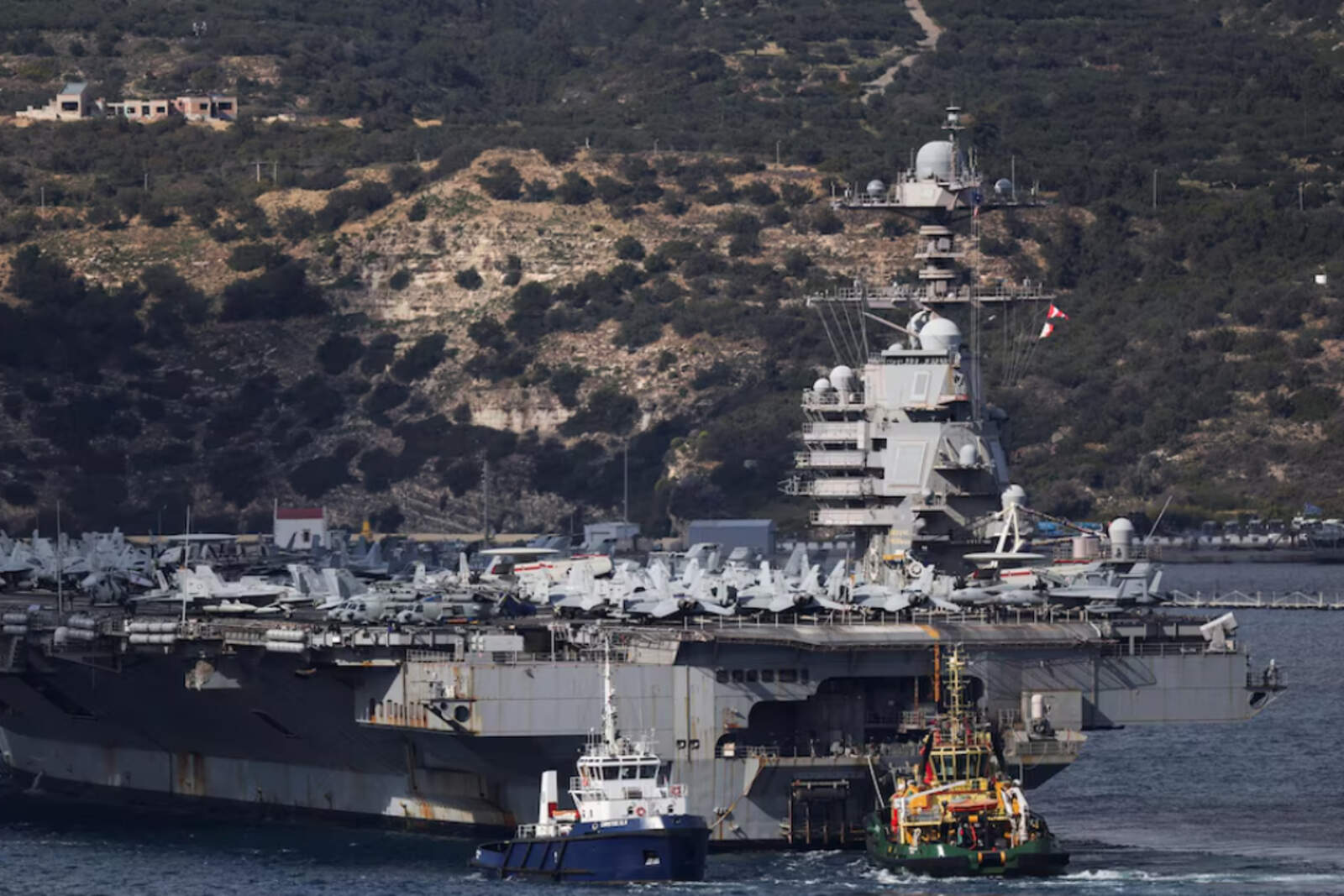
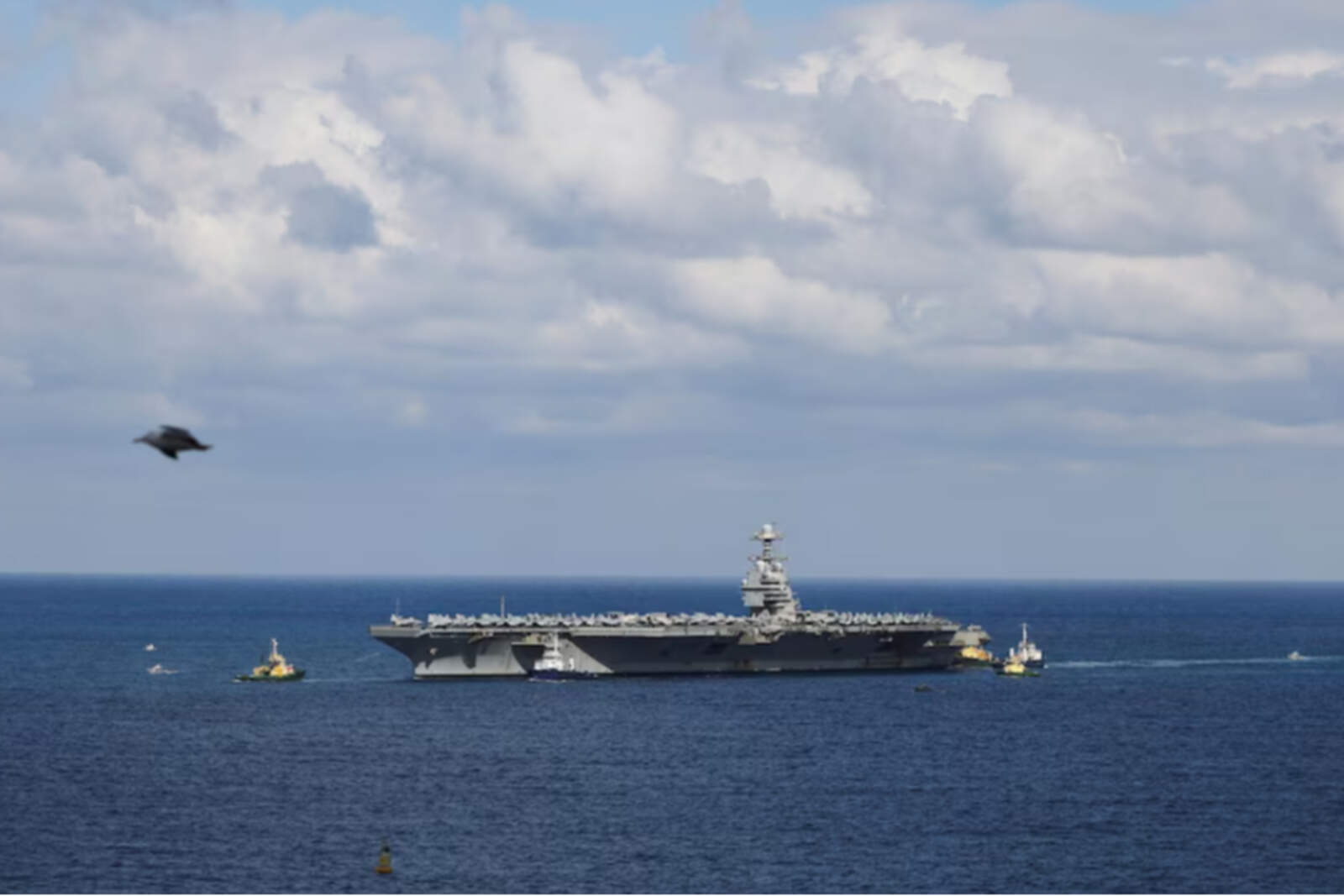
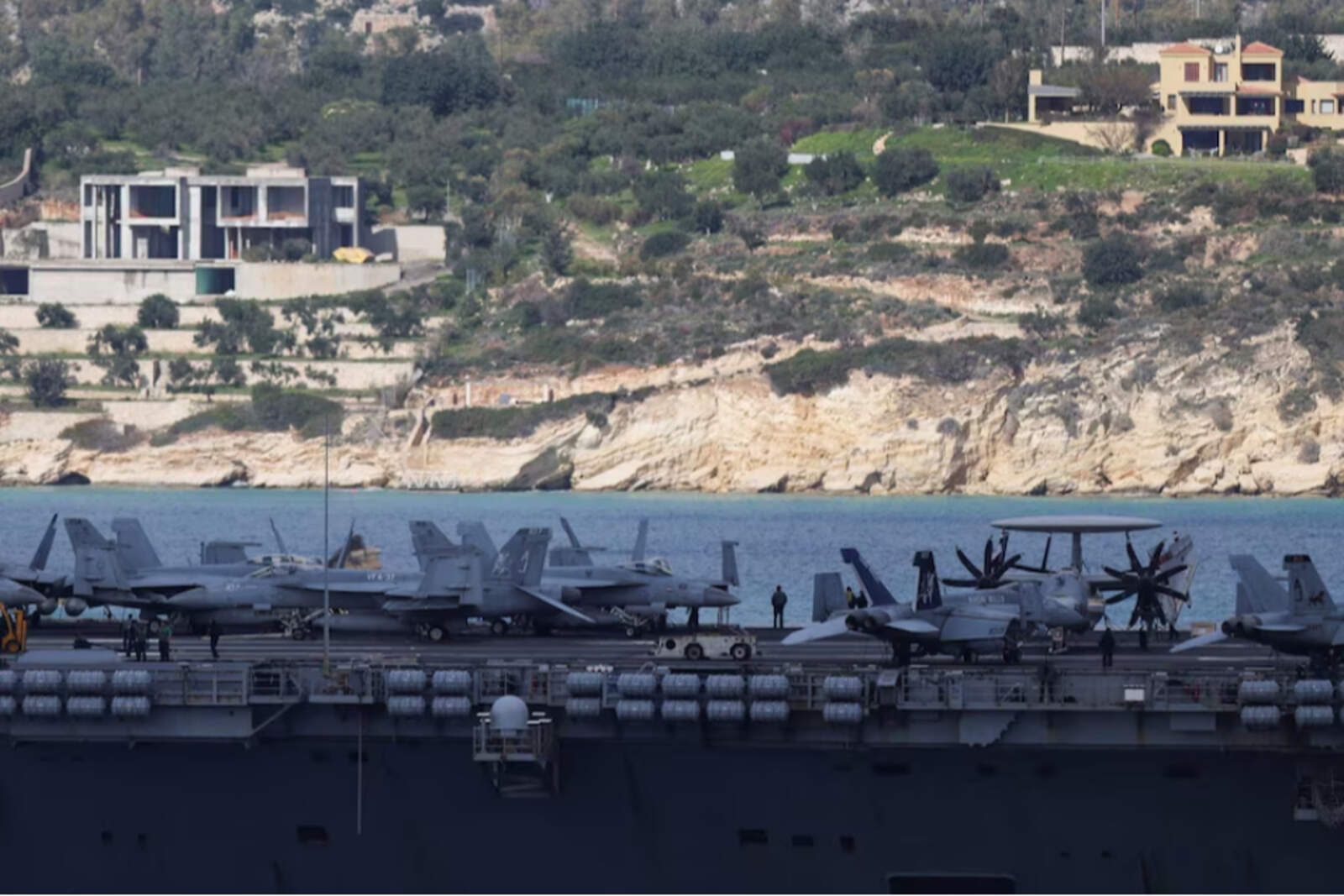
The aircraft carrier USS Gerald R. Ford arrived on the island of Crete amid growing tension between the United States and Iran.
The vessel, considered the largest and most modern of its kind in the world, crossed the Strait of Gibraltar and entered the eastern Mediterranean as part of the largest U.S. military buildup in the region since 2003.
The deployment strengthens Washington's response capability in the event of possible incidents in the Middle East.
Greater air and naval presence in the region
The move isn't isolated. It is part of a broader strategy that includes air and naval forces deployed in the Persian Gulf, the Red Sea, and the Mediterranean.
Since January, there have been nearly 160 C-17A military transport flights to the region. C-5M flights bound for Saudi Arabia, Qatar, and Djibouti have also been added.
Se viene: el portaaviones USS Gerald R. Ford llega a Creta en plena tensión con Irán
In addition, KC-135 and KC-46 tanker aircraft are reinforcing in-flight refueling. This allows prolonged operations to be sustained.
Intelligence and missile defense
The United States has also increased its intelligence capability. RC-135 SIGINT aircraft are operating out of Greece. Aircraft specialized in electronic warfare are located at bases in Jordan and Saudi Arabia.
The monitoring includes WC-135R nuclear sensors and E-3 Sentry AWACS early warning systems.
In parallel, U.S. Central Command transferred additional THAAD system batteries and is keeping Patriot systems operational to protect strategic positions.
Carrier strike groups in the Mediterranean and the Arabian Sea
The aircraft carrier is operating alongside a strike group that includes destroyers and frigates.
The region is also home to the group led by USS Abraham Lincoln, as well as other vessels deployed in the Persian Gulf and the Red Sea.
An Ohio-class submarine, with nuclear capability and long-range strike capacity, remains at an undisclosed location.
Tension over the Iranian nuclear program
The buildup of forces responds to the escalation with Tehran over the nuclear program and the regime's internal instability.
Se viene: el portaaviones USS Gerald R. Ford llega a Creta en plena tensión con Irán
Iran carried out tests of the Sayyad-3G naval missile in the Strait of Hormuz. This is a key chokepoint for global hydrocarbon trade.
President Donald Trump warned of the possibility of limited strikes if nuclear negotiations fail. Washington set a deadline of between 10 and 15 days to reach an agreement.
The talks are continuing with Oman's mediation in Muscat and Geneva.
A message of deterrence
The deployment of USS Gerald R. Ford sends a clear message. The United States seeks to guarantee the security of its allies and protect strategic maritime routes.
The combined presence of naval and air forces and defense systems shows a firm deterrence strategy.
As diplomatic negotiations continue, the White House is keeping the military option open as a backup in the event of any escalation in the region.