Amid the negotiations led by Steve Witkoff, the United States government denied an offer from Khamenei's regime
Compartir:
A senior United States official categorically denied an unsourced report that claimed that Iran had submitted a broad proposal during the most recent round of nuclear talks.
The account, published by the pro-government outlet Iran International, maintained that Tehran had offered to suspend uranium enrichment for three years and to adopt a series of additional commitments on military and regional political matters. However, when asked about it, the U.S. official was blunt: the information is "completely false."
According to the report, the alleged Iranian proposal included a total freeze on enrichment for a period of three years, followed by a permanent limit of 3.67%, a level similar to that contemplated in previous agreements.
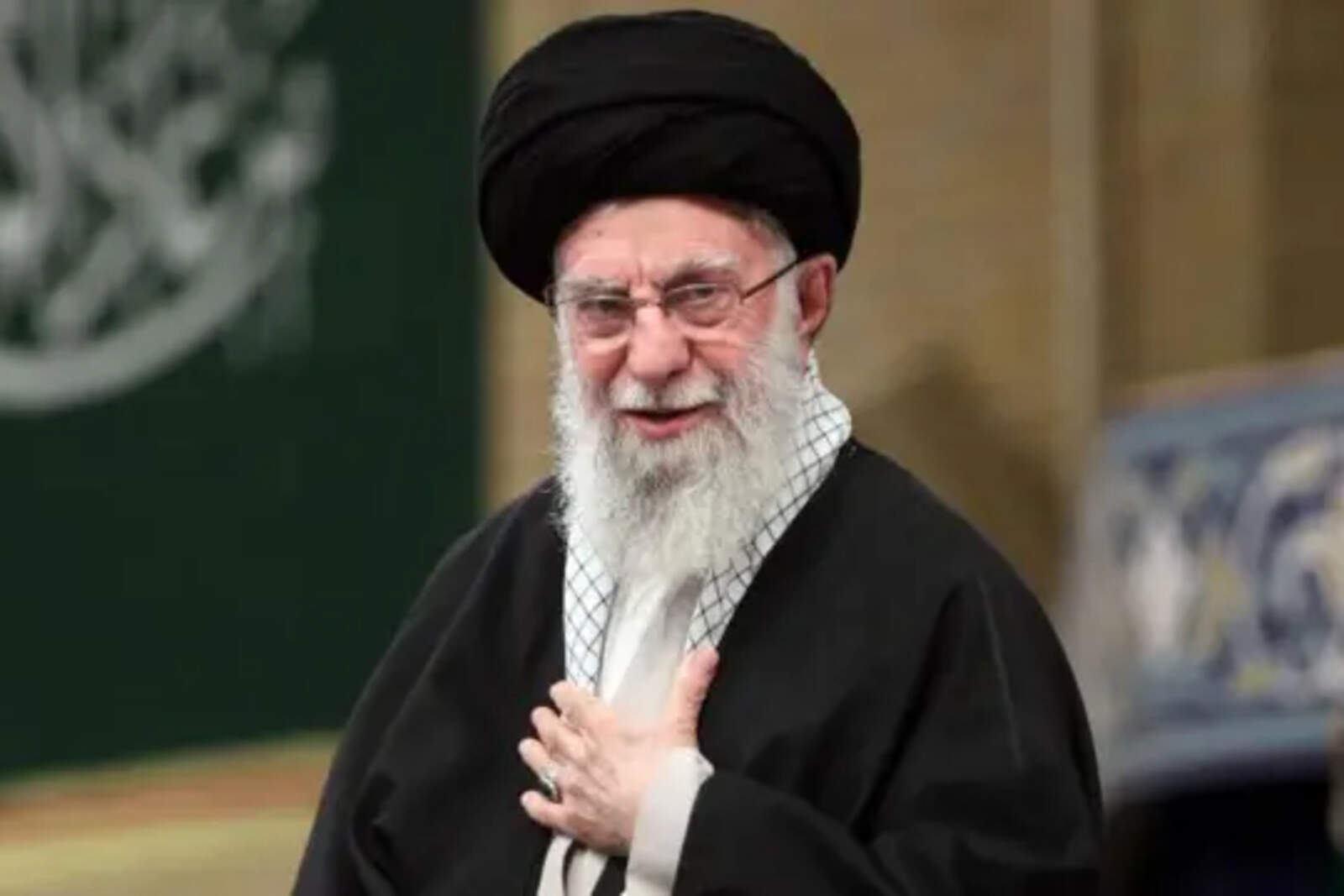
El régimen de Jamenei habría ofrecido suspender el enriquecimiento de uranio durante 3 años, de acuerdo al reporte desmentido
In addition, the material already enriched would be diluted under United States supervision or transferred to a third country, preferably Russia. It was also indicated that Iran would maintain its ballistic missile program, although with the commitment to employ it solely in a defensive posture and not against Israel.
The report added that Tehran would be willing to stop publicly questioning Israel's right to exist and to end military support for armed Palestinian groups, in what is interpreted as a reference to organizations such as Hamas and Hezbollah.
On the economic front, the proposal envisaged that Iranian oil sales would be channeled through Swiss mediation, including a 5% commission for the United States.
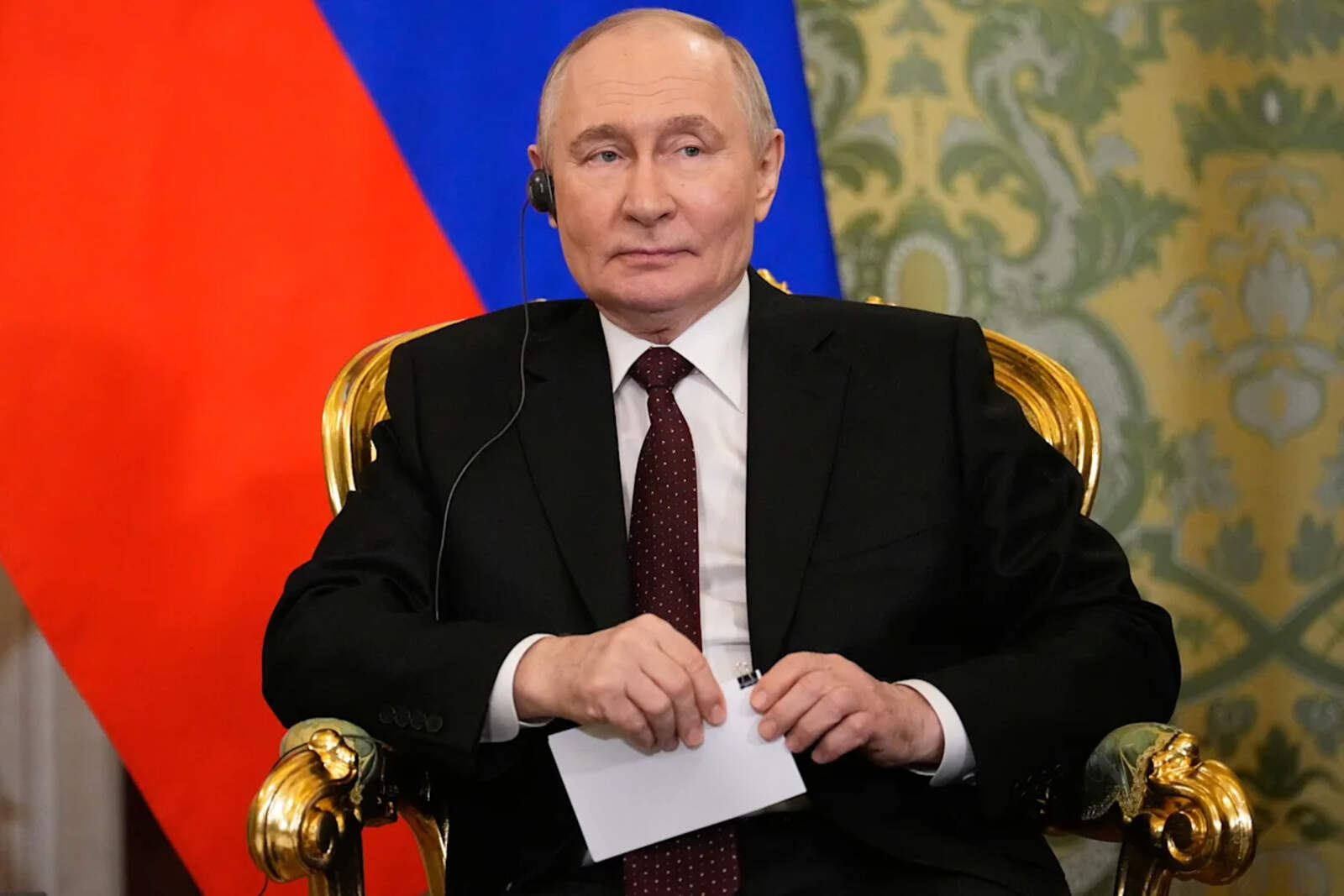
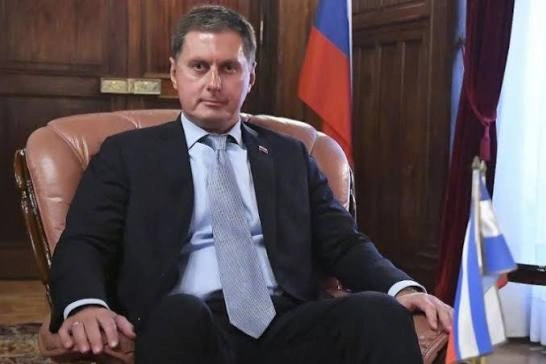
De acuerdo al informe, el uranio enriquecido podría haber sido trasladado a Rusia
Nevertheless, Washington flatly rejected the existence of such an offer under the terms described. According to the version that was circulated, U.S. special envoy Steve Witkoffreportedly considered that the concessions were not sufficient and declined to continue negotiating on that basis. Although the U.S. government did not confirm those details, it did make its position clear that there is no such formal proposal on the table.
The official response is aligned with the policy maintained during President Donald Trump's administration, which prioritizes a maximum-pressure strategy on Tehran with the aim of achieving broader and more permanent restrictions on its nuclear program and its military capabilities.
From that perspective, any agreement must guarantee strict verification mechanisms and long-lasting commitments that prevent the possibility that Iran will resume sensitive activities after a limited period.
Analysts close to that line argue that a temporary pause in enrichment doesn't structurally eliminate the risk of proliferation, but simply postpones it.
They also believe that keeping the ballistic missile program intact, even under a "defensive" definition of use, leaves open questions about long-term regional stability.
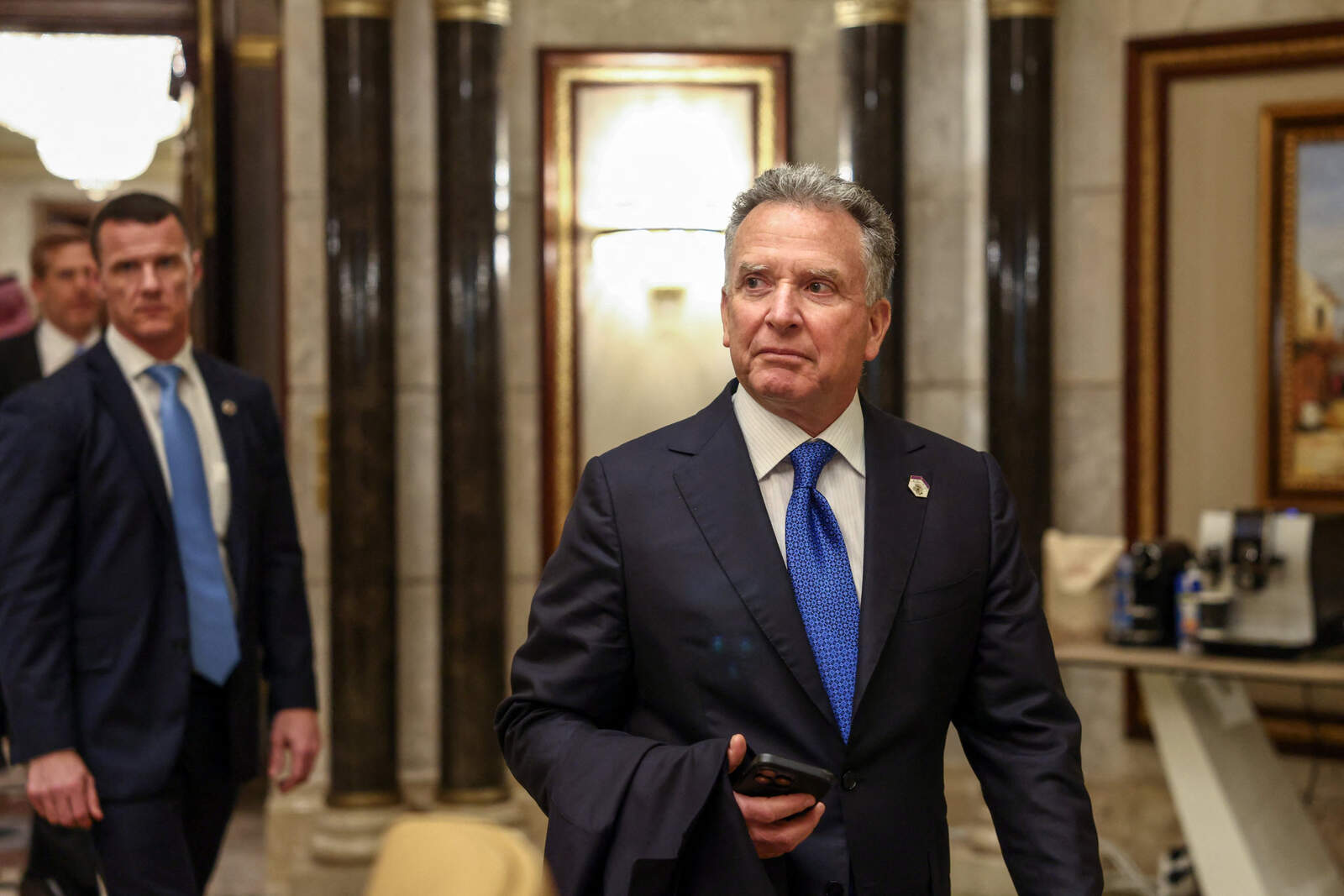
Steve Witkoff habría mencionado que las condiciones impuestas por Irán son insuficientes para continuar con las negociaciones
In the diplomatic arena, the U.S. denial also seeks to avoid speculation that could upset the balance of the negotiations or generate erroneous perceptions about imminent concessions.
For Washington, any progress must be based on clear, verifiable, and sustainable commitments over time, not on proposals that may prove ambiguous or insufficient in light of national security concerns.
Meanwhile, as tensions continue over the Iranian nuclear program, the U.S. administration reaffirms that its priority is to prevent Tehran from ever acquiring military nuclear capability and to preserve the security of its allies in the region. In that context, the forceful official denial creates distance from reports that do not reflect the reality of the negotiations underway.
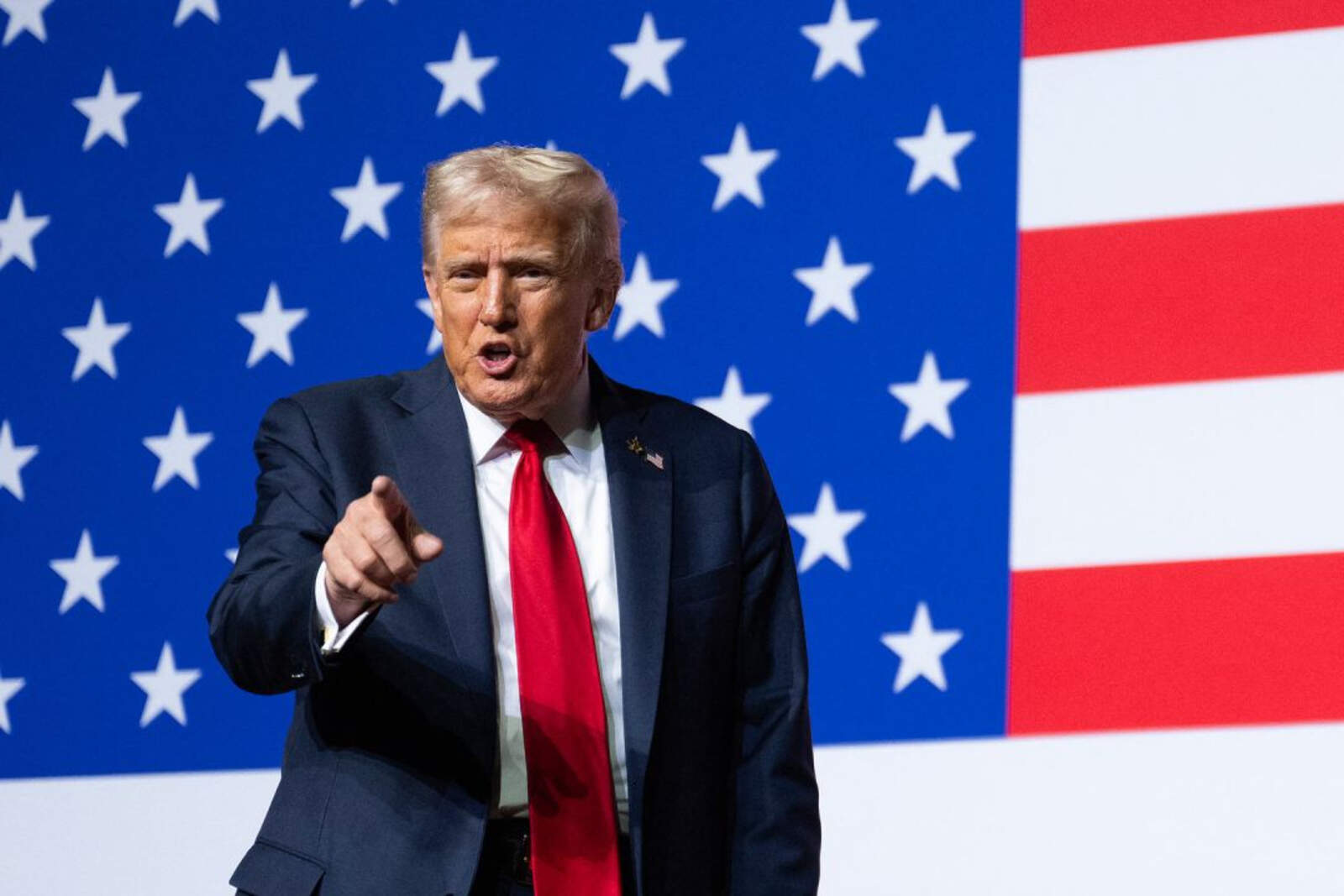
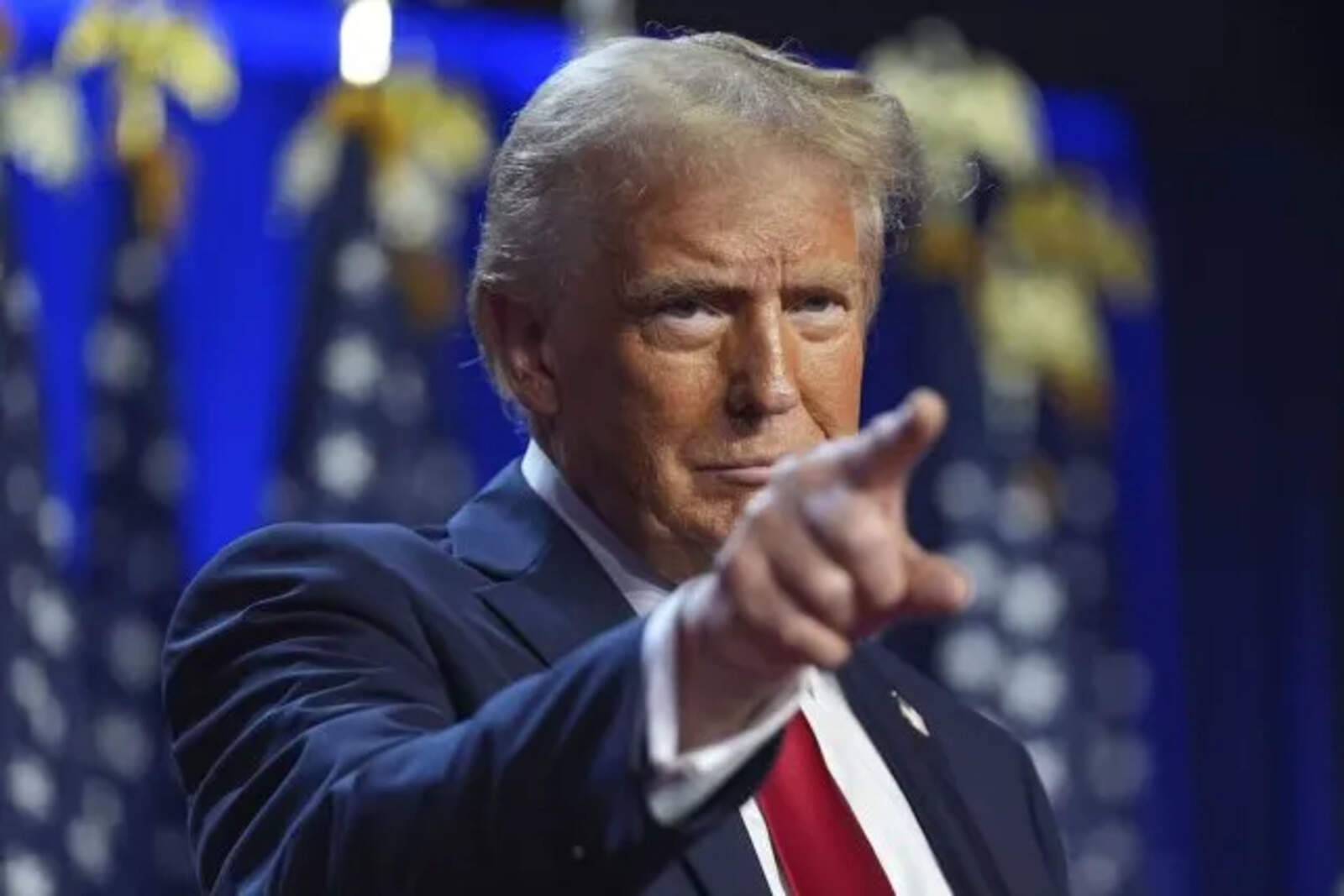
El objetivo del gobierno de Trump es evitar que Irán adquiera capacidad nuclear