The physicist and former president of Nucleoeléctrica Argentina highlighted the key role that nuclear energy plays
Compartir:
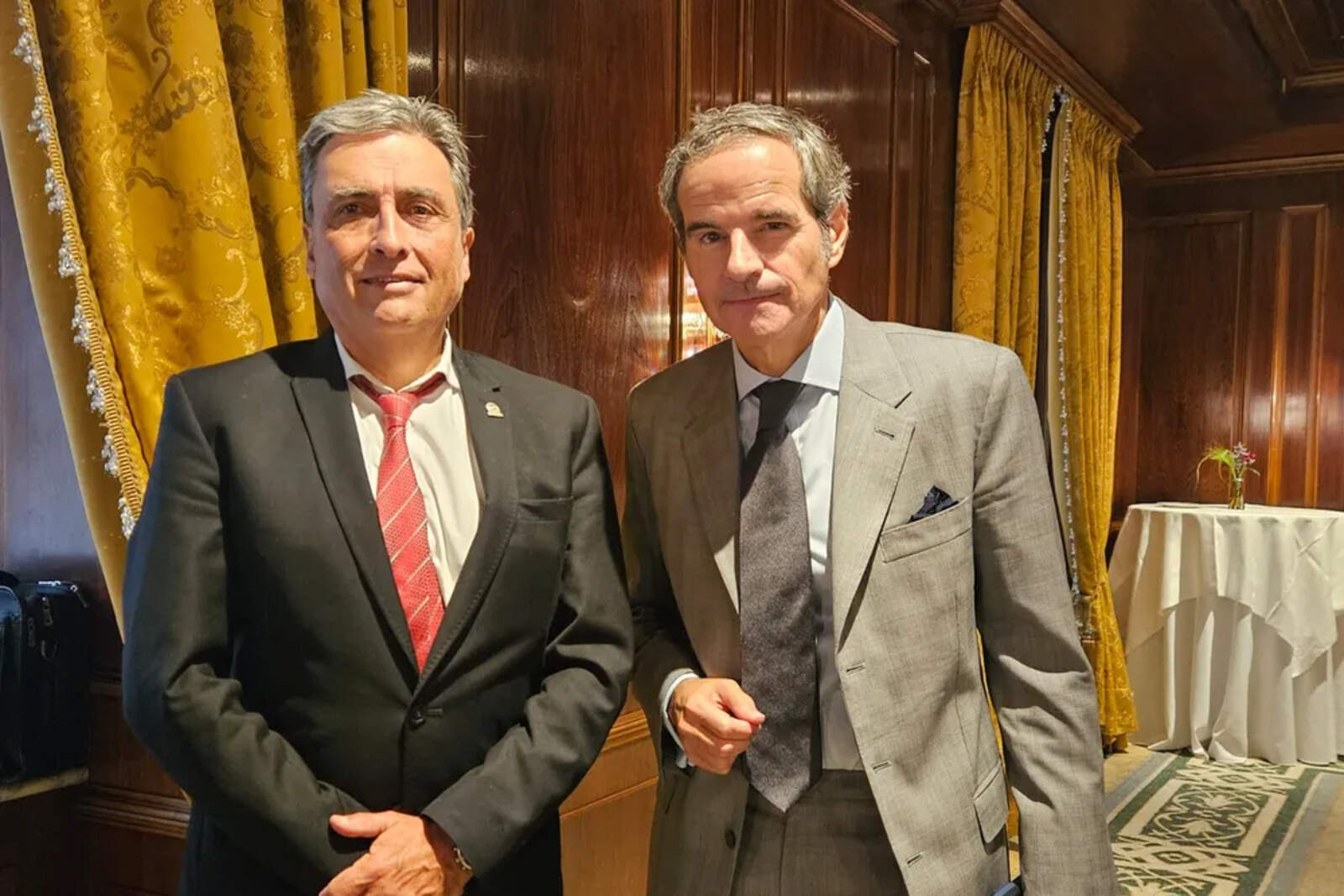
In a global context where energy demand is growing at an accelerated pace driven by technological development, digitalization, and artificial intelligence, Doctor of Physics Alberto Lamagna keeps that nuclear energy emerges as an indispensable tool to guarantee an efficient electricity supply.
Lamagna, former president of Nucleoeléctrica Argentina, explained during his visit to Mendoza, where he participated in the series "Energy Transition, Technology and Industry, Keys for the Productive Agenda," organized as part of the Pilares program, that international projections indicate at least a 170% increase in global energy demand by 2050.
In that scenario, he pointed out that "nuclear and hydroelectric generation are the least polluting," and detailed that the International Atomic Energy Agency (IAEA) recently published a report estimating that, even in the most conservative scenario, it will be necessary to increase installed nuclear energy capacity worldwide by 50% by 2050.
Alberto Lamagna, expresidente de Nucleoeléctrica Argentina
Mendoza and its strategic role
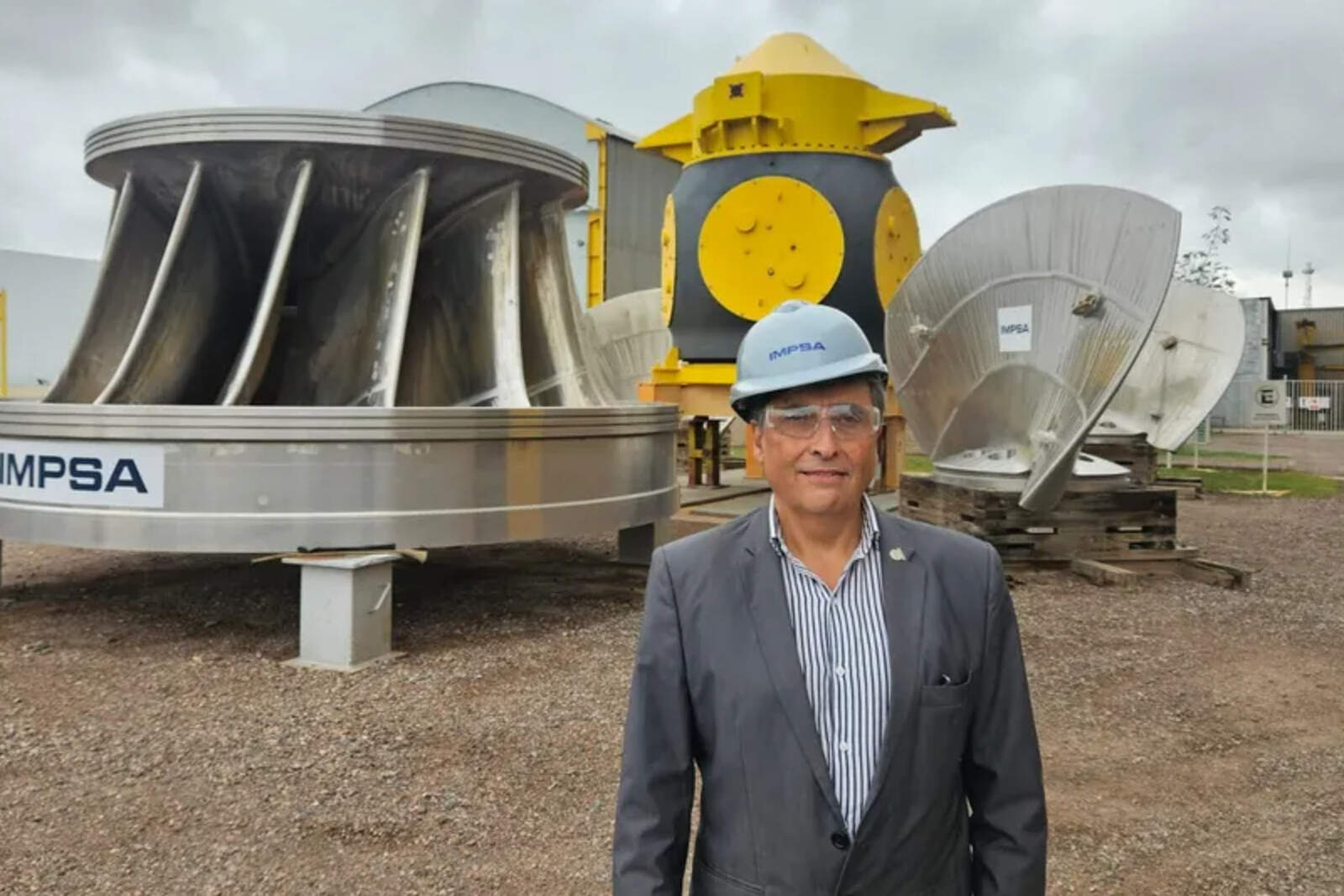
When asked about Mendoza's role in this trend, Lamagna highlighted the province's industrial and mining potential. "Mendoza has a company, IMPSA, that builds reactor vessels. In fact, the vessel for the Argentine modular reactor CAREM was manufactured by them," he explained.
He also noted the importance of reconsidering the development of uranium mining potential in San Rafael, with the aim of strengthening the country's energy independence.
He further emphasized that "today Argentina imports the fuel for its nuclear power plants, but San Rafael's potential is very significant and the National Atomic Energy Commission is aware of it." With IMPSA and the uranium resource, "Mendoza has both ends of the nuclear chain," he summarized.
Regarding the development of small modular reactors (SMR), Lamagna expressed optimism, although he acknowledged that their penetration in the global market will be gradual. "Large nuclear reactors will continue to be built, but small modular ones are the future, and Argentina can build them," he asserted.
According to his projections, by 2050 less than 10% of reactors worldwide will be modular, but their development will mark a new stage for the industry.
A clean and efficient energy
When referring to the debate on the energy transition, Lamagna defended the advantages of nuclear energy. "It emits the least greenhouse gases," he said, clarifying that technologies are often compared without analyzing the full fuel cycle.
"Because although solar panels, once installed, emit very little, the entire fuel cycle must be analyzed. In the case of panels, from the sand, which must be purified to obtain silicon. And, afterwards, one must also consider dismantling and final disposal," he explained, highlighting the advantages of nuclear energy over solar.
"The cost of dismantling is included in the nuclear power plant's rate. That is, restoring the site where the plant is located to its original state, as a green space. But other technologies do not include the environmental remediation component in their rates," he concluded.