Nearly a month after the vote in the City Council, the regulation governing transportation apps still hasn't been implemented.The legal framework was approved on August 14 with broad support, but the municipal Executive's regulation is still pending. Without this step, there are no certainties regarding registration, controls, or limits on authorizations.
The lack of definition continues to block key points such as the digital registry of drivers, virtual inspections, and the determination of quotas. That aspect was the most debated during the legislative discussion and today concentrates the greatest tension between platforms and unions. There were reports from the Executive of imminent regulation, but nothing has been made official.
Municipal spokespersons indicated that "work is being done with all the involved departments" to define the digital registration system. They assured that there have already been meetings with taxi and remise drivers to address the most complex aspects. They also noted that software is being designed to gather documentation for issuing authorizations.
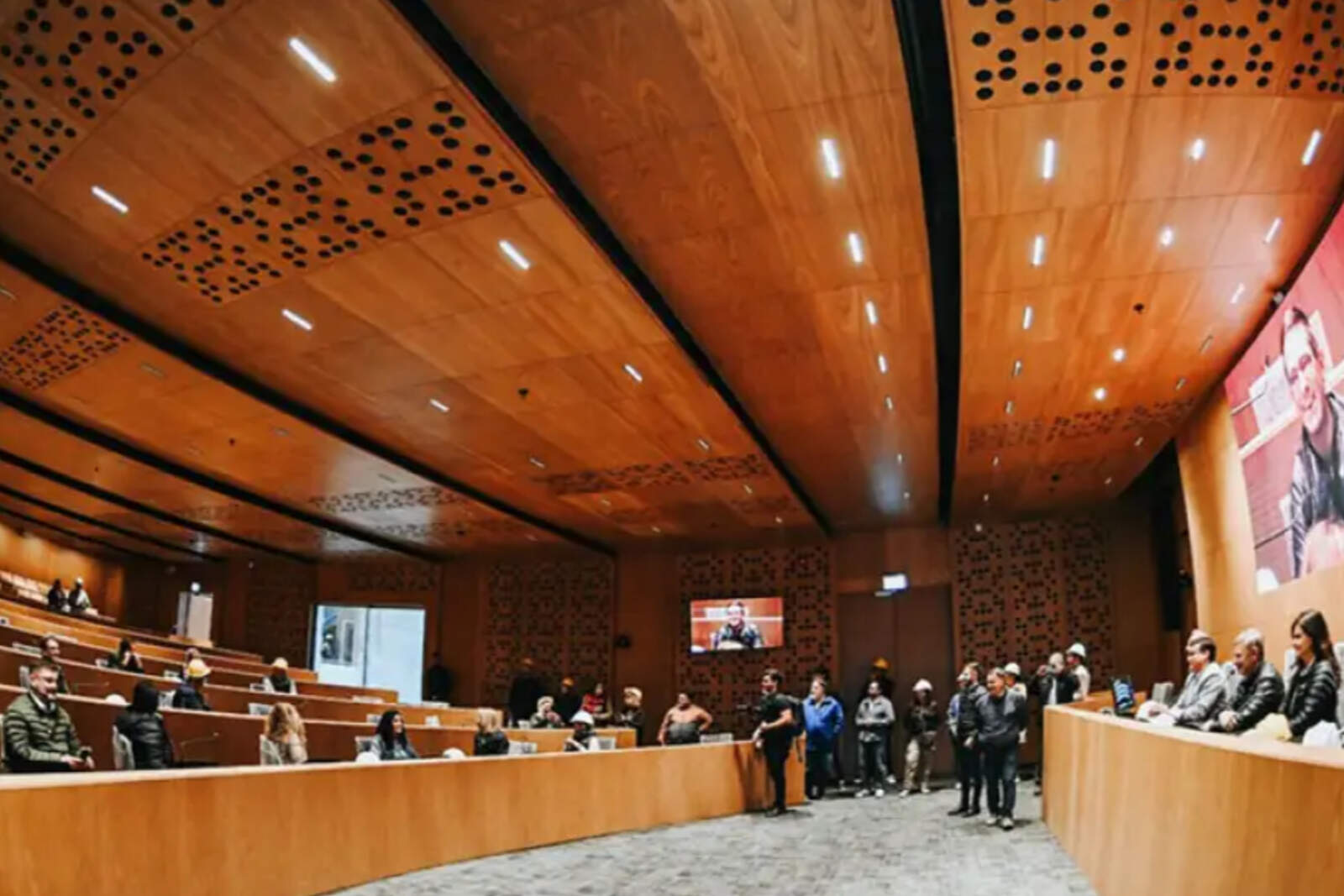
El 14 de agosto se aprobó el marco legal con amplio apoyo
The judicial front and union resistance
The Taxi Drivers' Union filed an injunction to try to stop the implementation of the ordinance approved in August. The action was filed on September 9 by its lawyers in the provincial courts. According to their explanation, they seek "to protect jobs" in the face of what they define as unfair competition.
The union insists that the regulation leaves taxi drivers in a "vulnerable" position and threatens the "extinction" of the traditional service in the city. The stance shows the same resistance already expressed in previous protests, when they paralyzed the downtown area with pickets and blockades. Instead of adapting to change, they are once again betting on conflict.
Their general secretary, Héctor Miguel Arias, has already announced that there will be more legal actions against the regulation. Taxi unionism repeats the victimization script with phrases about "foreign interests" and "political abandonment." The strategy demonstrates their refusal to accept the modernization of a service that society has already chosen.
Miguel Arias, titular del sindicato de peones de Cordoba
What remains to be defined for implementation
The pending regulation must establish how platforms, owners, and drivers will register digitally. It must also detail deadlines and control procedures. Another key aspect is the license limit, which could restrict the number of authorized vehicles.
Article 9 authorizes the Executive to set a maximum number of cars according to demand and population density. That decision generates political division and rejection from companies and unions. The delay also leaves the six-month transition period without sanctions for app drivers unclear.
The ordinance created the category of "private service of public interest" and set requirements for insurance, licenses, and vehicle age. It also established background check requirements for drivers and control obligations for platforms. The restrictive framework is already defined, but without regulation, it remains a dead letter.