Both the Argentine Foreign Ministry and the United States Department of State warned that the area must be avoided at all costs
Compartir:
The death of Nemesio Oseguera Cervantes, alias "El Mencho", leader of the Jalisco New Generation Cartel (CJNG), triggered a wave of violence in several Mexican states and led to formal warnings from the governments of Argentina and the United States for their citizens.
The clashes, roadblocks, and burning of vehicles, especially in Jalisco and Guadalajara, led both countries to recommend avoiding travel to the affected areas until the situation stabilizes.
After the military operation in which the kingpin was killed, riots were reported in at least seven Mexican states. The main hotspots of conflict were concentrated in Jalisco, where groups linked to CJNG set vehicles on fire and blocked highways in response to the actions of federal forces.
Disruptions were also reported in tourist destinations such as Puerto Vallarta, with the suspension of commercial activities and limitations on transportation.
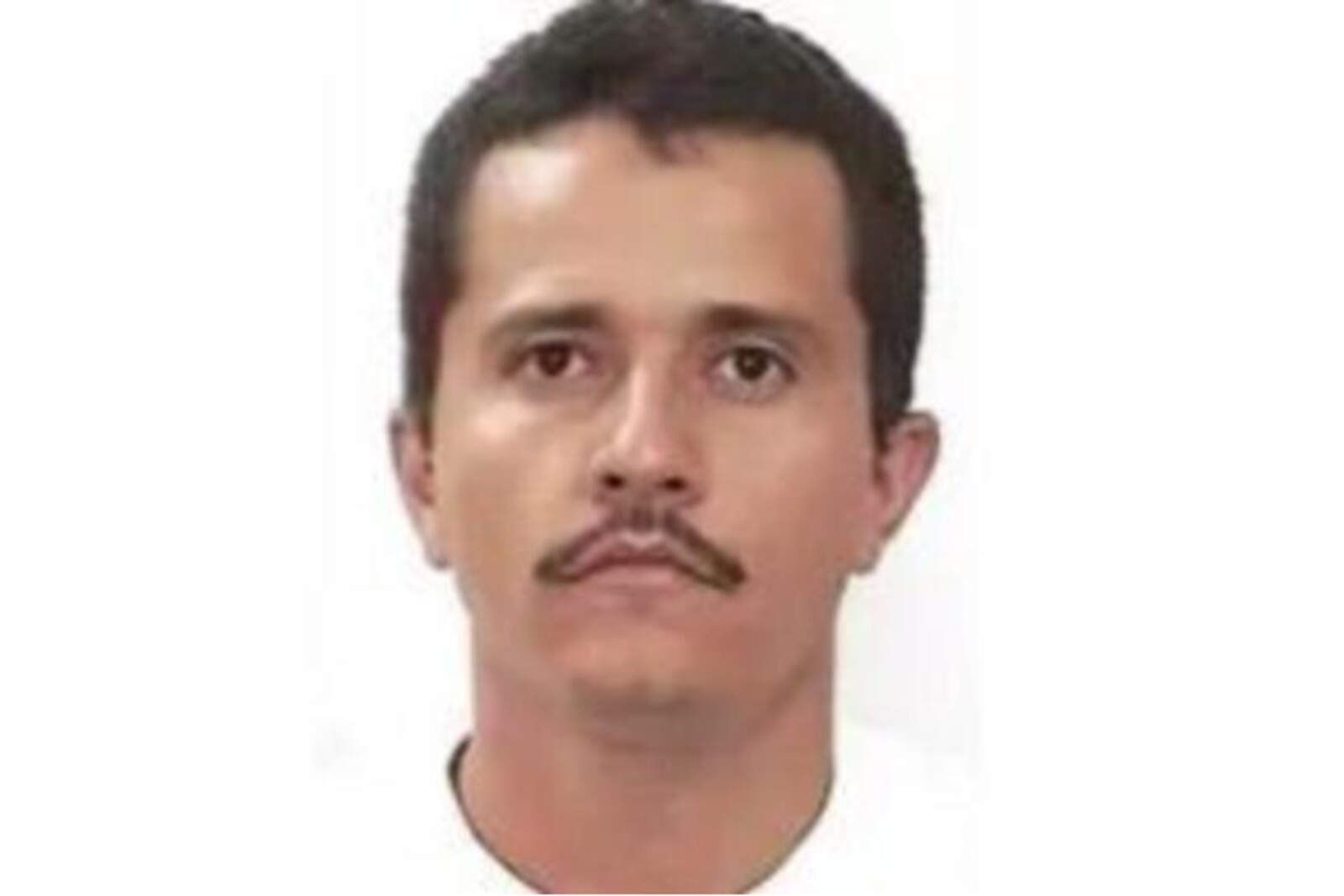
''El Mencho'' fue asesinado durante un operativo en conjunto entre las Fuerzas Armadas mexicanas y agencias de inteligencia de Estados Unidos
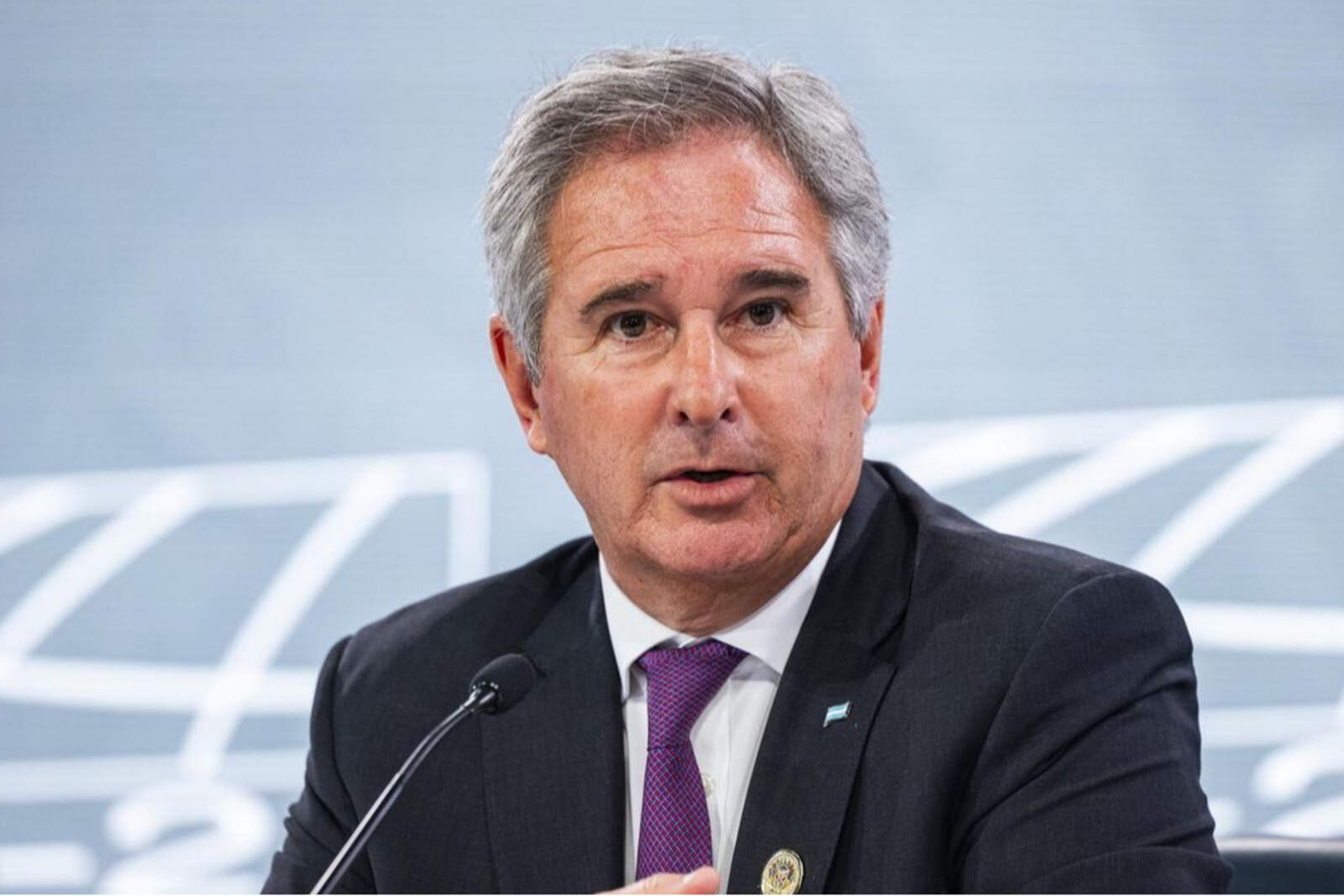
In this context, Argentina's Ministry of Foreign Affairs, headed by Pablo Quirno, issued an official statement in which it recommended that Argentine citizens "carefully evaluate the need to travel" to the state of Jalisco. The message states that, if travel is not essential, it is advisable to postpone the trip until the security situation improves.
The Argentine Foreign Ministry also urged those who are already in that jurisdiction to take extreme precautions, avoid areas where incidents are occurring, stay informed through official sources, and follow at all times the instructions of local authorities.
It also recalled that in any emergency citizens can contact the Argentine Consulate in Mexico through the channels enabled for assistance.
La cancillería argentina recomendó evitar viajes innecesarios a México
Meanwhile, the United States Department of State issued similar recommendations. U.S. authorities indicated that, due to ongoing security operations, roadblocks, and criminal activity, U.S. citizens in the affected areas must remain sheltered in their hotels or homes until further notice. They also ordered part of their diplomatic staff to limit travel and remain in safe locations.
Although airports continued operating, U.S. authorities warned that the blockades affected air activity, with cancellations of domestic and international flights in Guadalajara and Puerto Vallarta. In some areas taxis and app-based transportation services were suspended, while various businesses closed as a preventive measure.
Among the actions recommended by the United States are seeking shelter and minimizing unnecessary movements, avoiding areas with a security forces presence, staying alert to one's surroundings, monitoring local media for updates, and following official instructions. It was also advised to avoid crowds and keep family and friends informed about one's location and personal status.
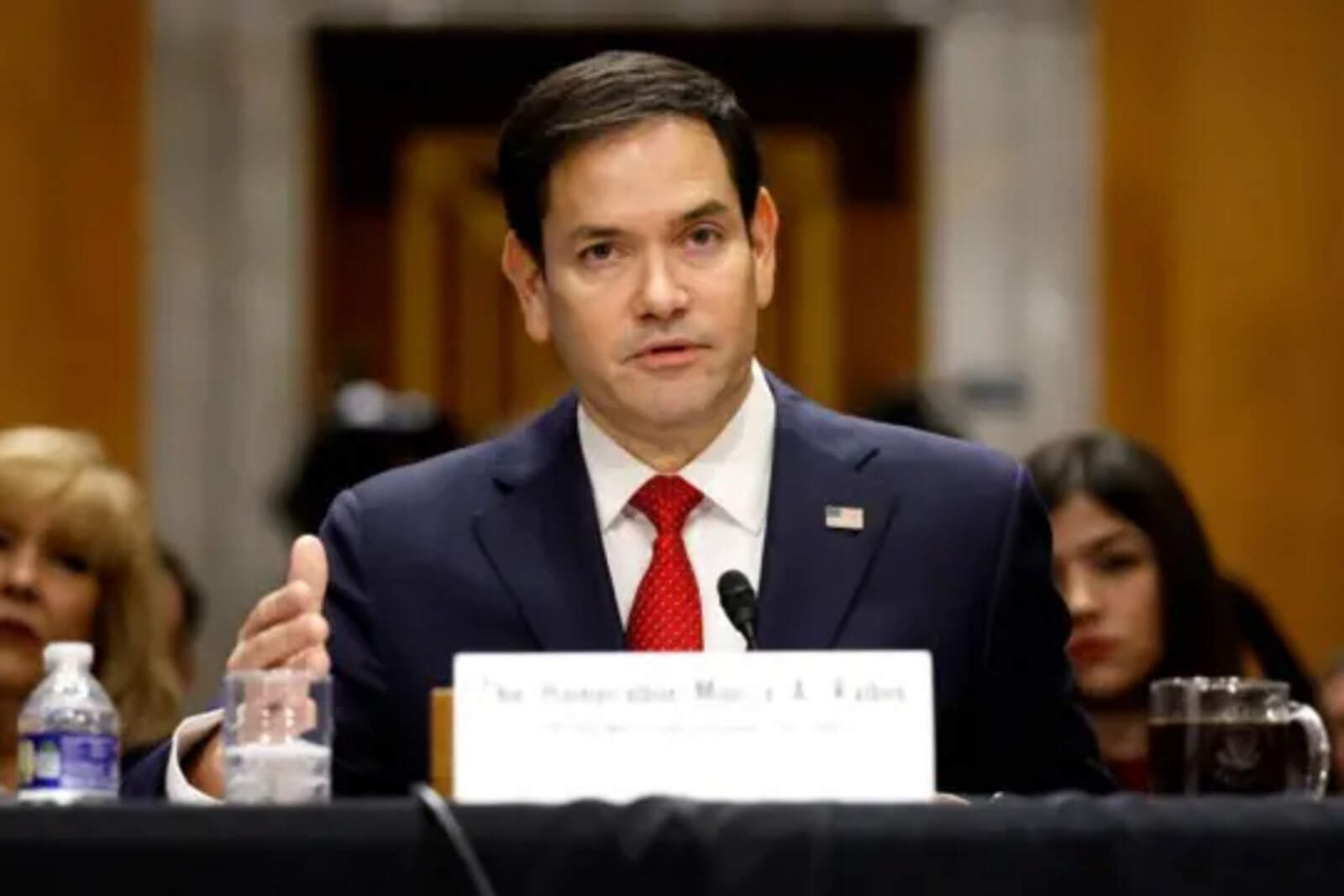
Marco Rubio, secretario de Estado de los Estados Unidos
It should be noted that the United States is maintaining for 2026 Level 4 ("Do Not Travel") alerts for six Mexican states, the highest warning level in its classification system, equivalent to that applied to areas with armed conflicts. These alerts cover entire states, although the security situation may vary within each territory.
Meanwhile, the Mexican president, Claudia Sheinbaum, sought to convey calm and assured that the security cabinet will provide more detailed information on the operations and measures implemented to restore order.
However, the magnitude of the unrest following the death of Oseguera Cervantes, who had arrest warrants in Mexico and the United States, caused international concern and prompted calls for caution.
El gobierno de Trump mantiene estrictas restricciones para viajar a México