Investigations point to a currency loop scheme with loans to people without economic capacity
Compartir:
The Central Bank of the Argentine Republic (BCRA) opened four administrative proceedings to investigate an alleged multimillion-dollar fraud involving the purchase of official dollars during 2022 and 2023, at the height of the currency controls imposed by Alberto Fernández's government. The transactions under suspicion would amount to USD 1.191 billion and would have had the parallel market as their final destination.
According to the official documentation, the investigations focus on maneuvers known as "currency loop": the acquisition of dollars at the official exchange rate—artificially delayed—and then their resale at a much higher value outside the formal system. While hospitals, industries, and productive sectors were facing a severe shortage of foreign currency, this circuit would have caused extraordinary profits for a small group of operators.
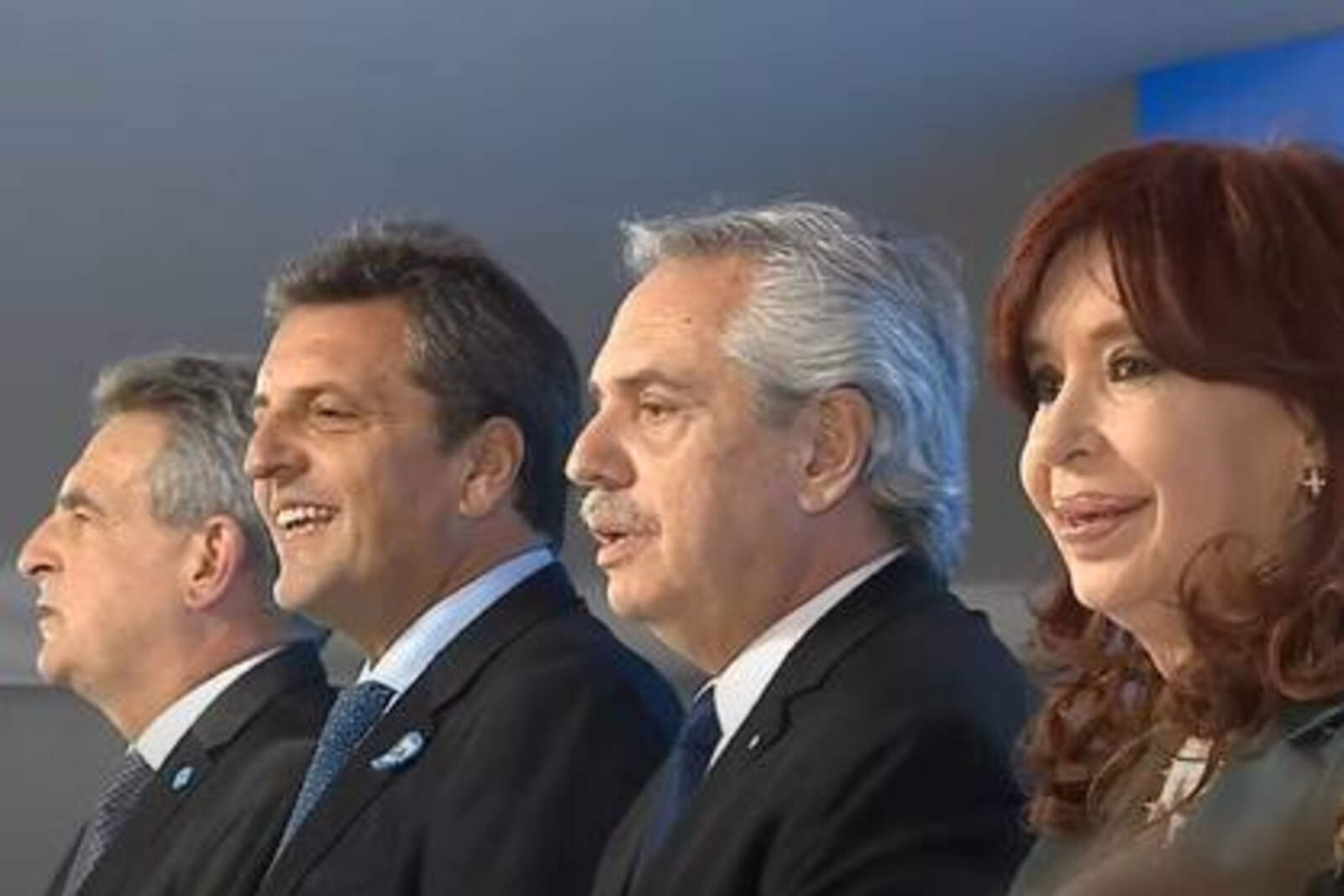
Alberto Fernández, Cristia Kirchner, Sergio Massa y Agustín Rossi.
The proceedings involve the exchange houses Mega Latina, Gallo Cambios, Arg Exchange, and Concordia Inversiones. According to the BCRA, multimillion-dollar transfers in dollars were detected under the category of "mutuos" or loans, granted to individuals whose economic profile did not match the amounts received. In several cases, the beneficiaries were low-category self-employed taxpayers or even recipients of the Universal Child Allowance (AUH).
The Financial Information Unit (UIF) also intervened and submitted a report to the courts after considering that the origin and legality of the funds could be seriously compromised. The Office of the Prosecutor for Economic Crime and Money Laundering (Procelac) added its analysis in an investigation that was assigned to Judge María Servini.
One of the most sensitive points highlighted by the Central Bank is the deliberate loss of traceability of the dollars. In particular, it was observed that a substantial portion of the foreign currency was delivered in cash by the exchange houses, which made it impossible to track the flow of the money within the financial system. For the BCRA, this is a key indication that the transactions, although formally regular, were intended to supply the parallel market.
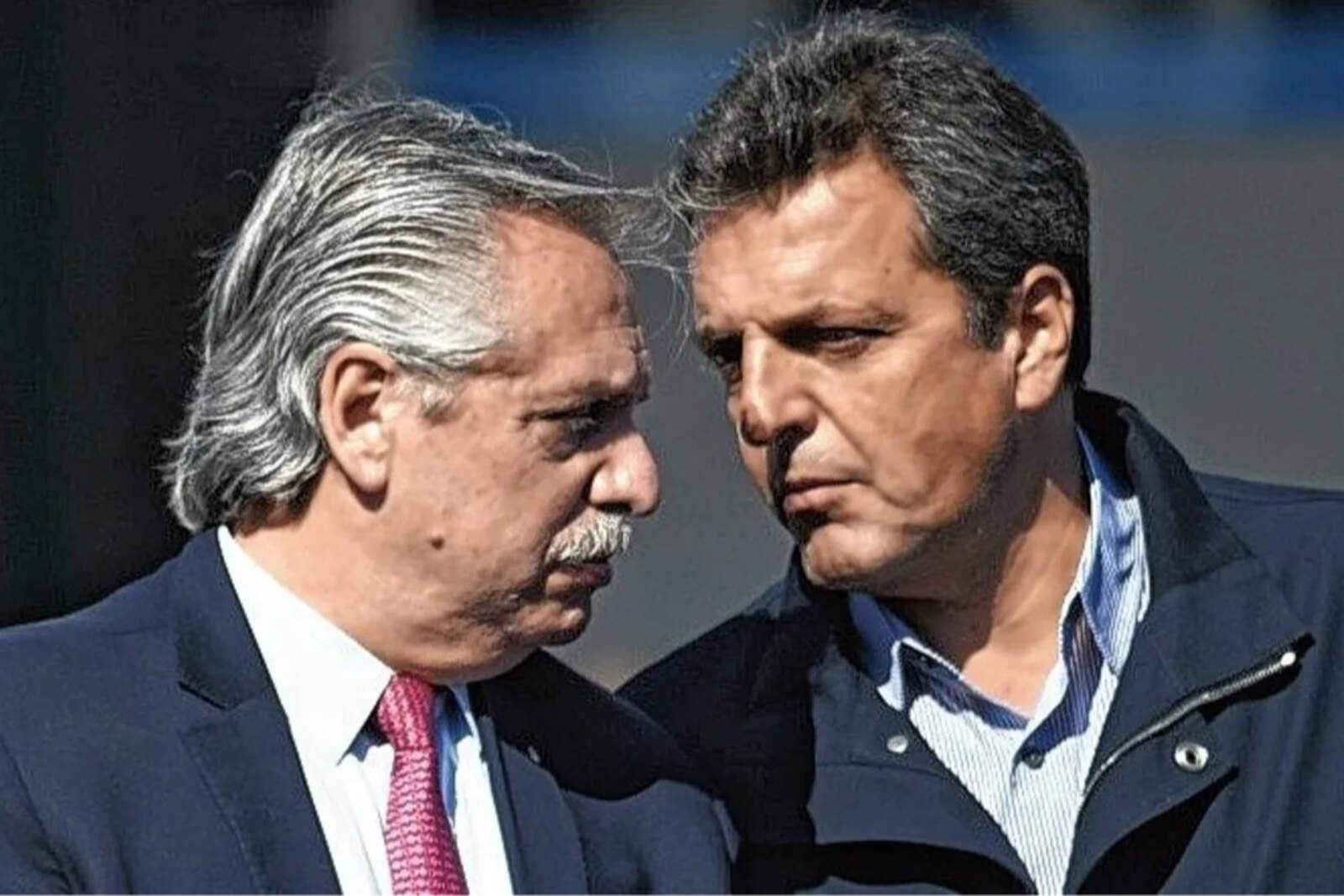
Alberto Fernández y Sergio Massa.
The proceeding against Concordia Inversiones revealed at least 56 individual transfers of USD 150,000, in addition to other movements for similar amounts, totaling USD 9.8 million. According to the monetary authority, these funds were withdrawn in cash immediately, an operation that is expressly prohibited for exchange houses.
The Central Bank estimated that in this segment alone the profit obtained could have exceeded USD 8.2 million, taking advantage of an exchange rate gap that was around 84% in that period. This is an accurate snapshot of how the currency controls not only failed to protect reserves but also opened the door to systematic abuses and business opportunities for a few, paid for by all Argentines.