Thousands of families pay $14,000 per month but must buy jugs due to the constant failures of the provincial aqueduct
Nuevo
Agregar La Derecha Diario en
Compartir:
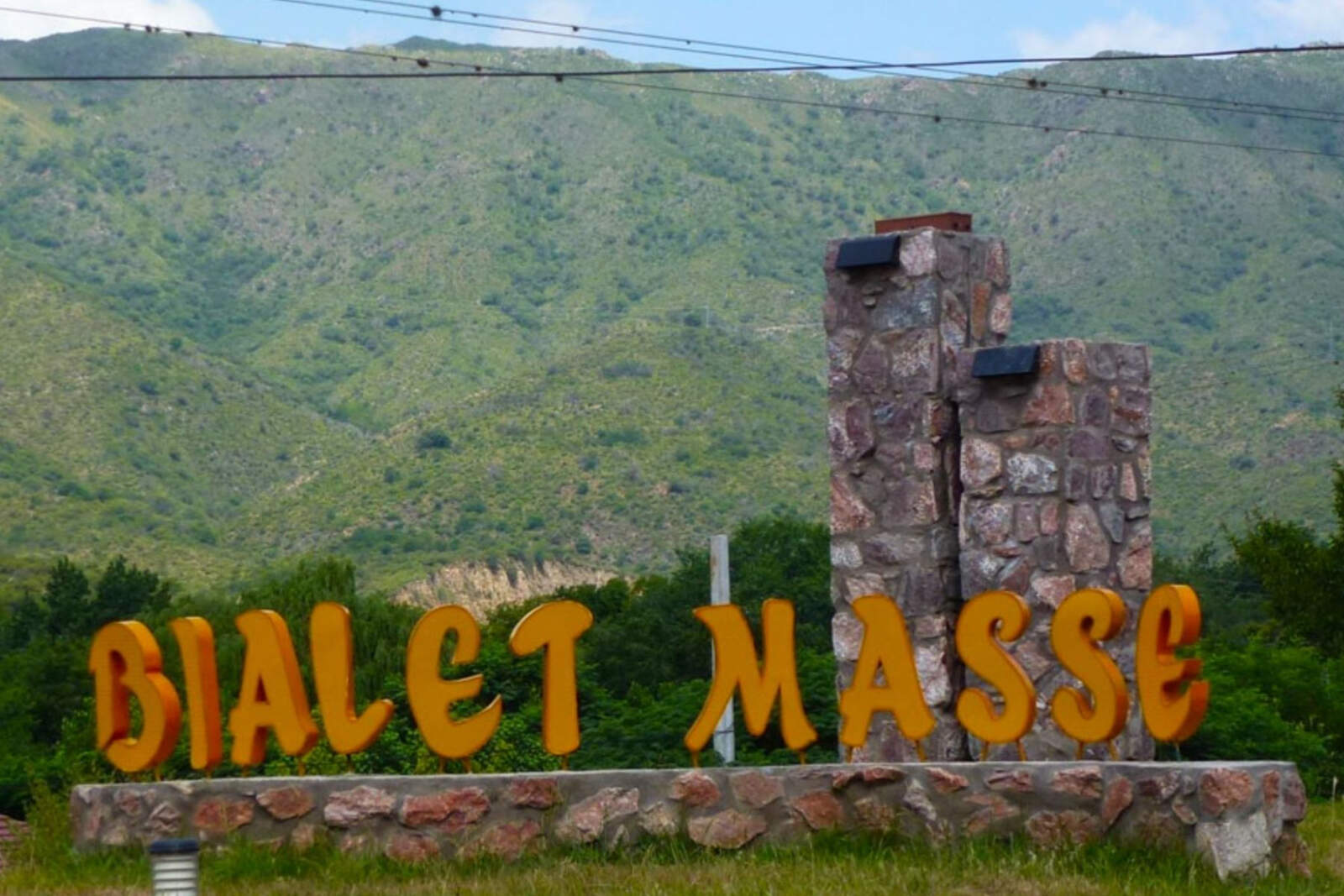
The residents of the town of Bialet Massé report that they have gone seven consecutive days without having a supply of water in their homes. The water crisis affects more than 3,000 inhabitants in the area who face a structural problem that has gone 42 years without any resolution.
Taxpayers pay a monthly bill of $14,000 for a service they do not receive and they must buy water in order to subsist. Residents report that families must bathe using buckets and they recycle dishwashing water to water the dry plants in the yard. The situation forces residents to incur extra expenses to buy bottled water both for consumption and for basic hygiene.
Meanwhile, while outlying neighborhoods suffer from the shortage, residents report that municipal trucks water the asphalt in the city center. This disparity in the provision of services generates indignation among taxpayers who are up to date with their tax obligations.
Los contribuyentes abonan mensualmente una factura de $ 14.000 por un servicio que no reciben y deben comprar agua para poder subsistir
Failures in infrastructure and management
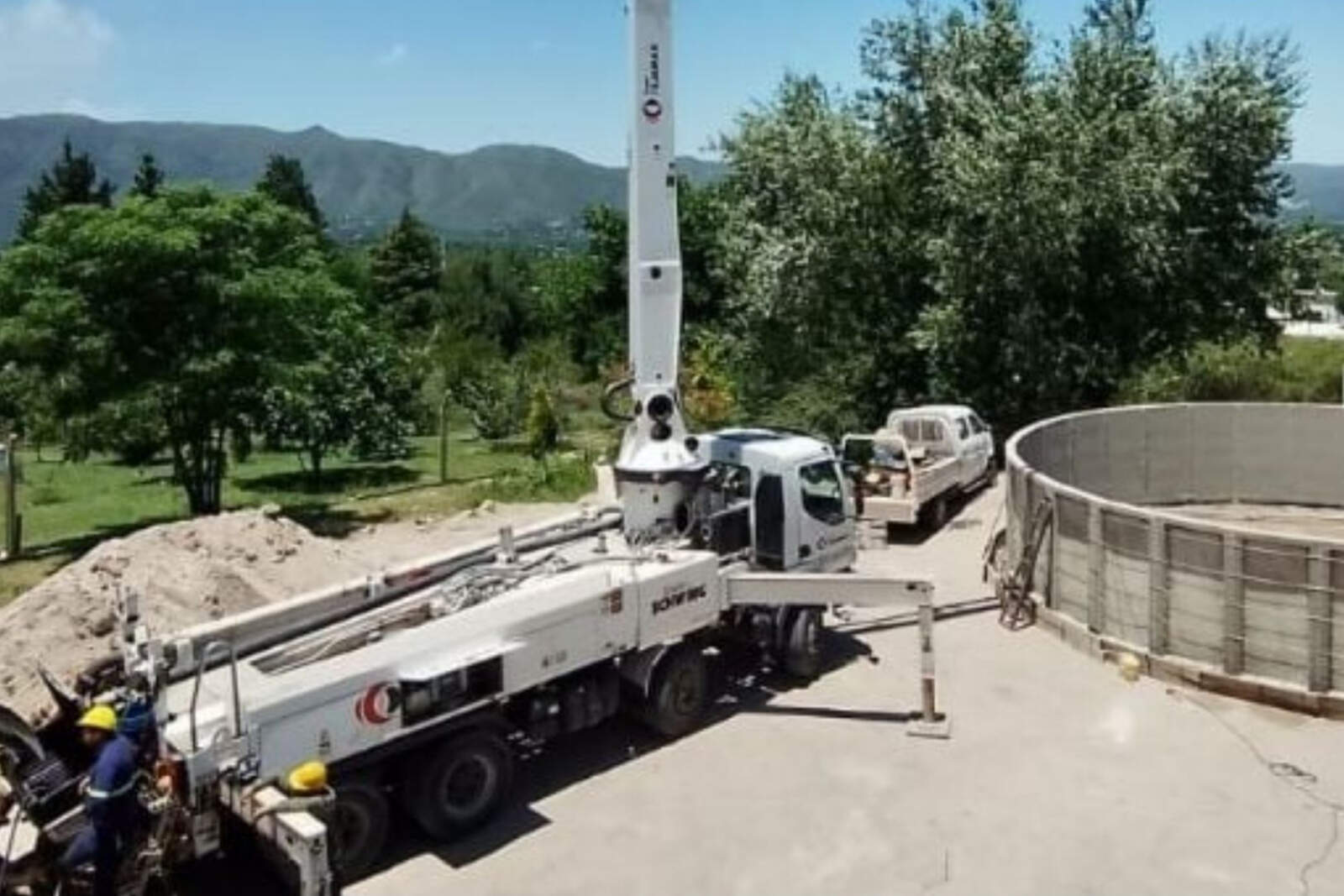
The provincial aqueduct inaugurated in 2023 during the previous administration has constant breaks that prevent normal local supply. This public works project that promised to solve the historic deficit works only halfway and the responsibility for maintenance falls on the Province. The water supply depends on a system managed by a cooperative from La Falda to which the municipality must pay a monthly fee.
Residents state that if the local administration doesn't pay that fee punctually the cooperative cuts off the delivery of this vital resource to them. Residents point out that the assistance system using tanker trucks that operated under the previous administration was recently modified. The new local administration faces the challenge of restoring efficient logistics to meet the urgent demand of the population.
The current municipal administration requires residents to install 3,000-liter (792.52-gallon) cisterns as a condition to guarantee basic service. However, the community claims that they do not receive the necessary flow to fill those private tanks that represent a major investment.
El suministro de agua depende de un sistema administrado por una cooperativa de La Falda a la cual el municipio debe pagarle un canon mensual.