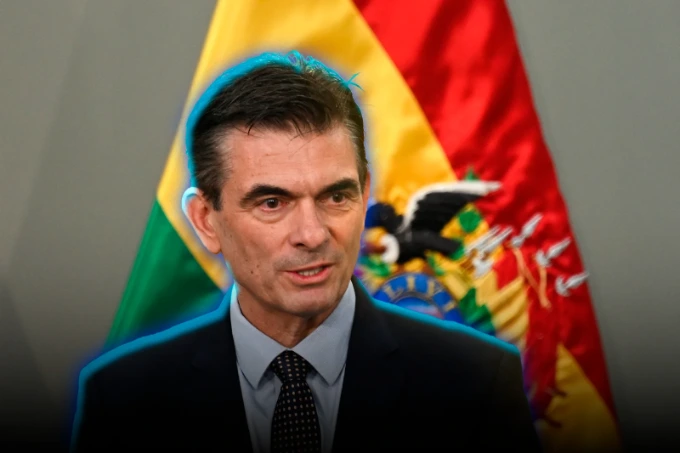
The President of Bolivia, Rodrigo Paz, announced a new reform of the structure of the Executive Power that reduced the number of national ministries from fourteen to twelve. The measure includes the elimination of the Ministry of Development Planning and the Ministry of Sustainable Tourism, Culture, Folklore, and Gastronomy, whose functions will be absorbed by other state agencies as part of an administrative reorganization process.
During the presentation of the reform, the president stated that the main objective is to build a more efficient state, reduce bureaucracy, and optimize the use of public resources in a context of economic difficulties. He explained that the reorganization will allow for the elimination of duplicated administrative structures, expedite decision-making, and concentrate greater resources in areas deemed priority for the country's economic recovery.
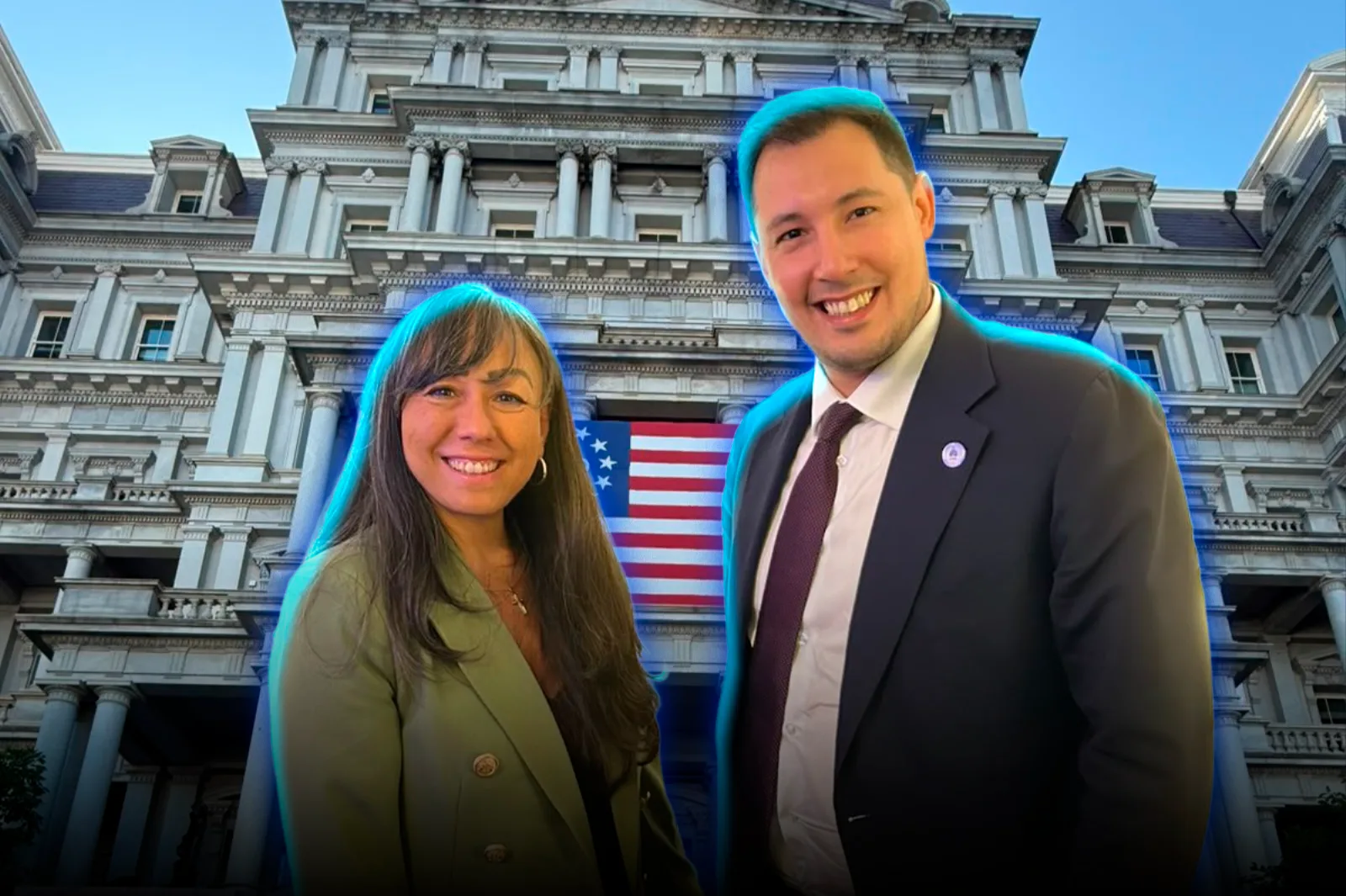
President Javier Milei alongside Rodrigo Paz
With this decision, the responsibilities of the now-defunct Ministry of Development Planning will pass to other executive agencies related to economic management and public investments. Meanwhile, the competencies related to tourism, culture, folklore, and gastronomy will be redistributed among different ministries.
Rodrigo Paz stated that the reduction of the cabinet is part of a broader strategy for modernizing the state initiated at the beginning of his term. The government believes that decreasing the number of ministries will reduce administrative expenses, simplify procedures, and improve coordination among the various areas of the executive, without affecting the provision of essential public services.
Furthermore, the ruling party asserted that the reform does not imply abandoning cultural policies or tourism development, but rather an institutional reorganization aimed at reducing costs and making public administration more efficient, with existing programs continuing to be executed under the leadership of other ministerial portfolios.
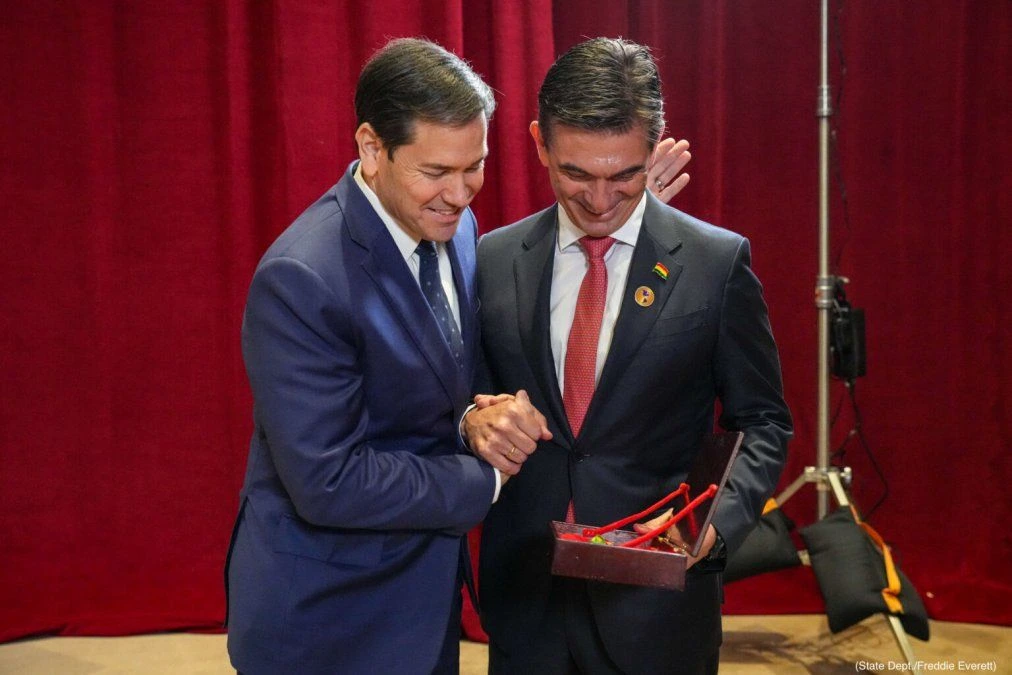
President Rodrigo Paz alongside U.S. Secretary of State Marco Rubio
The elimination of these two ministries adds to other austerity measures implemented by Rodrigo Paz's administration since the beginning of his term, including cuts in public spending, administrative reforms, and modifications to the structure of the state to address the complex economic situation facing Bolivia.
With this reform, the government seeks to consolidate a smaller cabinet and concentrate state resources in areas considered strategic for economic recovery. While the executive defends the initiative as a measure of efficiency and rationalization of the state, critical sectors argue that the closure of ministries dedicated to planning and culture could limit the state's ability to promote specific policies in those areas.