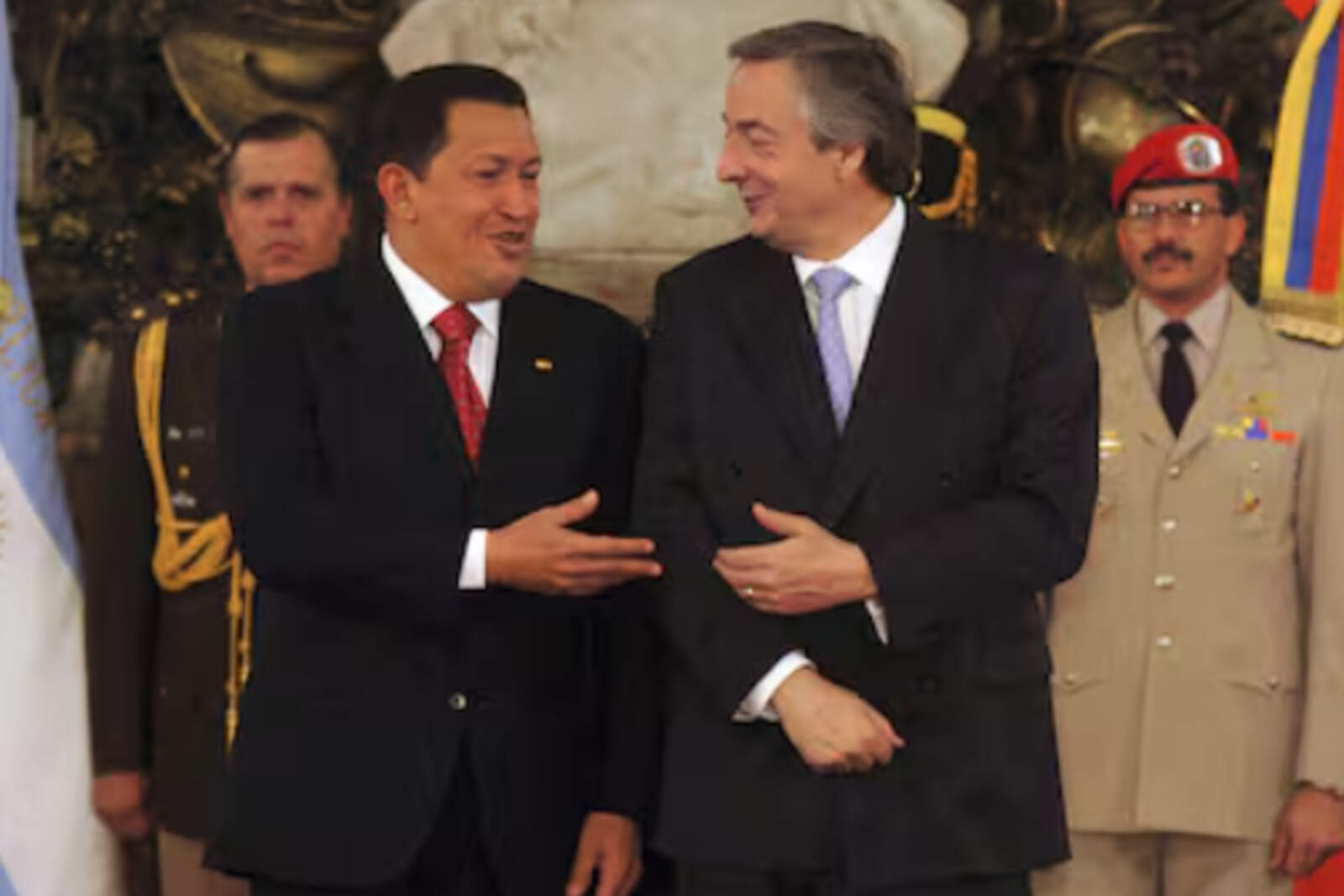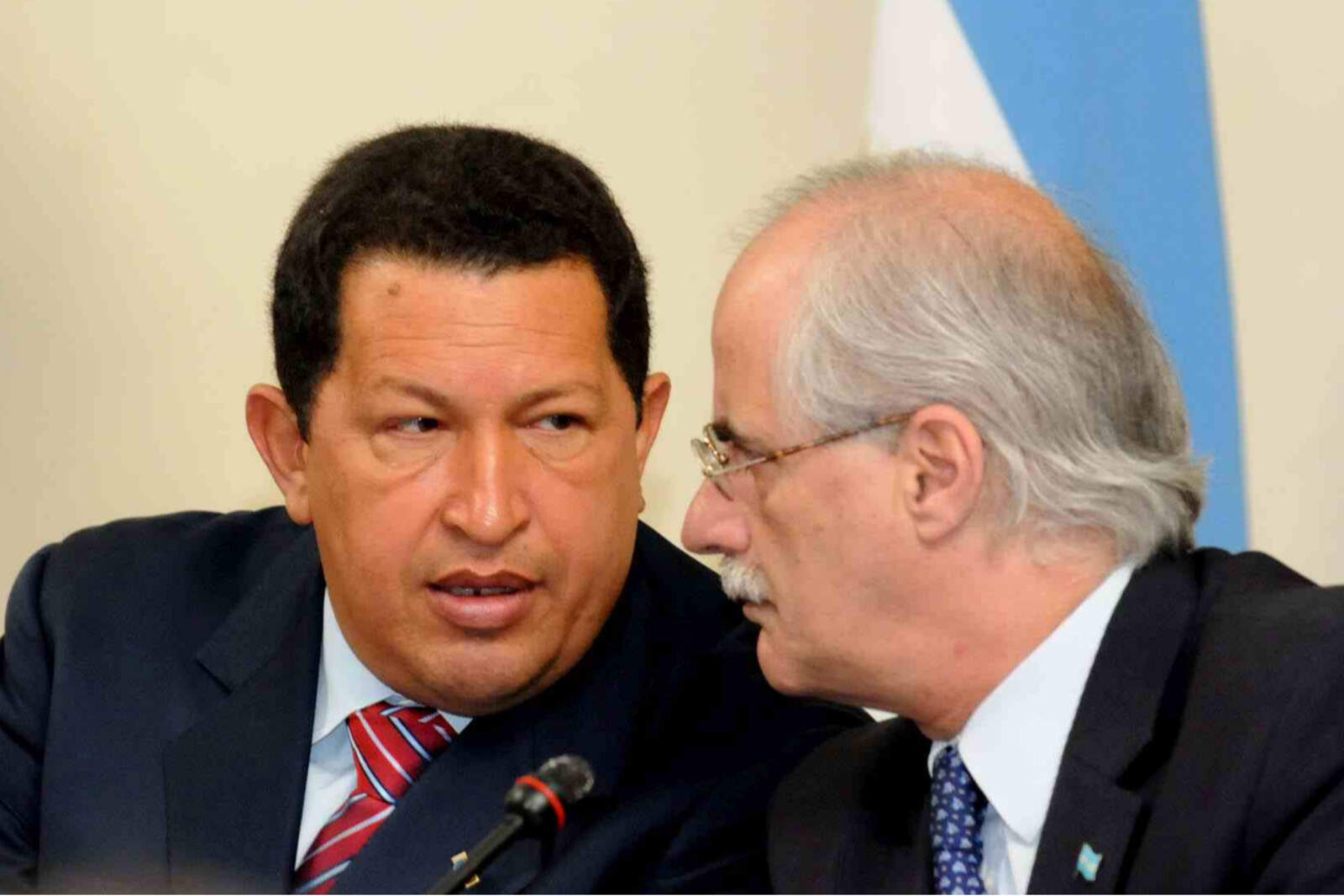

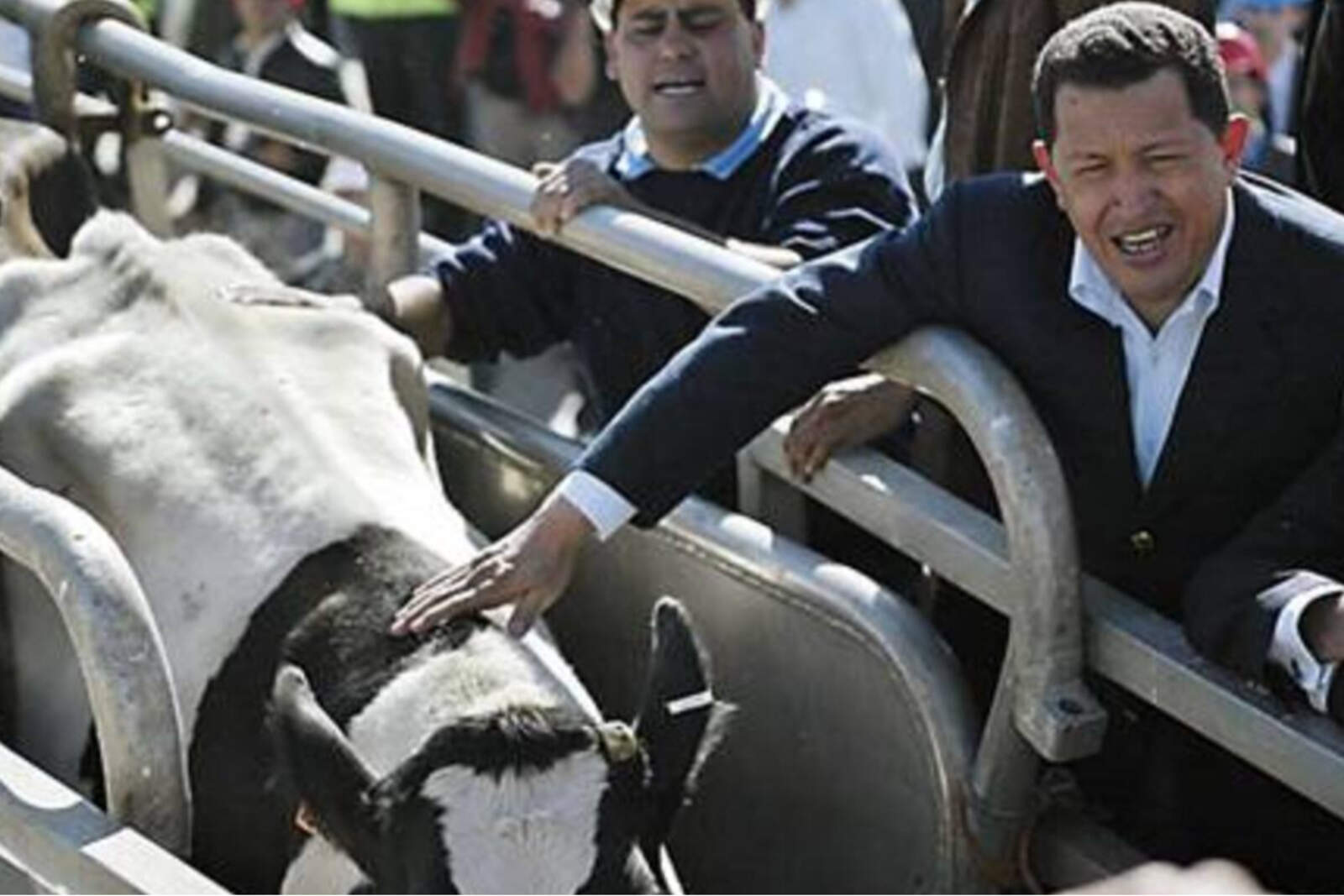
The commercial agreement between Argentina and Venezuela to export dairy heifers began as a golden opportunity for Argentine producers. The first shipments, carried out with strong political and media support, were presented as a symbol of the "brotherhood" between both countries. Even then-president Hugo Chávez personally attended the first shipment from Dock Sud, together with Argentine officials.
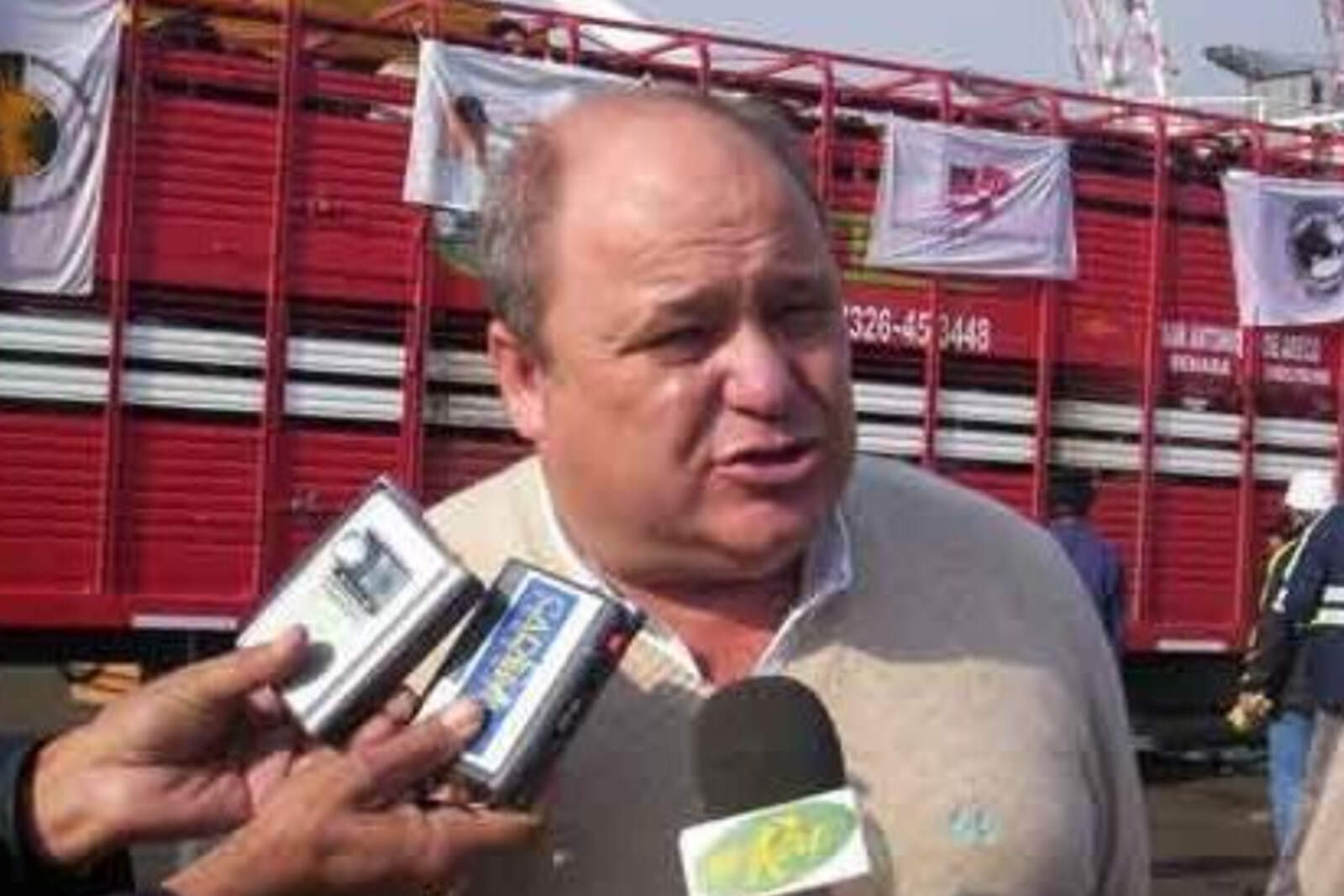
However, Matías Longoni's investigation revealed that behind that integration narrative was a business network controlled by entrepreneurs with direct connections to Kirchnerism. The central figure in the scheme was rural leader Ider Peretti, who, together with his wife, attorney Daniela Borgogno, monopolized export operations through consignment companies based in Córdoba and Santa Fe.
Million-dollar operations with inflated prices
Between 2006 and 2007, during Jorge Taiana's tenure as foreign minister, at least five shipments of cattle to Venezuela were completed, with an average value of three million dollars per operation. Records show that the prices invoiced to the Chavista government doubled and even tripled Argentine market values.
While local producers received between 400 and 800 dollars per cow, the official quotes presented to Caracas reached 1,960 dollars per animal, not including transportation, and up to 2,660 dollars with maritime freight. The same budget offered pedigree bulls for more than 6,000 dollars each, exorbitant figures for the time.
These disproportionate margins fueled suspicions of overbilling, money laundering, and kickbacks. Sources cited in the investigation stated that intermediaries charged commissions of 20% to 25% to allow participation in the shipments, a pattern that was repeated in other bilateral agreements of that period.