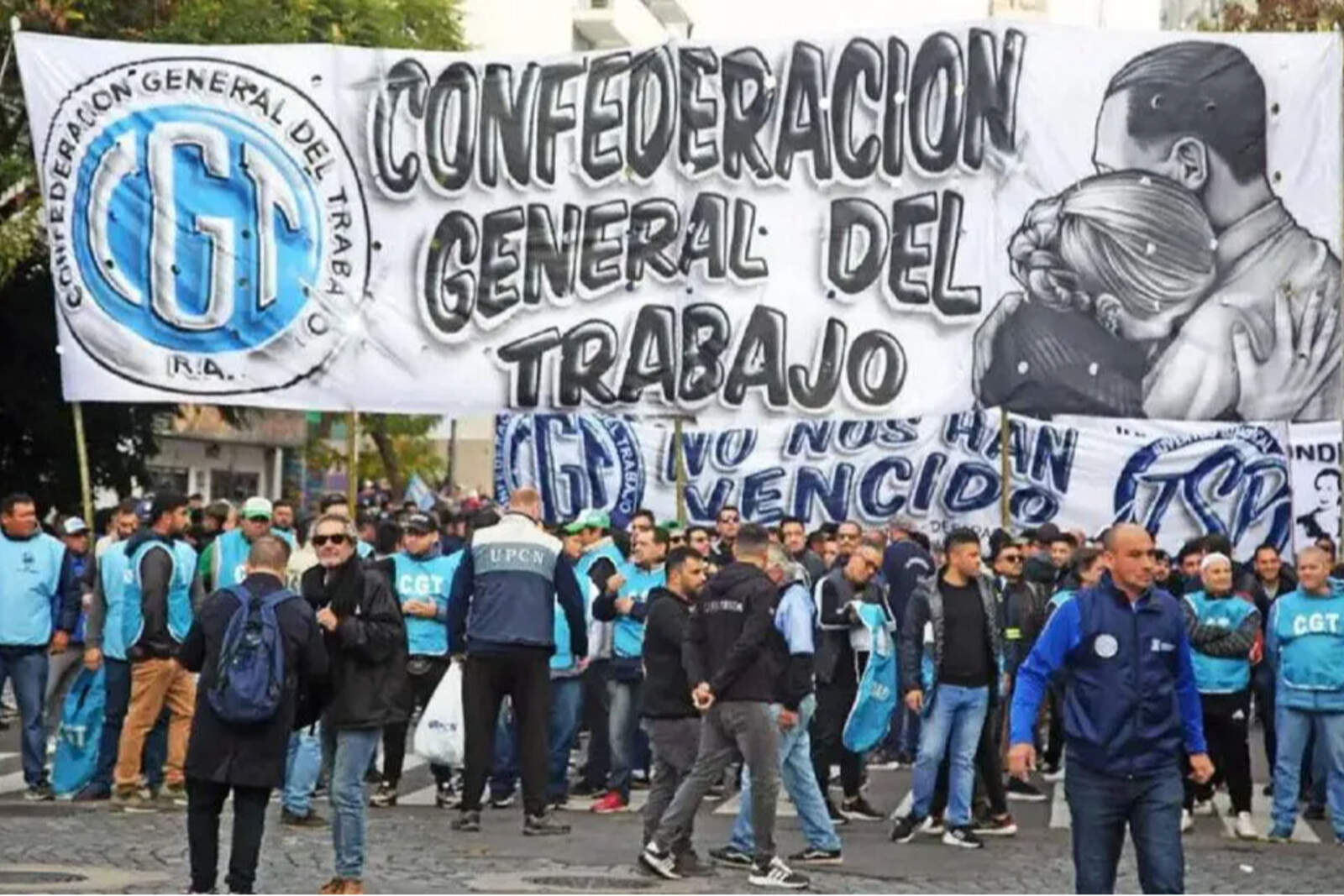
The labor union confederation once again chose a strike action that will harm millions of workers across the country
Compartir:
General Confederation of Labor (CGT) confirmed a 24-hour general strike for this Thursday, coinciding with the scheduled debate in the Chamber of Deputies of the Argentine Nation on the Labor Modernization bill promoted by President Javier Milei.
This is an initiative that the libertarian administration is promoting as part of its plan to update the labor market and bring millions of workers out of informal employment.
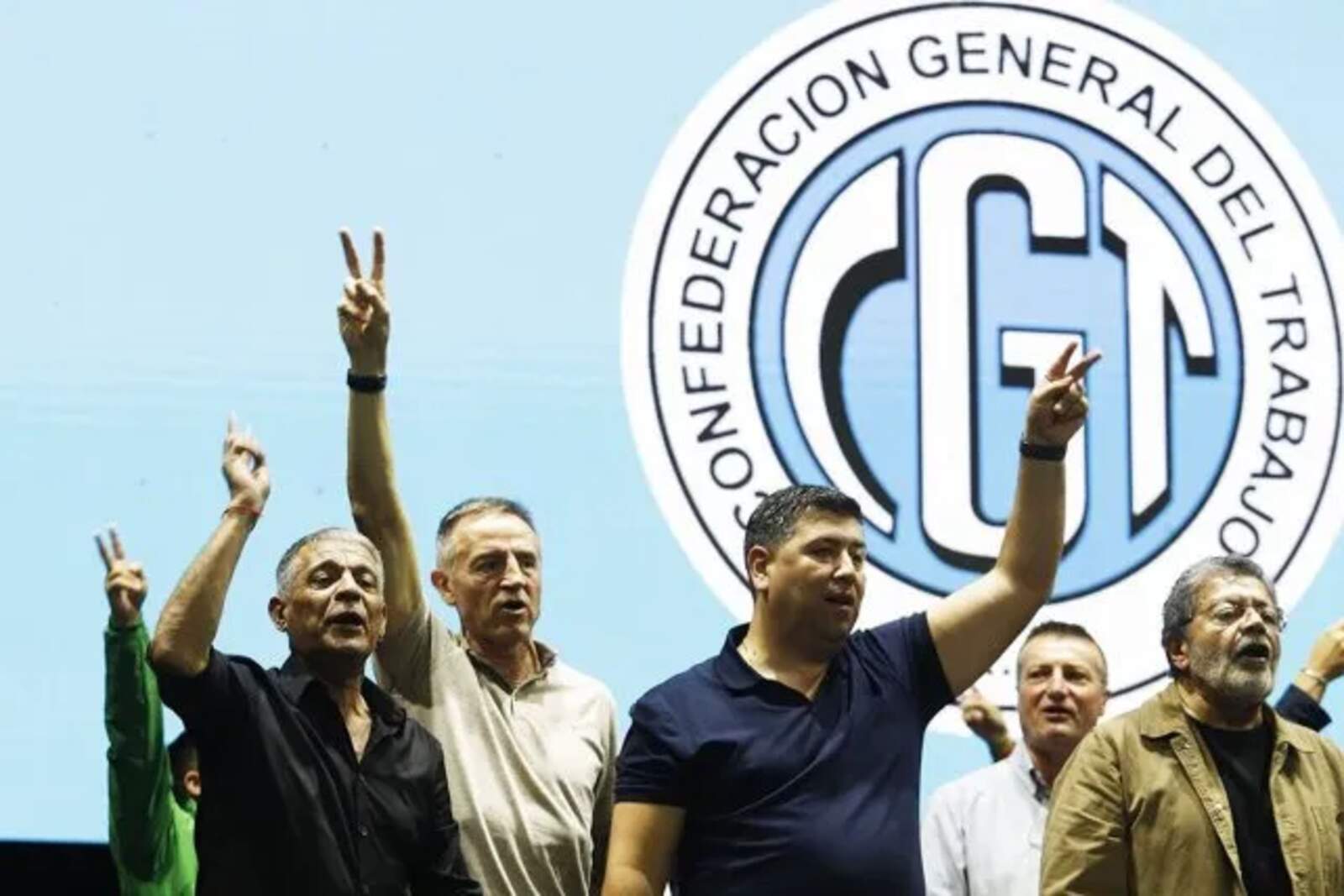
The decision to hold a strike was announced at a press conference held at the historic union headquarters at Azopardo 802, where the triumvirate that leads the labor federation reaffirmed its rejection of the government bill and anticipated that the strike will mark the beginning of a "process of confrontation." "This is the beginning," the leaders threatened during the announcement.
La CGT.
During the presentation, the union leaders also issued a "call for reflection" addressed to national legislators. In that regard, they asked them to act with "political responsibility" when voting on the initiative and to reject the government bill. According to what they stated, the objective would be to "represent the workers, who also voted for them," despite the fact that Milei's government won the 2023 legislative elections by a wide margin.
"Let there be no one on the street"
One of the most striking aspects of the measure is the approach adopted by the labor federation regarding its implementation. Far from calling for a demonstration, as has historically occurred in protests of this kind, the leaders themselves indicated in advance that the objective is for the shutdown to be total, even without visible demonstrations.
Javier Milei, presidente de los argentinos.
The union leaders emphasized that the general strike will be "forceful" and that they seek "there to be no one on the street" as a sign of rejection of the labor reform. This stance represents a contrast with other union protests, where the presence in the streets was considered a central show of strength.
The strike will also have the support of the Automotive Tramways Union, which has already confirmed its adherence to the strike, which foreshadows a strong impact on public transportation and on overall economic activity, harming millions of Argentines, who will have difficulties working.
Meanwhile, while the government is pushing for changes aimed at expanding formal employment opportunities and boosting the economy, the labor federation has opted for a strike that seeks to paralyze activities throughout the country, in an attempt to halt the advance of a reform that seeks to essentially change how the Argentine labor market operates.