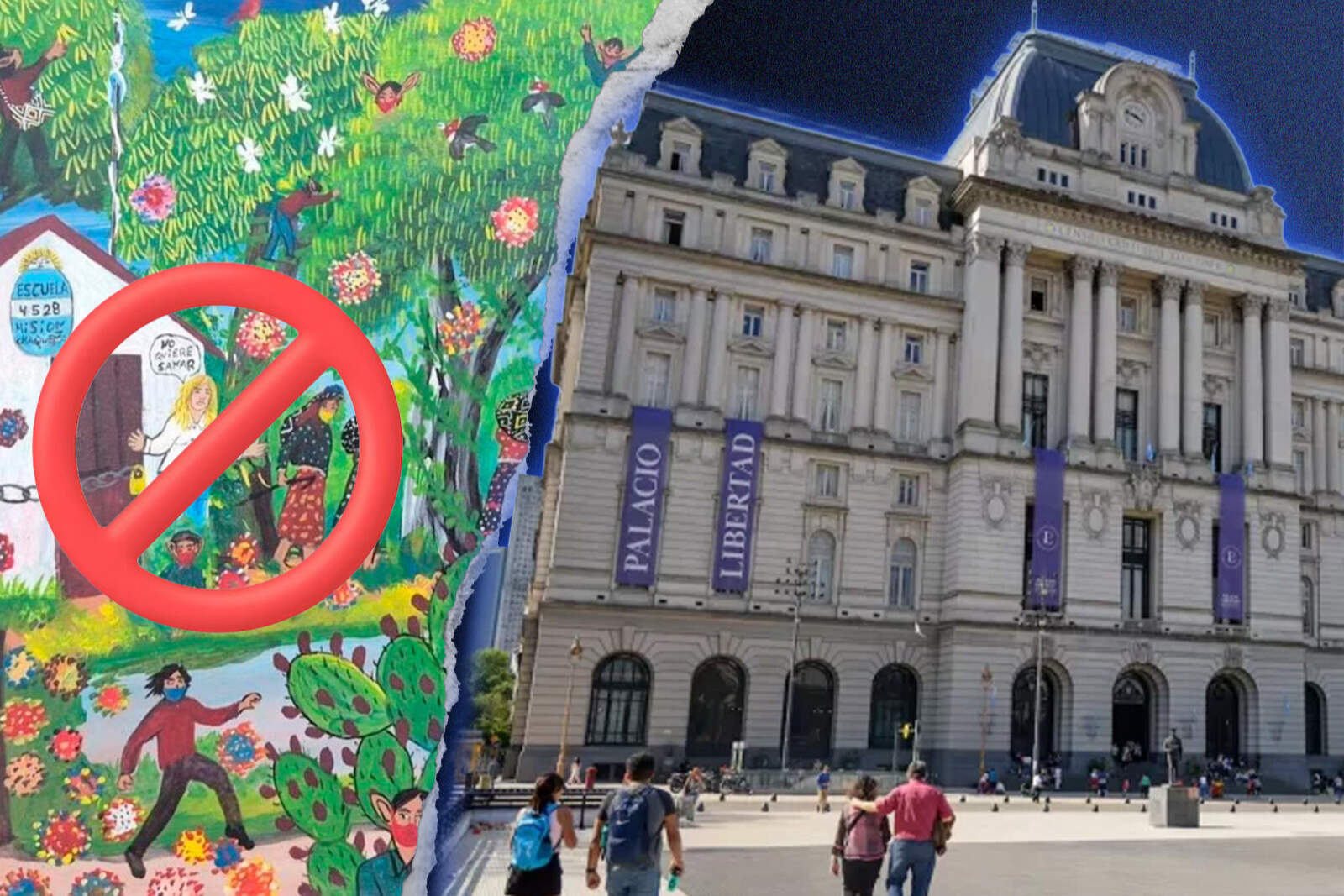
The decision by the Secretariat of Culture to take down an exhibition at Palacio Libertad reveals an essential shift in cultural policy
Compartir:
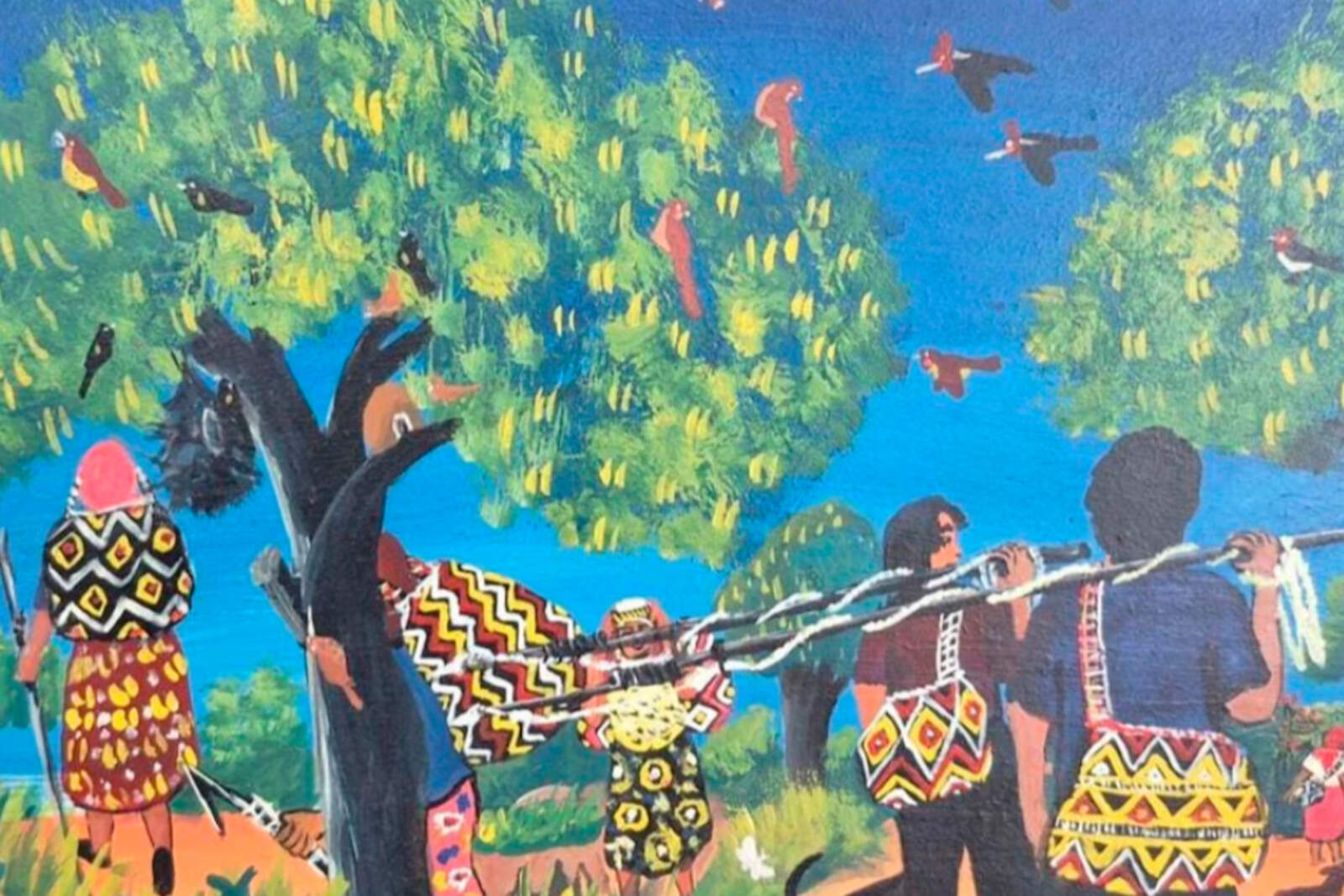
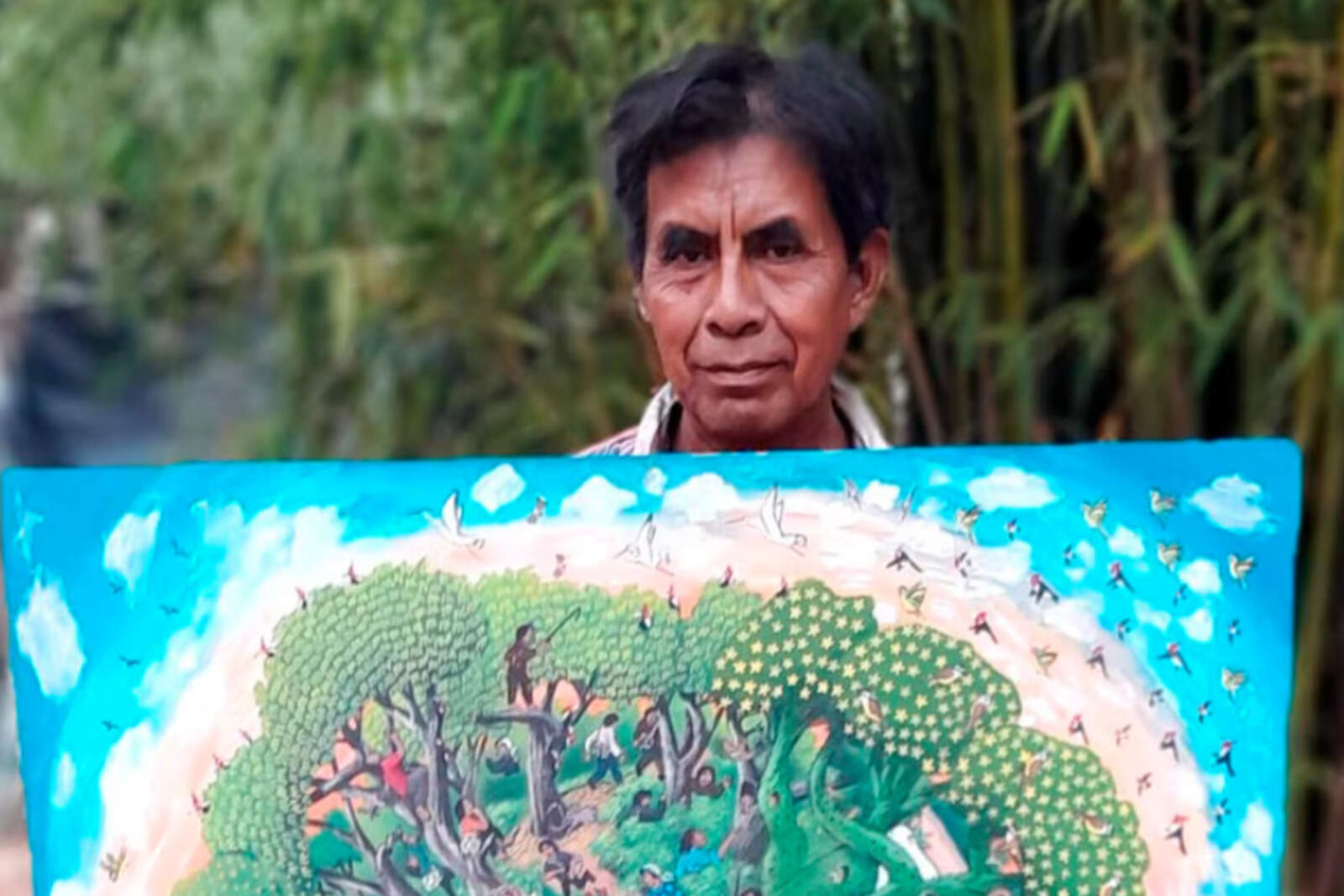
The cancellation of a Wichí art exhibition scheduled at Palacio Libertad triggered criticism from sectors of the cultural sphere that once again resorted to the argument of "censorship". However, the measure adopted by the National Secretariat of Culture must be read as part of a deeper structural change: the redefinition of the State's role in cultural promotion and the recovery of clear criteria regarding which expressions should occupy central public spaces.
For decades, Argentine cultural policy was shaped by a relativistic logic, where every manifestation was considered equivalent and where the country's main cultural centers operated without a defined profile. That stage appears to have come to an end.
Palacio Libertad and its institutional identity
Palacio Libertad is not a neutral space or a multipurpose hall without identity. It is an emblematic building of the national State, intended to reflect values, traditions, and cultural expressions that engage in dialogue with Argentina's institutional, republican, and Western history.
Within that framework, the Secretariat of Culture determined that the planned exhibition did not fit the profile that is being consolidated for the venue. It was not a negative artistic assessment or a questioning of Indigenous communities, but rather a decision linked to the cultural and symbolic framework of the space.
Cambio de era: el Gobierno canceló una muestra wichí en el Palacio Libertad
The First Indigenous Art Biennial, of which the exhibition was a part, continues to take place normally at the Pontifical Catholic University of Argentina, an institution that decided to host the event and where the works find an appropriate setting for their display.
Western culture, Nation, and the limits of the State
Argentina is a Nation founded on Western pillars: Roman law, the Judeo-Christian tradition, the Greco-Latin heritage, and liberal constitutionalism.
This doesn't mean denying other cultural expressions, but it does mean establishing hierarchies, contexts, and appropriate settings. Not everything must be exhibited everywhere, and much less in buildings that represent national institutionalism.
The end of the cultural disorder inherited from Kirchnerism
Kirchnerism left behind a disordered cultural system, without criteria, where the State operated as an indiscriminate promoter of identity agendas, often disconnected from the general interest and from the shared cultural heritage.
The current administration proposes the opposite:
defined profiles for each space
coherent programming
consistent decisions, even in the face of media pressure
Cambio de era: el Gobierno canceló una muestra wichí en el Palacio Libertad
A reality silenced by progressivism and the absence of the State
For years, multiple cases of sexual abuse and teenage pregnancies in Wichí communities were minimized or directly ignored under a feel-good discourse that, in the name of "cultural respect," ended up covering up extremely serious crimes. Judicial reports and journalistic investigations describe girls and adolescents subjected to situations of extreme violence, often within the family environment, without the State acting with the necessary firmness. The combination of isolation, structural poverty, and official neglect created a breeding ground for impunity, while agencies and officials looked the other way.
Far from being a "cultural" problem, it is a deep failure of the political and judicial system, which for decades prioritized the ideological narrative over the protection of victims. The lack of oversight, of an effective presence of security forces, of swift justice, and of clear prevention policies left thousands of minors to fend for themselves. In this context, various sectors are calling for an end to political correctness and for a serious approach: law, order, and real protection of the rights of the most vulnerable, without excuses or romanticism that only perpetuate abandonment.
A necessary debate that is only just beginning
The controversy exposes a deeper discussion: which culture the State should promote and from which spaces. Javier Milei's government appears determined to engage in that discussion without complexes, even if that means facing predictable criticism from sectors accustomed to a State without limits or identity.
The message is clear: culture doesn't disappear, but it ceases to be a territory without rules. Palacio Libertad is beginning a new stage, aligned with a clearer vision of nation, civilization, and Western values.