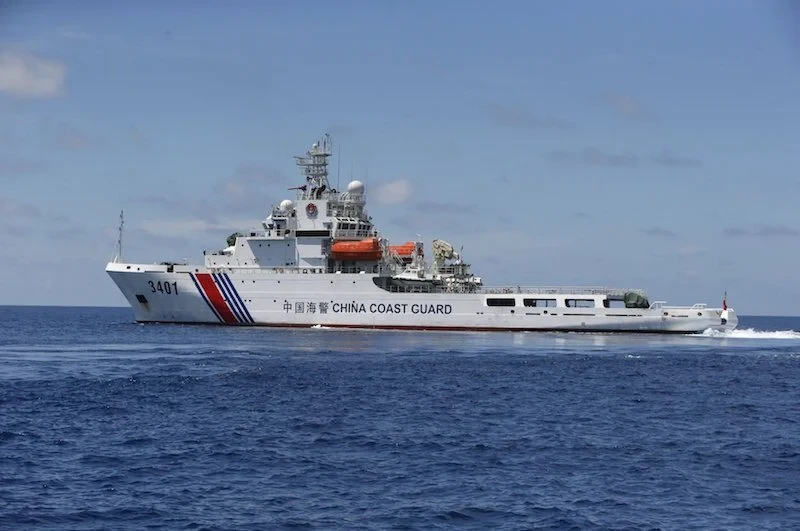









The incident occurred near the Senkaku Islands and raised tensions again due to Beijing's increasing maritime incursions in the region
Agregar La Derecha Diario en
Compartir:
A new confrontation between coast guard vessels from China and Japan in the waters surrounding the disputed Senkaku Islands, known by Beijing as Diaoyu, has once again raised tensions in the East China Sea and highlighted the growing strategic rivalry in the Indo-Pacific.
Although analysts believe that the incident is unlikely to lead to immediate armed conflict, they warn that China's ongoing actions are fuelinga climate of distrust that could increase the risk of future crises.
The incident occurred on July 7, when both Tokyo and Beijing accused each other of violating their territorial waters. The Japan Coast Guard reported that two Chinese vessels approached a Japanese fishing boat operating in the area, prompting their units to intervene to protect the vessel and expel the Chinese ships from the area.
For its part, the China Coast Guard claimed that the Japanese fishing boat entered waters it considers part of the Diaoyu Islands and stated that its patrol boats acted to warn and expel the vessel. As is common in such incidents, both governments maintained that they acted within their jurisdiction and defended their respective territorial claims.
Two Chinese coast guard vessels intruded into the waters of the Senkaku Islands, under Japanese jurisdiction, and engaged in a confrontation with a Japanese vessel
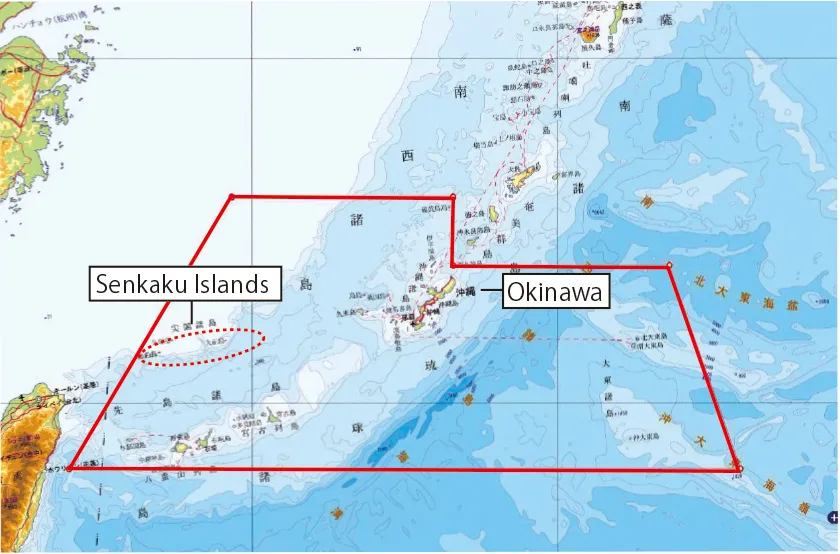
The islands, uninhabited but strategically located in the East China Sea, are administered by Japan under the name Senkaku, although they are also claimed by the People's Republic of China and Taiwan. The dispute has persisted for decades and remains one of the main points of friction between Tokyo and Beijing.
Historically, China asserts that the islands were part of its territory before 1895, when they were incorporated by Japan following the Sino-Japanese War and the signing of the Treaty of Shimonoseki. After World War II, sovereignty over the islands was not clearly defined in subsequent treaties, allowing the territorial conflict to remain unresolved.
In 1971, the United States returned the administration of Okinawa and the Senkaku Islands to Japan through the Okinawa Reversion Agreement, a decision rejected by both the People's Republic of China and Taiwan, which maintain their respective claims over the archipelago.
The Senkaku Islands are uninhabited and were granted by the United States for administration by Japan along with Okinawa
Regional security experts believe that, beyond historical differences, the behavior of the Chinese regime responds to a sustained strategy to reinforce its claims through a constant presence of coast guard and official vessels in disputed areas. According to many analysts, these operations aim to de facto consolidate Beijing's territorial claims without resorting to open military confrontation.
The incident occurred just a day after China launched a long-range missile capable of carrying a nuclear payload into the Pacific Ocean. The test raised concerns among several governments in the Indo-Pacific, including Japan, Taiwan, and the Philippines, who interpreted the test as a new demonstration of the military strengthening driven by the Chinese regime.
The combination of military exercises, missile tests, and maritime operations near disputed territories has reinforced the perception that Beijing seeks to gradually expand its influence in the region. In response, several countries have intensified their defense cooperation alongside the United States.
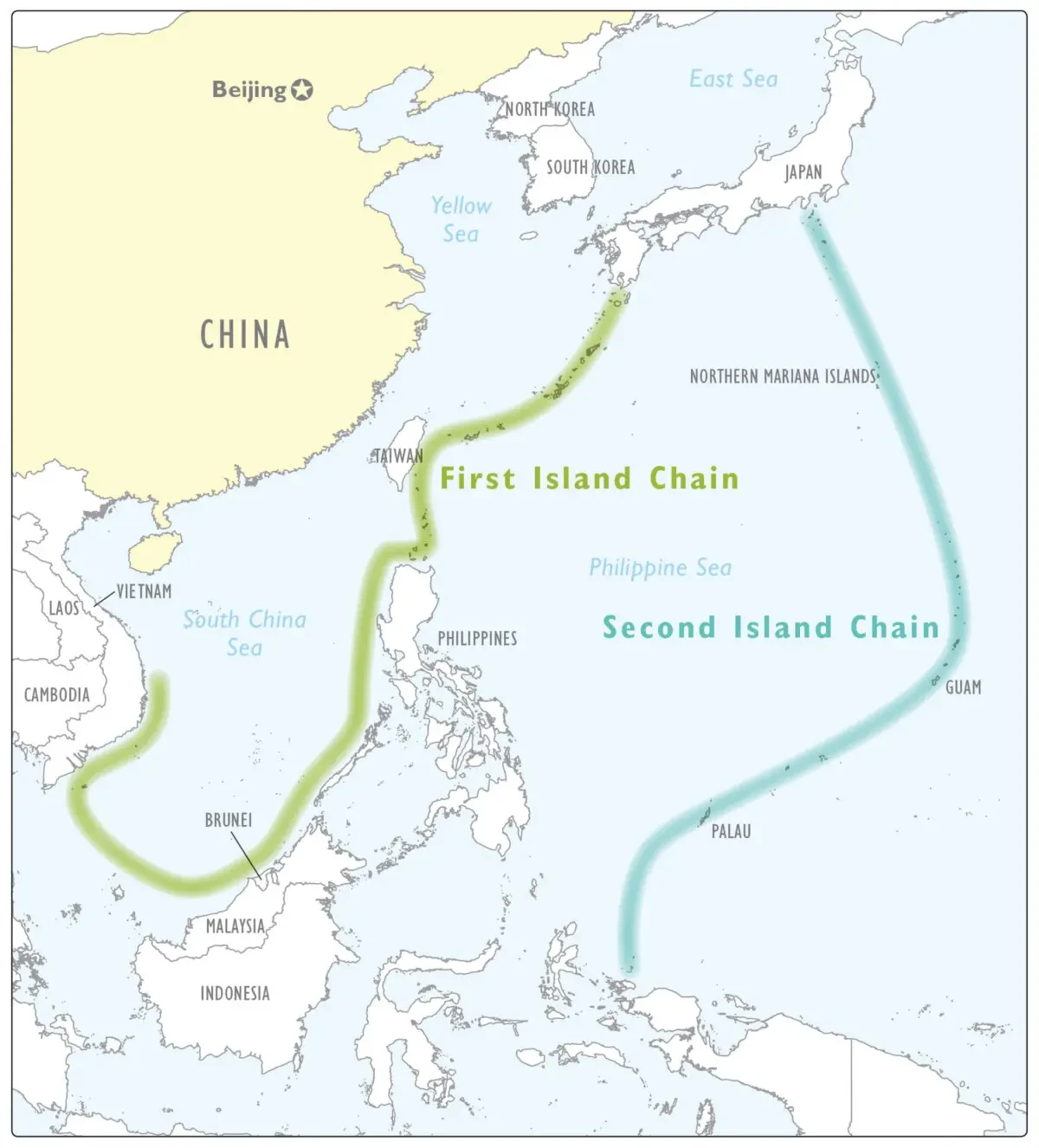
The First Island Chain represents one of the United States' major bets to contain Chinese influence in the region
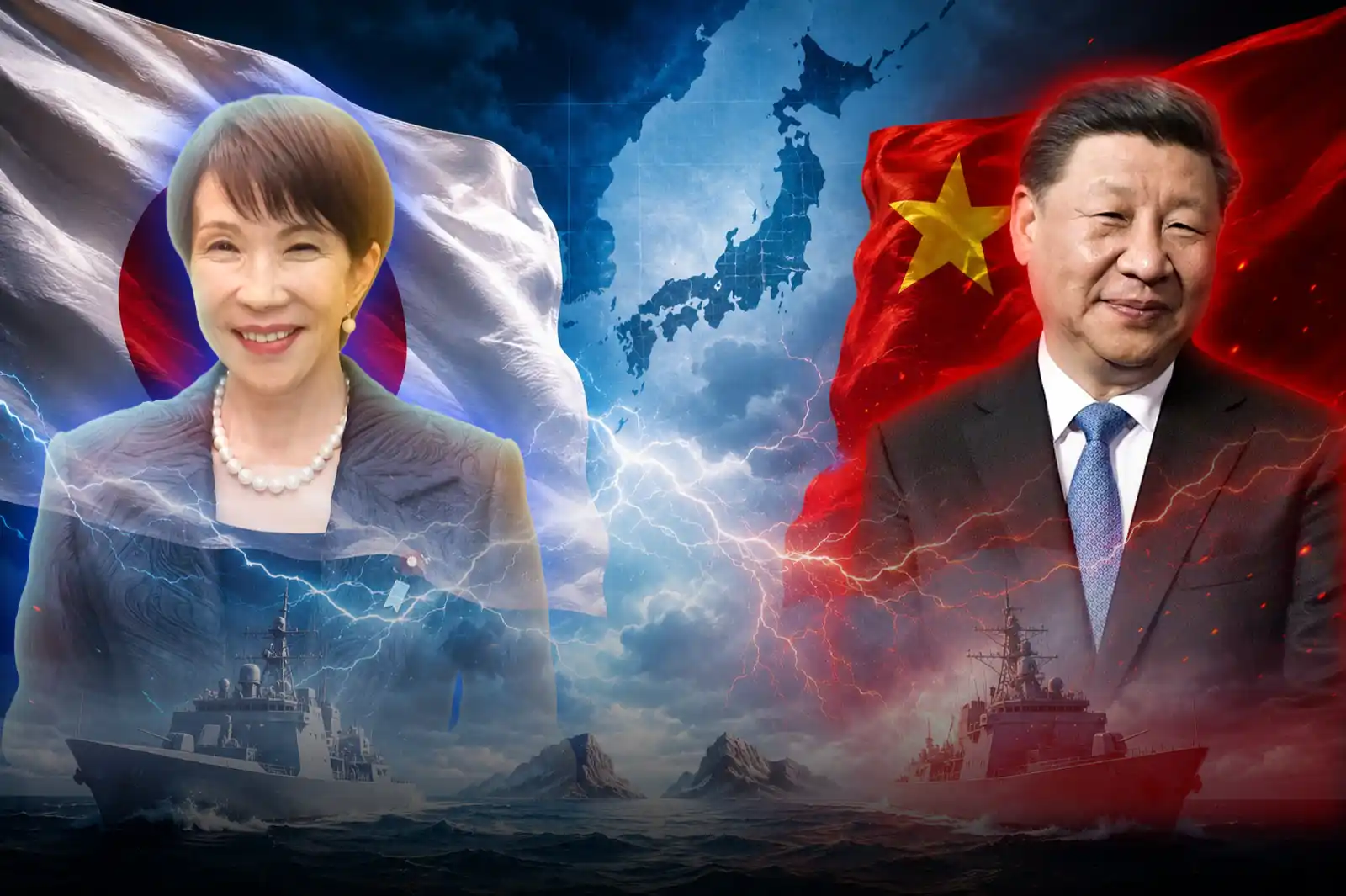
The so-called first island chain, consisting of Japan, Taiwan, and the Philippines, constitutes one of Washington's main strategic axes to contain Chinese maritime expansion. In this context, Japan has significantly strengthened its security policy since the arrival to power of Prime Minister Sanae Takaichi.
The Japanese government is pushing for an increase in military spending, promoting a revision of its defense policy and studying reforms to expand the capabilities of its Self-Defense Forces. Takaichi has stated that any serious crisis related to Taiwan would compel Japan to protect both its citizens and the Americans present on the island, warning that a lack of support for Washington would jeopardize the bilateral alliance.
Experts argue that these measures reflect the growing concern over Chinese military expansion and the repeated territorial disputes that Beijing has with several of its neighbors, including Japan, the Philippines, and other countries in the South China Sea. This is compounded by the constant pressure on Taiwan, which the Chinese government considers part of its territory.
Despite the rising tensions, analysts believe that a war remains unlikely due to the deterrent effect of the military alliances of the United States with Japan, South Korea, and the Philippines. However, they warn that the accumulation of incidents, the strengthening of the Chinese military, and the growing strategic competition continue to erode trust between the parties and raise the risk of miscalculations that could trigger a larger crisis in the future.
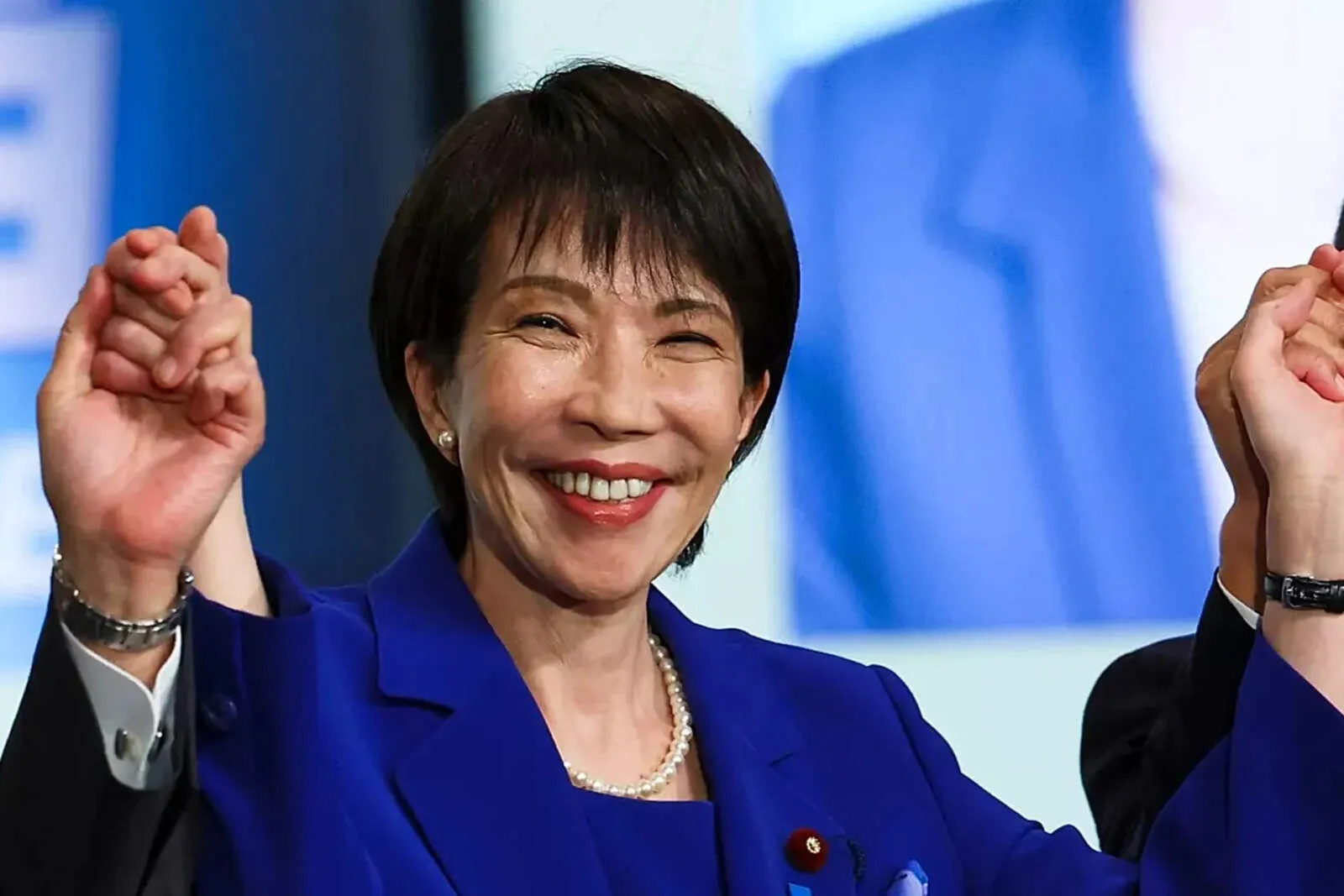
Sanae Takaichi, the newly appointed Prime Minister of Japan, has announced significant increases in the defense budget to address the Chinese threat