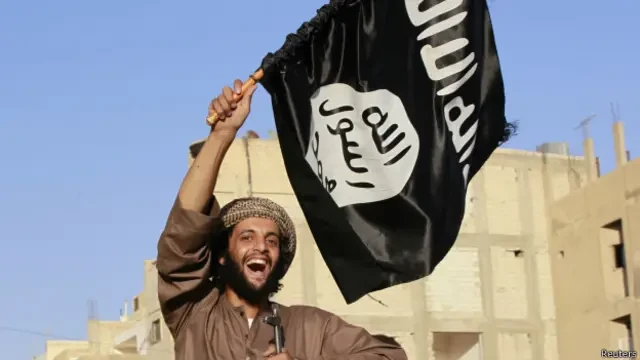
The extremist group became internationally known for imposing a regime of terror in large areas of Syria and Iraq, where it committed mass murders, public executions, kidnappings, religious persecutions, sexual slavery, destruction of historical heritage, and numerous crimes against humanity.
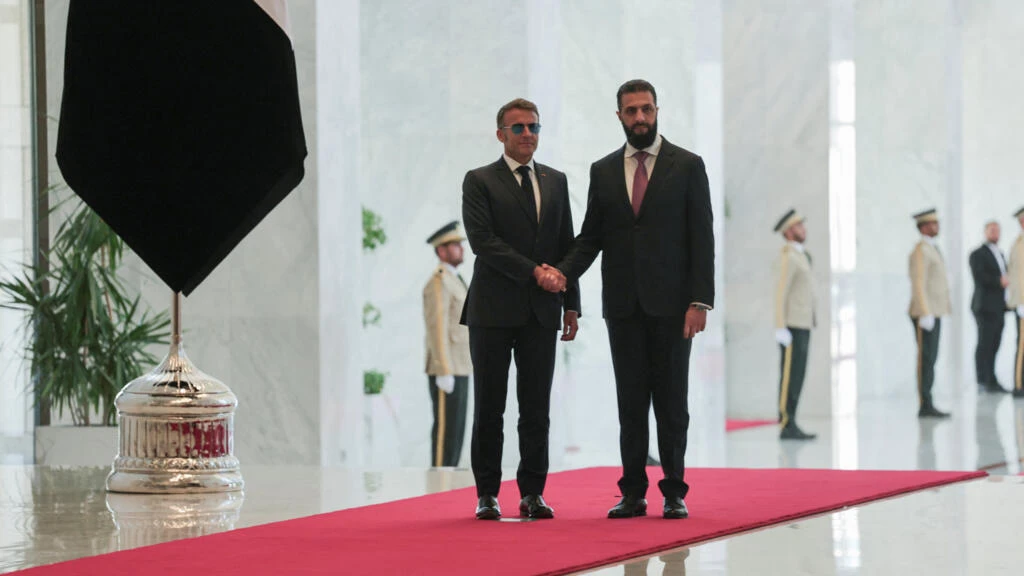
Macron's visit continued as planned. French officials indicated that the president did not hear the explosions and kept his official agenda unchanged alongside the Syrian president. Hours after the attack, the French leader published a message stating that ''nothing can suppress the aspiration of the Syrian people to live in a fully sovereign, secure, plural, and united Syria.'' He also affirmed that his visit aimed to express France's commitment to the stability and reconstruction of the country.
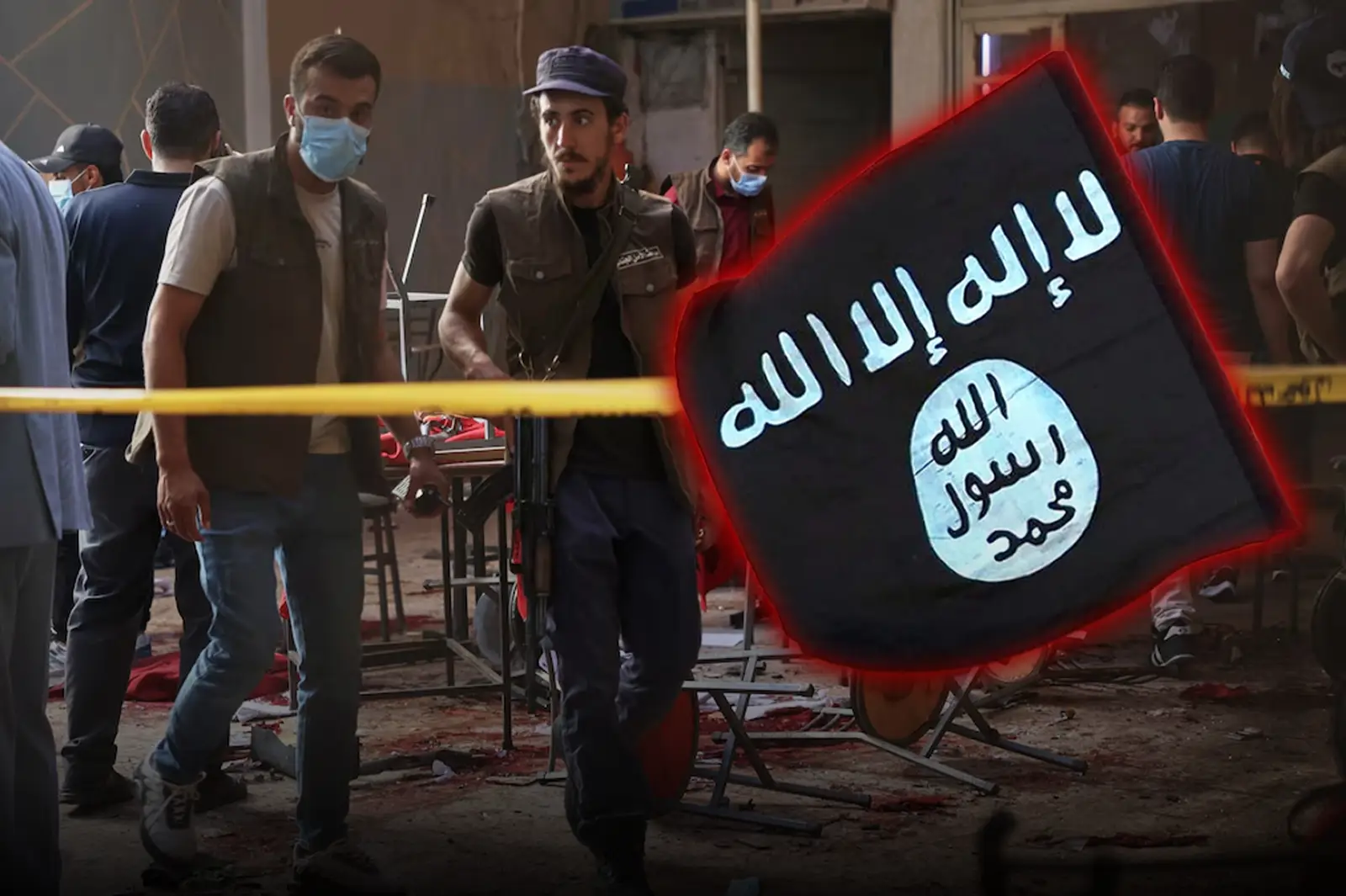
Syrian authorities reported that preliminary investigations into the explosive attacks registered on July 7 in Damascus point to a cell linked to the terrorist group Islamic State (ISIS), an extremist organization responsible for countless murders, attacks, and acts of barbarism in the Middle East and other regions of the world.
Brigadier General Ahmad al-Dalati announced that security forces managed to identify and detain all members of the cell following a coordinated operation between internal security forces and the Anti-Terrorism Directorate of the General Intelligence Service. He explained that the investigations began by tracking one of the suspects, which led to the discovery of the rest of the organization members involved in the attacks.
The attacks occurred near a hotel where the President of France, Emmanuel Macron, was staying during his official visit to Syria to meet with President Ahmed al-Sharaa. Although the explosives were placed near the security perimeter established to protect the French delegation, Syrian authorities assured that they never posed a direct risk to the French president.
Security forces located two improvised explosive devices near the Ministry of Tourism. One had been hidden inside a trash can and the other placed in a vehicle parked along the street. While specialists were attempting to deactivate them, both devices detonated unexpectedly.
The Syrian security forces captured the ISIS terrorist cell responsible for the attack on a hotel in Damascus
As a result of the explosions, one person died and 36 others were injured, according to the official toll released by news agencies. Interior Minister Anas Khattab stated that the identities of all cell members and the role played by each will be revealed once the investigations are concluded.
The attacks once again demonstrated that, despite the significant losses suffered by ISIS in recent years, the organization continues to attempt to carry out terrorist actions aimed at spreading fear, destabilizing governments, and hindering reconstruction efforts in countries affected by years of conflict.
The attack occurred at the hotel where French President Emmanuel Macron was staying, who was not affected by the attack
The trip had strong political symbolism as Macron became the first leader of the European Union to visit Syria since the fall of the regime of Bashar al-Assad. During meetings with Ahmed al-Sharaa, both delegations discussed national reconstruction projects, investment opportunities, and mechanisms to boost economic development after more than a decade of civil war.
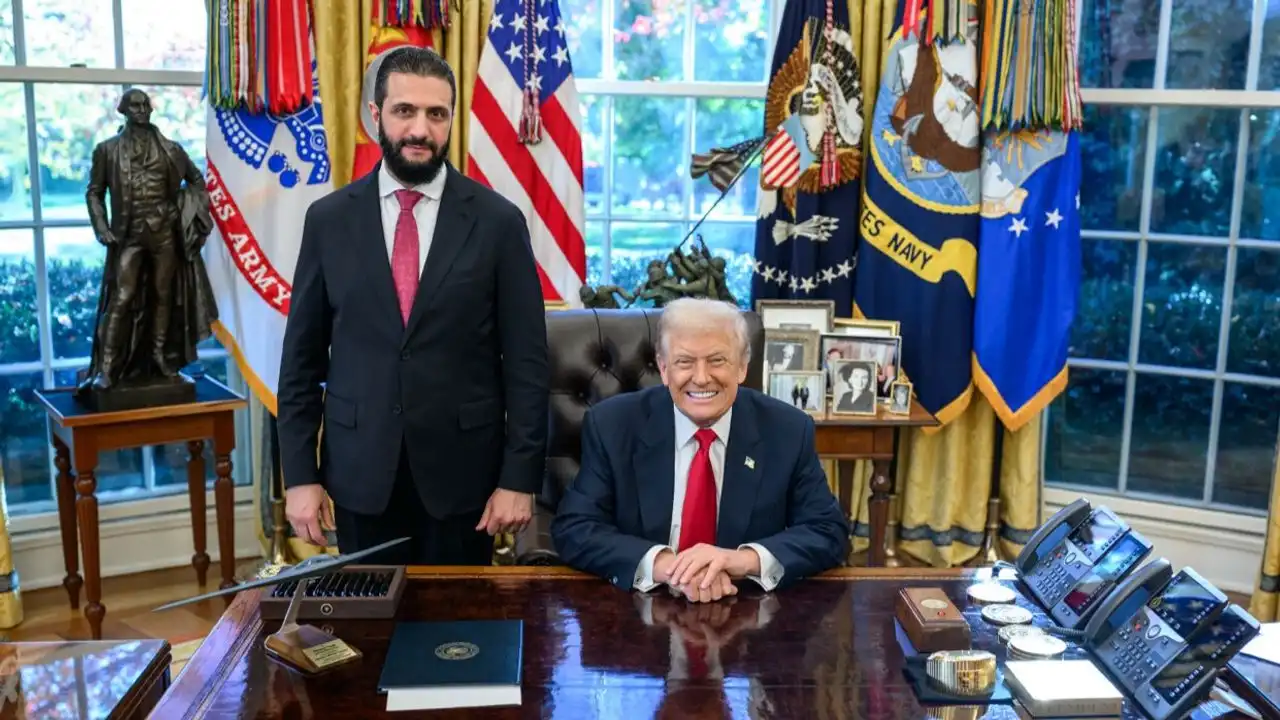
The visit also reflected the geopolitical change that Syria is undergoing under al-Sharaa's leadership. Although the president previously led armed Islamist groups, his government has sought to strengthen relations with Western countries and with the administration of President Donald Trump. In recent months, Damascus has also joined the international coalition led by the United States to combat ISIS.
In this context, the Trump administration announced on July 8 that it will initiate the process to remove Syria from the U.S. list of state sponsors of terrorism, a designation that the country had maintained since 1979. Secretary of State Marco Rubio described the decision as a ''historic step'' and stated that, after the legal notification period to Congress is fulfilled, the lifting of that designation will allow for the reactivation of international trade, attract investments, and facilitate the reconstruction of the country.
Rubio maintained that a stable, unified Syria at peace with itself and its neighbors will benefit not only the region but also international security. Meanwhile, Syrian authorities continue to investigate the network responsible for the attacks and reiterated their commitment to pursue all terrorist cells still operating in the country to prevent organizations like ISIS from regaining the ability to instill terror among the civilian population.
Under al-Sharaa's leadership, Syria seeks to reestablish its relations with Western countries and the United States