Xi Jinping's communist regime announced a new system to restrict access to these strategic minerals
Compartir:
In a new display of its use of trade as a political weapon, China plans to restrict access for the United States military to rare earth minerals essential for the technology and defense industries, while pretending to "ease" exports to civilian companies.
According to a report, Xi Jinping's regime is preparing a system designed to control the flow of strategic materials at its discretion, further consolidating its power over the global economy.
The plan includes the creation of a "validated end user" system, which would favor U.S. companies not linked to the Pentagon through fast-track export approvals, but would block or delay shipments to military contractors and firms producing dual-use technology.
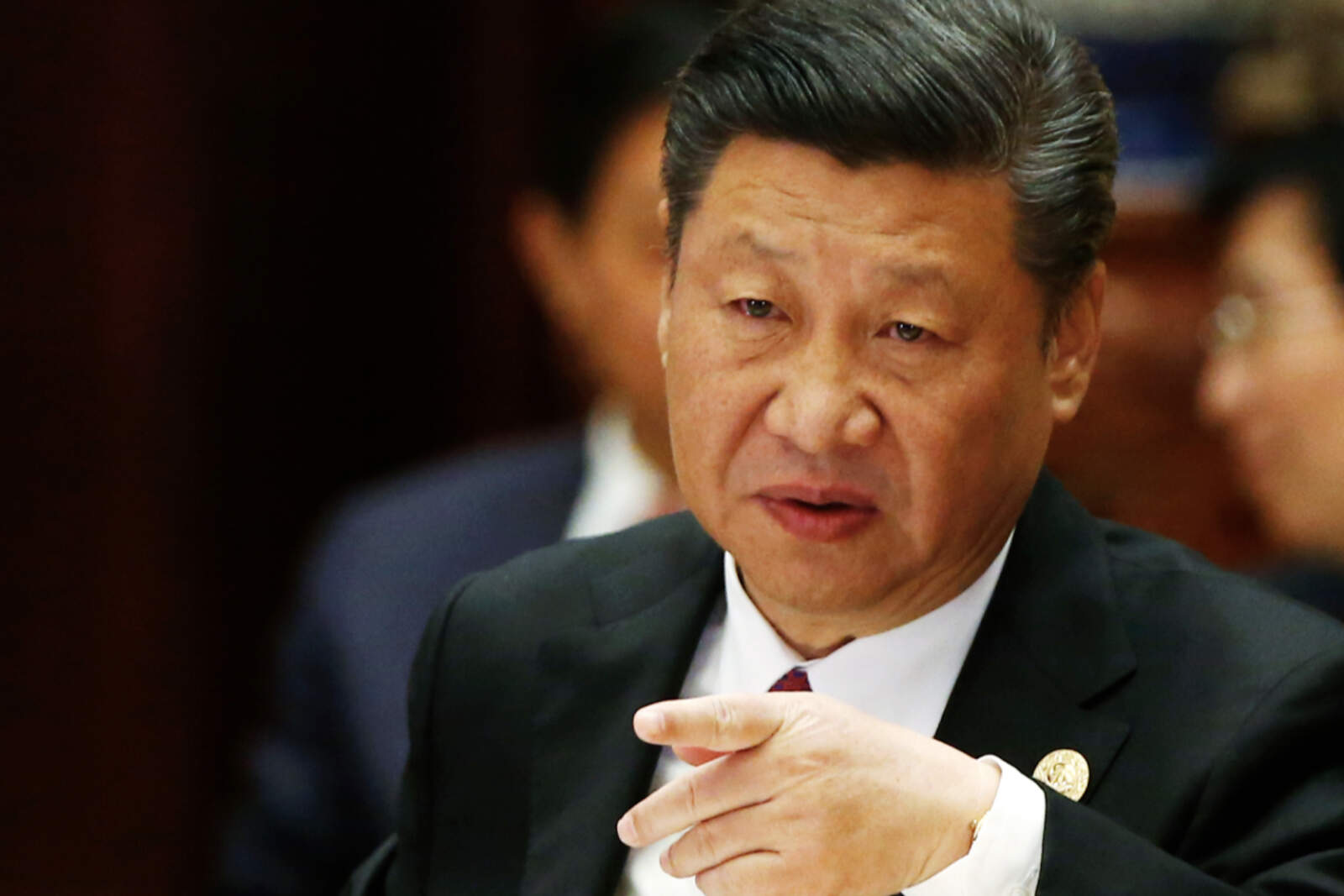
Xi Jinping tiene en mente un esquema para facilitar la exportación de estos elementos a empresas no vinculadas con el Ministerio de Guerra
On the surface, China appears to be fulfilling its trade commitments with Washington, but in practice, it would be establishing a new form of economic censorship, deciding who can and who can't access resources indispensable for innovation and national security.
This move confirms what many observers have warned for years: Beijing uses its monopoly over rare minerals as an instrument of political coercion.
China controls about 70% of global extraction and more than 90% of global processing of these materials, which are essential for manufacturing everything from iPhones and electric vehicles to drones and F-35 fighter jets. Instead of acting as a responsible trade partner, the Chinese Communist Party (CCP) has turned that dominance into an economic weapon to impose its will on the international stage.
The decision comes just weeks after China threatened to impose special licenses for products containing more than 0.1% rare minerals, a measure that would have paralyzed global supply chains.
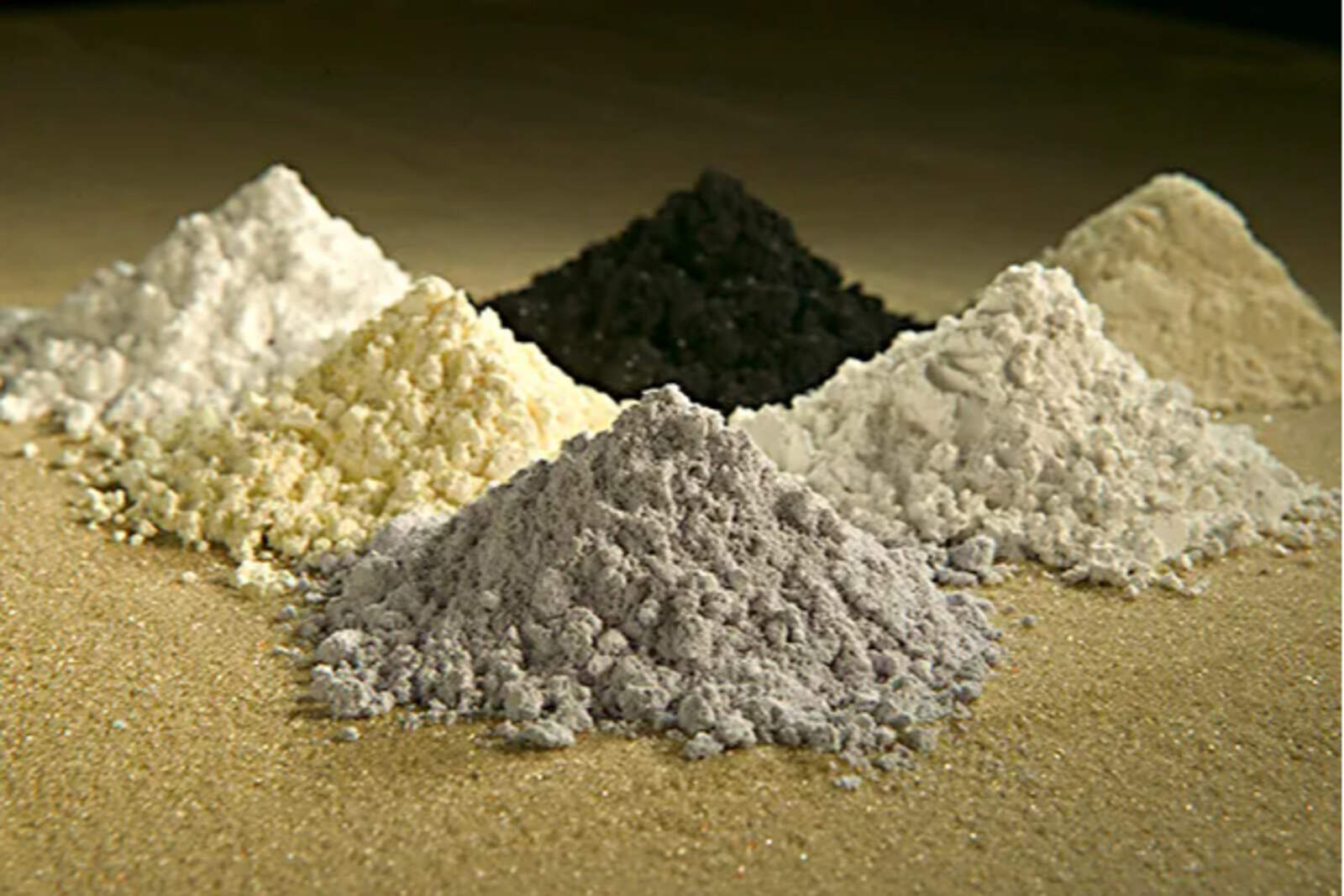
Estos minerales son claves para la fabricación de armamento y equipamientos de combate
Although Beijing temporarily suspended the initiative after talks between Xi Jinping and Donald Trump, its new plan demonstrates that the regime never abandoned its strategy of trade blackmail.
Economic security experts warn that this "dual" policy seeks to divide the U.S. industry, forcing companies with military contracts to choose between maintaining relations with the Department of Defense or retaining access to Chinese materials.
The measure, according to analysts, is a deliberate attempt to undermine the United States' industrial and technological base, while projecting an image of cooperation that actually conceals political control.
The lack of transparency about which U.S. companies would be "approved" under the new system reinforces criticism that Beijing operates under opaque and arbitrary rules. This type of tactic, characteristic of Chinese economic authoritarianism, allows the CCP to exert pressure on foreign governments and corporations without openly assuming any responsibility.
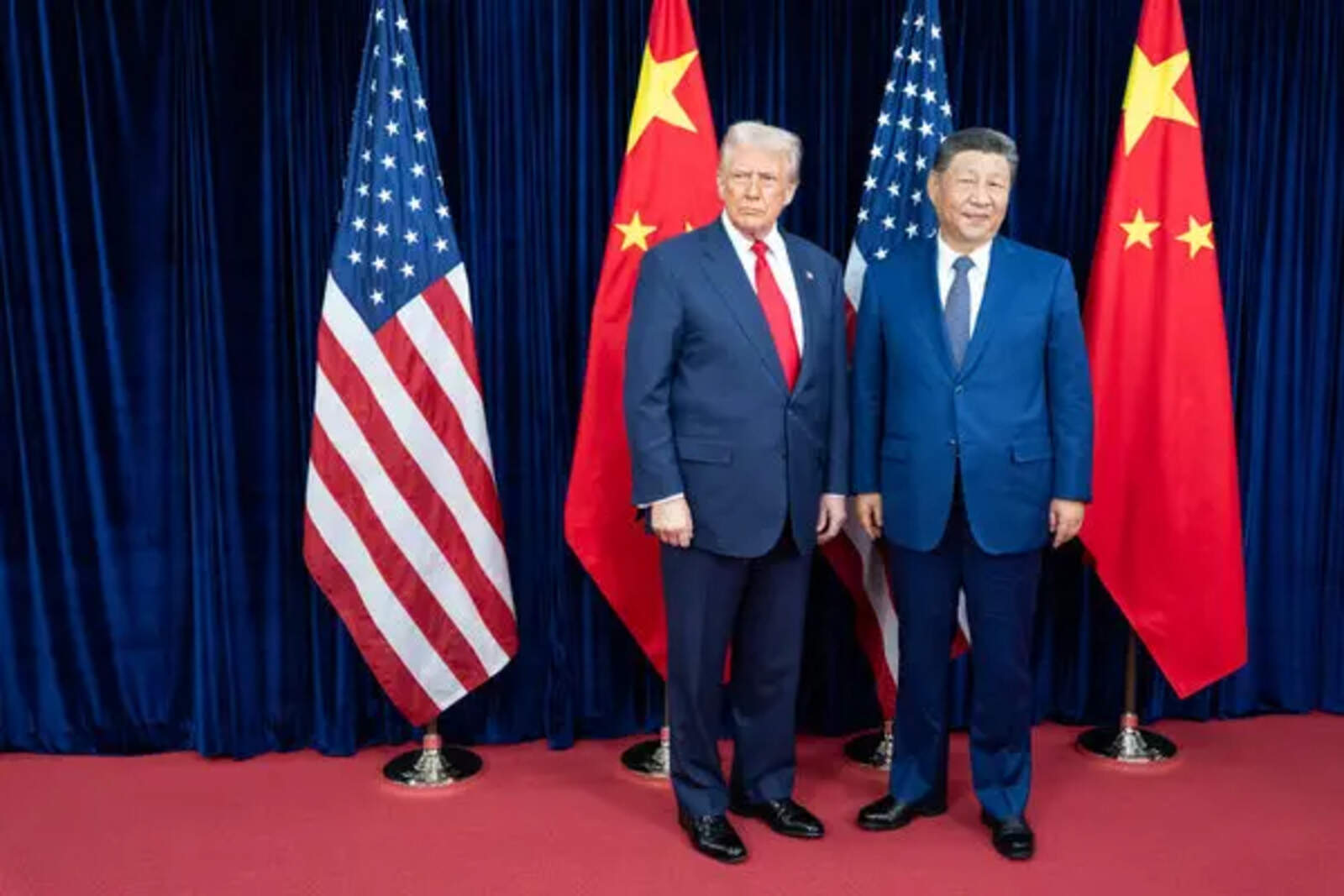
China había suspendido su política de restricciones a la exportación de tierras raras tras la reunión de Trump con Xi Jinping
Meanwhile, the Trump administration has intensified its efforts to break dependence on Chinese resources, announcing strategic agreements with Kazakhstan and explorations in Greenland and Ukraine to diversify the supply of critical minerals.
These initiatives aim to protect U.S. industry against a trade partner that has repeatedly demonstrated its willingness to use trade as a tool of intimidation.
With this new system, China not only threatens the United States, but also the entire global economy. By conditioning the delivery of essential materials, Xi Jinping's regime demonstrates that it doesn't seek cooperation or stability, but rather to impose its control over global value chains.
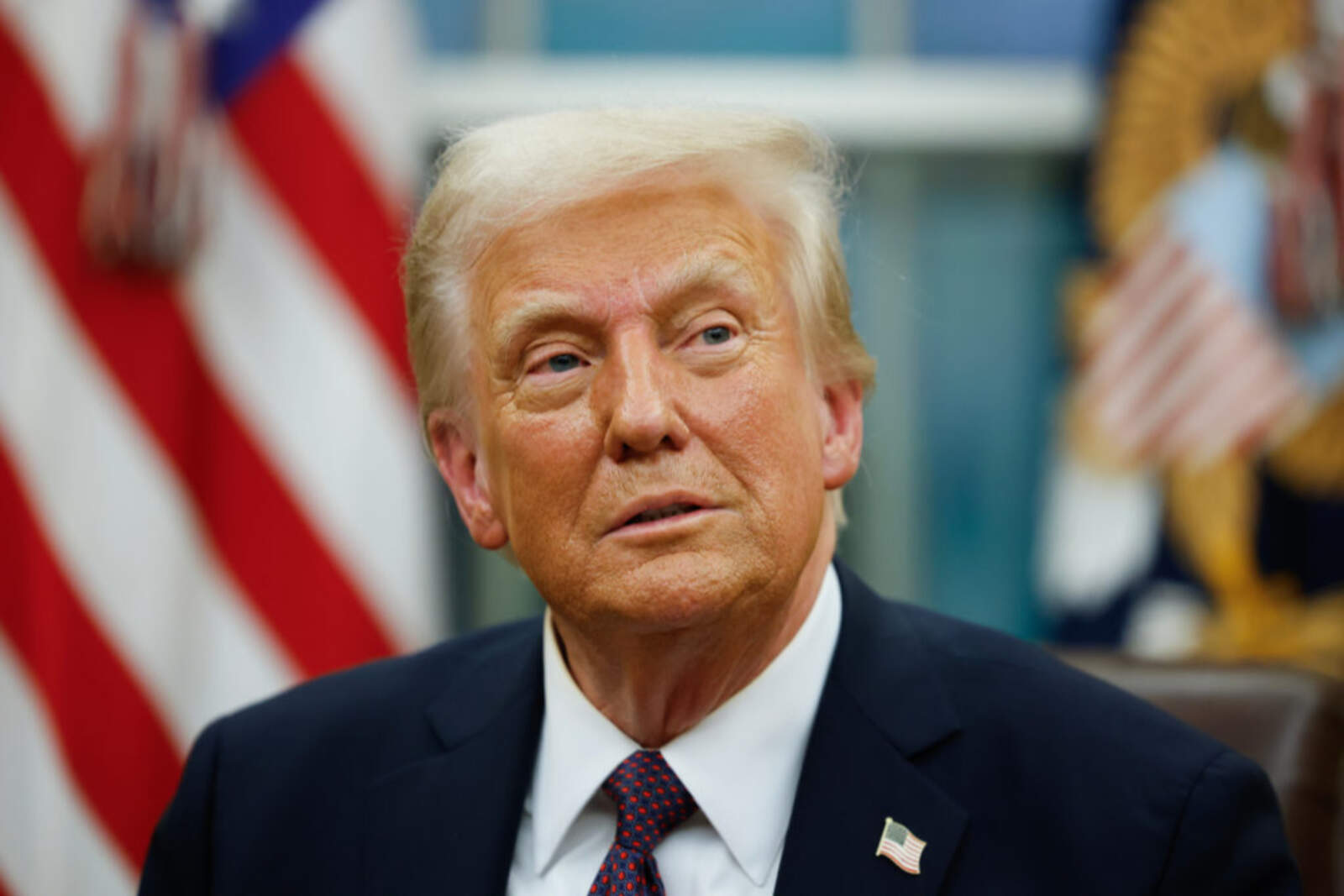
La administración Trump ha diversificado los esfuerzos para quebrar la dependencia china