Developer Lucas Salim reported that domestic tires cost twice as much as in Uruguay. The collapse of the company exposes the failure of a scheme based on tariffs and fallacies
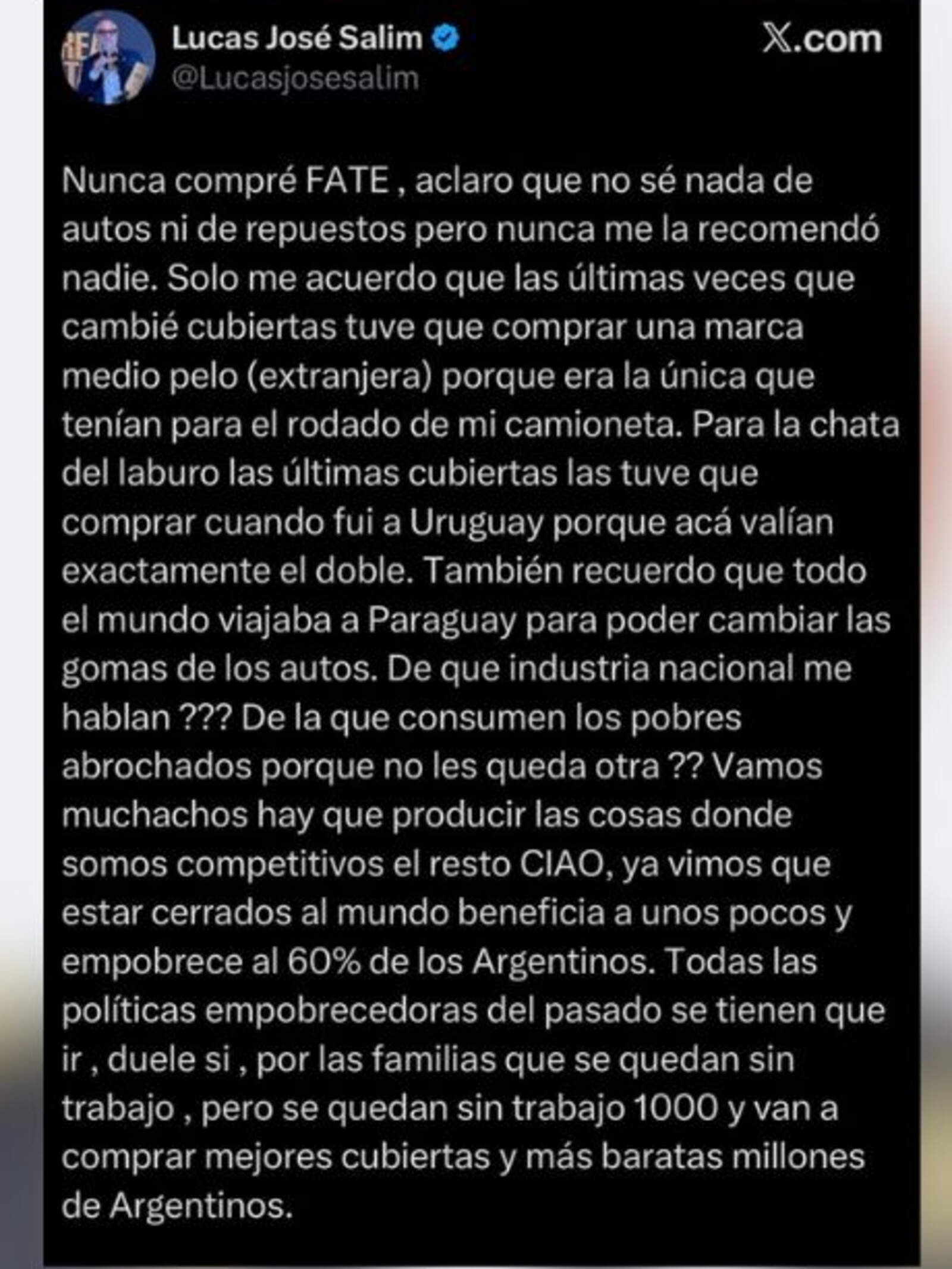
The businessman from CórdobaLucas Salimlashed out against the protection scheme that supported Fate for decades. Through his social media, he described the import substitution model as "impoverishing policies." The executive recalled that he had to buy tires abroad because of the ridiculous prices in the local market.
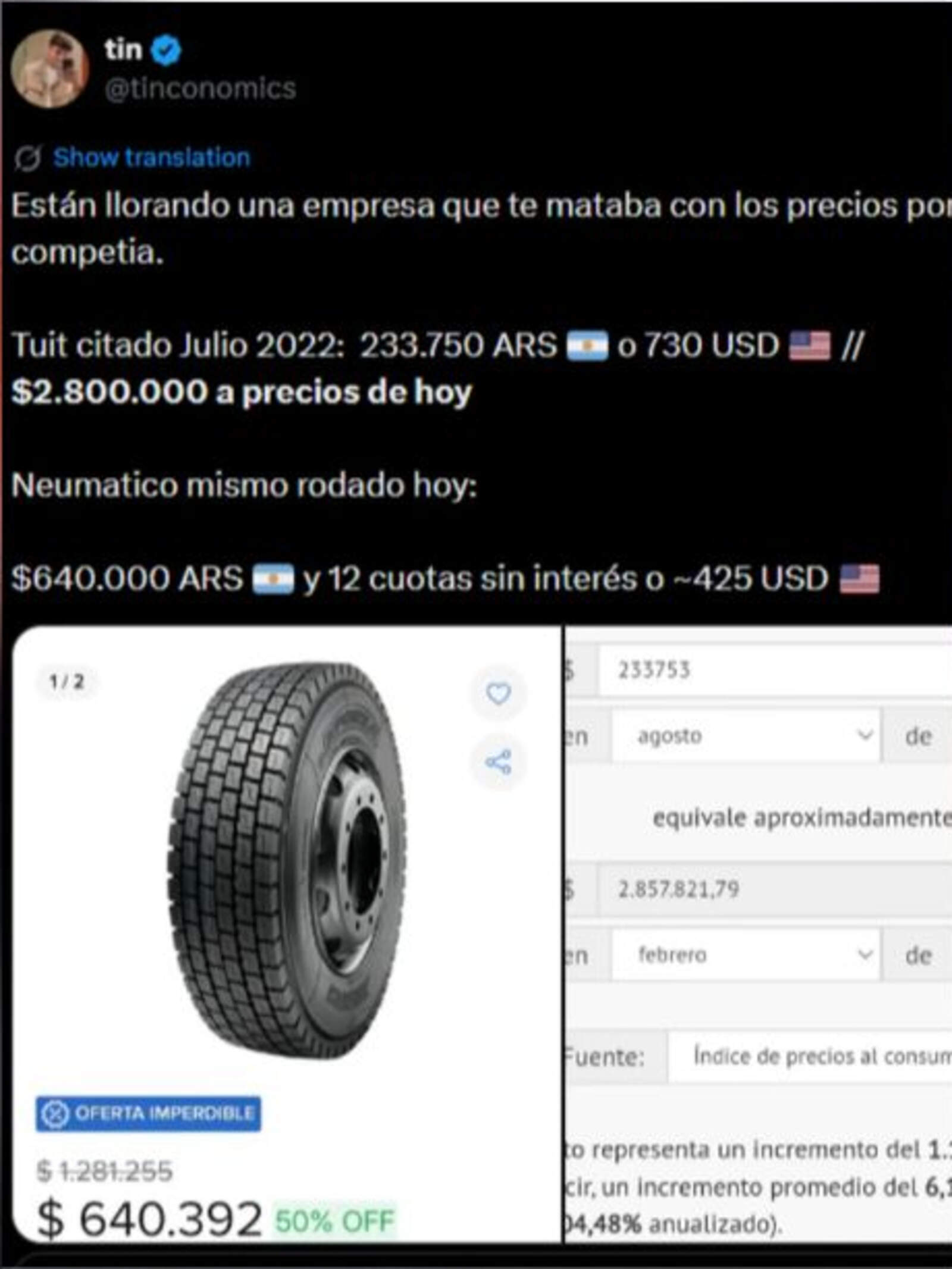
According to Salim, the cost of tires in Argentina was double the prices recorded in neighboring countries. Many consumers had to travel to Paraguay or Uruguay to access quality products at reasonable prices. The businessman questioned the existence of a domestic industry that only the most vulnerable sector consumes.
El empresario cuestionó la existencia de una industria nacional que solo consume el sector más vulnerable.
The collapse of a prebendary model
The company led by Javier Madanes Quintanilla historically depended on import bans. This regulatory shield made it possible to maintain high margins without needing to invest in real efficiency. When the market began to normalize, Fate's lack of competitiveness was exposed to the world.
The company failed to develop a solid export position or to move forward in global automation processes. It preferred to bet on lobbying the State to keep Argentine consumers captive. The shutdown symbolizes the exhaustion of a business class that demands privileges instead of competing.
Según Salim, el costo de los neumáticos en Argentina duplicaba los valores registrados en países vecinos.
Union conflict and official mediation
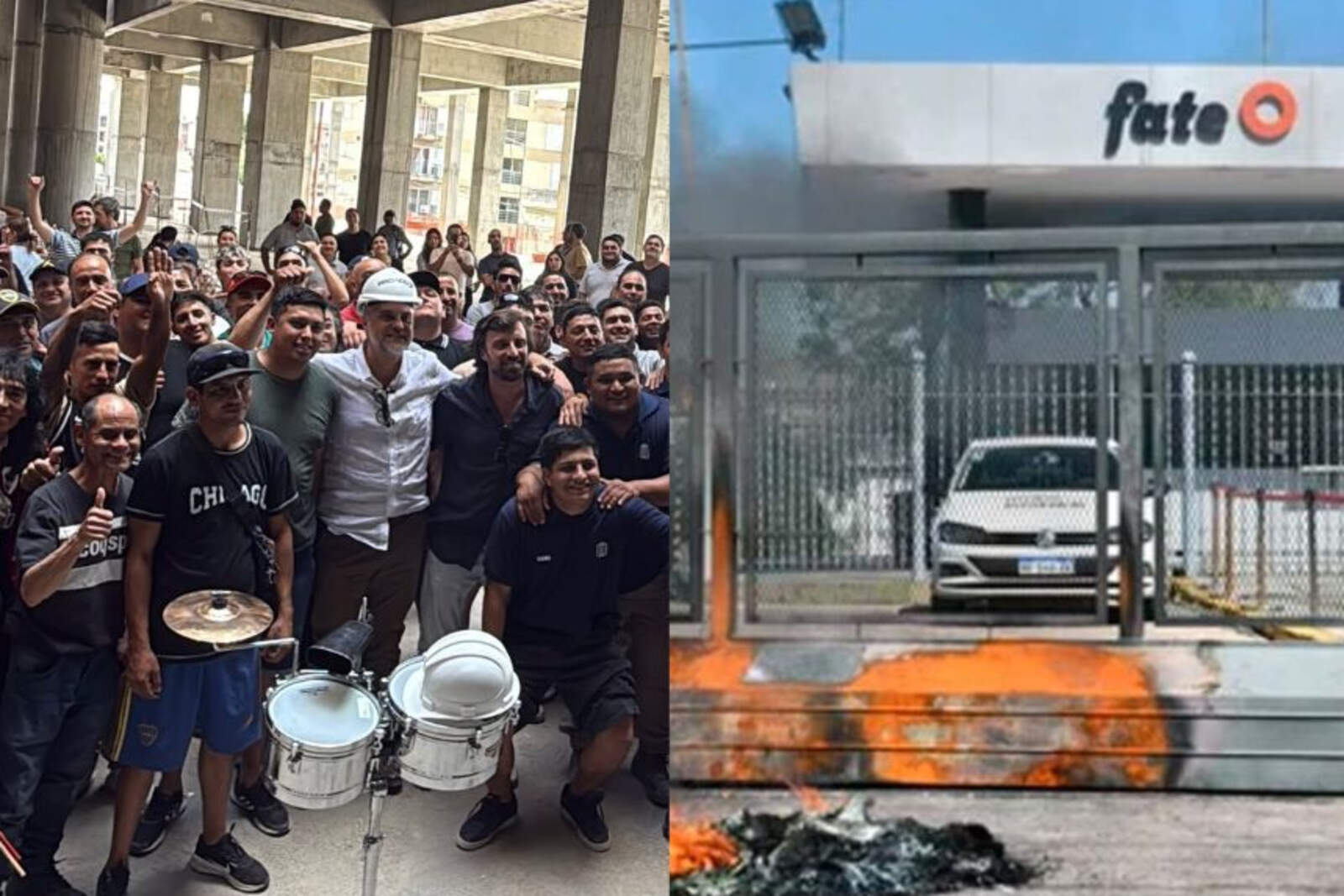
The Ministry of Human Capital ordered mandatory conciliation for a period of 15 days in the conflict. The measure seeks to halt the direct actions of the Single Union of Argentine Tire Workers (SUTNA). The Government is trying to preserve social peace while the stages of administrative negotiation take place.
The Labor Secretariat reported that the conflict has had critical precedents since June 2024. At that time, the company requested a Preventive Crisis Procedure that ended without agreements in August. The parties signed reorganization agreements in May 2025 in an attempt to mitigate the economic crisis.
A la debilidad estructural de la empresa se sumó una conflictividad sindical crónica y paralizante.
The cost of lack of productivity
In addition to the company's structural weakness, there was a chronic and paralyzing union conflict. Prolonged strikes and constant blockades affected the operational predictability of the industrial plant. This instability directly impacted costs and compliance with international contracts.
Salim concluded that it is necessary to produce only where the country proves to be truly competitive. The closure of these inefficient structures will benefit millions of Argentines with cheaper products. Economic openness leaves behind a system that benefited a few and impoverished 60% of the population.
Salim concluyó que es necesario producir únicamente donde el país demuestre ser verdaderamente competitivo.