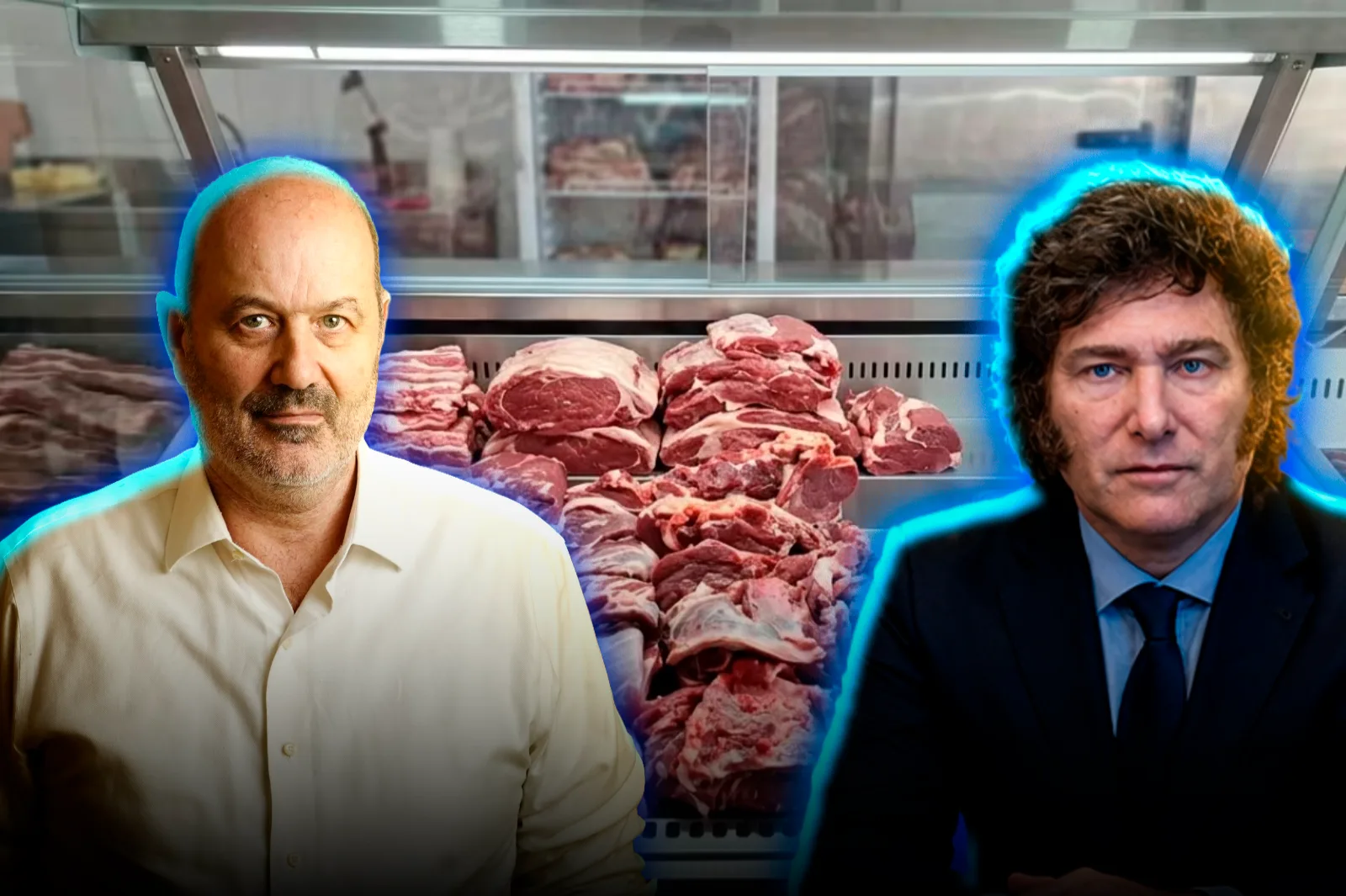
Driven by the reforms of Federico Sturzenegger, the end of restrictions on marketing expanded supply and competition, causing a 18% drop in the price of barbecue in July
At the national level, the economic scenario under the firm administration of President Javier Milei shows clear signs of price correction and macroeconomic order, accumulating four consecutive months of real decline against general inflation for beef. In July, the national average price of a kilo of beef was $16,708, registering a monthly decrease of 1.3%. This decline moves the iconic cut away from its nominal record of March, when it was priced at $17,784 (which represents a drop of almost 6%).
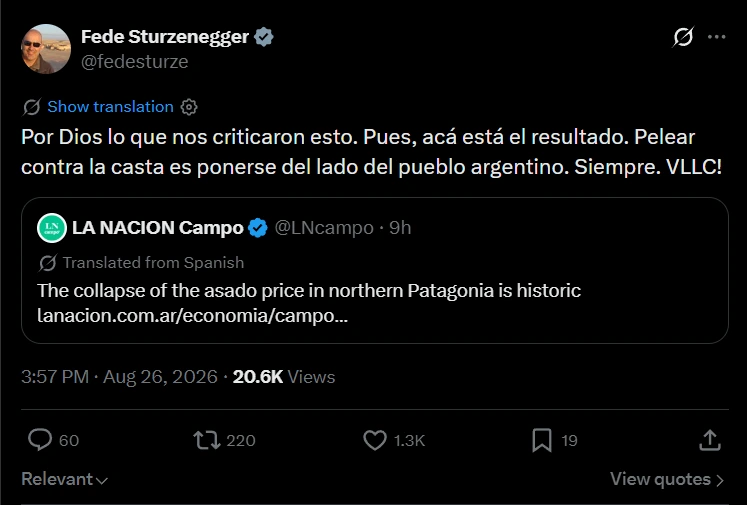
Measured in foreign currency, the national average value fell from a peak of US$ 12.7 in April to US$ 11.2 in July. In light of this undeniable success of economic freedom, the Minister of Deregulation and State Transformation, Federico Sturzenegger, celebrated the direct impact of his policies by publishing a categorical announcement on social media X: "For God's sake, how much they criticized us for this. Well, here is the result. Fighting against the elite is standing with the Argentine people. Always. VLLC!".
Federico Sturzenegger on X:
The key to this price revolution lies in the national government's determination to dismantle the corporate privileges that suffocated consumers. The flagship measure consisted of the flexibilization of the historic and obsolete sanitary barrier of the Colorado River.
Through resolution 460/25 issued by the National Service of Health and Food Quality (Senasa), the formal entry of bone-in beef from the producing regions located north of the country into the Patagonian market was officially authorized.
For years, this regulatory barrier prevented commercial flow under the pretext of preserving the sanitary status of a foot-and-mouth disease-free zone without vaccination, artificially limiting supply and scandalously increasing the product's price in Río Negro and Neuquén, despite the fact that vaccination against foot-and-mouth disease is carried out north of Patagonia.
Thanks to the government's deregulating intervention, new slaughterhouses were able to bring their products to Patagonia, breaking the regional monopoly and unleashing healthy competition.
This historic regulatory change caused an unprecedented price collapse in the south of our homeland. According to the latest report from the Bariloche Experimental Station of the National Institute of Agricultural Technology (INTA), the average price of a kilo of beef in the region recorded a nominal decline of 18% in July compared to June, standing at $13,490. This translates to a real drop of more than 20% when adjusted for inflation.
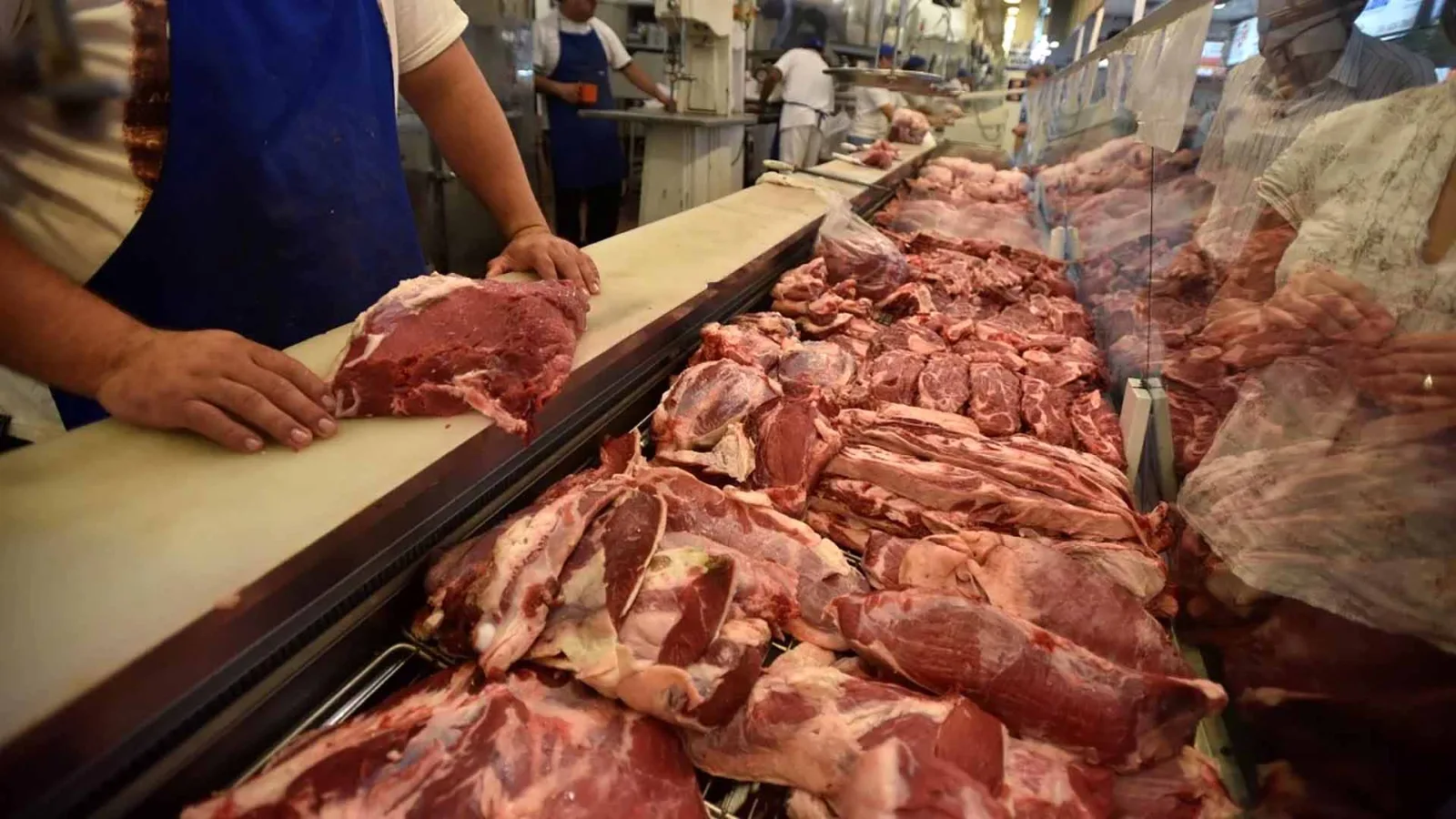
Argentinian butcher shop
In dollars, the kilo was traded at an average of 8.9 dollars, marking the second lowest record of the last decade in Patagonia.
The detailed territorial breakdown provided by INTA shows that the impact of market freedom significantly benefited the following specific areas:
In Chubut, the average price of beef also aligned at $16,490.
In Santa Cruz, the variation was smaller, with beef reaching $17,490.
This massive influx of supply shattered the historical price gap that punished the inhabitants of the south of the barrier. Previously, beef was substantially cheaper north of the Colorado River, but today a resident of La Pampa pays between $18,000 and $19,000 per kilo in traditional butcher shops (despite specific offers in supermarkets ranging from $12,500 to $16,400), demonstrating that the gap that harmed Patagonians has practically disappeared thanks to free trade.
Argentine meat
As was to be expected, the corporate sectors accustomed to hunting in the zoo raised their voices against the freedom of citizens.
Patagonian livestock producers harshly criticized the authorization of northern meat, warning with a protectionist discourse that the measure implies "a setback that jeopardizes animal health, productive work, and the international projection of the entire region".
However, the reality of the data buries the rhetoric of fear: the regulatory opening of Federico Sturzenegger's administration immediately increased competition among suppliers and generated a reorganization of supply channels that benefits the consumer, achieving this milestone even in a context of relatively low national and regional livestock production. The administration of Javier Milei demonstrates with undeniable facts and numbers that the only path to the prosperity of the people is the destruction of state barriers and the triumph of freedom