This Friday, December 19, the interstellar object 3I/ATLAS offers a unique opportunity for astronomical study
Compartir:
This Friday, December 19, the comet 3I/ATLAS passes by its closest point to Earth and has sparked the interest of the scientific community.
There is no risk whatsoever for the planet, but there is a unique observation window to study an object that comes from outside the solar system.
La NASA confirmó que el cometa no representa peligro
What comet 3I/ATLAS is and why it is so special
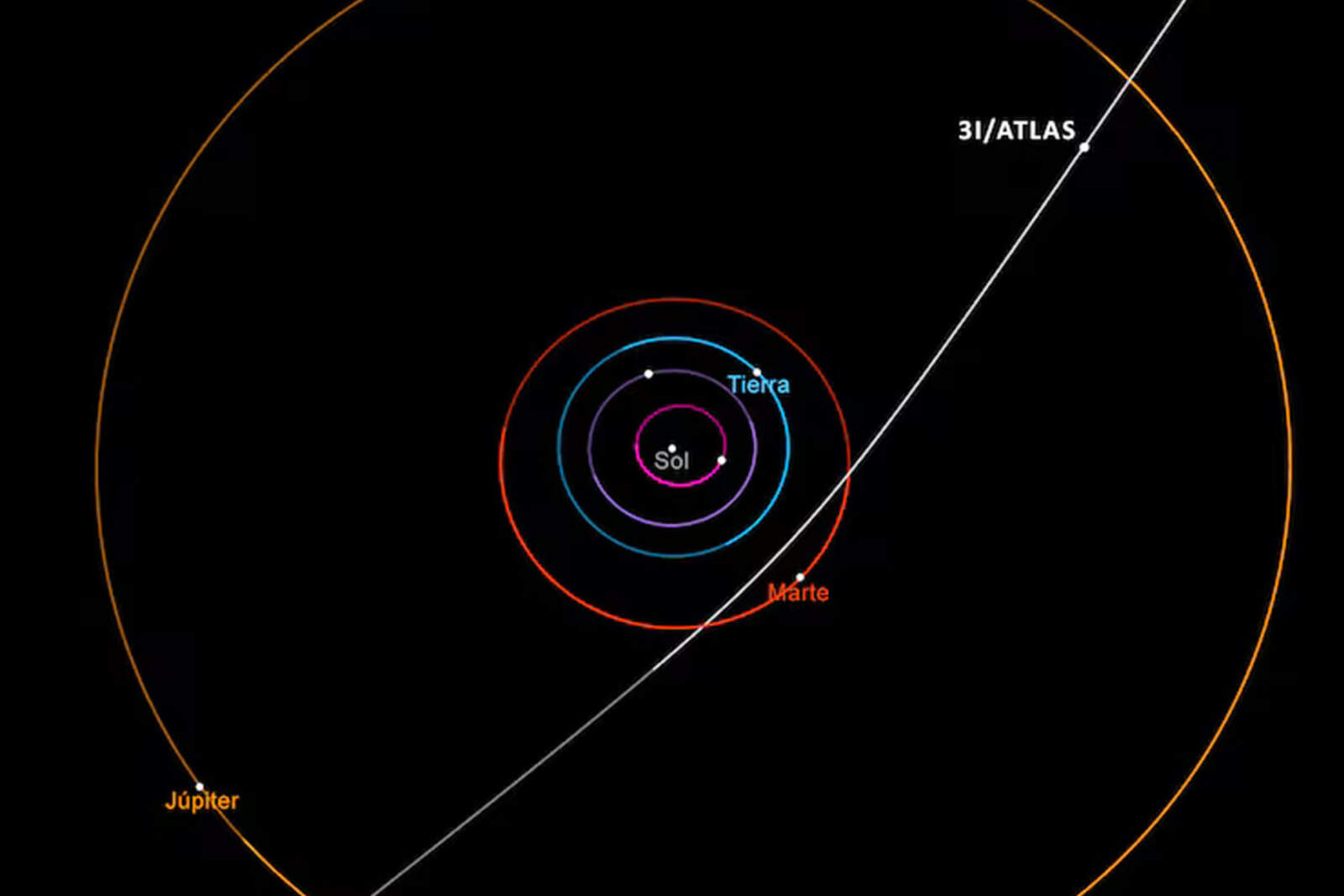
The letter I in its name indicates that it is an interstellar object. It did not form around the Sun and is only passing through. Its hyperbolic orbit confirms that, once it completes its path, it will continue its journey into deep space without returning.
ʻOumuamua and Borisov are also in that category, the only confirmed interstellar visitors so far.
The key moment: the closest approach on December 19
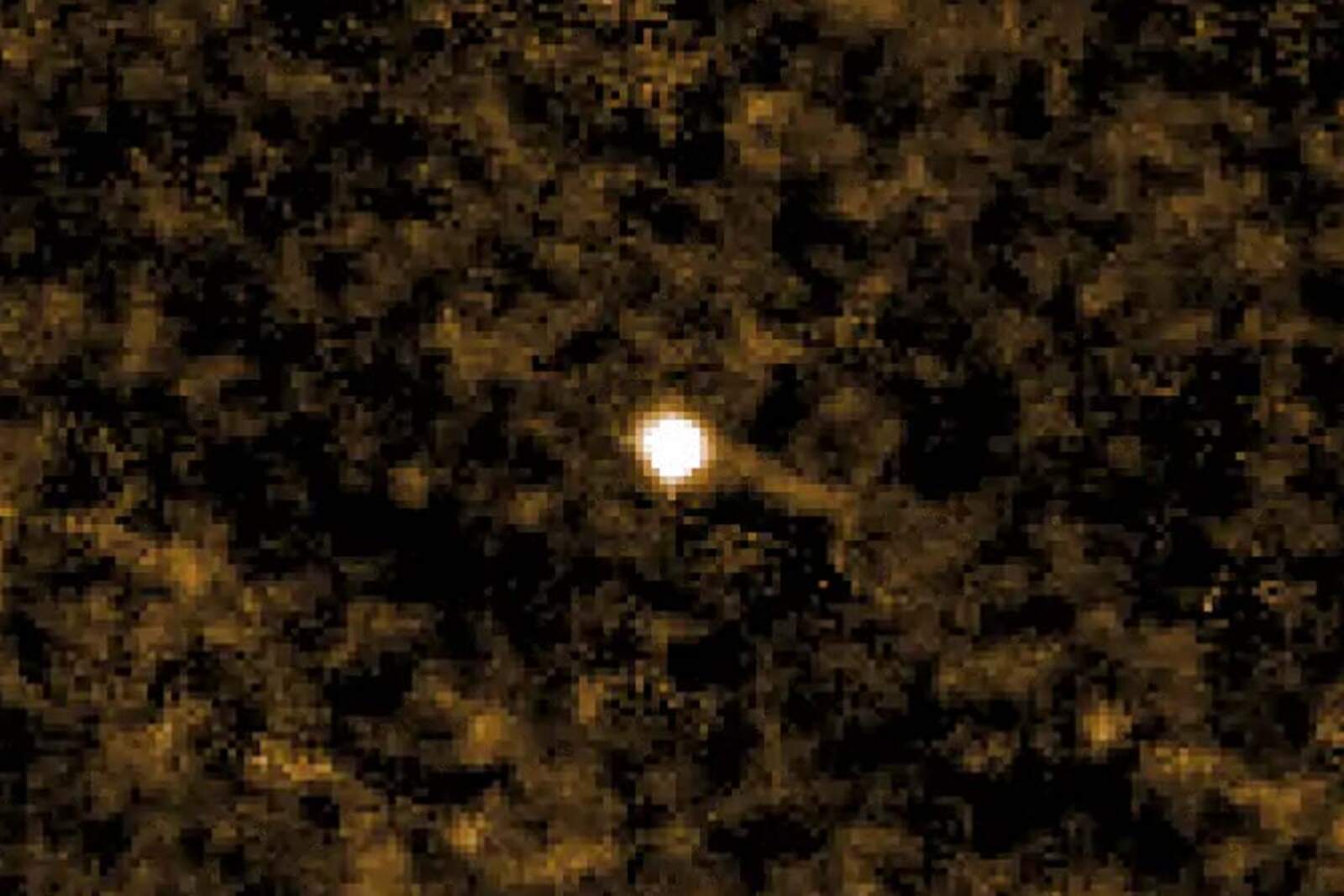
The point of closest approach occurs this Friday, when telescopes will be able to analyze its coma and its tail with greater precision. In those regions, gases and dust are released that make it possible to infer the comet's chemical composition.
La NASA presentó por primera vez las imágenes inéditas del cometa 3I/ATLAS
Comparing that data with local comets could provide clues about how planets form in other stellar systems.
What astronomers are looking for during this event
Specialists are trying to identify elements and compounds present in the comet's nucleus. They are also analyzing the jets of gas and dust to understand unusual behaviors in this type of body.
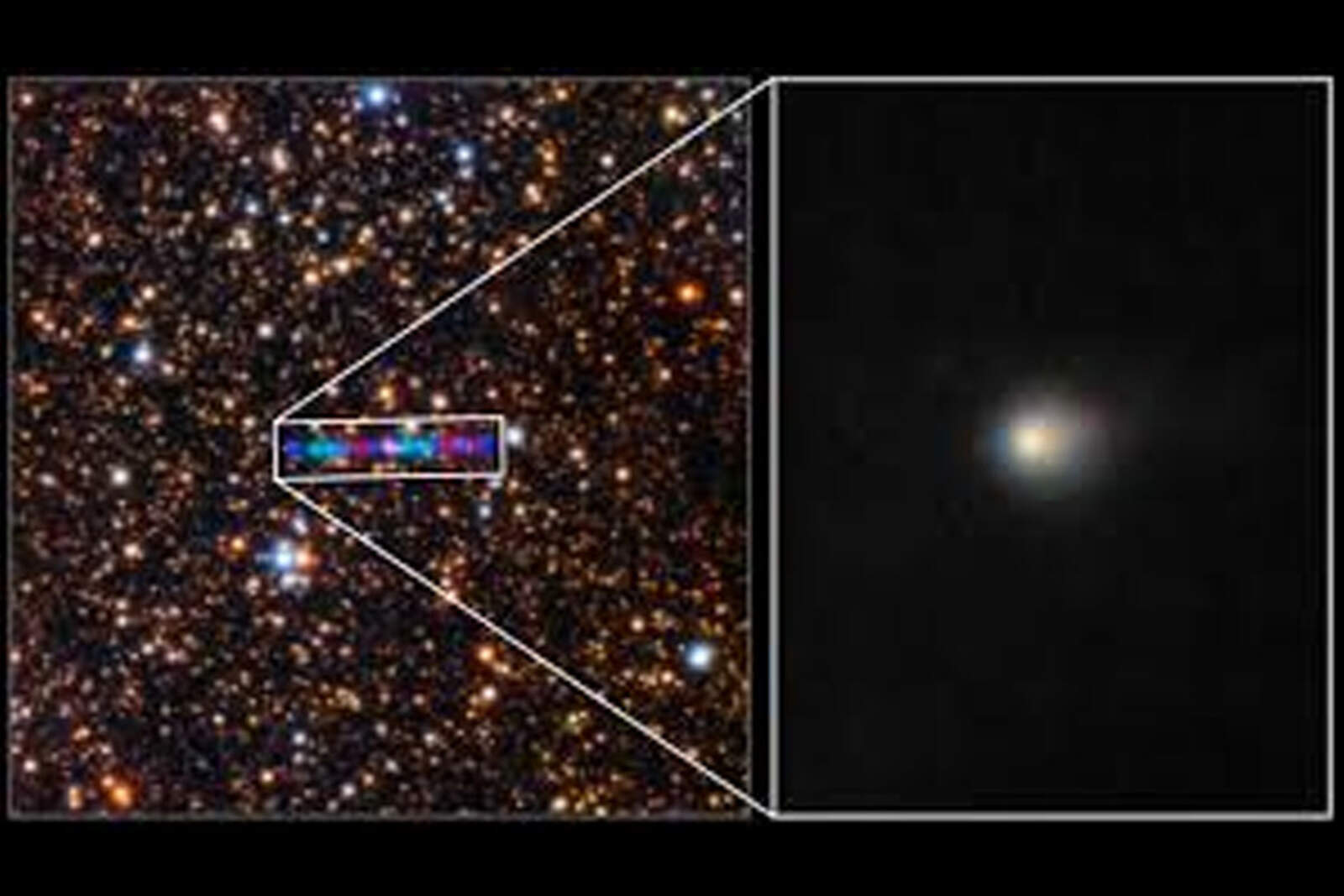
El telescopio espacial Hubble fotografió al 3I/ATLAS
The information collected will be used for studies that will continue for months, even after the object moves away.
The scientific debate and the most controversial theories
The passage of 3I/ATLAS has revived debates driven by figures such as Avi Loeb, a Harvard astrophysicist. Some hypotheses suggest that Earth may have received interstellar material for billions of years. However, there is no concrete evidence of artificial origin or intelligent intervention.
Can the comet be seen from Earth?
The answer is no to the naked eye. Its brightness is too weak to be observed without instruments. It is only visible through professional telescopes or advanced amateur astronomy equipment.
Características y origen del 3I/ATLAS
The public will be able to follow the event through images and data released by observatories and scientific agencies.