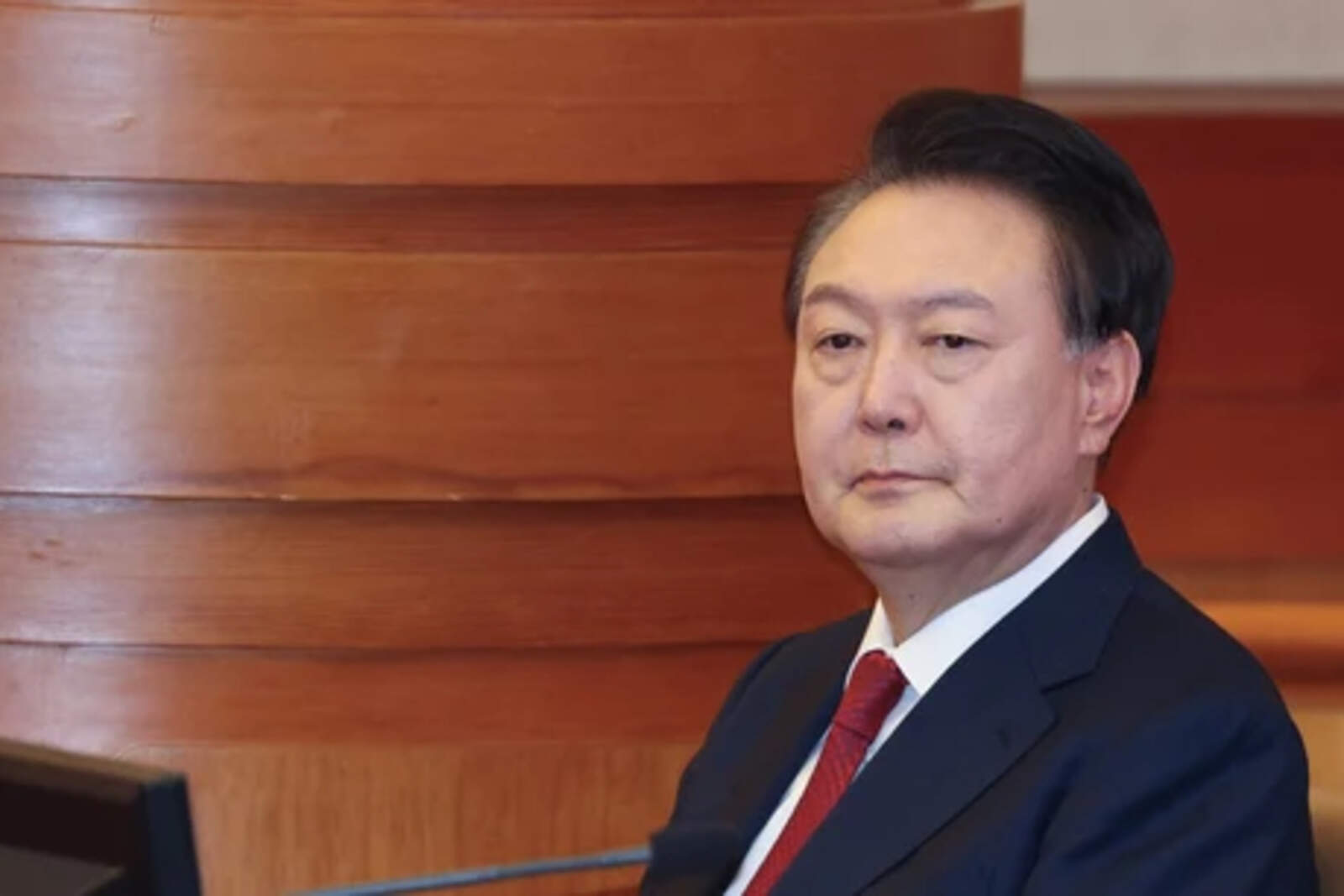
Former South Korean president Yoon Suk Yeol was sentenced to life imprisonment after he declared martial law in 2024
Compartir:
The former president of South Korea, Yoon Suk Yeol, was sentenced to life imprisonment by a Seoul court after he was found guilty of "leading an insurrection" by declaring martial law on December 3, 2024. The prosecution had requested the death penalty, although South Korea has maintained a de facto moratorium on executions since 1997.
The ruling holds that Yoon attempted to subvert the constitutional order by deploying troops to block South Korea's National Assembly and ordering the arrest of several politicians amid a deep institutional crisis.
Judge Ji Gwi-yeon described him as "leader of the insurrection" and stated that his decisions caused serious damage to South Korean democracy. However, the panel determined that there was not sufficient evidence to conclude that the imposition of martial law had been planned a year in advance.
The declaration of martial law, announced on national television, shook the country and caused an immediate political reaction, accompanied by support from the citizenry.
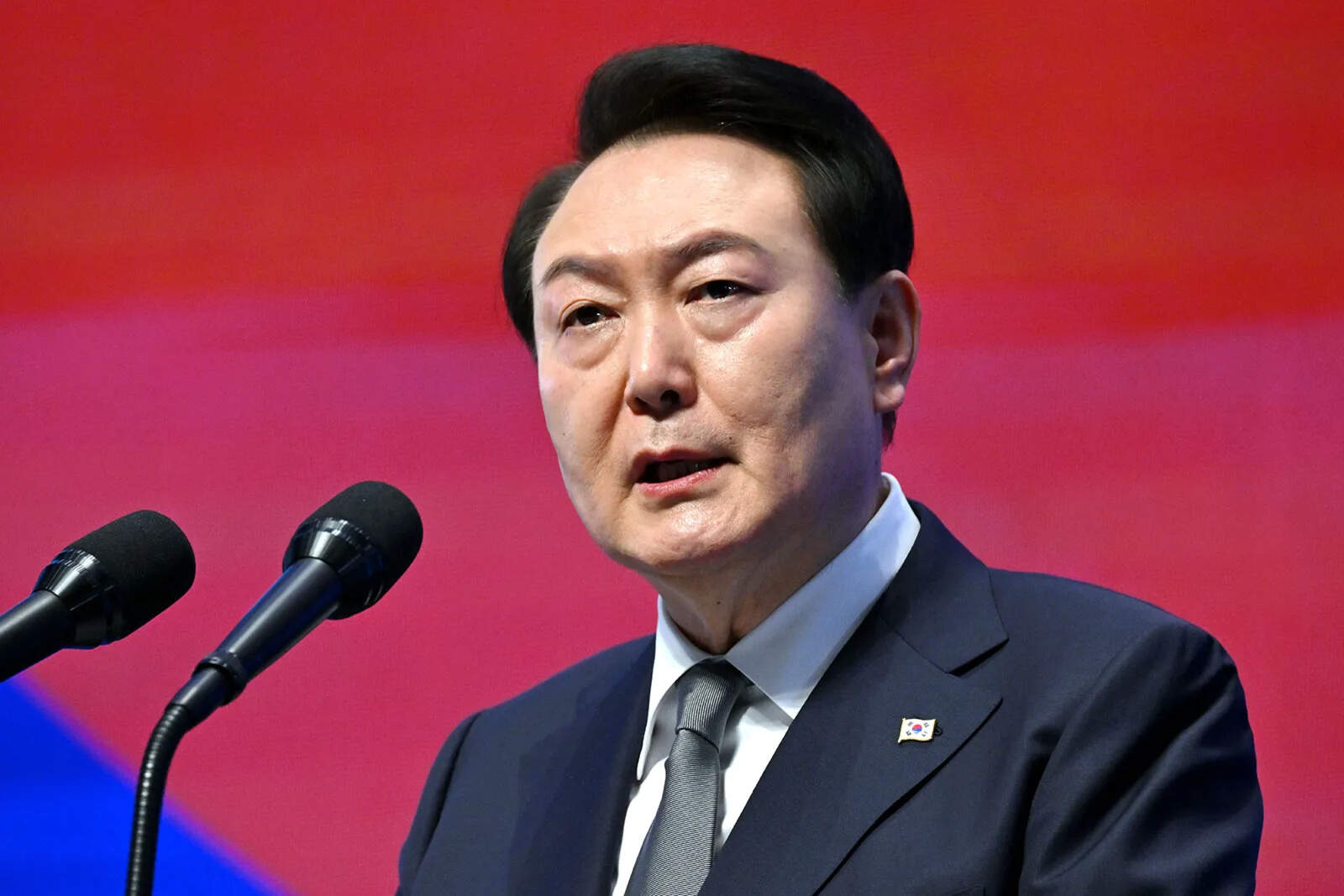
Previamente la fiscalía había solicitado la pena capital para Yoon
Yoon justified the measure by alleging the need to protect the state from anti-state forces affiliated with the North Korean regime and denounced the systematic obstruction by the parliamentary opposition, which controlled the legislative majority.
Hours after the announcement, lawmakers managed to enter the National Assembly and voted to annul the order, forcing its rapid revocation.
The episode opened a period of intense political instability that culminated in Yoon's removal from office through an impeachment process, followed by a series of formal charges against him and other senior officials of his administration.
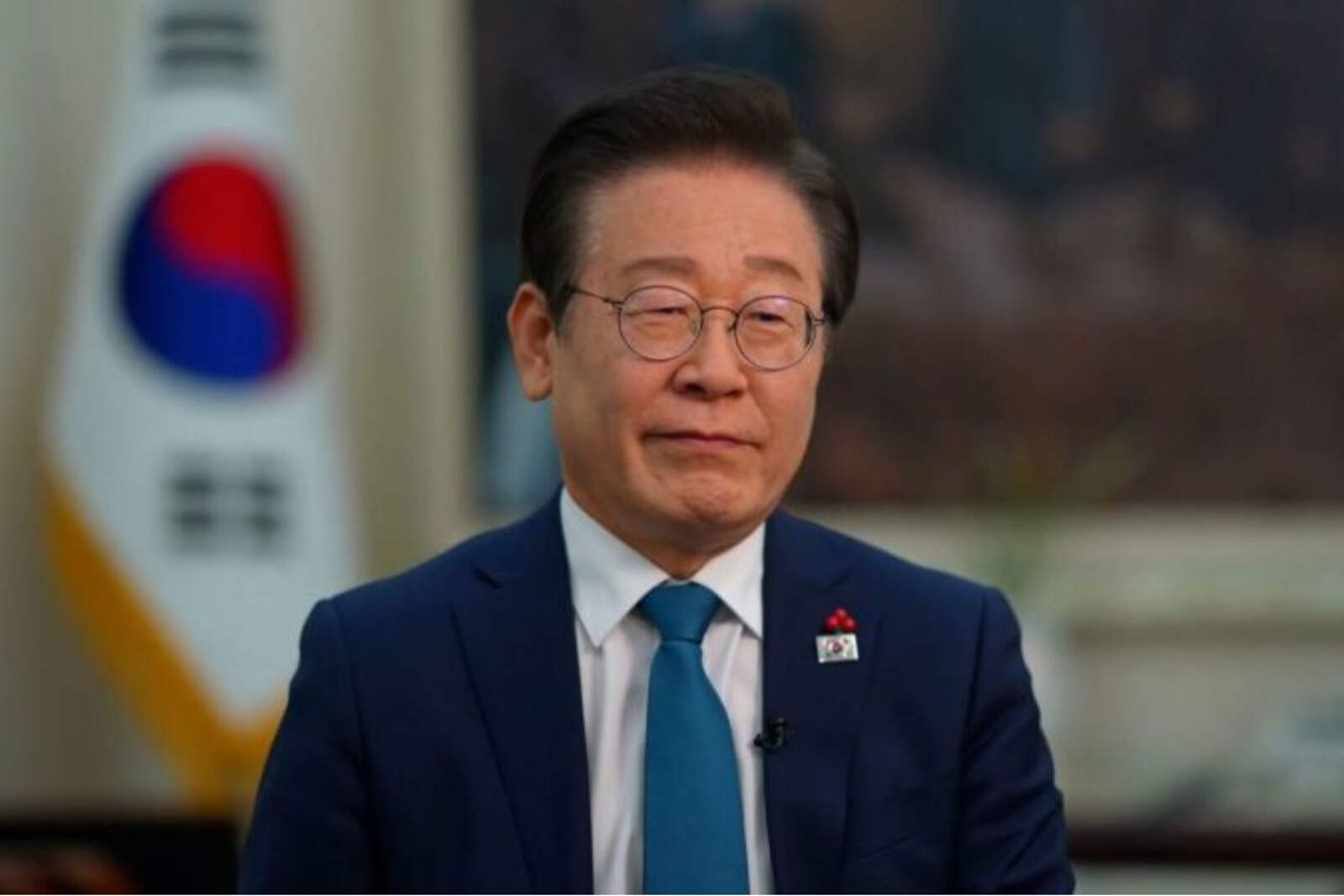
Lee Jae-myung, actual presidente de Corea del Sur, es un férreo admirador del régimen norcoreano
During the trial, the former head of state argued that, as president, he had constitutional powers to declare martial law in exceptional circumstances and maintained that he acted to preserve national sovereignty and institutional order.
The reading of the sentence took place in an atmosphere of strong social polarization. Thousands of supporters of the former president gathered in front of the court with banners that called for his return to power, while a small number of opposition demonstrators demanded capital punishment.
The authorities deployed a large-scale security operation, with around one thousand officers and dozens of police buses to secure the perimeter of the courthouse.
Yoon's lawyers claimed that the decision lacks solid evidentiary support and accused the court of acting under political pressure. If either party files an appeal, the case will be reviewed by the Supreme Court, which could prolong the process for several months before the sentence becomes final.
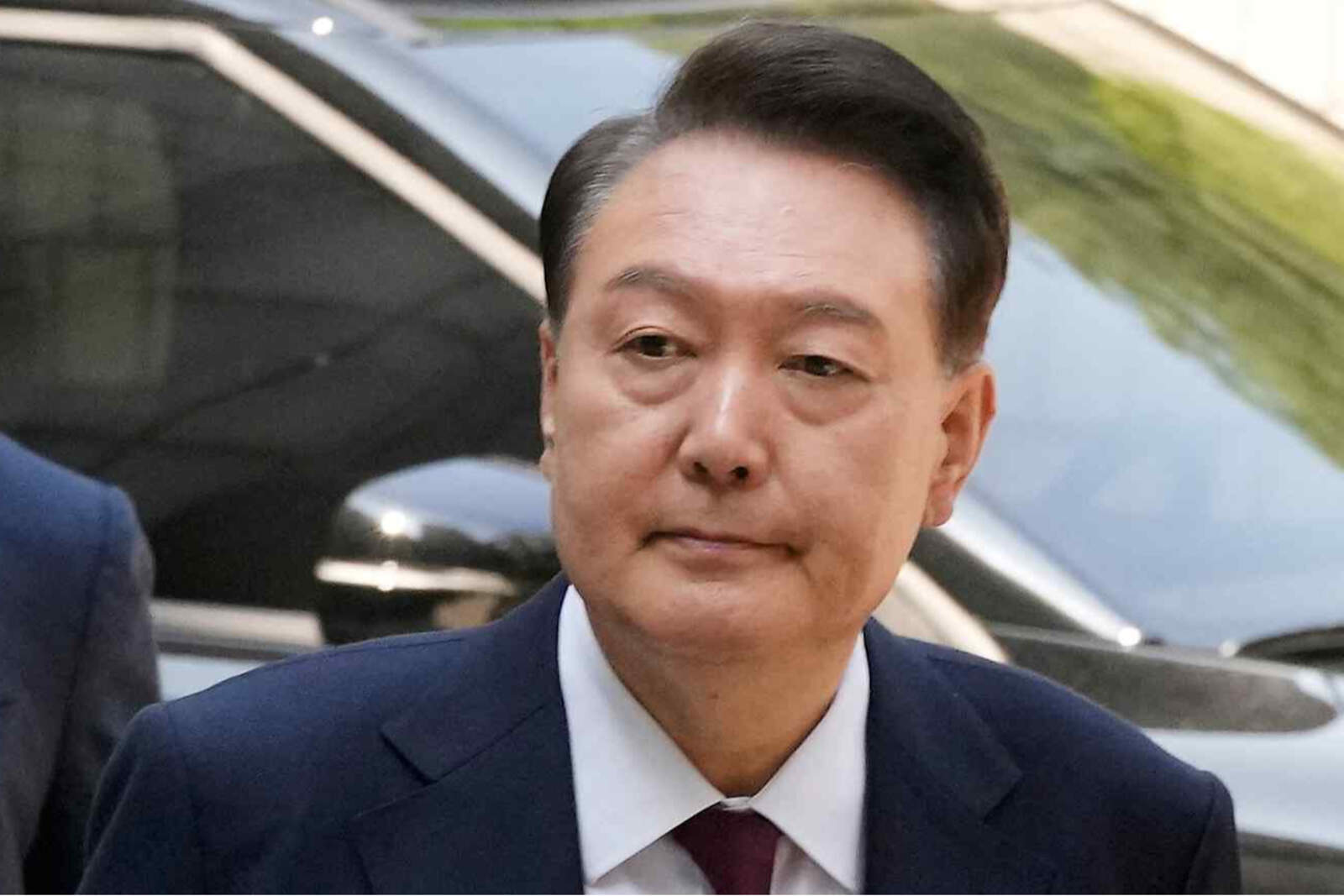
Yoon afirmó que durante su mandato, poseía las facultades para establecer la ley marcial
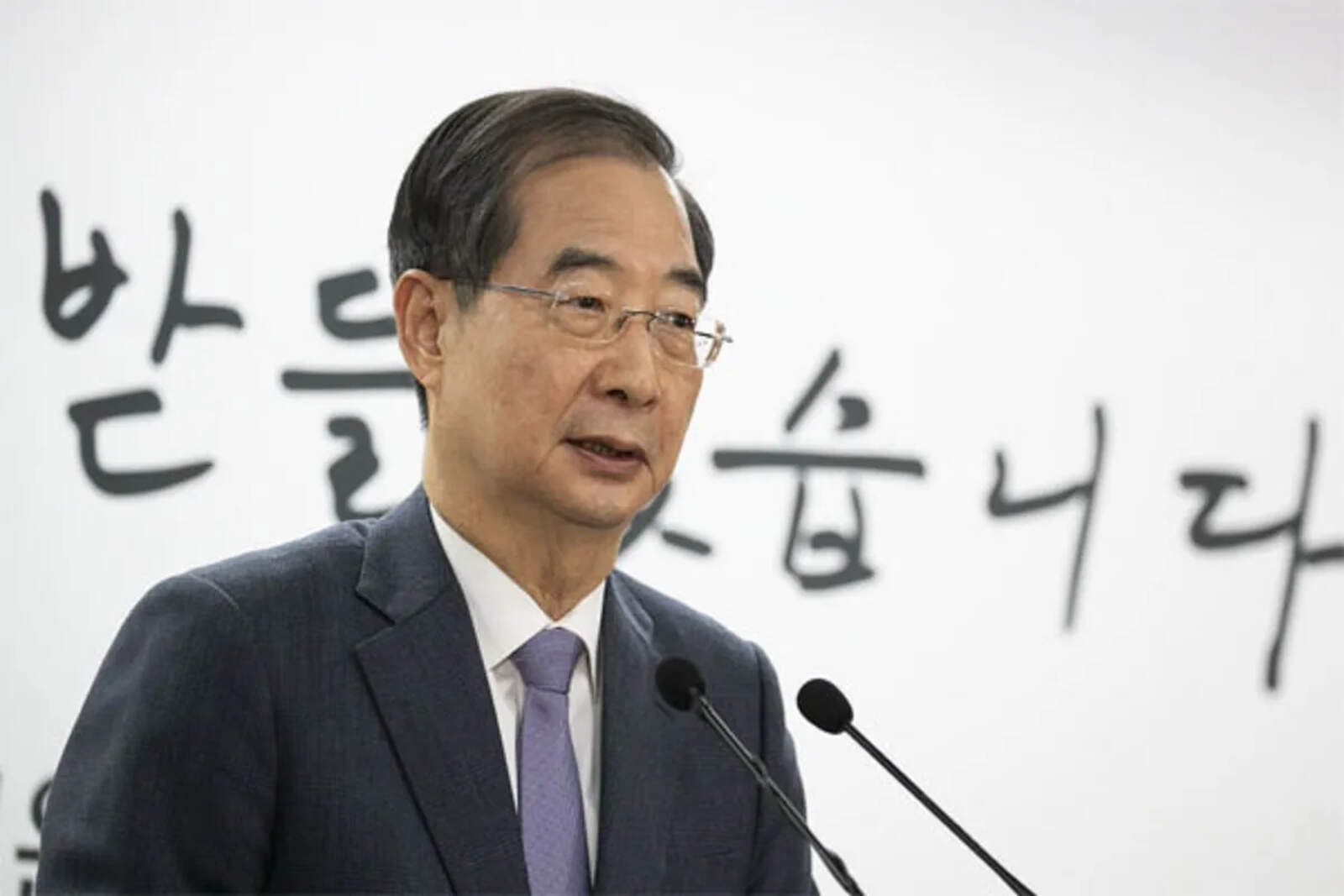
Other former officials also received sentences for their participation in the events. Former Prime Minister Han Duck-soo was sentenced to 23 years in prison, while former Defense Minister Kim Yong-hyun received a 30-year sentence for having advised the imposition of martial law.
Former interior, intelligence, and police officials were also imprisoned for what the judges described as "an insurrection from the summit of power".
Despite the severity of the sentence, analysts recall that several former South Korean presidents were imprisoned in the past and later pardoned after serving part of their sentences.
Yoon's judicial and political future will now depend on the eventual review by the Supreme Court and on the political climate in a country that remains divided after one of the most dramatic episodes in its recent democratic history.
Han Duck-soo, ex primer ministro, también fue sentenciado a 23 años de prisión