The former South Korean president faces the death penalty, which hasn't been carried out in almost three decades
Nuevo
Agregar La Derecha Diario en
Compartir:
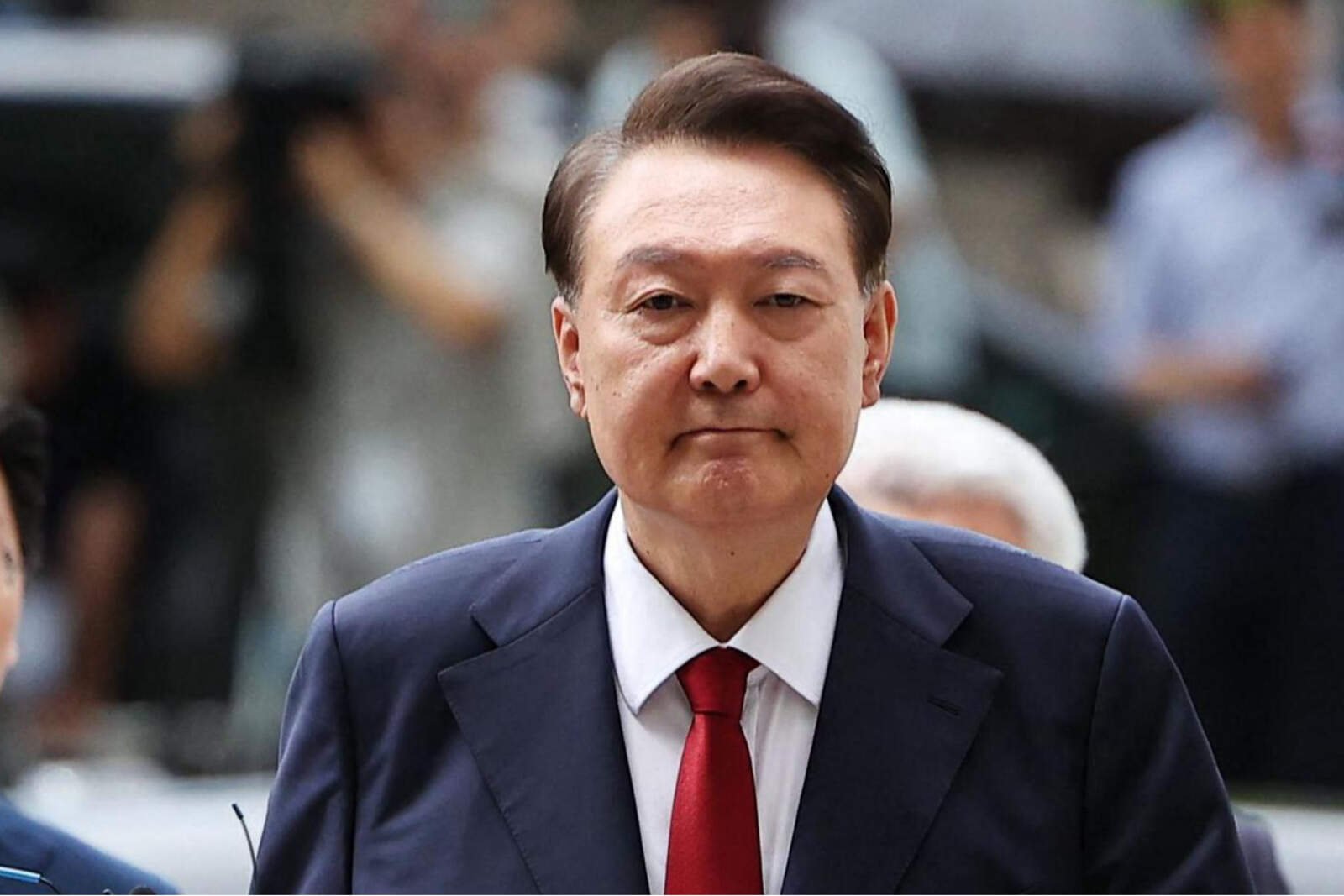
The judicial process against the former president of South Korea, Yoon Suk Yeol, has entered its decisive phase after the prosecution's request to impose the death penalty on him if he is found guilty of the charge of leading an alleged insurrection, stemming from his attempt to declare martial law in December 2024.
During the closing arguments before the Seoul Central District Court, prosecutors described Yoon as the "mastermind" of an operation intended to consolidate power through the use of the armed forces.
However, the former president's defense keeps that the declaration of martial law was a symbolic political act, protected by the president's constitutional powers, and not a real attempt at a coup d'état.
La fiscalía describió a Yoon como el autor intelectual de un supuesto golpe de estado
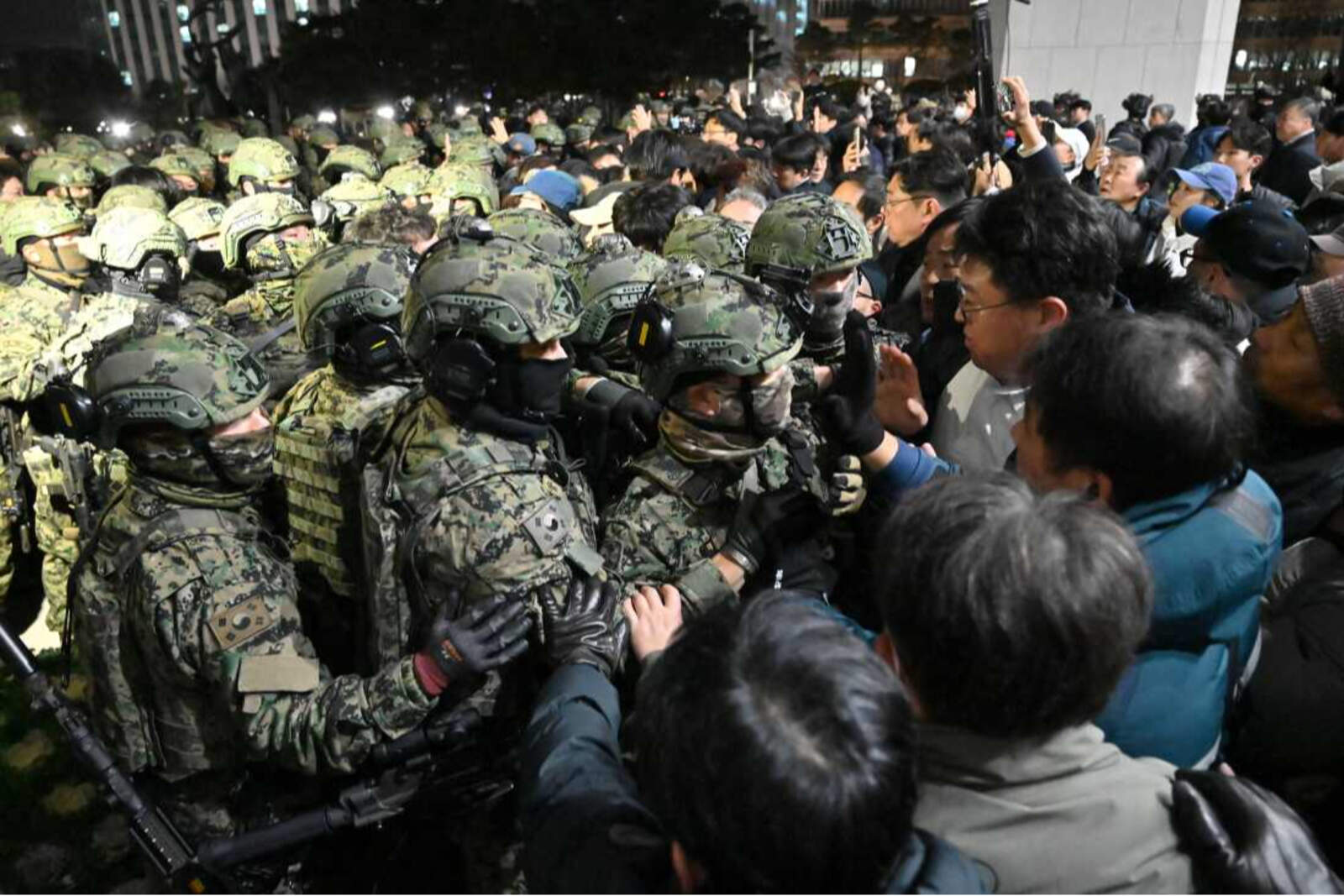
The episode lasted barely six hours and ended when 190 lawmakers managed to gather and pass a resolution that forced Yoon to lift the measure, a decision that the then president complied with immediately. There were no deaths, armed clashes, or an effective seizure of power, a point that the defense considers central to questioning the seriousness of the insurrection charge.
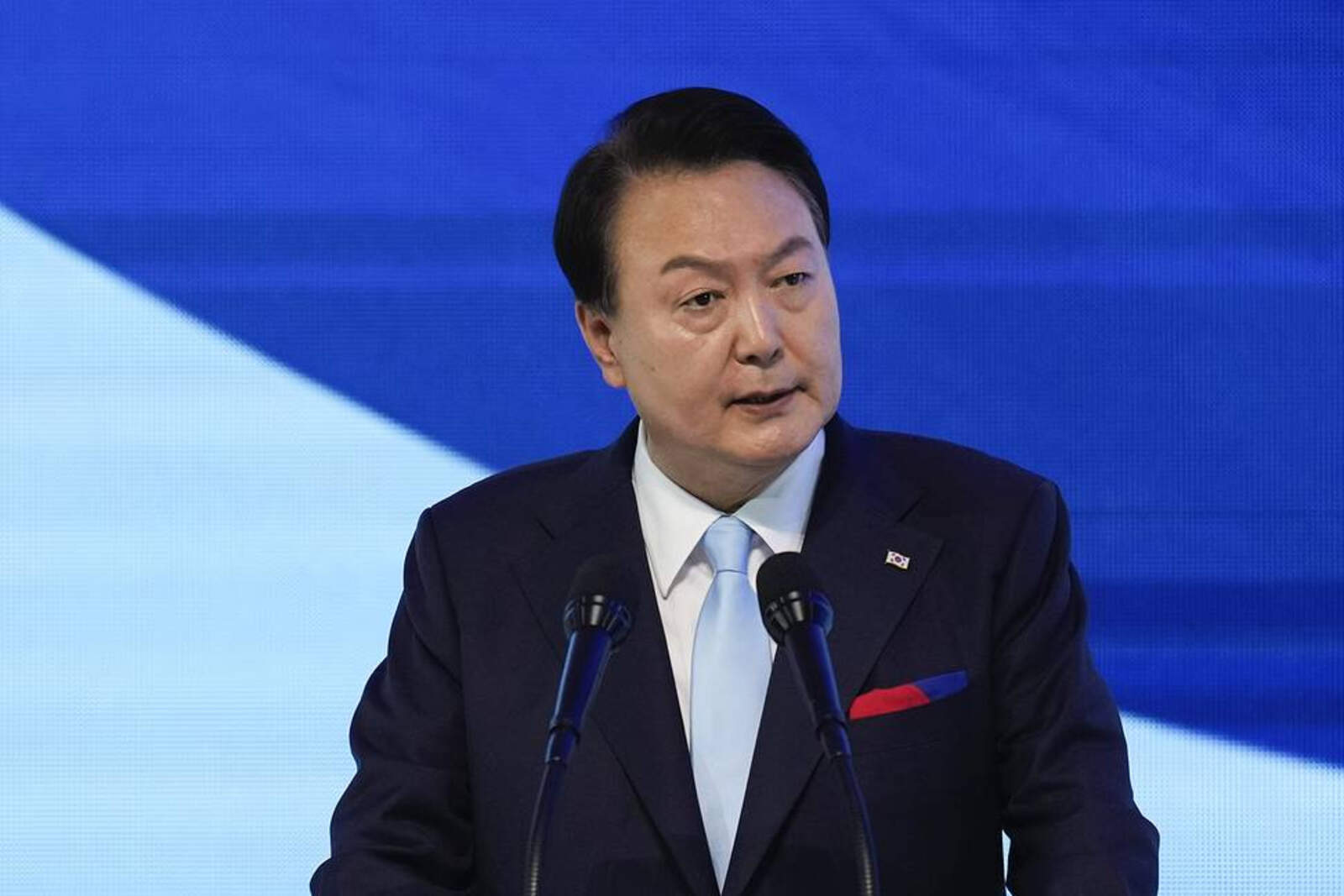
Yoon has reiterated before the court that his objective was to alert public opinion to abuses and institutional blockades by the opposition, and not to establish a dictatorship. "I acted to protect the nation," he stated, insisting that his decision was not intended to destroy the constitutional order.
The request for capital punishment has caused particular controversy. South Korea has not executed anyone since 1997 and is considered a de facto abolitionist country. Even in the historic 1996 trial against former presidents Chun Doo-hwan and Roh Tae-woo, the initial sentences were reduced and both ended up being pardoned.
For Yoon's supporters, it is disproportionate to seek the maximum penalty for an act that did not cause fatalities or a permanent breakdown of the democratic system.
Durante la ley marcial en 2024 no se registraron muertos ni heridos
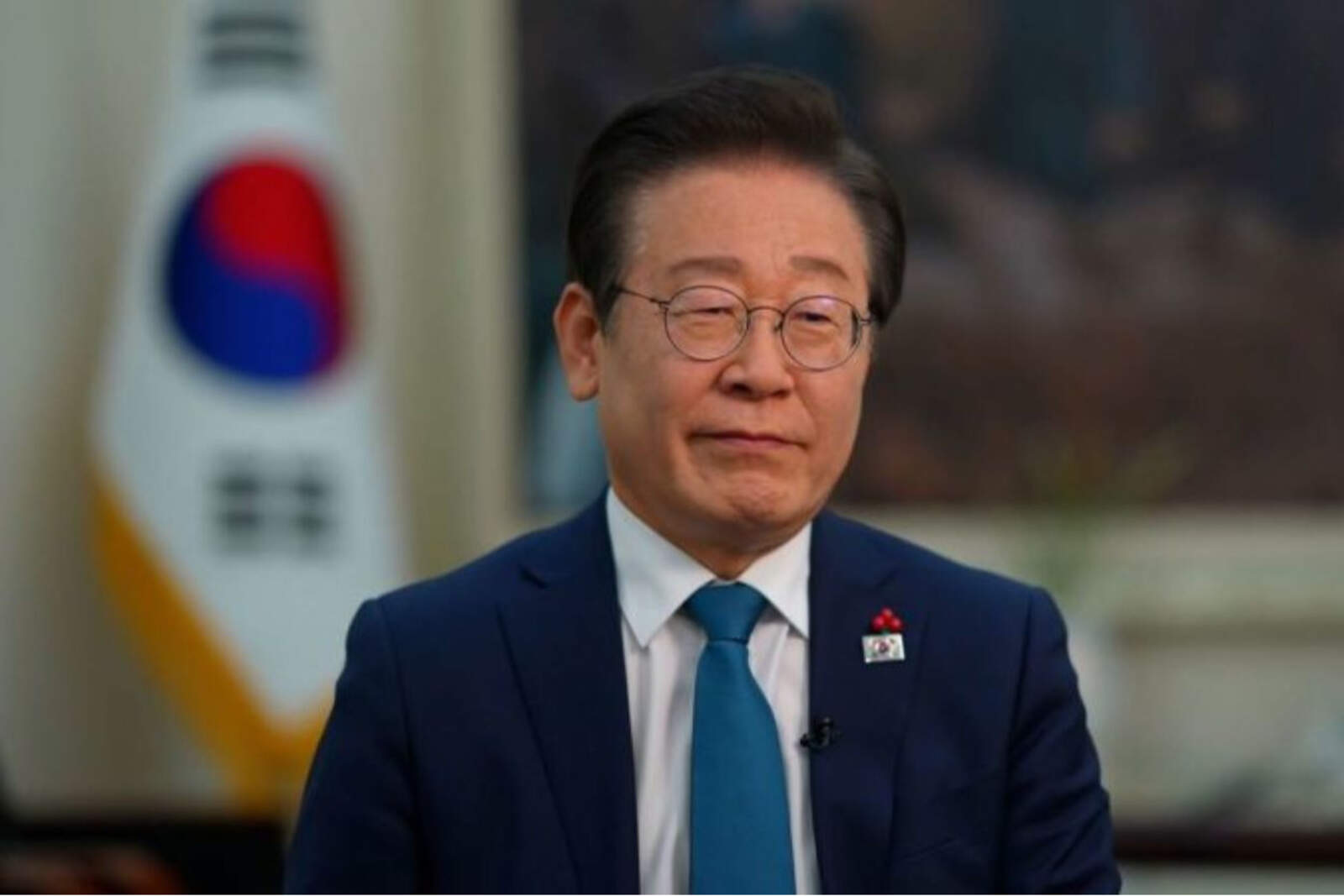
The case is also unfolding in a context of strong political polarization. Yoon, formally removed from office in April 2025 after being subjected to an impeachment trial, faces multiple simultaneous criminal proceedings, ranging from abuse of power to obstruction of justice. His supporters denounce a "judicial witch hunt" driven after communist Lee Jae Myung, his former political rival, came to power.
Although the prosecution presented testimonies and documents that describe extreme plans discussed by officials close to Yoon, the defense emphasizes that there is no conclusive evidence that the former president directly ordered acts of violence or illegal detentions, or that such plans were carried out.
The court is scheduled to issue its verdict in mid-February. Beyond the outcome, the trial of Yoon Suk Yeol has become a landmark case that is testing the judicial independence and democratic strength of South Korea.
Lee Jae Myung, presidente de Corea del Sur y fanático del régimen de Corea del Norte