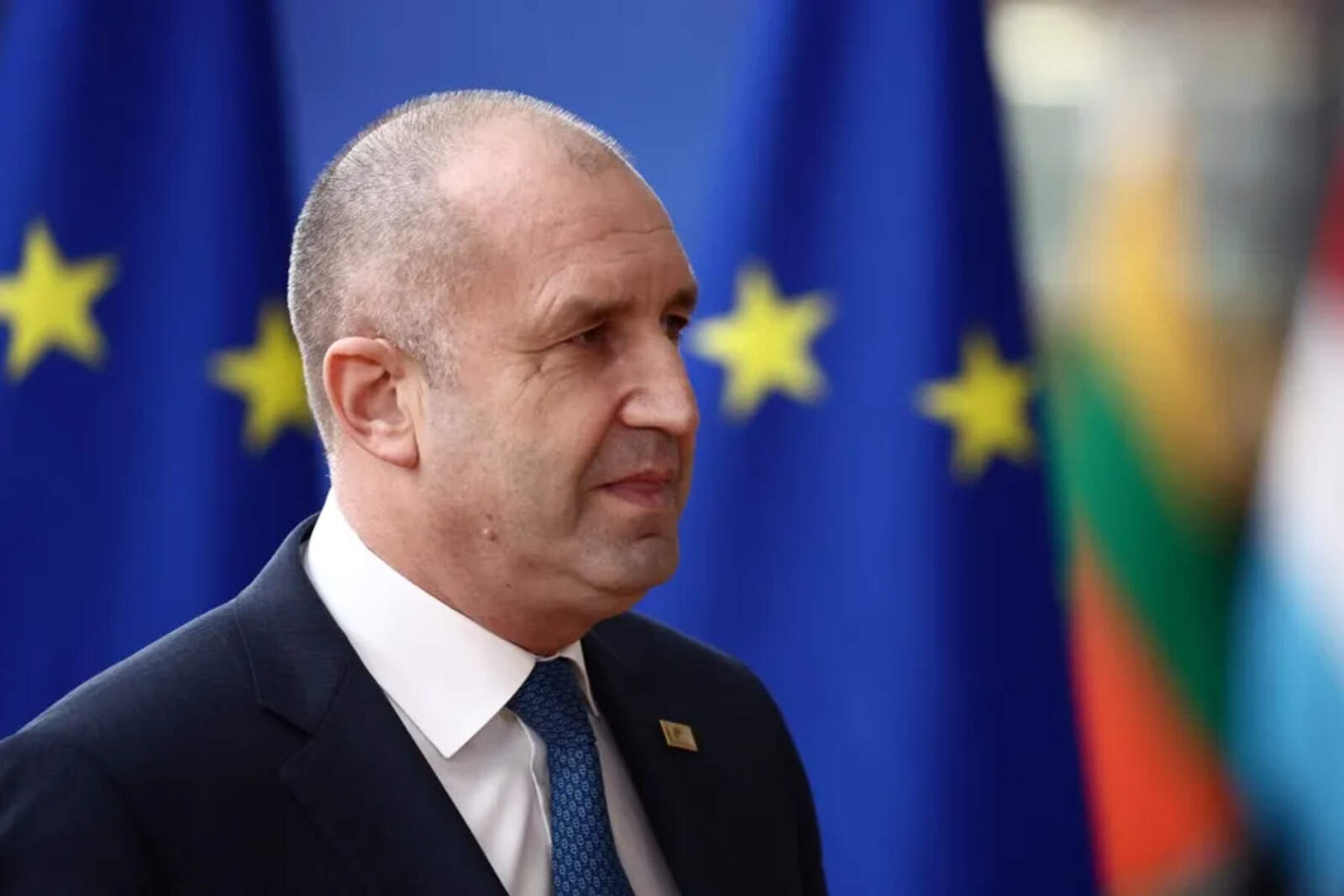

Bulgarian politics is once again entering a phase of strong turbulence after President Rumen Radev's announcement that he will submit his resignation to launch a new political project ahead of the upcoming early parliamentary elections, scheduled for the spring.
The decision, announced in a televised speech that he described as his "last address as head of state", has caused a wave of reactions and criticism, especially because of Radev's political past and his ideological closeness to sectors linked to the former communist establishment.
Radev, who has held the presidency for nine years, thus confirmed the rumors that he will seek a direct role in party politics, with the aim of competing for the post of prime minister.
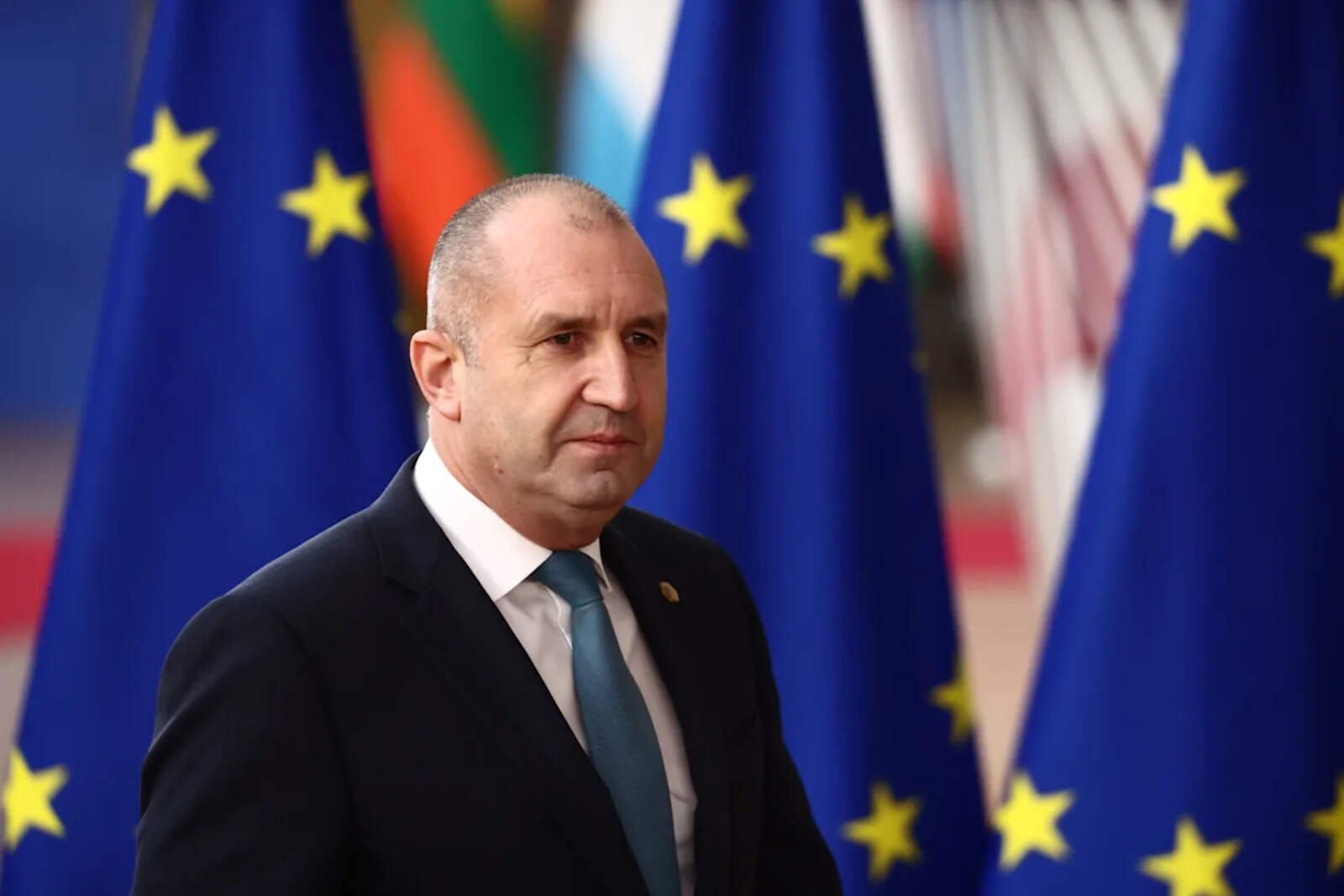
However, analysts and opposition figures warn that his entry into the parliamentary arena doesn't represent a real renewal of the system, but rather the return of figures associated with old power structures that Bulgaria has tried to leave behind since the fall of communism.
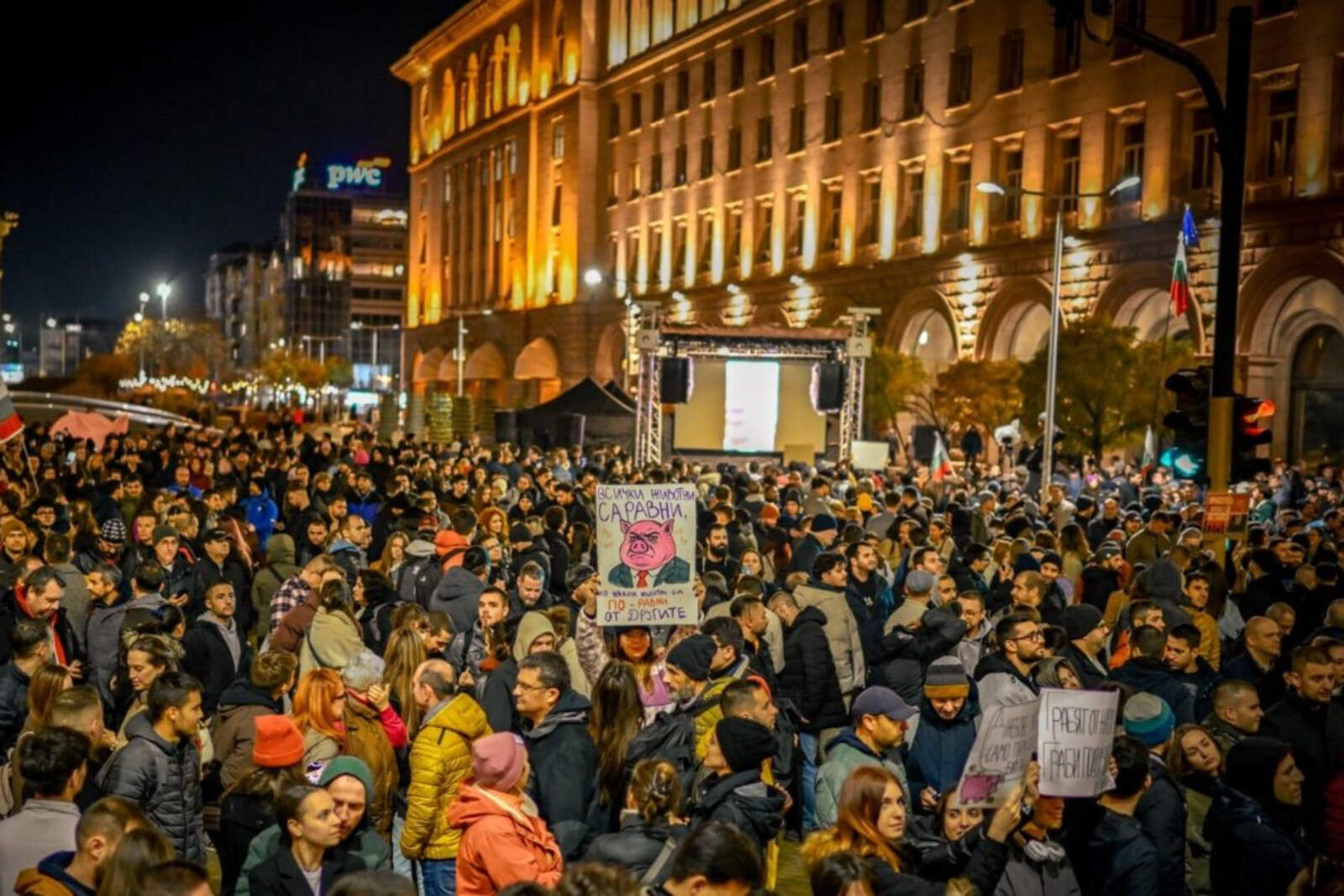
In his speech, Radev accused the current political class of corruption, backroom deals, and oligarchic practices, stating that Bulgarian democracy is in danger. Nevertheless, his critics point out the contradiction in this message, recalling his education and career in a political and institutional environment inherited from the communist period, as well as his historical backing from the Bulgarian Socialist Party, the direct successor of the former Communist Party.
During his presidential term, Bulgaria went through a prolonged political crisis that forced Radev to appoint seven caretaker governments, an unprecedented number. Far from being a factor of stability, the president contributed to the fragmentation of the political system and used the interim governments to consolidate his personal influence and that of allied circles, many of them linked to traditional power networks.