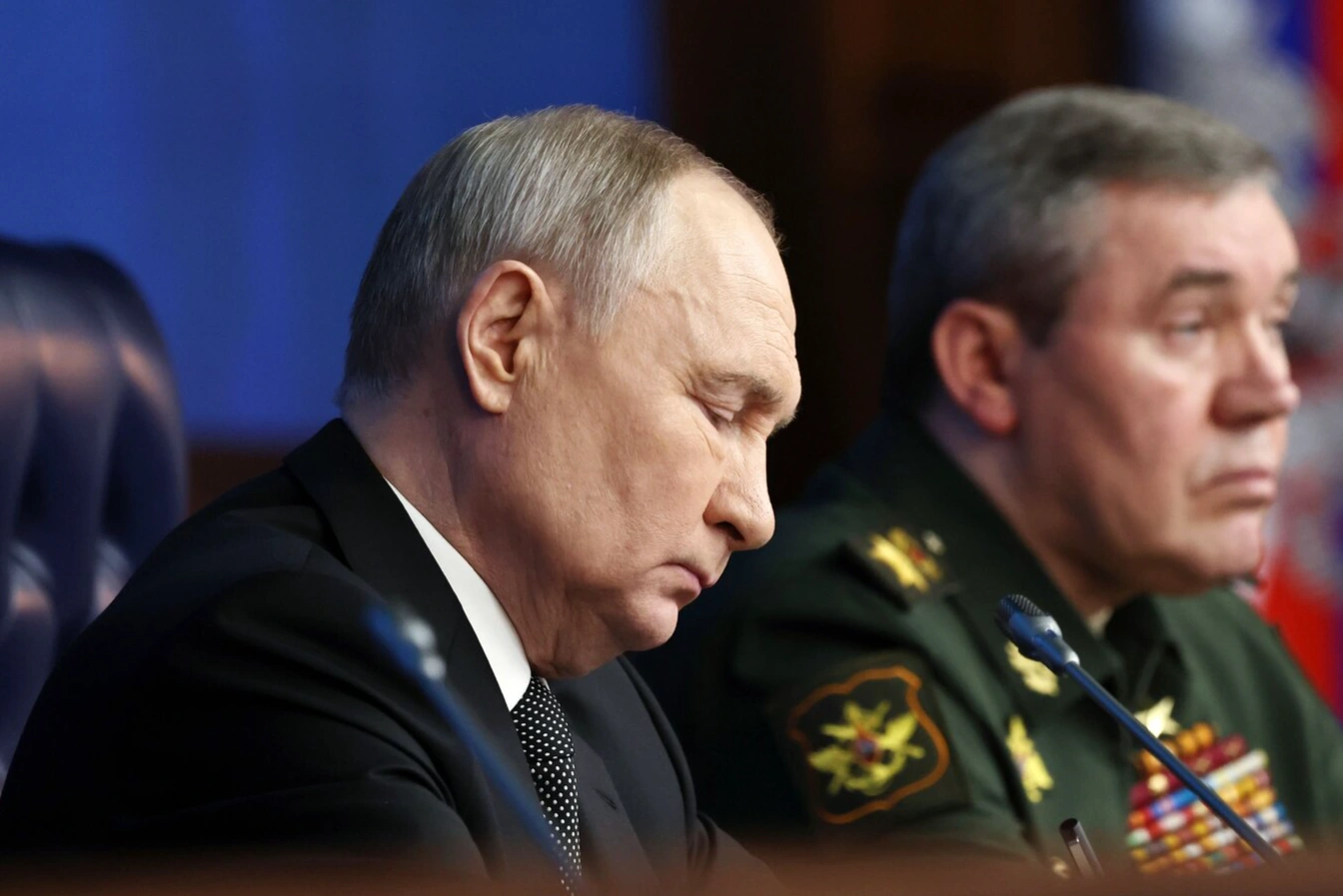

Russia reacted in a predictable way: it rejected the European security guarantees plan for Ukraine and threatened to turn any Western contingent that might operate on Ukrainian territory into a "legitimate target." This strategy, repeated since the beginning of the conflict, shows that the Kremlin isn't interested in serious negotiations, but in preserving its capacity for military and political pressure.
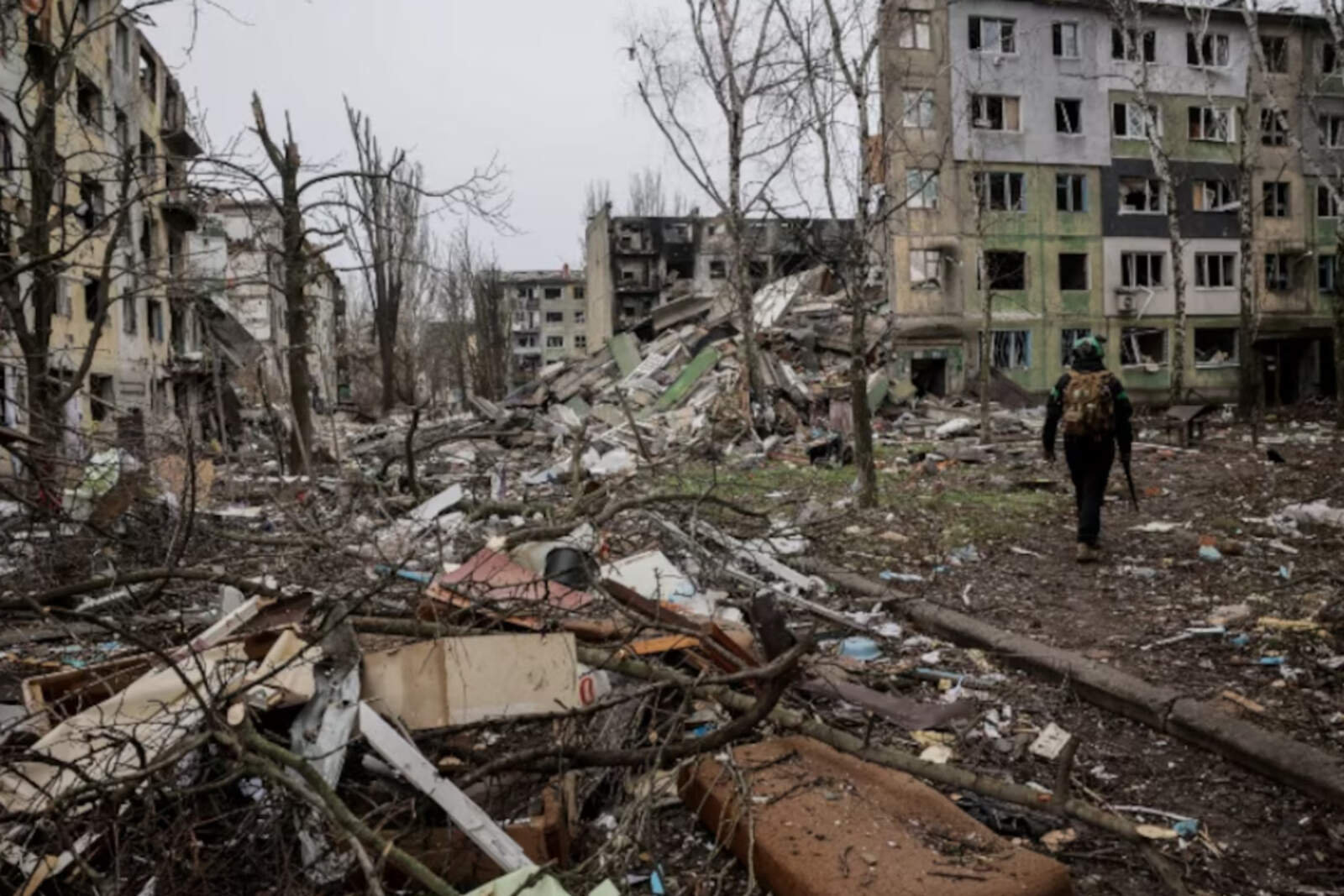
Meanwhile, Europe is seeking to stop the Russian advance and protect Ukraine from indiscriminate attacks, Moscow is choosing intimidation. The spokesperson for the Ministry of Foreign Affairs, Maria Zakharova, even described the agreement as part of a "war axis," in an attempt to promote the idea that the West is the aggressor, when the facts show that Russia was the one that invaded and is maintaining systematic attacks on the civilian population.
Europe seeks a security framework; Russia seeks to block any progress
The plan presented by the so-called Coalition of Volunteers in Paris doesn't involve an immediate deployment of troops, but it does include the willingness of countries such as France, the United Kingdom, and Spain to join a multinational force in the event of a truce. The objective is clear: to ensure that Russia doesn't take advantage of a ceasefire to reorganize and attack again, as has already happened in previous agreements.
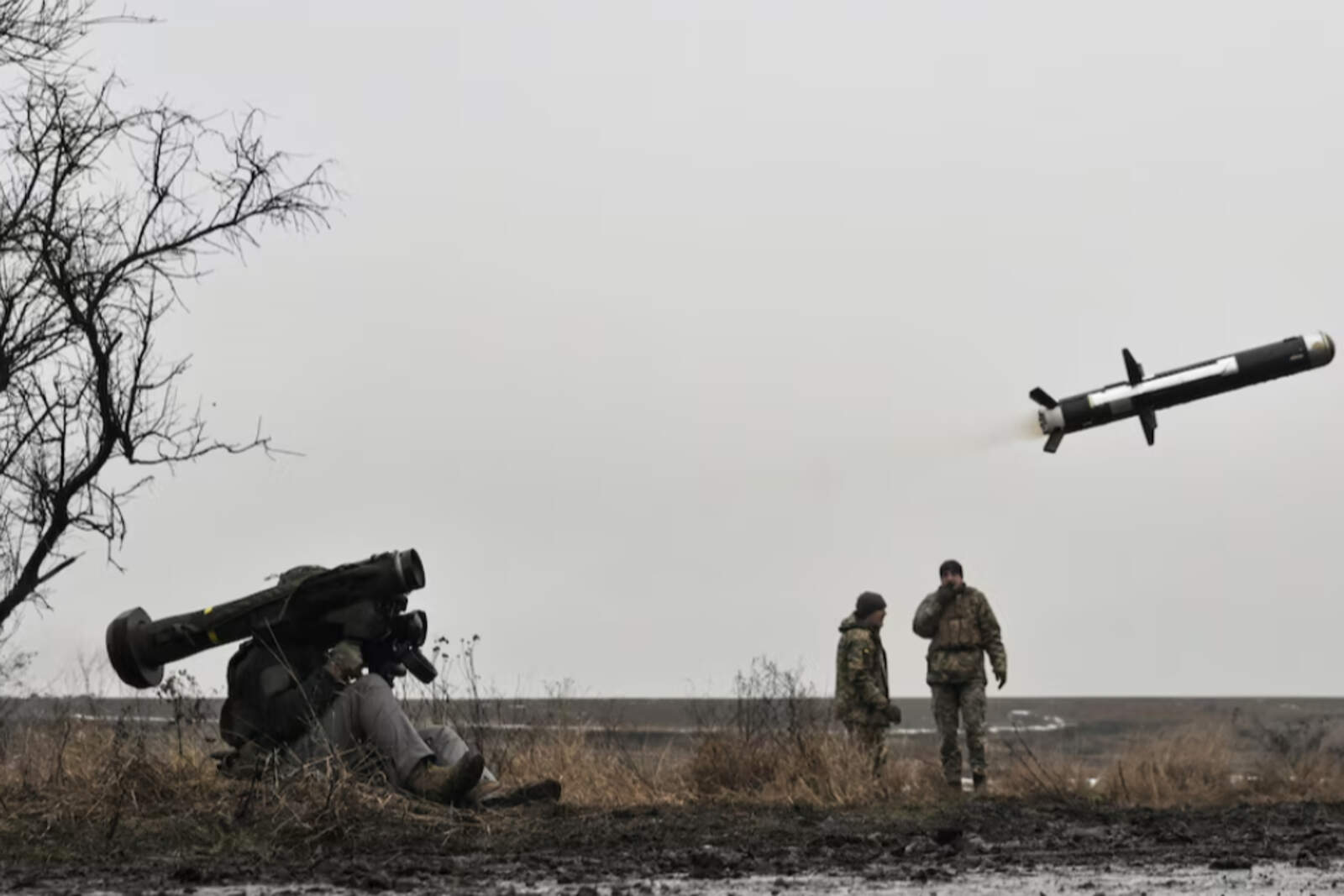
Far from receiving it as a diplomatic opportunity, the Kremlin turned it into an excuse to rekindle the military threat. Russia's message is transparent: any attempt at deterrence will be met with escalation.