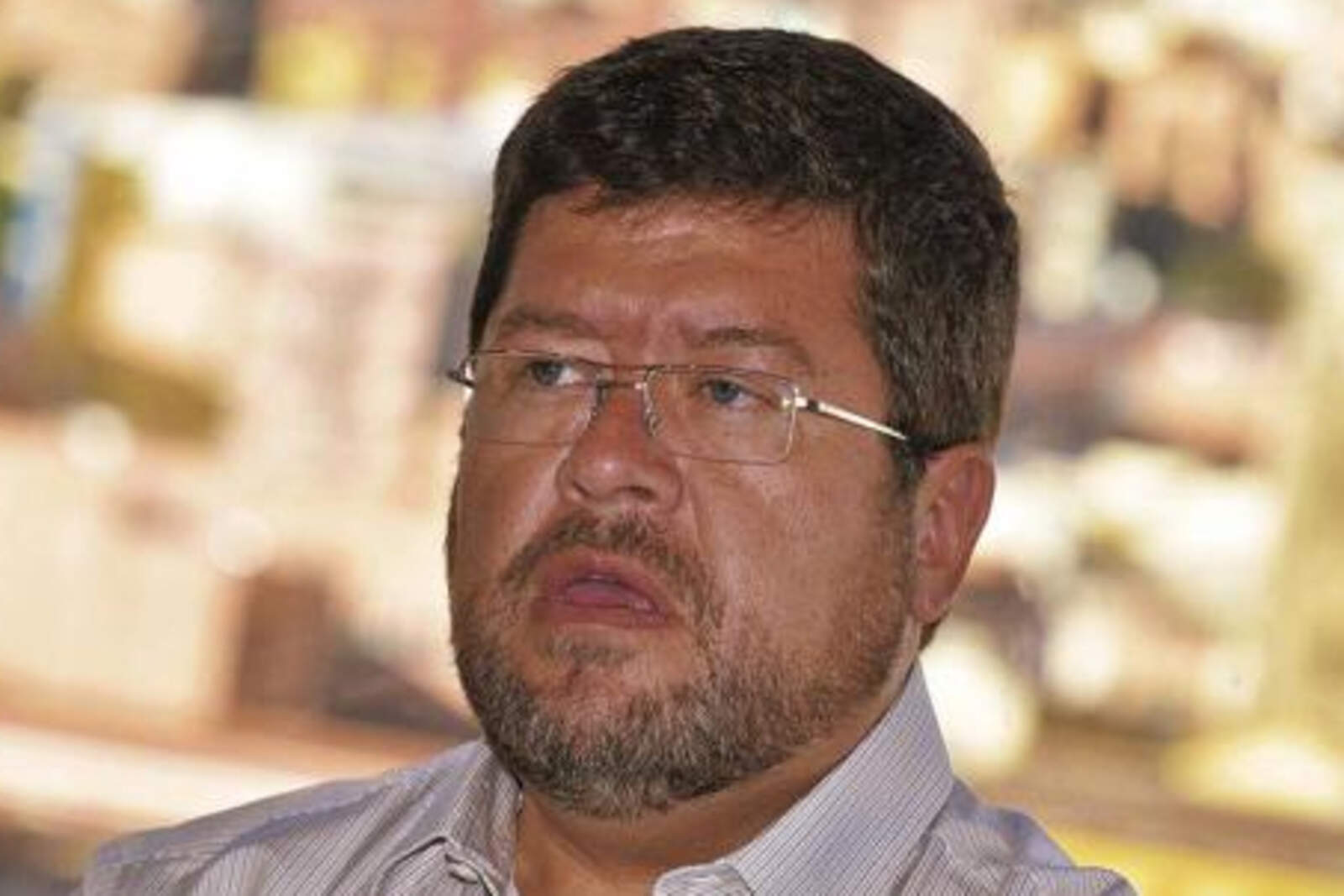
Even though he hasn't been chosen as the official candidate of the false opposition yet, Doria Medina is already distributing positions
The presidential pre-candidate Samuel Doria Medina has been accused by various political actors of negotiating positions in exchange for electoral support. The false opposition, instead of consolidating as a united front, seems to be dividing as accusations of political quota distribution arise. In this context, videos and statements have been leaked that question the transparency of the alliances.
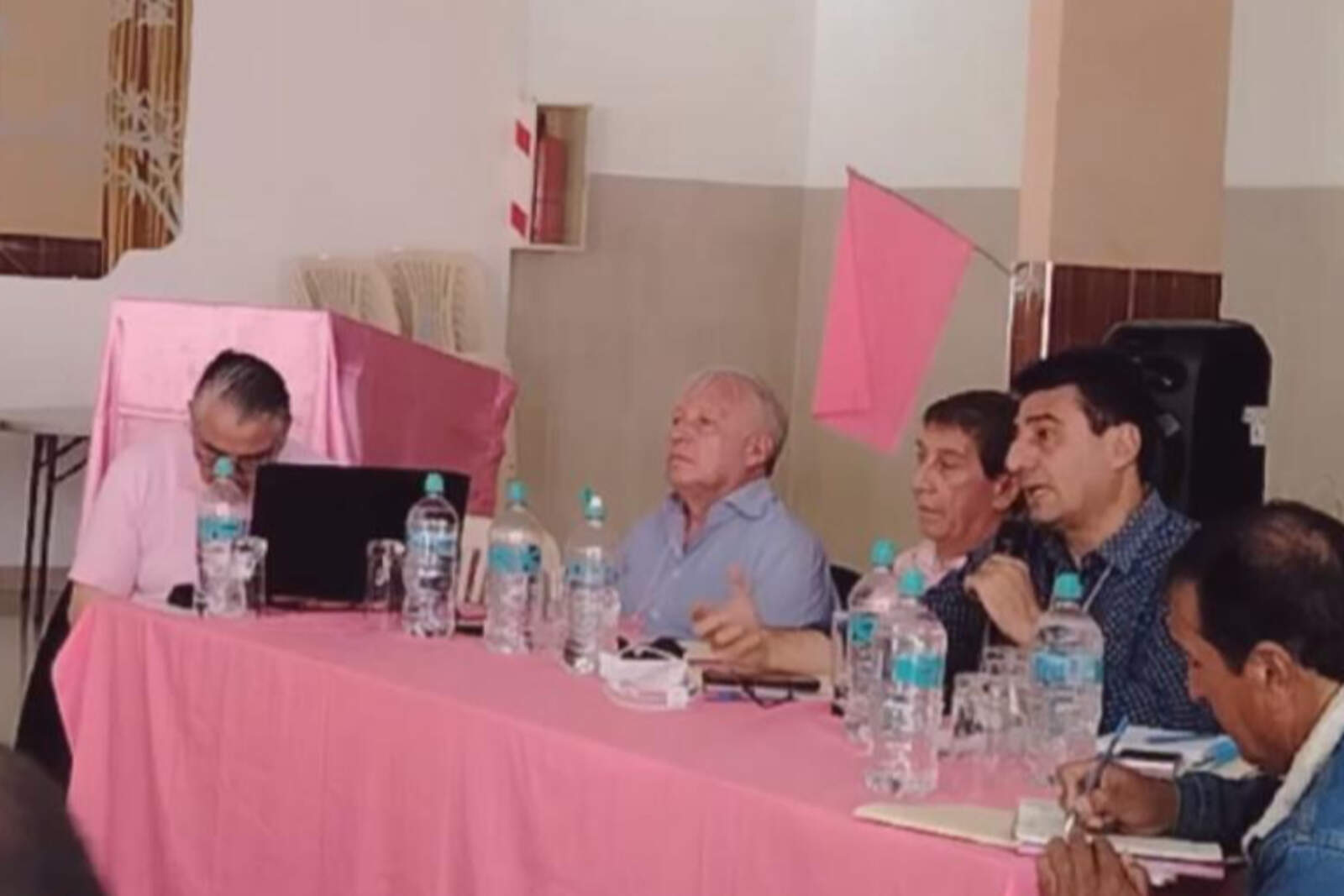
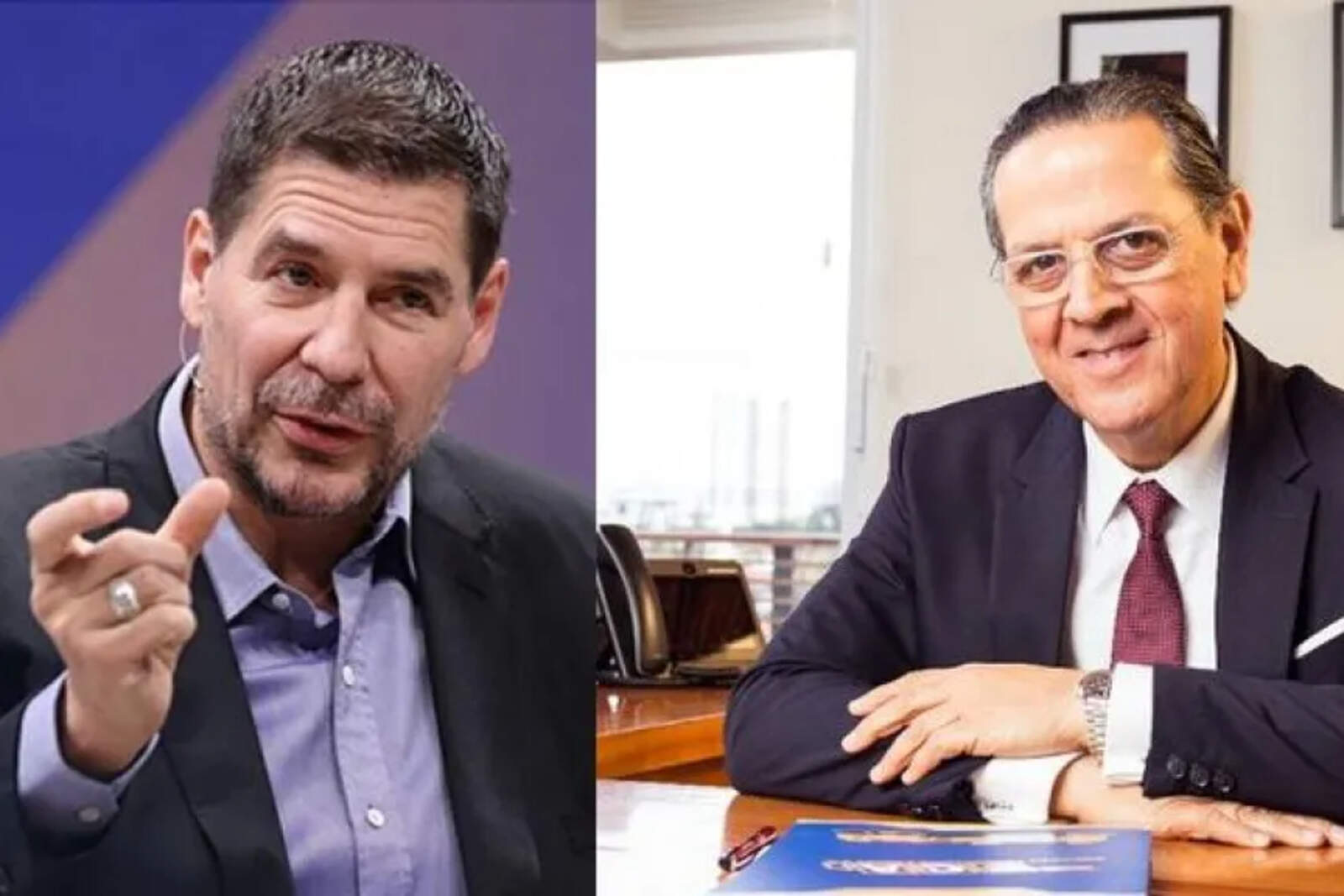
The fracture in the opposition became more evident with the statements of Jhonny Torrez, mayor of Tarija and leader of the Revolutionary Nationalist Movement (MNR). In an internal meeting, Torrez stated that Doria Medina's group proposed that the MNR lead the campaign in Tarija, Santa Cruz, and Beni.
He also claimed that senate seats in "safe zones" were offered to ensure representation in the Legislature. However, National Unity (UN) has denied these agreements.
UN's spokesperson in La Paz, Marco Fuentes, denied that his party is negotiating positions with the MNR. He assured that the alliances are based on programmatic proposals and not on the distribution of political posts.
Representantes del MNR indicaron que tiene un acuerdo con Doria Medina
However, the video leaked by Tarija Conecta contradicts this version, as it shows Torrez detailing the campaign commitments. The material has caused a strong controversy, reigniting doubts about the opposition's unity.
Former prosecutor Jaime Soliz also criticized the alleged negotiations, claiming that Mayor Torrez offered him electoral support in exchange for the Vice Presidency. According to Soliz, after rejecting the proposal, Torrez sought Doria Medina as an alternative.
This version reinforces the perception that there are attempts to distribute positions before securing a candidacy. Soliz described these agreements as "clientelist practices" that damage the opposition's credibility.
From the official side, the criticisms have been even harsher. Senator William Torrez, from the Movement for Socialism (MAS), called Doria Medina and his allies "political traffickers and gangsters". He accused the opposition leaders of being mercantilists seeking personal benefits.
According to the MAS legislator, this type of pact reinforces the image of a fragmented opposition without a serious project for the country. The MNR, meanwhile, has defended the conversations with UN, asserting that the negotiations are part of the political process.
According to Jhonny Torrez, the presence of parliamentarians in the Legislature is key to ensuring governability. He stated that politics is based on commitments and that "you're only worth what you have." Analysts have interpreted this stance as a confirmation of the power-sharing agreements.
The survey that will define the single candidate of the opposition bloc will begin this Monday and conclude before April 5. This study will determine who will be MAS's main rival in the general elections.
However, Manfred Reyes Villa, leader of another opposition sector, will not participate in this measurement. The pre-candidate accused of being functional to Luis Arce's interests has prepared another survey. His absence makes it clear that the opposition still lacks a unified strategy.
Do the supposed opposition members prioritize their personal interests?
Se distancia del falso bloque de unidad
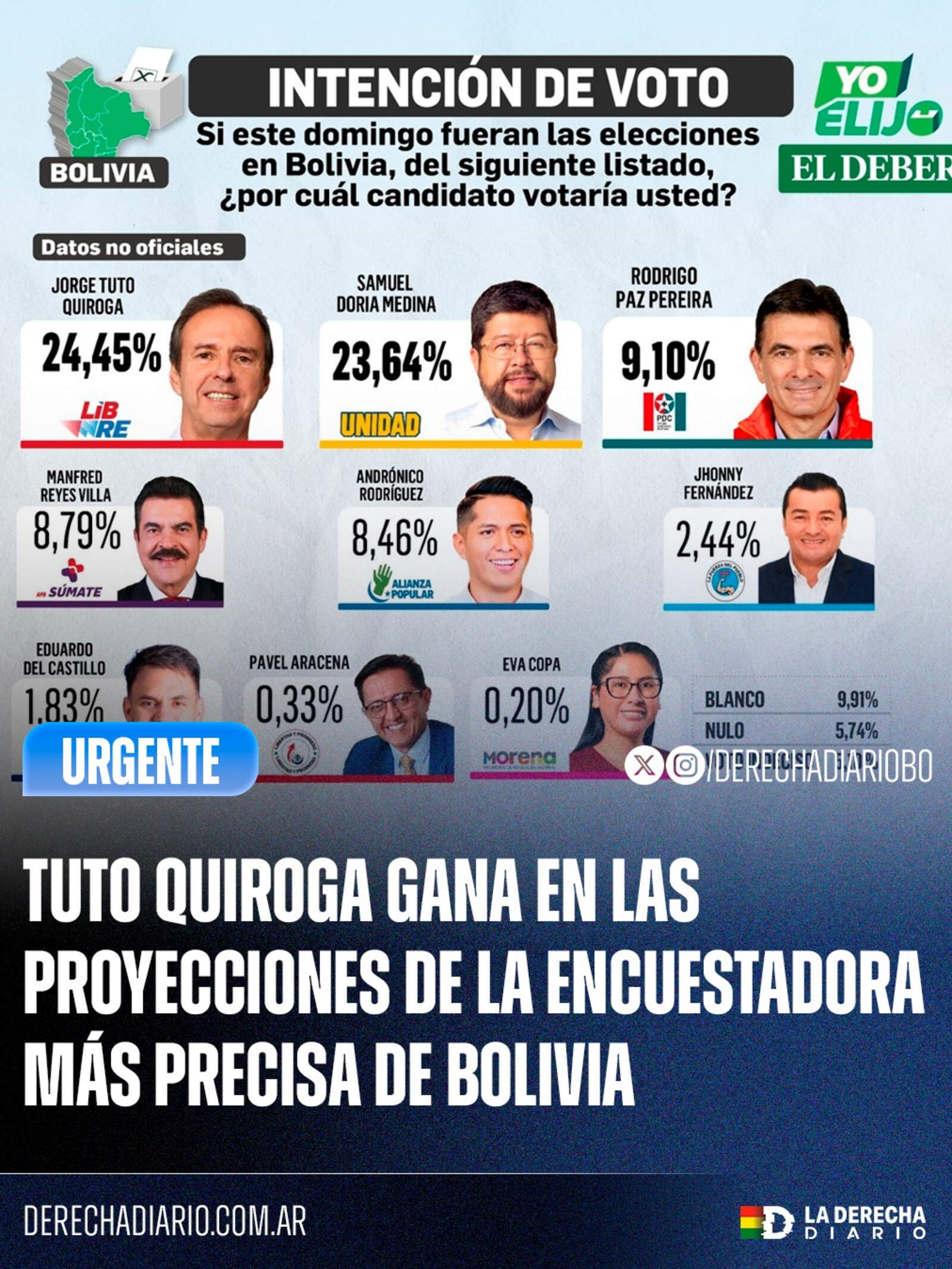
The opposition bloc is divided into at least three groups: Doria Medina's, Jorge Tuto Quiroga's, and Reyes Villa's. This fragmentation weakens the possibility of a common front to counterbalance MAS.
The recent leaks and denials have only deepened the perception of chaos within the false opposition. Attempts to unite forces have clashed with particular interests and leadership disputes.
Meanwhile, MAS takes advantage of this internal crisis to try to strengthen its already weakened position. From the official side, it is insisted that the opposition doesn't represent a real alternative for the country.
The narrative that the leaders of the false unity bloc only seek to distribute positions has resonated with sectors of the electorate. This narrative could favor the regime in the August elections.
Political negotiation practices are not new in Bolivia, but their public exposure generates distrust. The lack of transparency in the agreements weakens the credibility of the supposedly opposition pre-candidates. With these actions, the false opposition only benefits the MAS and could lead the population to defeat.
The early distribution of positions reflects a long-standing political practice that only weakens the already diminished credibility of the false opposition. By prioritizing power agreements over concrete proposals for the country, Samuel Doria Medina reproduces a system where personal and party interests prevail over the common good. These negotiations, far from strengthening an alternative to the official side, deepen citizen disenchantment.