The municipal administration plans to issue securities for $205 billion to pay installments of the dollar-denominated bond
Compartir:
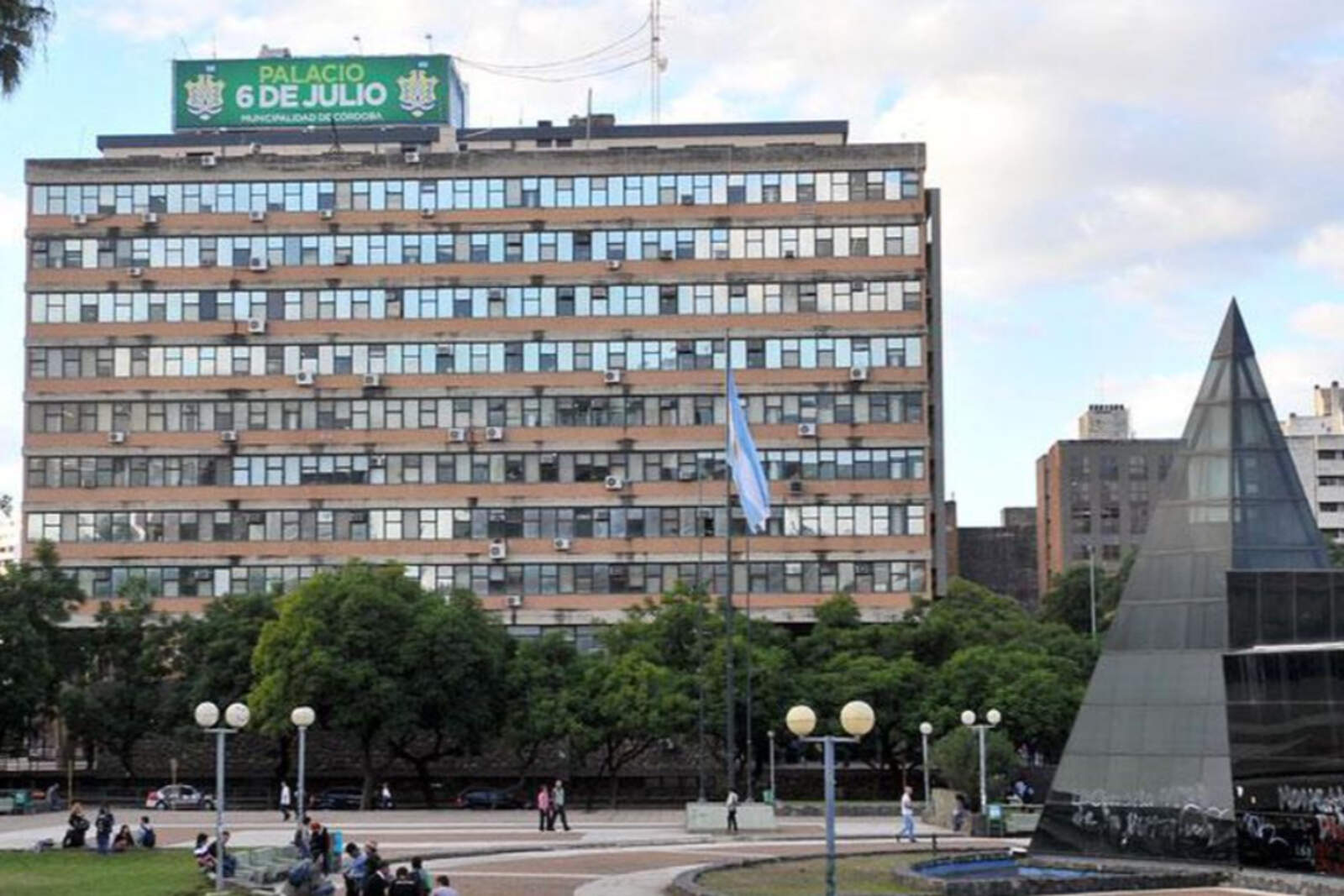
Palacio 6 de Julio faces a financial commitment of great magnitude at the end of March with the maturity of the sixth principal installment. This is a debt originally contracted in 2016 divided into 8 installments, which forces the current administration to pay about 25 million dollars. Mayor Daniel Passerini is seeking financing alternatives that will allow the extension of payment terms and ease the pressure on the local treasury.
During the last two years, Córdoba capital has already managed to cancel almost 100 million dollars corresponding to this liability issued abroad. Half of that total amount still remains to be settled, so the municipality must have about 57 billion pesos available in March for the maturities. The local economy secretariat is exploring different financial tools to cover the two annual installments that add up to about 50 million dollars.
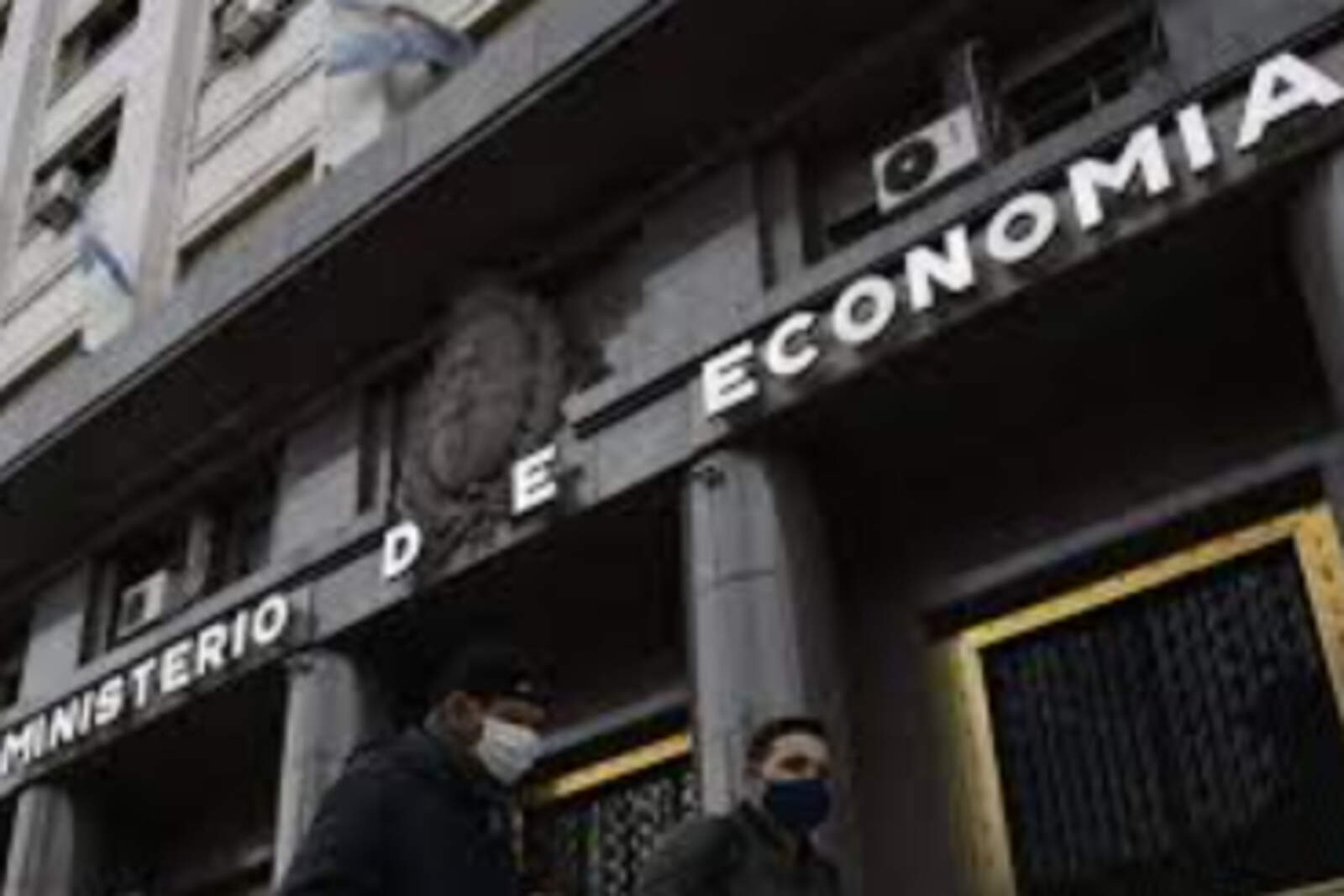
The official plan contemplates requesting authorization from the National Ministry of Economy to launch new debt securities in local currency. The intention is to carry out issuances of notes and bonds for an amount that exceeds 200 billion pesos to cover immediate prior obligations. A 24‑month bond for 155 billion pesos is projected along with a 12‑month note for a value close to 50 billion pesos.
La municipalidad deberá solicitar la autorización al Ministerio de Economía de la Nación para lanzar nuevos títulos de deuda
Strategies to attract new external financing
There is marked expectation regarding the possible reopening of the international market after the Province's placement of 800 million dollars. Nevertheless, negotiations with private holders in New York, led by Chilean group Moneda, haven't yielded positive results. So far, the municipality assumes that it will have to face the remaining 100 million dollars between 2026 and 2027 inevitably.
Despite the refusal for a direct reprofiling, local officials aim to manage schemes that grant a longer payment term. The national administration imposes fiscal responsibility criteria that force jurisdictions to seek their own solutions without depending on bailouts. The objective is to get out of this financial quagmire by attracting resources in the capital market under much more favorable conditions.
The municipality also decided to modify its historical stance regarding the Federal Agreement promoted by the governor's administration. After approval in the City Council last December, the city began to cede 2% of its local revenue sharing on a monthly basis. This scheme makes it possible to regularize liabilities with the Pension Fund and Epec through payment plans that extend up to 10 years.
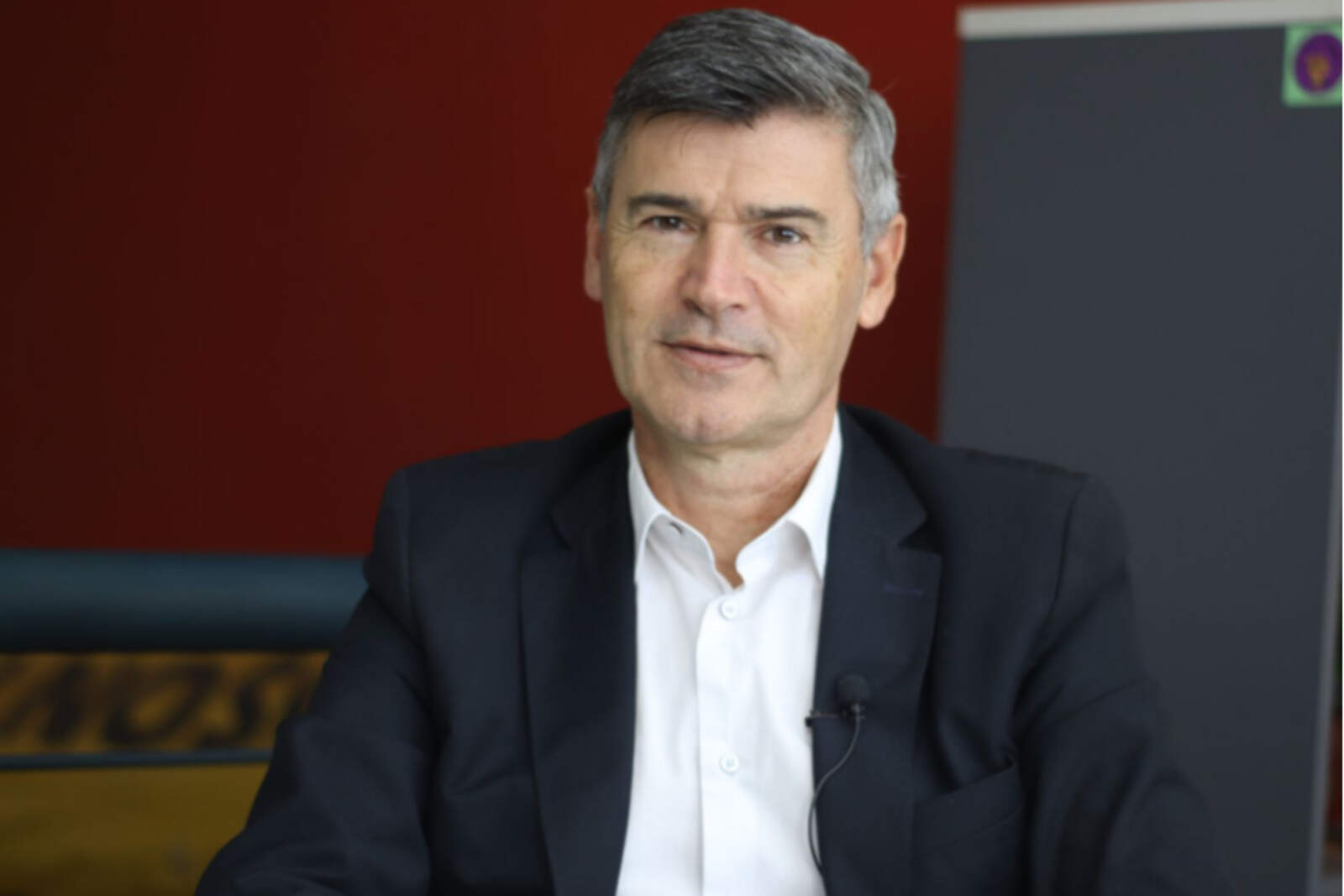
Daniel Passerini, intendente de Córdoba
Provincial support to sustain infrastructure
The consolidation of these debts with state agencies represents significant relief for the daily cash flow of the local administration. Although the total amount of the refinancing hasn't yet been determined precisely, this mechanism is expected to strengthen management capacity. Thanks to this agreement, the city gains access to funds for infrastructure works.
Currently, there is 50% progress in the paving work on 800 blocks that have financing from the provincial government. Critical pothole repair tasks and major road constructions are also being carried out, such as the overpass located on Vélez Sársfield Avenue. The systematization of Bodereau Avenue is part of this set of improvements that seek to optimize mobility in the different neighborhoods.
However, relevant projects for the southern area, such as Camino a 60 Cuadras and San Antonio, suffered legal blockages in the Court of Accounts. These tenders were halted by the opposition majority, which postpones improvements in lighting and road systematization for those sectors. Passerini's administration will have to wait for new administrative stages to resume these works that will be located on the outskirts of the city.