Eleven defendants received effective prison sentences in a summary trial, and the investigation continues against prison officials
Compartir:
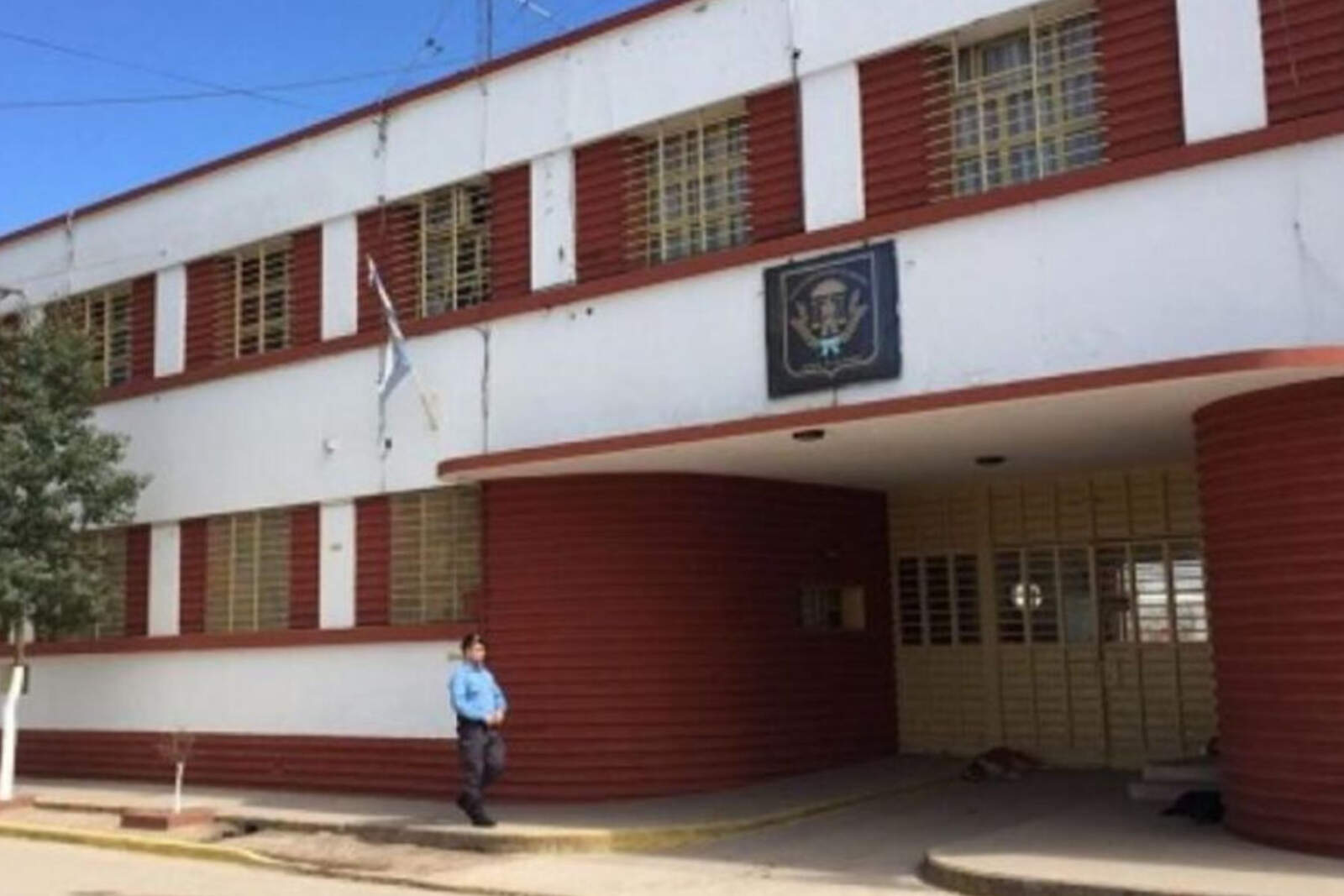
The Córdoba judiciary has issued the first conviction in the call center tumbero case that operated from the Villa María prison. In a summary trial, eleven people were sentenced to actual prison terms. The judicial process was led by prosecutor Enrique Gavier and Control Judge José Milton Peralta.
The convicted individuals were part of a criminal association that carried out telephone scams from Penitentiary Establishment No. 5. It was proven that they used cell phones that had been smuggled in with the help of external accomplices. Among those sentenced are both inmates and women who operated from outside the prison.
A varios de ellos se les decomisaron celulares, dinero y armas de fuego incautadas en distintos allanamientos.
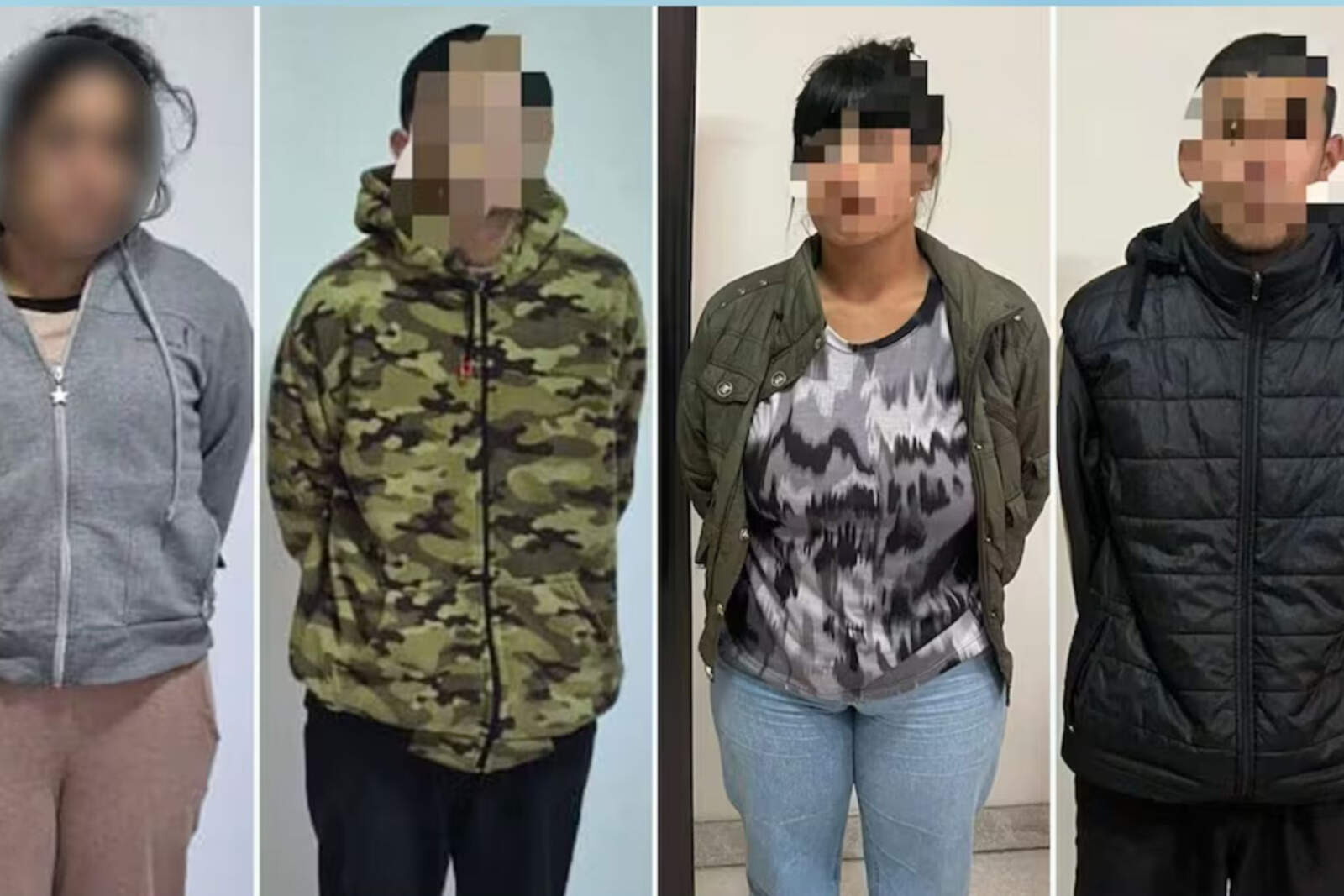
Who was convicted
The sentences were handed down to Iván Fernando Cittadini, Braian Nicolás Silva, Cristian José Vera, and Daniel Jonathan Santucho, among others. Carmen Isabel Vázquez, Sofía Abbas, Agustín Valdez, Laura Moreno, Nancy Rosales, Lisandro Agasal, and Mauricio Fernández also received sentences. The penalties ranged from three to five years in prison, plus financial fines.
Several of them had cell phones, money, and firearms seized during various raids. In the case of Nancy Rosales, illegal possession of weapons was detected, including a revolver and a sawed-off shotgun. According to the case, these items were used to reinforce the illicit activity and finance the criminal structure.
The case file determined that the group formed a criminal organization between inmates and external contacts. The purpose was to commit an indefinite number of property crimes. The scams were carried out through fake profiles on social networks and fraudulent transactions on Marketplace.
Los condenados integraban una asociación ilícita que realizaba estafas telefónicas desde el Establecimiento Penitenciario N° 5.
Officials under investigation
Gavier's investigation doesn't end with these convictions. There are still charges pending against prison officials accused of enabling the operation of the call center. Among them are Andrés Américo Aciar, Néstor David Gómez, Edgar Ezequiel Arroyo, and Oscar Pablo Figueroa.
These officials are suspected of facilitating the entry of cell phones and protecting Sebastián Ezequiel Moyano, known as "El Pluma," leader of cellblock 11. With their approval, the inmates carried out scams while handing over a percentage of the profits to the criminal leadership. The prosecution keeps that the structure remained active for months.
The victims of these schemes were ordinary citizens and even a Córdoba judicial official. Among the proven cases are fictitious purchases of furniture and fodder on Marketplace. The money transferred by the victims was diverted to accounts controlled by the gang.
Las estafas se realizaban mediante perfiles falsos en redes sociales y transacciones engañosas en Marketplace.
What comes next in the case
Prosecutor Gavier stated that he will continue investigating the alleged prison accomplices. The charges are expected to be expanded as the case progresses. The case file remains open and under review of the seized documentation.
The judiciary thus seeks to set a precedent against organized crime within Córdoba prisons. The ruling constitutes the first firm conviction against the telephone scam scheme from prisons. The case highlights the need to strengthen controls to prevent similar incidents from recurring.